A small kitchen-counter garden with a built-in light and a water tank sounds like the easiest way to keep fresh herbs on hand, and for many people it is. Herb growing machines like the Aerogarden, Click and Grow, Gardyn, and Lettuce Grow take the fiddly parts out of indoor gardening, and they earn their space on the counter when you know what they do well and where they fall short. Before you spend a few hundred dollars, it helps to understand what you are actually buying. Whether you are starting a new indoor garden or replacing an old setup, this kind of appliance can either simplify your routine or quietly turn into an unused machine, depending on what you actually need.
What a herb growing machine actually does
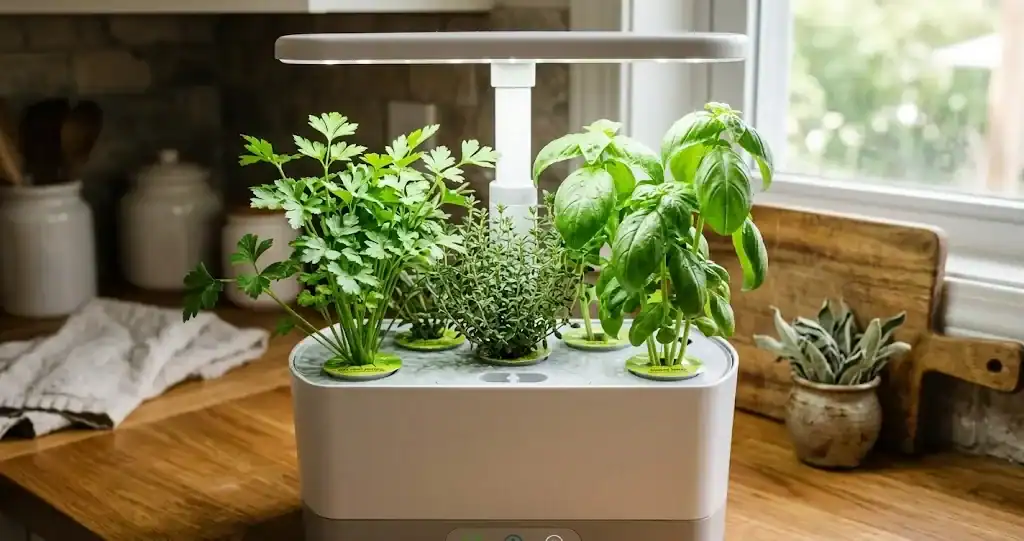
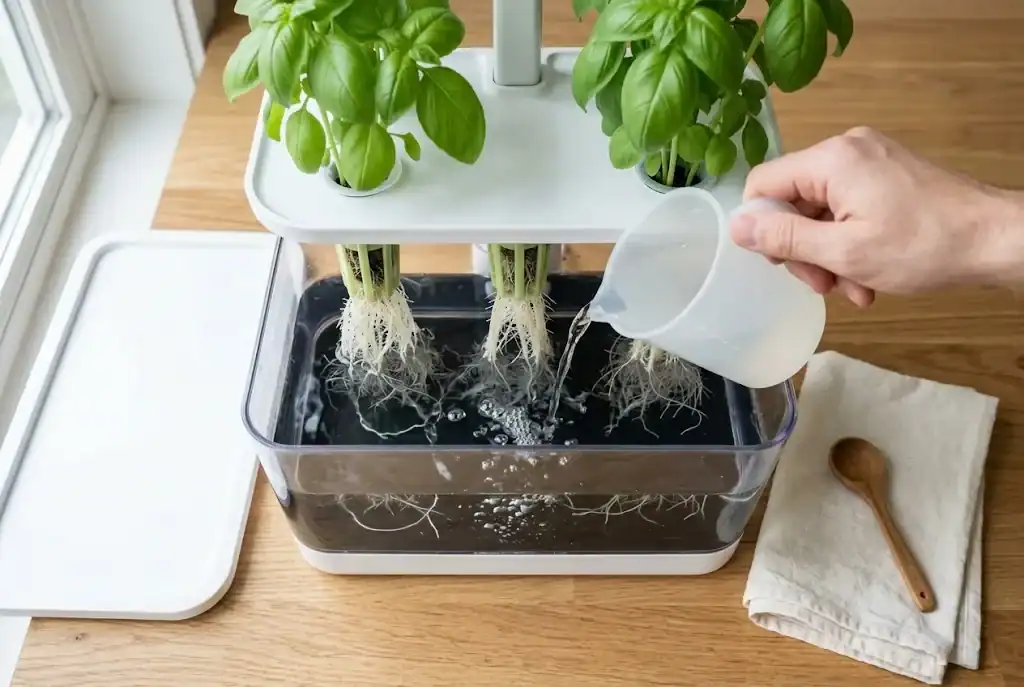
Most countertop herb gardens are small hydroponic systems, sometimes called a smart garden or a garden kit. They use a pump or a wick to deliver water and dissolved nutrients to the plant roots, and an LED panel set on a timer provides the lighting the herbs need to germinate and grow quickly without a sunny window. You drop in a seed pod or plug in a nursery starter, add water and nutrients every week or two, and trim your herbs when they reach usable size. Compared with traditional soil gardening, this style of plant growth is more controlled: temperature, light cycle, and feeding are all set by the unit, and you steer the variables rather than fight the weather.
These units are not the same as a regular pot on a windowsill. The grow light is the big upgrade: a good LED panel in a herb growing machine is far brighter than the light most kitchens ever receive, so parsley, dill, and thyme develop steadily even in a north-facing apartment. The water and nutrient dosing is the second upgrade: forgetful gardeners stop losing plants to dry soil, and the root zone stays at a steady moisture level that plants love. A reliable indoor garden like this also reduces the trial and error that comes with growing plants indoors, and a beginner can usually keep a simple system alive on the first try.
The catch is that you are buying a sealed system. You use the company’s seed pods or compatible third-party ones, you top up with the company’s nutrient bottles, and you replace the pump and LED panel on the company’s schedule. That is convenient until the day the company discontinues a part, and it is worth factoring in before you commit.
Hydroponic vs soil-based indoor gardening
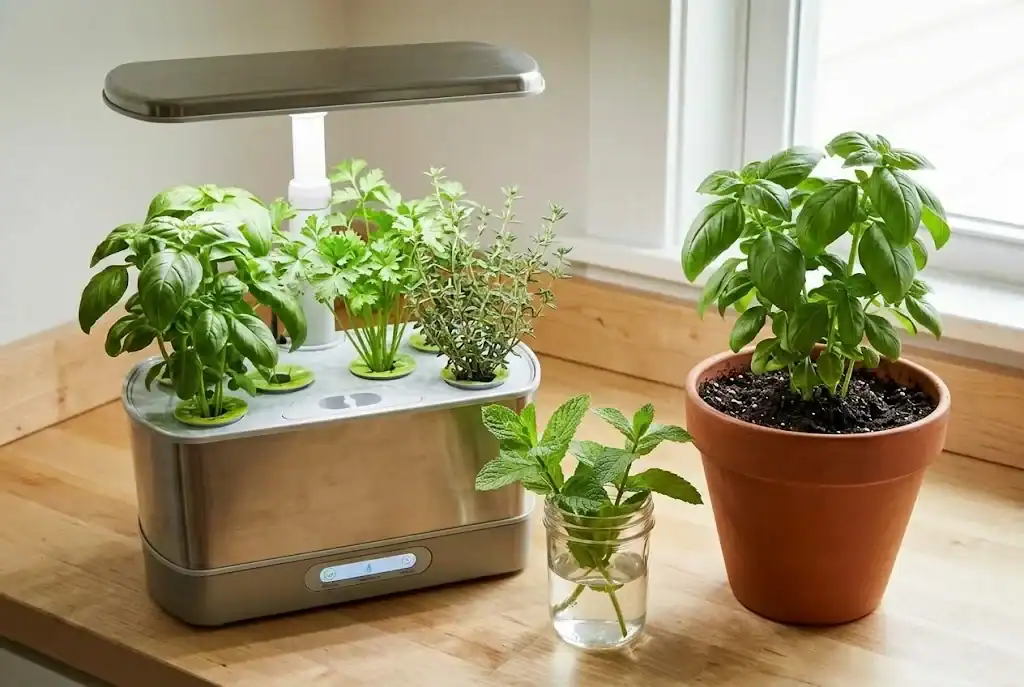
A herb growing machine grows plants in water with dissolved nutrients and an LED panel. A hydroponic system runs on a small pump and a covered tank rather than soil. A traditional indoor herb garden grows plants in potting soil in a regular container with sunlight or a separate light. Both work. They are just different commitments. The hydroponic growing system approach uses less water than a comparable soil garden, which matters if you live somewhere with water rationing or you simply want a smaller water footprint.
Hydroponic machines are tidy and fast. Lettuce, mint, parsley, and thyme all do well in them, and you can harvest the same plant for several months before it bolts. They also keep fungus gnats down because there is no exposed soil. The downside is that you depend on the machine working: a pump failure or a dry tank kills plants fast, and the startup cost is several times the cost of a few pots and a bag of potting mix. The science of hydroponics is well established, and the major brand names are selling proven designs that grow herbs and vegetables side by side. You can grow small vegetables, growing vegetables like cherry tomatoes, in larger units with bright light and a tall enough hood.
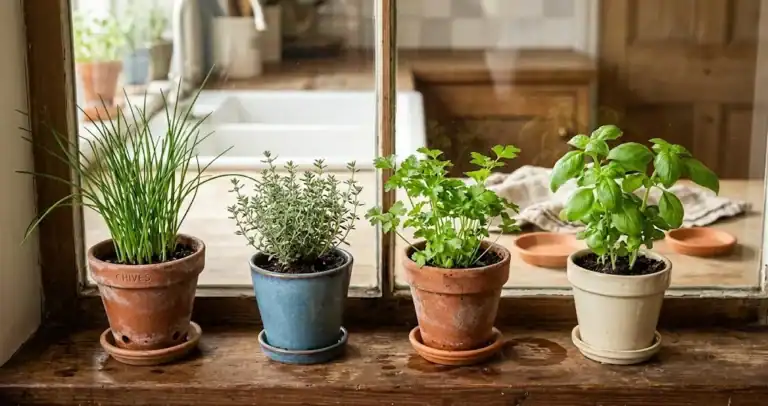
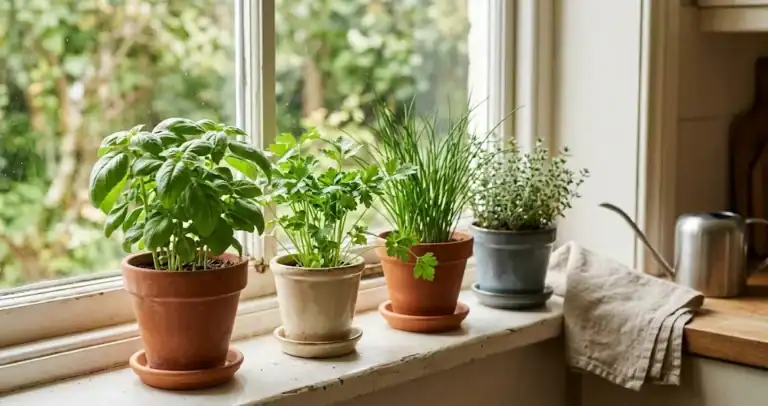
Soil-based growing is slower and messier, but it is forgiving. A pot of leafy herbs can dry out once and recover. A pump failure in a hydroponic unit often means losing everything in the tank. If you want a low-cost start or you only need a few snips per week, three small pots on a sunny sill will serve you well. If you cook with herbs most nights and the ambient light in your kitchen is poor, a hydroponic growing system is a real upgrade, and you can usually grow fresh greens in any season.
Who benefits most from a herb growing machine
A kitchen-counter herb garden earns its place when several of these are true for you:
- You cook with herbs most days and want steady supply without grocery runs.
- Your kitchen, dining area, or main living space gets limited natural light, and you want a real indoor garden rather than a struggling pot.
- You have a routine that lets you refill the tank and nutrients every one to two weeks.
- You are willing to spend a few hundred dollars once instead of buying clamshells of herbs that wilt in the fridge.
- You want to involve kids or beginner gardeners, because the visible roots and steady weekly growth make a great teaching aid.
A herb growing machine is a poor fit if any of these are true:
- You only use one herb occasionally. A small pot of that herb on the windowsill is cheaper and easier.
- You travel for work and are away from home for weeks at a time. With no one to top up the tank, the indoor garden will fail.
- You want to grow large plants like full-size tomato or pepper plants. Most units are sized for herbs and small leafy greens, not heavy feeders.
- You rent and cannot drill, mount, or modify surfaces. Some larger units need a stand or a sturdy surface, and the larger Gardyn and Lettuce Grow towers take meaningful floor space.
If a machine does not quite fit your situation, the basics of getting an indoor herb garden going on a budget cover the simpler pots-and-light route that works for most apartments.
What to look for when comparing models
The differences between popular machines matter more than the marketing suggests.
Pod-based indoor herb gardens like the Aerogarden Harvest and the Click and Grow Smart Garden 9 are the simplest. You buy pre-seeded pods, drop them in, and the system waters and lights them. They are the easiest entry point, but you are tied to the company’s pod lineup, and refills add up over time. The Smart Garden 9 fits nine pods under one adjustable light hood, which makes it a useful entry into the app-controlled category without a step up to the more advanced models.
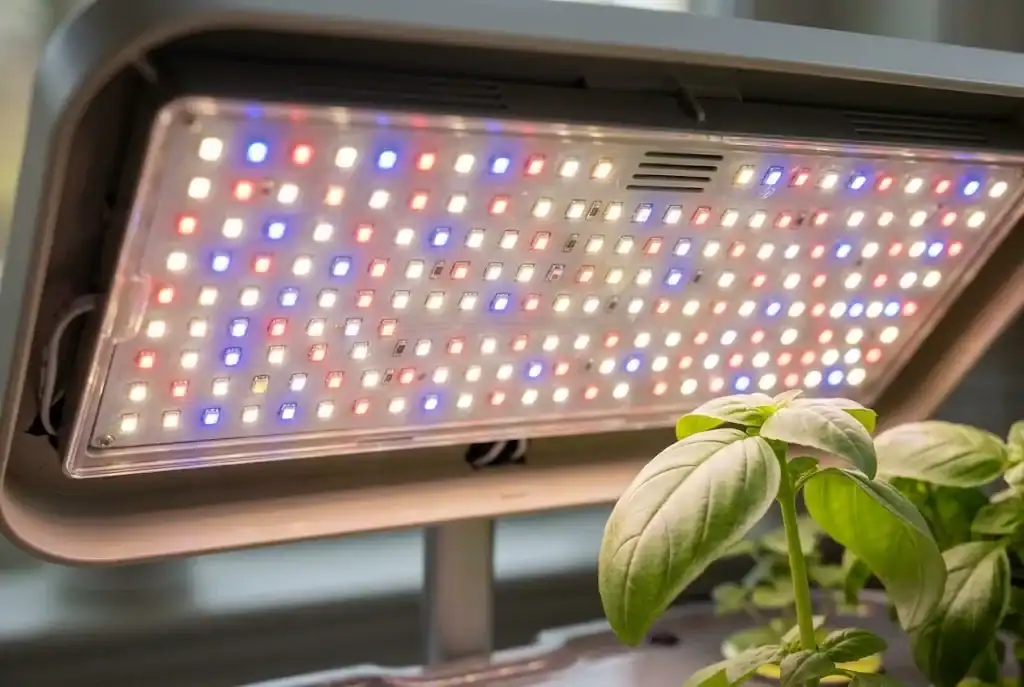
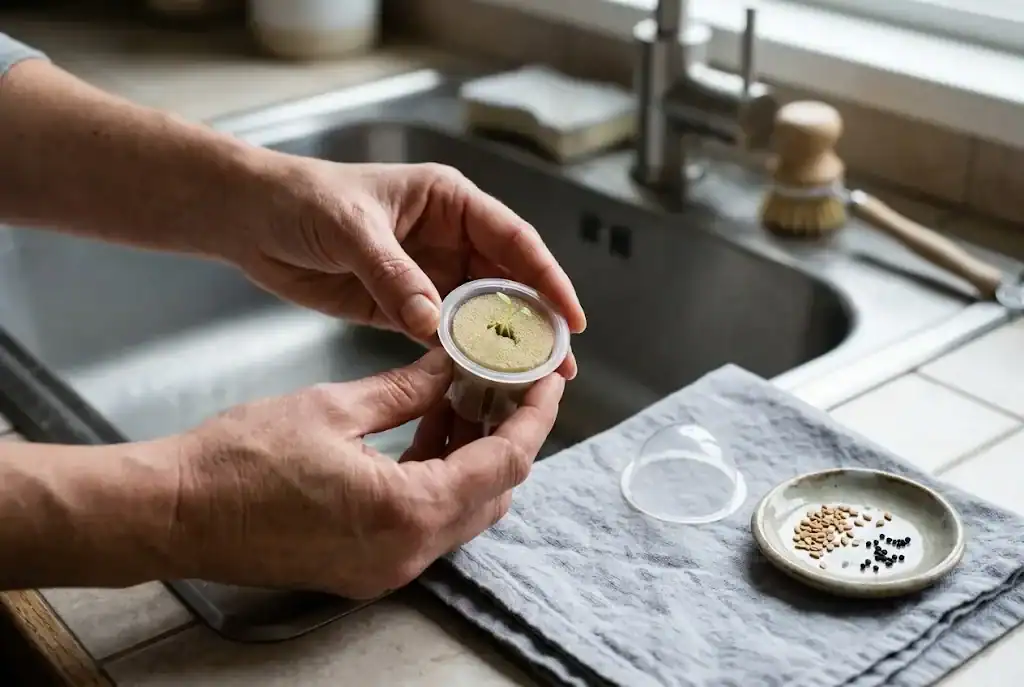
Smart indoor gardens with adjustable LED panels and app control, such as the Gardyn Home and the Rise Garden Personal, give you more control over the light cycle, which lets you grow a wider range of plants. They also tend to use real seed pods in rockwool or sponge rather than sealed cartridges, so you can plant your own seed if you want to start varieties the company does not stock. Some models have a built-in reservoir that doubles as the structural base of the unit. Compared with a smart grow tent or a freestanding grow light, these all-in-one designs come together as a single gardening system and are easier to set up and use.
Stackable or modular plant growing systems, like the LetPot or some AeroGarden models, let you add or remove tiers as your needs change. They are useful if you want to start small and expand. If you want to grow a few lettuces and herbs together, look for the grow domes included in the starter kit, since they keep humidity high until the seedlings sprout.
Things to actually compare on the spec sheet:
- Pod count and spacing. Six pods is a common size; nine gives you room for a real kitchen rotation.
- Grow light wattage and spectrum. Higher wattage in the right blue and red range means faster growth, especially for basil and mint.
- Tank size. Larger tanks mean fewer top-ups. Anything under about one liter usually needs water more than once a week.
- Noise. Some pumps are loud enough to be annoying in a quiet kitchen. Read user reviews specifically for noise.
- App control vs manual. Apps are useful for notifications, but you do not need them, and a simpler manual unit is easier to repair. Models with smooth plastic shells and few seams are also easy to clean with a quick wipe-down.
Traditional pots are still a serious option for a fraction of the cost. The article on choosing the right container for your indoor herb garden covers what to look for if you would rather skip the machine entirely.
Popular herb growing machines worth knowing
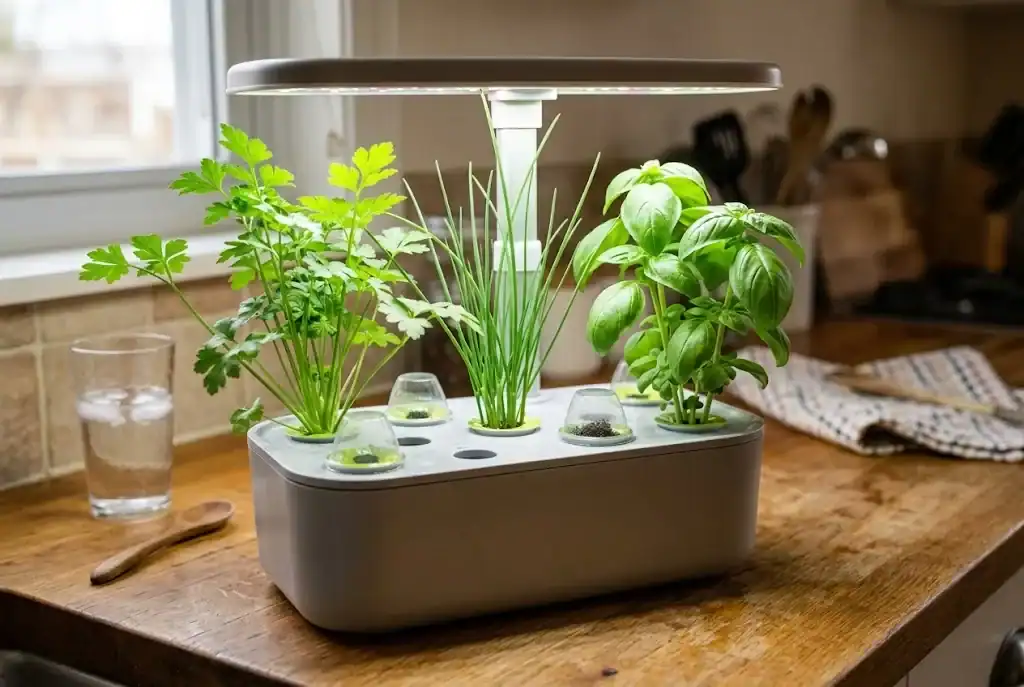
These are the models most home cooks end up comparing. They cover the easiest indoor garden use cases, from a starter setup to a full hydroponic indoor setup with cherry tomatoes and small leafy greens.
The Aerogarden Harvest is the default entry point. Six pods, simple controls, and a wide retail footprint. It works well for thyme, parsley, dill, and lettuce. Refills are easy to find, and it is a forgiving first hydroponic garden for plant growing beginners.
The 9-pod Click and Grow model has nine pods and a sleek profile. Its pre-seeded plant capsules are convenient but cost more per plant over time. It sits in the same family as the smaller 3-pod unit and shares the same refill ecosystem.
The Gardyn Home grows up to 30 plants in a vertical column and uses the company’s Hybriponics system with reusable yCube plant pods. It is the best option if you want a steady rotation of herbs and small greens year-round, and the AI-driven camera-based monitoring reduces guesswork. The Gardyn fits a smart hydroponic category of its own.
The Lettuce Grow Farmstand is a hydroponic tower for people who want a serious home harvest. It comes in several sizes, holds from 12 to 36 plants, and lives on the floor rather than on the counter. It is the right call if you want lettuce, herbs, small vegetables, and even tomatoes and peppers in some configurations, and you have the space.
The Rise Garden Personal Garden is a multi-tier system with a substantial LED panel and a real reservoir. It is more expensive, but it is the model that best mimics outdoor light conditions and grows herbs and greens at a pace closer to a small outdoor bed. Compared with the Lettuce Grow, it has a more contained footprint and looks more like a piece of furniture.
The AeroGarden Farm family and Tower Garden push into larger floor-standing units aimed at heavy users. Both are capable, but they cost more than most home cooks need.
Common problems and how to handle them
Every hydroponic growing system has a few recurring headaches. Knowing them ahead of time saves frustration.
Algae in the tank. Light reaching the nutrient solution feeds algae, which then competes with roots. Most modern units have opaque tanks that block light, but if yours does not, wrap the outside in opaque tape and rinse the tank between full nutrient changes.
Pump clogs. A pump running dry or with debris in the line is the most common mechanical failure. Take the pump apart and rinse it every two to three months. If your unit starts humming without moving water, that is the cue.
Stretched, leggy seedlings. If new seedlings stretch toward the panel, the lighting is too dim or too far away. Lower the panel or extend the daily light cycle to 16 hours on most herbs.
Yellowing leaves. Yellow lower leaves usually mean a nitrogen shortage or root rot from a stagnant tank. Refresh the water, add a fresh dose of nutrient solution, and trim any mushy roots before they spread.
Bolting in leafy herbs. Basil flowers and goes to seed once the plant matures or the tank runs warm. Pinch flower buds off as soon as they appear, and keep the tank away from direct sun to slow the cycle.
Ongoing costs to budget for
The machine itself is the smallest part of the long-term cost. Plan on:
- Replacement LED panels every two to four years, depending on use. Budget around forty to eighty dollars for the most common models.
- Nutrient solution every two to four weeks. Around ten to twenty dollars per bottle, depending on brand.
- Seed pods or refill cartridges, around one to three dollars each depending on whether you buy pre-seeded or refillable.
- Optional pH and TDS meters for serious hydroponic growers. Useful but not required.
If you are growing for steady kitchen use, the realistic annual operating cost for a six-pod unit is in the sixty to one hundred and fifty dollar range. Larger floor systems cost more, mostly because of the nutrient solution and replacement parts. Once you have enjoyed the harvest on demand for a few months, most cooks find the running cost easy to justify.
How to decide
If you are the kind of cook who wants fresh leafy herbs within arm’s reach most nights, who works in a kitchen with limited light, and who is willing to top up a tank every week or two, a herb growing machine will earn its keep. Start with a simple six-pod model like the Aerogarden Harvest or a comparable 9-pod starter, learn which herbs you actually use, and expand only if you outgrow it.
If you only need a few snips of parsley a week, or if you have a sunny south-facing window, a row of small pots will serve you just as well and cost a fraction of the price. Most beginners are happier with a simple soil-based setup than with an expensive machine they did not need.
The honest answer to the question in the headline is that these machines are useful for some kitchens and a waste of money for others. They are not magic. They are a well-designed hydroponic garden with a built-in grow light, and they do exactly what a good indoor garden should do, faster and with less daily fuss. If that fits your cooking life, you will enjoy the harvest on demand and wonder how you managed without one. If it does not, the money is better spent on a few good pots and a bag of fresh potting mix. Growing your own food at home is rewarding either way, and a herb growing machine is just one path to it.
Frequently asked questions about herb growing machines
How long do herb growing machines last?
Most units last three to five years with normal use. The LED panel is usually the first part to dim out, and replacement panels are available for popular models. Pumps can fail earlier, and replacement pumps are inexpensive.
Do herb growing machines use a lot of electricity?
A typical six-pod unit uses about the same electricity as a single LED light bulb running for the same hours each day. The cost is a few dollars per month on a US electricity bill.
Can I use my own seeds?
On pod-based systems like Aerogarden, only with grow sponges sold separately, and not all models support it. On smart gardens like Gardyn and Rise, you can plant your own seeds in the reusable yCubes or nursery pods. Always check your model’s manual before buying third-party supplies.
Are hydroponic herbs as flavorful as soil-grown?
For most home cooking uses, yes. Basil, parsley, mint, and dill all develop normal essential oils and flavor compounds in hydroponic systems. Some chefs prefer soil-grown herbs for specific applications, but the difference is small at the home cook level.
Can I start with the cheapest model and upgrade later?
Yes. A six-pod starter unit is enough to learn whether you actually use a herb growing machine, and it is far cheaper than discovering that on a four-hundred-dollar floor tower. The skills transfer to the larger unit, and the smaller one becomes a dedicated lettuce and herbs garden.