Fresh herbs bring vibrant aroma and sharp taste to home cooking, yet grocery store plastic clamshells cost several dollars for a few tired sprigs. Starting your own low cost herb gardening project solves that expense quickly. With basic materials, simple propagation methods, and recycled household items, you can harvest fresh herbs every week without spending significant money.
A thriving kitchen herb garden does not require expensive raised beds, specialized equipment, or designer planters. Herbs are naturally hardy plants that evolved in rocky, lean environments. When you provide adequate sunlight, free-draining potting mix, and consistent care, they produce abundant foliage in almost any salvaged container.
Why start growing an herb garden on a budget
Culinary herbs offer the highest financial return of almost any edible crop you can plant. A single grocery store packet of rosemary or thyme often costs three to four dollars. For that same modest investment, a single healthy plant or cutting yields continuous cuttings across several seasons.
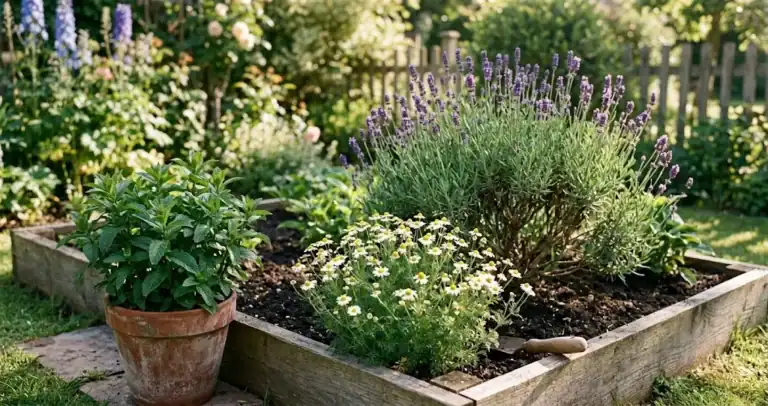
Herb plants also need relatively little space. A sunny windowsill, small balcony railing, or compact back patio provides plenty of room for an indoor herb garden or outdoor pot collection. If you are a beginner gardener exploring home horticulture, reviewing soil, spacing, and essential foundational basics helps you plan a layout that matches your available light and space before you spend anything on supplies.
Smart ways to source herb plants without high nursery costs
Buying mature potted plants from a retail nursery adds up quickly, especially when you want six or seven varieties. Fortunately, you rarely need to buy full-grown specimens to establish an abundant collection.
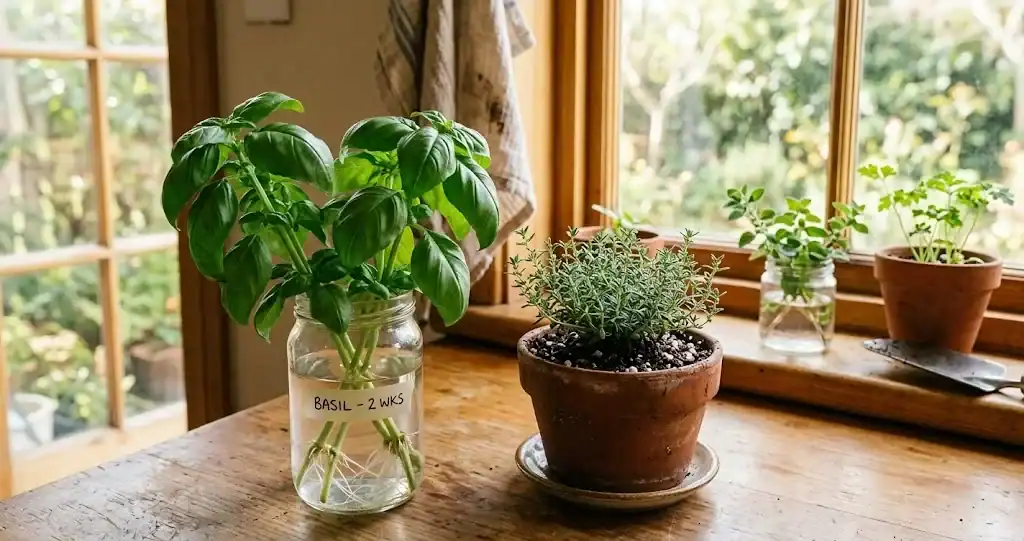
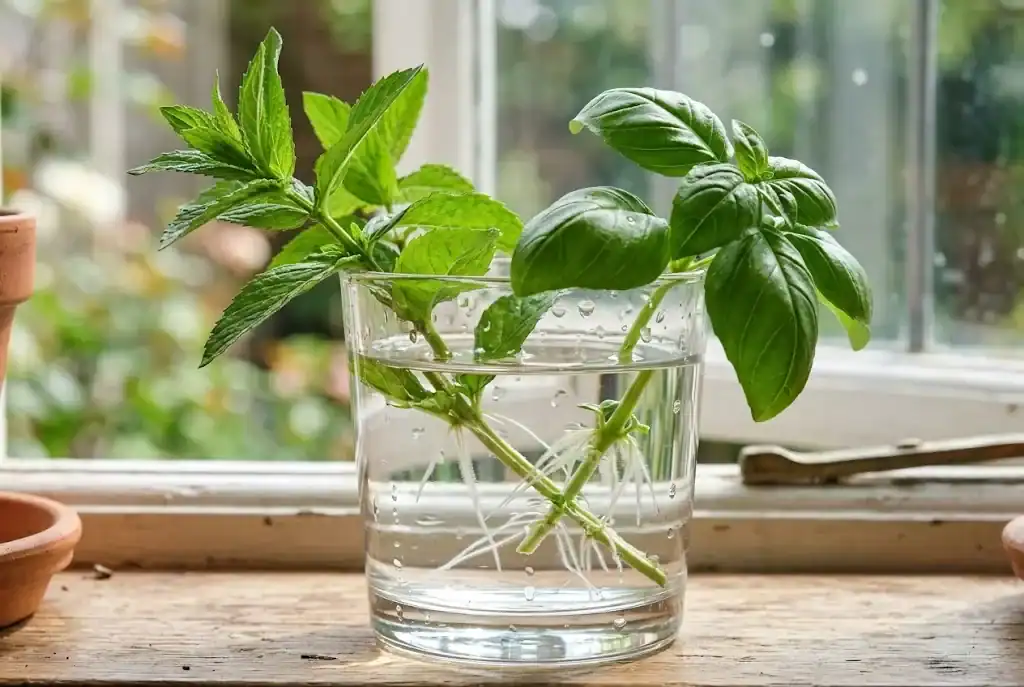
One of the easiest entry points is stem propagation from soft-stemmed culinary varieties. Mint, basil, and oregano root easily in a glass of tap water on a warm windowsill. Snip a four-inch stem just beneath a leaf node, strip the bottom foliage, and set the cutting in clean water. Within ten to fourteen days, fresh white roots sprout along the submerged stem, ready for planting into potting mix.
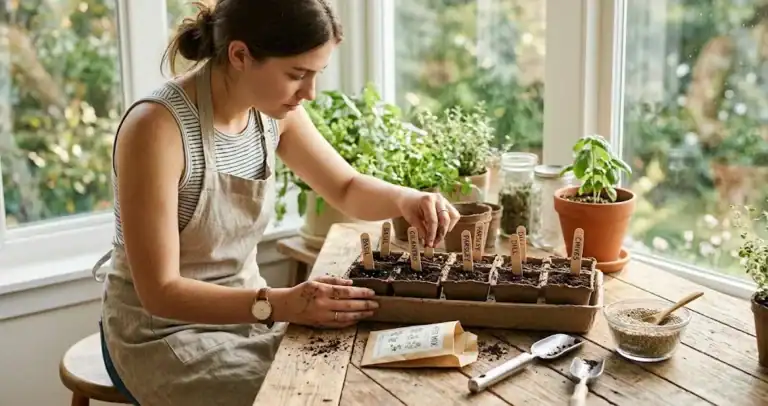
Seeds offer another economical route for annual and biennial varieties like cilantro, dill, and parsley. A single inexpensive seed packet holds dozens or hundreds of seeds, enabling you to stagger sowings every three weeks for an uninterrupted supply. When buying packets, focusing on selecting herb seeds with care ensures you pick reliable, high-germination varieties that suit your local climate.
You can also divide perennial clumps from friends or community garden neighbors. Established chive clumps, for example, multiply vigorously each spring. Digging up a mature clump and separating it into smaller root divisions gives you multiple vigorous young plants at zero cost.
Repurposing household containers for an indoor or patio herb garden
Store-bought ceramic pots and decorative planters are often the most expensive component of container gardening. You can bypass that cost entirely by salvaging clean household containers that would otherwise enter the recycling bin.
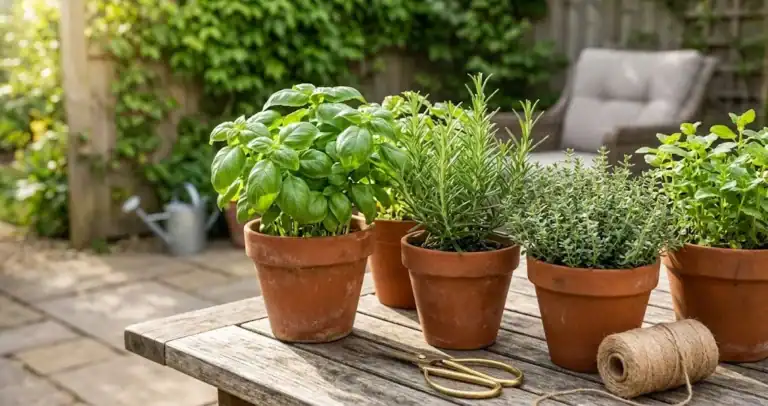
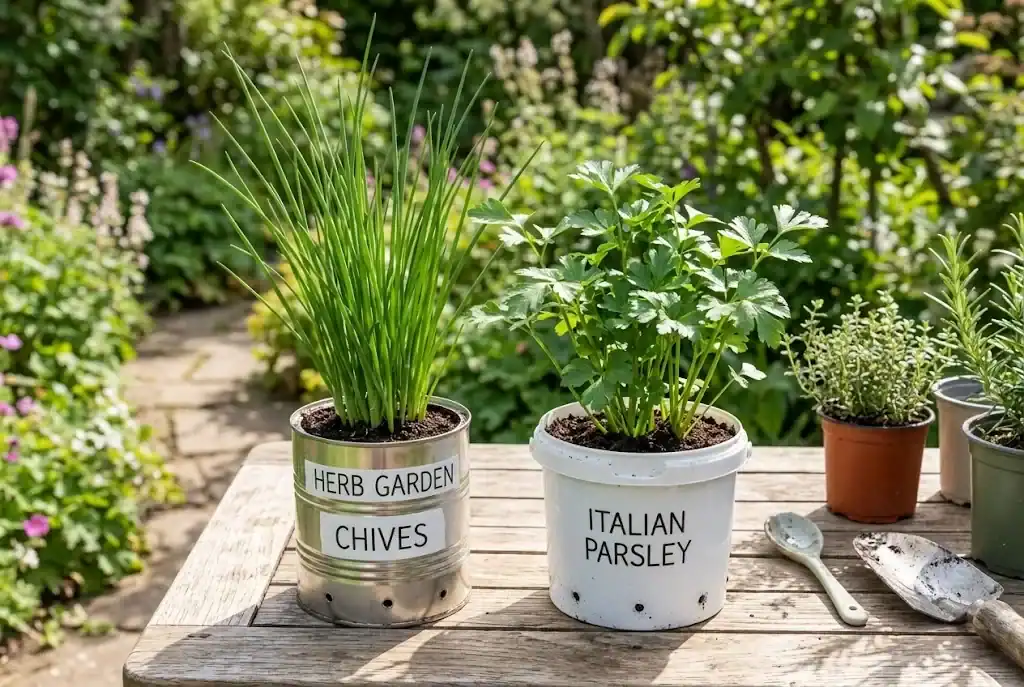
Plastic five-gallon buckets, yogurt tubs, coffee tins, food-grade plastic tubs, and wooden crates make durable planters. The single non-negotiable requirement for every container is drainage. Herbs cannot tolerate waterlogged roots, which cause root rot within days. Use a drill or hammer and nail to punch several drainage holes into the bottom of any repurposed vessel before filling it.
If you prefer an indoor setup on a kitchen windowsill, small plastic nursery pots set inside decorative thrift-store mugs or wide trays keep surfaces clean while letting excess moisture drain freely. You do not need a commercial countertop kit to produce steady harvests indoors.
Building budget potting mix and feeding plants cheaply
Digging heavy garden soil directly from your yard into containers almost always results in compaction, poor aeration, and choked roots. However, buying premium commercial bagged potting soil for multiple large pots quickly erodes your savings.
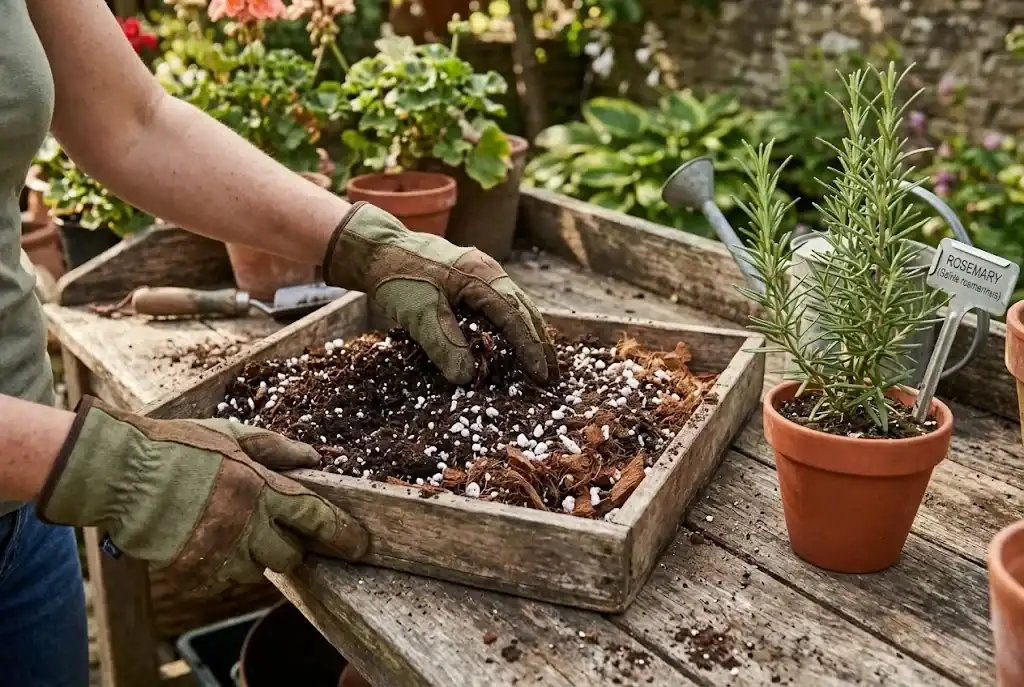
A cost-effective solution is blending your own lightweight potting mix in bulk. Mix equal parts standard peat moss or coconut coir, coarse perlite for aeration, and finished homemade compost for organic matter. The University of Maryland Extension home herb guide emphasizes that well-drained growing media and moderate fertility produce sturdier growth and more concentrated essential oils than over-fertilized, dense earth.
For ongoing nutrition, culinary herbs demand far less fertilizer than heavy-feeding vegetable crops like tomatoes. Excessive synthetic nitrogen forces rapid, soft, leafy growth that dilutes the plant’s fragrant aromatic oils and attracts pest insects. An occasional splash of weak compost tea or aged compost provides all the balanced nutrient support your container herbs need throughout the growing season.
Low-maintenance herbs to grow for maximum culinary value
Some herbs offer far higher yields and easier care than others. Focusing your initial efforts on resilient, productive species ensures you see fast returns on your time and minimal investment.
A beginner gardener should consider starting with these dependable varieties:
- Basil: A warm-season staple that grows vigorously from seed or cutting. Pinching bloom buds keeps it bushy and productive until frost.
- Mint: Incredibly hardy and fast-growing. Always keep mint confined to its own dedicated pot, as its aggressive runners quickly overrun open garden beds.
- Chives: Perennial, cold-hardy, and virtually pest-free. Cut back foliage to two inches above ground level, and fresh green spears regrow within a week.
- Oregano: Thrives in full sun and dry, lean earth. A small clump provides aromatic seasoning year after year.
- Thyme: Drought-tolerant woody perennial that needs minimal water once rooted. Excellent for sunny edges and wide planters.
- Parsley: Biennial that provides steady harvests in partial shade or morning sun, thriving in cooler spring and autumn temperatures.
- Rosemary: Hardy evergreen shrub that prefers full sun and gritty mix. Take stem cuttings in summer to expand your stock without buying new plants.
If you choose to start challenging varieties like gradual-germinating lavender or delicate Mediterranean perennials from scratch, review learning how to grow herbs from seeds for reliable germination temperatures, light requirements, and moisture control.
Essential care and pruning habits to keep herbs productive
Keeping herbs vigorous requires routine attention rather than expensive interventions. Positioning your pots in a sunny spot receiving at least six hours of direct sunlight each day prevents plants from becoming weak, pale, and leggy.
Water deeply only when the top inch of potting mix feels completely dry to the touch. Container plants dry out faster outdoors during summer heat, but overwatering remains the leading cause of plant loss among beginners. As detailed in the Penn State Extension container herb guide, letting containers dry slightly between watering cycles encourages deep root exploration and prevents fungal disease.
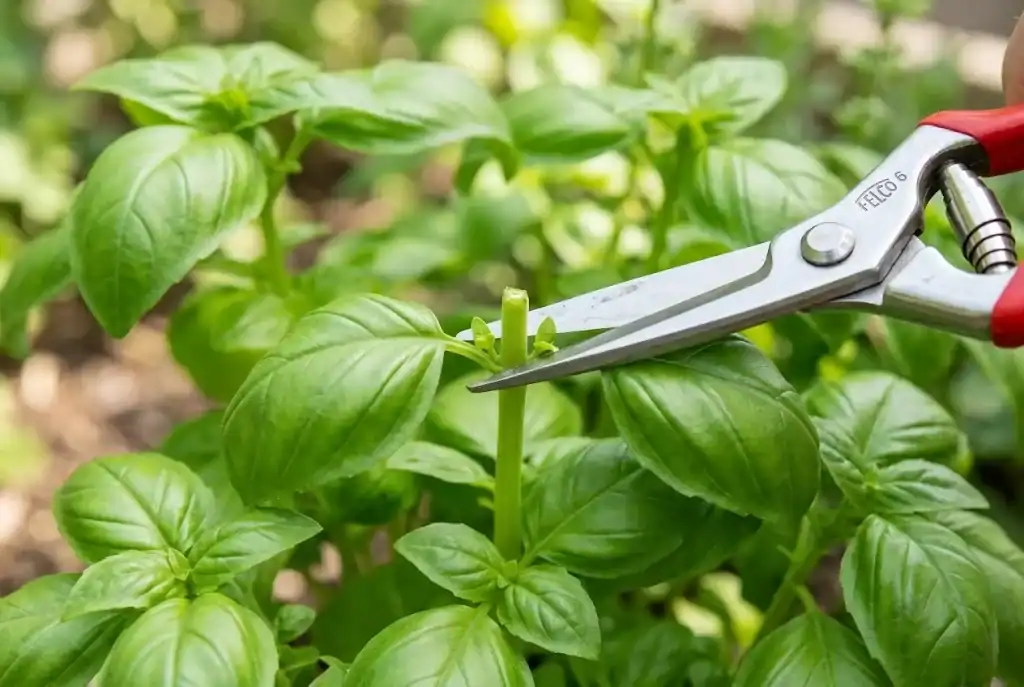
Regular harvesting acts as pruning. Always harvest by pinching or snipping stems just above a set of growing leaves. This technique prompts the plant to produce two new lateral shoots at the cut point, doubling future foliage. Never remove more than one-third of the plant’s total green mass at one time, so it retains enough leaf surface to photosynthesize and generate new growth.
Frequently asked questions about low cost herb gardening
Is growing herbs cheaper than buying them at the supermarket?
Yes. A single supermarket bundle of fresh herbs costs around four dollars and wilts within a few days. A single three-dollar packet of seeds or a free stem cutting yields fresh herbs continuously across many months, saving dozens of dollars over a single growing season.
What is the easiest herb for a beginner to grow on a budget?
Mint and chives are the easiest and most forgiving herbs for beginners. Both tolerate imperfect growing media, bounce back after irregular watering, and regrow rapidly after heavy harvests.
Can I use regular yard soil in container herb pots?
Avoid using straight yard soil in containers. Garden soil packs tightly inside pot walls, preventing drainage and suffocating fine roots. Blending garden soil with homemade compost and coarse sand or perlite creates a porous mix that supports root respiration without buying commercial bags.
How do I protect my herbs from pests cheaply?
Inspect leaves regularly for common pests like aphids or spider mites. A gentle spray of plain water from a hose or spray bottle dislodges most insects. For stubborn infestations, a mild spray made from water and a few drops of vegetable-based dish soap deters pests without chemical pesticides.