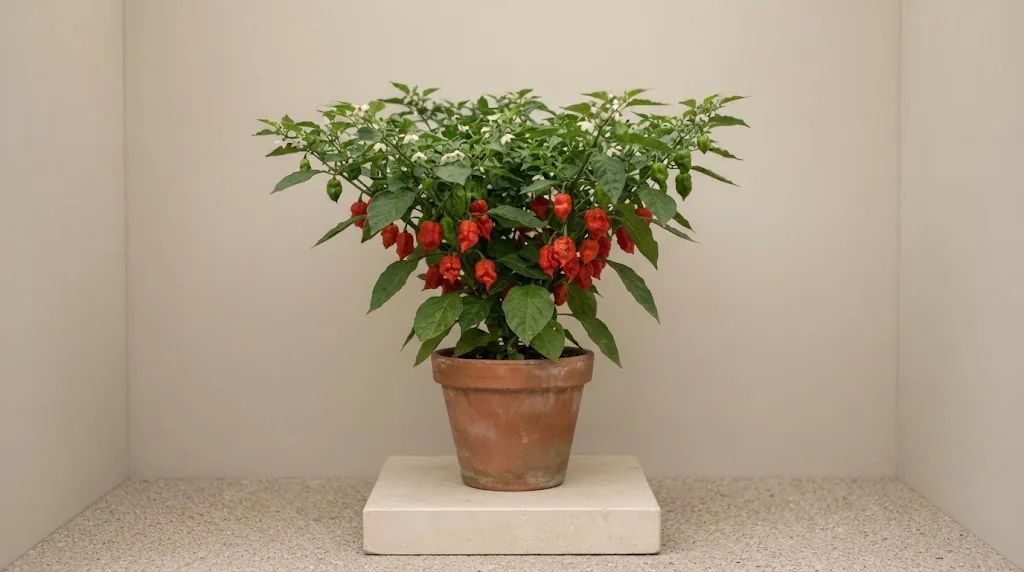
Dragon’s Breath pepper is famous for an eye-catching number: a reported 2.48 million Scoville heat units (SHU). That figure was never confirmed as a Guinness record, and a pepper line sold under the name may not reliably match the original plant. If you are choosing a plant or deciding how to handle the fruit, that uncertainty matters as much as the headline heat.
This profile separates what was reported about the variety from what growers can verify, then covers seed starting, harvest, storage, and cautious kitchen use. For a broader map of chili pepper varieties and their differences, see the varieties guide.
Origin and history
The variety emerged in the United Kingdom and entered public attention at the 2017 RHS Chelsea Flower Show. Contemporary reporting says Welsh grower Mike Smith borrowed the plant from fellow grower Neal Price and links the project to specialized plant food developed with Nottingham Trent University. That is a useful account of the launch, but it does not establish a documented pedigree or prove that every Dragon’s Breath plant sold today descends from the same stable line. CBS’s 2017 report explicitly described the heat figure as a claim awaiting verification.
It is generally listed as Capsicum chinense, the species that includes habaneros and several other superhot peppers. Treat that species label as a seller’s varietal identification rather than a botanical test of a particular batch. For a comparison with another chinense variety, explore the Red Savina pepper profile.
How hot is Dragon’s Breath?
The often repeated figure is about 2.48 million SHU, but it is an unofficial reported peak, not an independently verified average or a Guinness title. Guinness lists Pepper X as the world’s hottest pepper, at an average 2,693,000 SHU, based on testing by Winthrop University. Dragon’s Breath therefore should not be called the world’s hottest pepper or ranked above the Carolina Reaper on the strength of its unverified number. Guinness’s record announcement gives the verified comparison.
SHU figures describe capsaicinoid concentration, not a guaranteed experience from every pod. Pepper heat varies with genetics and growing conditions, and the standard taste test itself depends on a panel. The National Institute of Standards and Technology explains both the chemistry and the limits of comparing a single number with the heat of a fresh fruit. Seeds are not the main source of heat: capsaicinoids are concentrated in the pale internal placenta around them.
The Carolina Reaper’s published average is 1.64 million SHU, according to Guinness’s 2023 record announcement, while Dragon’s Breath’s 2.48 million is a single unverified 2017 report. Those values compare a verified average with an unofficial peak, so they cannot establish which line is hotter. If a seller gives a heat level, read it as a claim about that product, not a guarantee for your harvest.
Seed listings, seller differences, and growing instructions
Retailers sell it as a named variety, but available grow-out reports do not establish one uniform lineage or stable landrace. Ripe fruit is commonly described as red, bumpy, and tapered, sometimes with a small point or tail. Sandia Seed Company’s grow-out notes describe different fruit sizes from seedlings grown from the same pod and say the line’s stability was uncertain in its trials. Buy from a seller that explains its source; if you cultivate it, label each plant and do not use a photo alone to confirm its identity.
| Seed listing | Listed pod length | Listed plant height | Days to maturity |
|---|---|---|---|
| Secret Seed Cartel | about 1 inch | 2.5 to 3 feet | 90 to 100 days |
| Pepper Joe’s | about 2 inches | about 4 feet | 110 to 120 or more days |
The links above lead to seed listings, so compare the stated pod size, plant height, maturity window, and source before choosing a packet. Since grow-outs can vary, retain the label and lot details if you want to compare plants over a season.
These are catalog estimates for the sellers’ respective seed lines, not fixed dimensions or harvest promises for every plant. Both listings identify the variety as Capsicum chinense. Compare the packet description with the plant’s growth and fruit, and keep the seller and lot details with your notes. Check current stock and product details before ordering.
How to grow Dragon’s Breath from seed
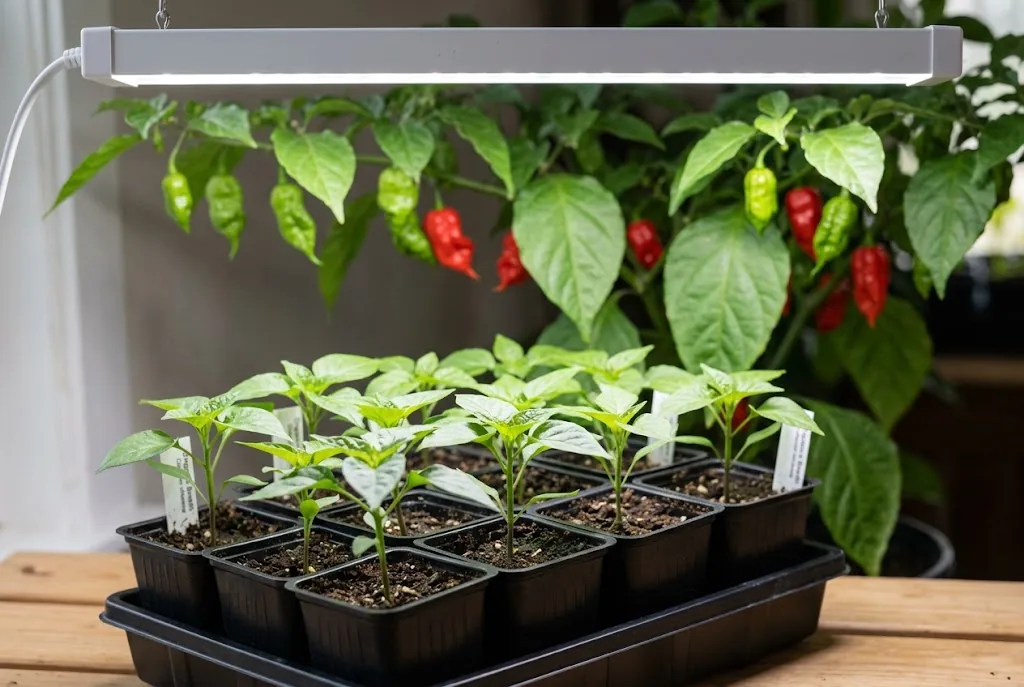
Start plants indoors about 8 to 10 weeks before outdoor planting is safe in your area. Keep the seed-starting mix warm: New Mexico State University’s Chile Pepper Institute recommends 80 to 85°F for chile germination and notes that chinense types can take up to five weeks to sprout. Sow in clean seed-starting mix, keep it evenly moist rather than waterlogged, and provide bright light as soon as seedlings emerge.
Pot seedlings on as they develop, then harden them off gradually for about a week before transplanting. Choose a sunny spot with warm, well-drained soil, and wait until frost danger has passed and nights are warm. Missouri Extension describes peppers as warm-season plants and gives 80 to 85°F as the optimal germination range. Set the transplant at its original soil line, water it in, and use a container large enough for a mature pepper plant if you are growing on a patio.
Keep moisture steady and follow a balanced fertilizer label or a soil test rather than switching to a bloom formula. Plant performance depends on warmth, light, plant quality, and the growing season; a seller’s maturity estimate cannot predict your harvest date. If you are comparing a milder container-grown ornamental, see the Medusa pepper profile.
Harvest and handle the pods carefully
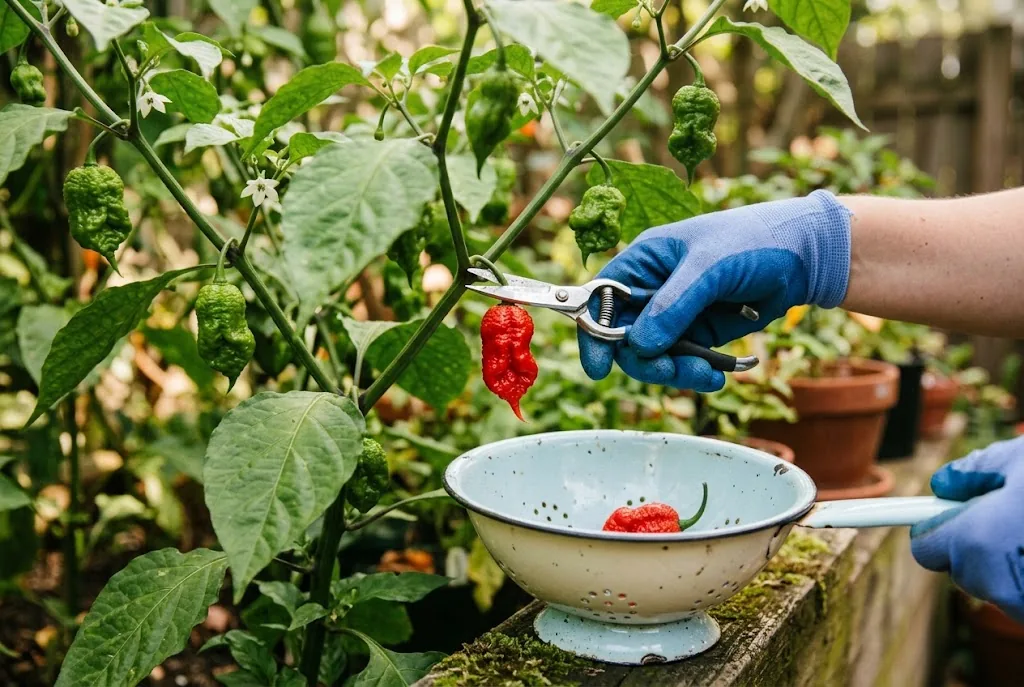
Pick pepper fruit when it has reached the color and size described by your supplier, usually red at full ripeness. Use clean snips to avoid breaking a branch. Wear nitrile or similar gloves, keep your hands away from your eyes and face, and wash tools and hands after handling. Poison Control notes that capsaicin from hot peppers can irritate skin, eyes, and airways, and recommends gloves and careful handling.
Do not taste a raw pod to check the variety or its heat. A plant’s label and appearance cannot confirm a Scoville rating. Can eating a Dragon’s Breath pod kill you? Its unverified SHU figure cannot answer that; it measures heat, not an individual’s risk. Poison Control documents serious reactions after extreme capsaicin challenges, but those cases do not measure this variety’s risk. Avoid dares or large amounts. If pepper juice gets in an eye, rinse with plenty of room-temperature water; contact Poison Control for case-specific guidance, especially if pain or vision problems persist. Severe breathing symptoms require urgent medical help.
Storage, drying, and preserving
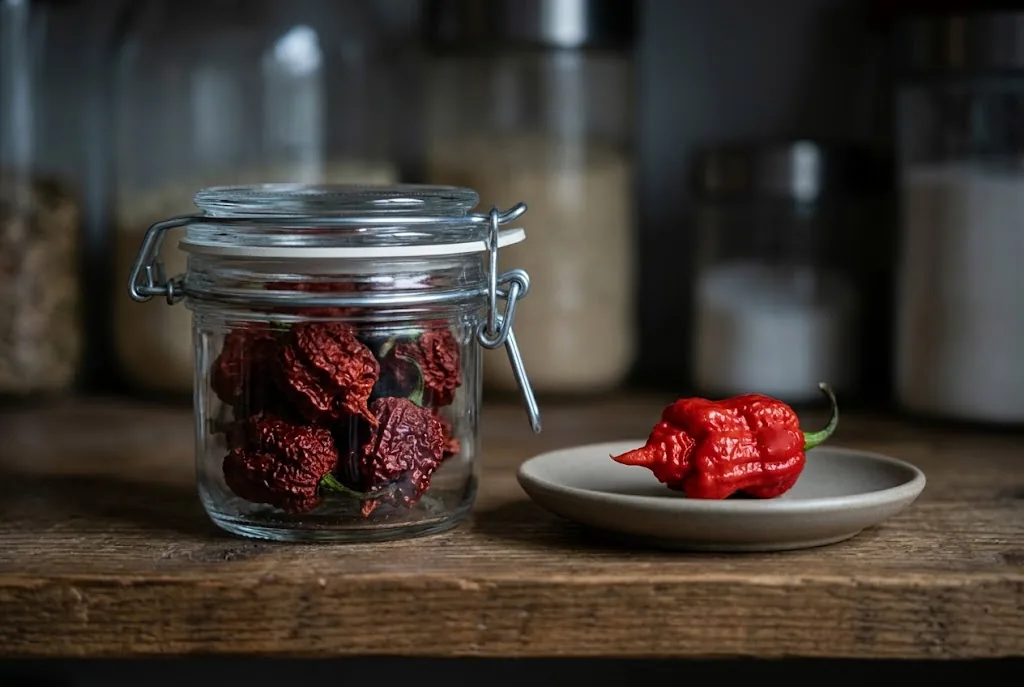
Store fresh pods in the refrigerator and use them within two to three weeks, the period Utah State University gives for fresh chiles. For longer keeping, wash and slice the fruit, dry it in a dehydrator until brittle, and transfer it to jars or bags for room-temperature storage. Utah State’s preservation guide covers both methods. Wear gloves and avoid breathing dust when handling dried superhot peppers or grinding them.
Freeze whole pods if you want a simple option that avoids drying dust. Label the container clearly and keep it away from children and anyone who may mistake the fruit for a mild pepper. A homemade sauce, oil, pickle, or ferment is not shelf-stable by default; refrigerate it unless you are following a tested preservation recipe exactly.
Culinary uses
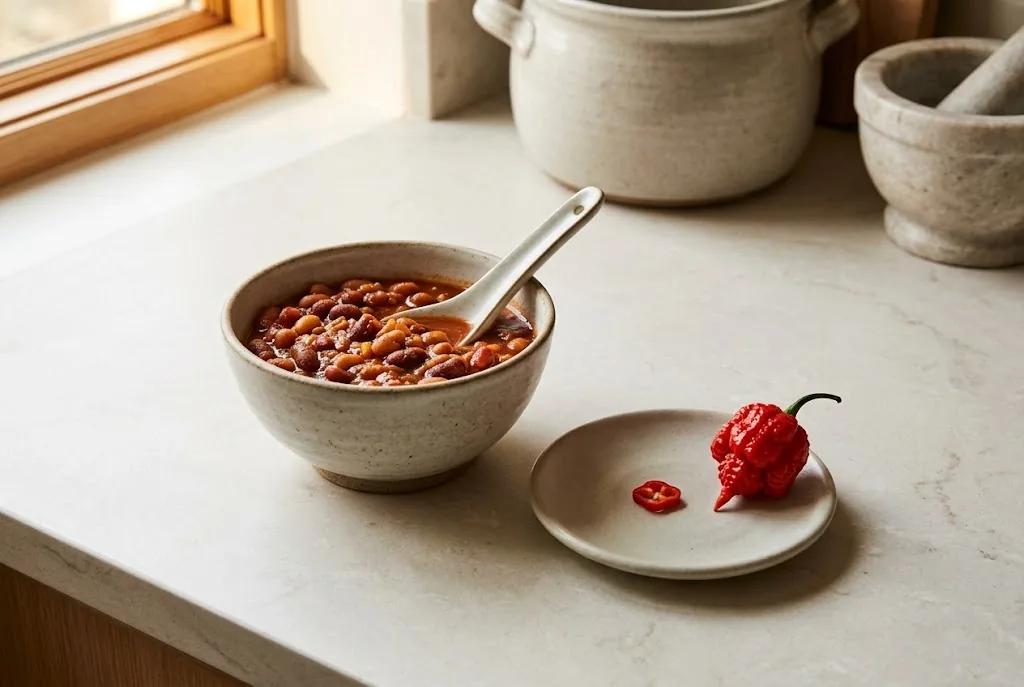
Dragon’s Breath is a novelty superhot for growers and experienced cooks, not a pepper to use by the whole pod. If you choose to cook with a correctly identified fruit, start with a very small amount, use gloves, ventilate the kitchen, and keep children and pets away from the work area. Blend a sliver into a larger batch or stew, taste the finished food cautiously, and stop before the heat overwhelms the dish. There is no reliable way to infer a pod’s heat from the unofficial headline number.
For a cautious use, crumble a sliver into a pot of chili or beans and taste before adding more. Pepper Joe’s describes the flavor as fruity and sweet, but that seller note is subjective and can be difficult to separate from the burn. A milder chili is usually the better choice when a recipe depends on the pepper’s taste rather than its heat.
Is it a record pepper or a medical anesthetic?
No verified record makes Dragon’s Breath the world’s hottest chili. The 2.48 million SHU number remains a reported, unofficial figure, while Guinness recognizes Pepper X at an average 2,693,000 SHU. 2017 coverage reported research interest in capsaicin as a possible topical anesthetic. That story is not a safety recommendation: Poison Control notes that capsaicin can irritate skin, so do not put a pepper, pepper oil, or homemade extract on your skin to numb pain.
In short, Dragon’s Breath is a striking, intensely hot pepper name with an uncertain heat claim and unevenly documented seed stability. Treat variety-specific seller details as estimates, grow it as a warm-season Capsicum chinense, and handle any superhot fruit with care.
