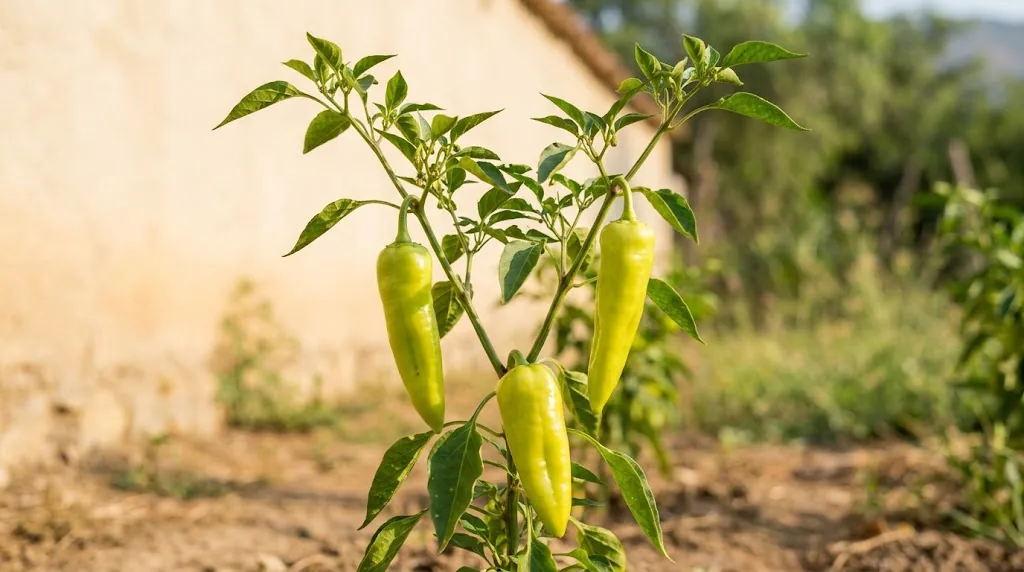
Chile de agua is a fresh Mexican pepper associated with the Central Valleys of Oaxaca. Cooks there roast, peel, slice, stuff, and grind it into sauces. If you are looking for a pepper with a clear regional identity and a useful range of kitchen roles, this is one to know. It belongs to Capsicum annuum, but the name covers local plant material with some variation in fruit and growth traits.
For a wider overview of the species and other varieties, see our guide to the main types of chili peppers.
The Oaxaca pepper’s local roots
Chile de agua is closely tied to Oaxaca’s Central Valleys. Mexican agricultural research describes it as a regional crop grown across communities in the valleys, while a study of local pepper use identifies it as one of the native C. annuum types eaten there. It is a living crop and food tradition, not simply a standardized seed-catalog product.
A 2010 study collected seed material for this pepper from eight zones in the state and found differences among collections in traits such as branching, flowering time, fruit length, and fruit wall thickness. In that study, flowering ranged from about 43 to 47 days and fruiting from about 63 to 68 days across the groups examined. Earlier work cited in the study reported an average of about 75 to 76 days to harvest. These are research observations, not a promise for a home garden: seed line, growing conditions, and local weather matter. That variation is a reason to be cautious with claims that every plant has one fixed shape, schedule, or flavor. The study grouped collections for research; it did not establish a single commercial cultivar that represents all local seed lines. (Revista Chapingo morphology study; INIFAP production overview)
Is chile de agua a cultivar or a landrace?
You may see chile de agua sold as an heirloom pepper. Oaxaca research, however, describes several local seed collections rather than one uniform cultivar. The eight collections studied differed in growth and fruit traits, so a seed packet’s source matters. If you want to grow the Oaxacan type, ask the seller where the seed came from and whether the parent plants were grown in Oaxaca. (Farm Direct Seed listing; Revista Chapingo study)
What the peppers look and taste like
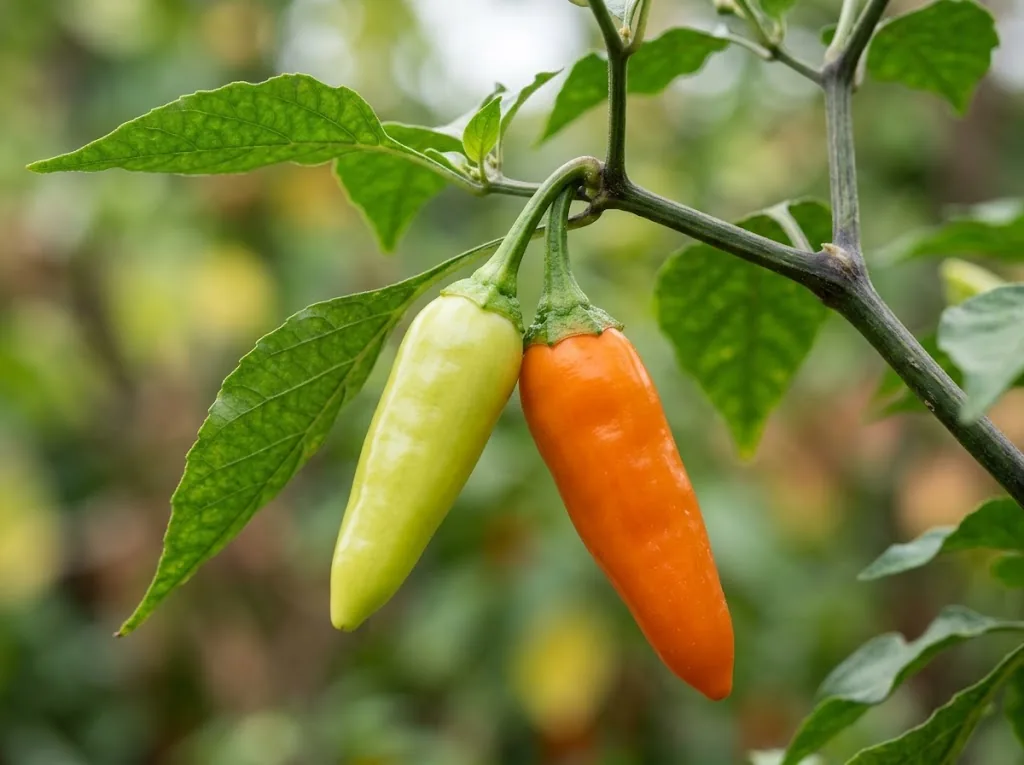
Chile de agua fruits have an elongated, conical shape and are commonly described with pale green skin when picked fresh and a brighter orange color as they ripen. Individual fruit shape and size vary. In its Mexican gastronomy entry, Larousse describes an average fruit about 12 to 15 centimeters long, while the research collections show that fruit length is one of the traits that can differ among plants.
In cooking, the fresh pepper brings vegetal flavor and noticeable heat. A single Scoville number is not a dependable way to describe every chile de agua. A peer-reviewed seedling-quality paper reports capsaicin and dihydrocapsaicin measurements for a fresh sample but no SHU value, and regional seed lines can vary. Treat precise heat figures from unsourced listings with caution. Taste a small cooked piece before using a large amount. (seed and seedling-quality study)
If you enjoy regional peppers with a very different heat and aroma profile, compare it with Caribbean Red Habanero.

Growing chile de agua at home
This pepper is not as widely available as common jalapeño or bell pepper plants, so finding seed may take some searching. Look for a supplier that identifies the seed as chile de agua from Oaxaca and gives a clear seed source. Do not assume that another long green C. annuum pepper is the same variety.
Grow it as a warm-season pepper. Start seeds indoors in a clean seed-starting mix and provide strong light after germination. University extension guidance for peppers recommends warm germination conditions, a sunny site, and well-drained soil; transplant outdoors after frost danger has passed and the soil has warmed. Set transplants at the same soil depth they grew in their pots. Keep moisture reasonably even, especially as flowers and fruit develop, but do not leave roots in waterlogged soil. Follow a soil test for fertilizer instead of feeding by guesswork. These are general pepper recommendations, not a chile-de-agua trial. (University of Minnesota Extension; Utah State University Extension)
Published Oaxaca trials show that chile de agua collections differ in flowering and fruiting timing, so a generic “days to harvest” number may not match your seed lot or climate. Mark when your own plants flower and when fruit reaches the size and color you want. This record is more useful than treating one trial’s calendar as a promise. If you want to compare another variety, see our profile of Red Savina peppers.
Harvesting and handling
Pick chile de agua when the fruit is firm and has reached the color and size you prefer. In Oaxaca, green fruit is commonly used fresh; letting fruit mature changes its color and flavor. Use clean scissors or pruners if the stem resists, so you do not break a branch. Wear gloves when harvesting or handling hot peppers, wash your hands with soap afterward, and avoid touching your eyes or face until your hands are clean. (University of Minnesota Extension)
Storing, drying, and preserving
Use fresh chile de agua while it is firm. For peppers generally, Utah State University Extension recommends cool storage around 50 to 55°F and cautions that long refrigeration can cause chilling injury; this guidance is not specific to this variety. Reliable variety-specific drying or storage instructions are limited. (Utah State University Extension) If you dry or freeze a surplus, use a tested general method for peppers and label the batch with the date. For pickling or canning, follow a tested recipe designed for the method; ingredient proportions matter to safety, so do not treat a custom brine as shelf-stable. (National Center for Home Food Preservation)
How Oaxacan cooks use chile de agua
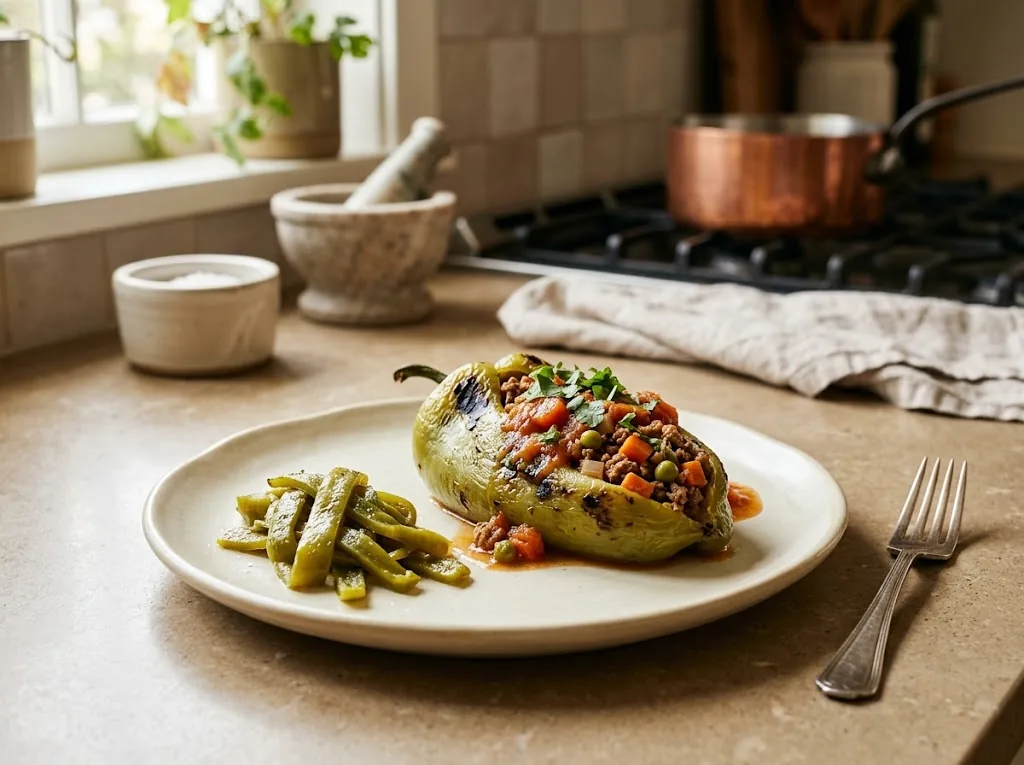
Local cooks use the pepper in several forms rather than reserving it for one signature recipe. A survey across towns in Oaxaca’s Central Valleys found that respondents valued regional peppers for flavor and heat, and used them in salsas, as fillings, roasted whole, and sliced into strips. The study names chile de agua among the peppers local people preferred, alongside jalapeño, chile de árbol, and serrano. Larousse’s Mexican gastronomy dictionary describes strips of chile de agua pickled in lime juice and served over mole amarillo or chichilo negro, and chiles rellenos filled with picadillo or cheese and served in tomato broth.
At home, roast the peppers until the skin blisters, cover them briefly to loosen the skin, then peel and slice them for rajas. Or roast and blend them into a simple salsa with tomato, garlic, and salt, adding pepper gradually until the heat suits your table. For stuffed peppers, choose firm pods large enough to handle, and cook them until tender. (Larousse Cocina: chile de agua; Oaxaca regional pepper-use study)
Frequently asked questions
Is chile de agua the same as a poblano?
No. Both can be roasted, peeled, and stuffed, but this is a regional Oaxacan pepper with its own local seed populations and fruit traits. Similar cooking methods do not make them the same variety.
Why is it called chile de agua?
The name translates as “water chile,” but the sources cited here do not establish one reliable explanation for its origin. It is safer to use the name as the established regional name than to repeat a folk etymology as fact.
Can I substitute another pepper?
For roasting, rajas, or stuffed peppers, a poblano is a practical substitute when chile de agua is unavailable, though the flavor and heat will differ. A jalapeño can work in salsa when you want a smaller fresh pepper, but adjust the amount to taste.
