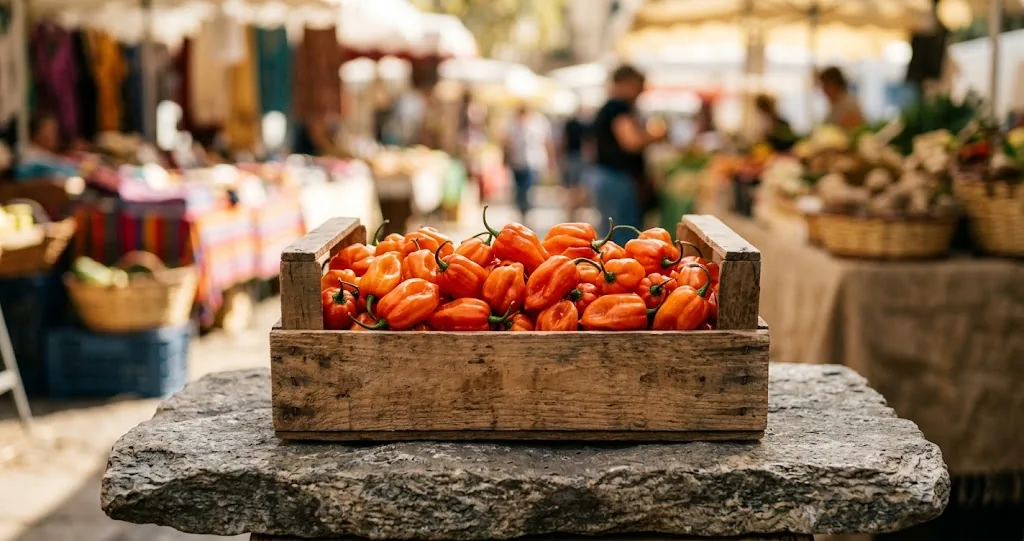
The best peppers for hot sauce are the ones that match the bottle you want to make: a thin, sharp pod for a Louisiana-style vinegar sauce, a fruity Caribbean pod for a tropical sauce, or a smoke-dried pod for depth. Heat matters, but wall thickness, sugar level, and aroma decide how good the finished sauce tastes. This guide sorts the peppers that show up again and again in good hot sauce, from everyday green pods to superhot varieties at the top of the Scoville scale, with heat ranges, flavor notes, and the sauces each one suits best.
For a wider tour of the whole pod family and how the pods differ by species, see our types of chili peppers guide.
What makes a chili pepper good for hot sauce
Three things separate a sauce-ready pepper from a pretty one.
- Heat and where it sits. Capsaicin lives mostly in the placenta, the pale pith that holds the seeds, so thicker-walled pods carry a slower, rounder burn than thin-walled pods. Thin-walled superhots hit hard and fast, which can overpower delicate aromatics like garlic, citrus, or fruit.
- Flavor under the heat. Fruity Caribbean pods, smoke-dried chipotles, grassy long red chiles, and earthy anchos each bring a different base note. The pepper should complement your aromatics, not fight them. Fruity Caribbean pods suit mango and pineapple because the fruit echoes the pepper’s own tropical notes.
- Wall thickness and moisture. Thick, juicy pods blend smooth and need less water added. Thin, leathery pods like Thai bird’s eye dehydrate fast and concentrate into a sharper sauce. For ferments, firmer walls hold up to weeks of brine without going mushy.
If you are just starting out, mix two peppers in a small test batch. A fruity pod and a smoky pod together cover more flavor ground than either alone.
Mild and medium peppers for everyday hot sauces
These are the workhorses. Most home cooks start here because they are easy to grow, cheap to buy, and forgiving in the kitchen. The heat ranges below are typical published figures, and any single pod can run higher or lower with variety, growing conditions, and ripeness, so treat them as ballparks.
Jalapeño peppers (2,500 to 8,000 SHU)
The classic green pod is the most familiar sauce pepper in North America. The thick walls blend smooth, the heat is bright and grassy, and a quick pickle or vinegar sauce tastes like the taqueria bottle on every table. Green pods give a fresh, vegetal note, while ripe reds are noticeably sweeter. Chipotles are smoke-dried ripe reds, and they anchor most adobo-style sauces. If you want one pepper that covers every beginner recipe, this is it.
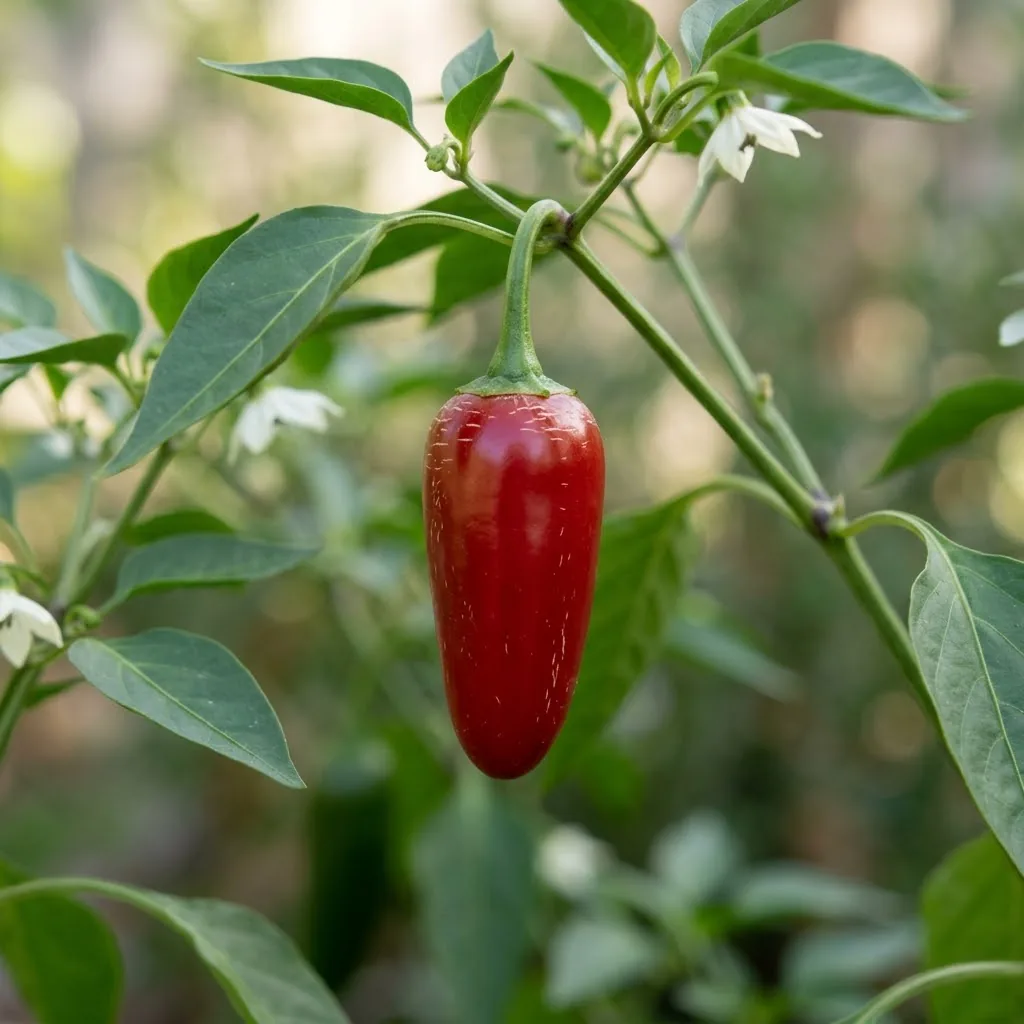
Serrano peppers (10,000 to 23,000 SHU)
Serranos look like slim green pods but run noticeably higher on the heat scale, with a cleaner, more direct burn. The walls are thinner, so this sauce feels sharper and brighter than a sauce made from thick-walled green pods. They are the classic Mexican table sauce pepper: blend with tomatillo, garlic, cilantro, and lime for a salsa verde with real bite.
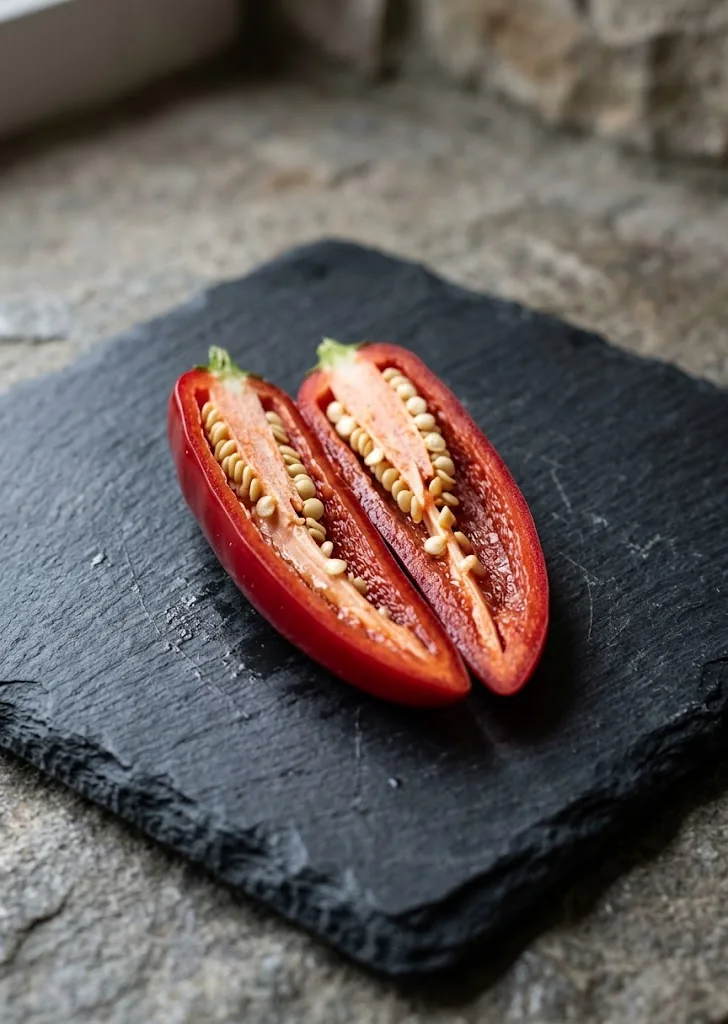
Cayenne pepper (30,000 to 50,000 SHU)
Long, thin, and built for drying, this chili pepper anchors most kitchen-cabinet hot sauces, and Louisiana-style vinegar sauces are usually built on it. The flavor is sharp, neutral, and a little earthy, so it carries vinegar and salt without adding its own agenda. This is the pepper for a thin, bright, everyday sauce you can splash on eggs, pizza, or soup.
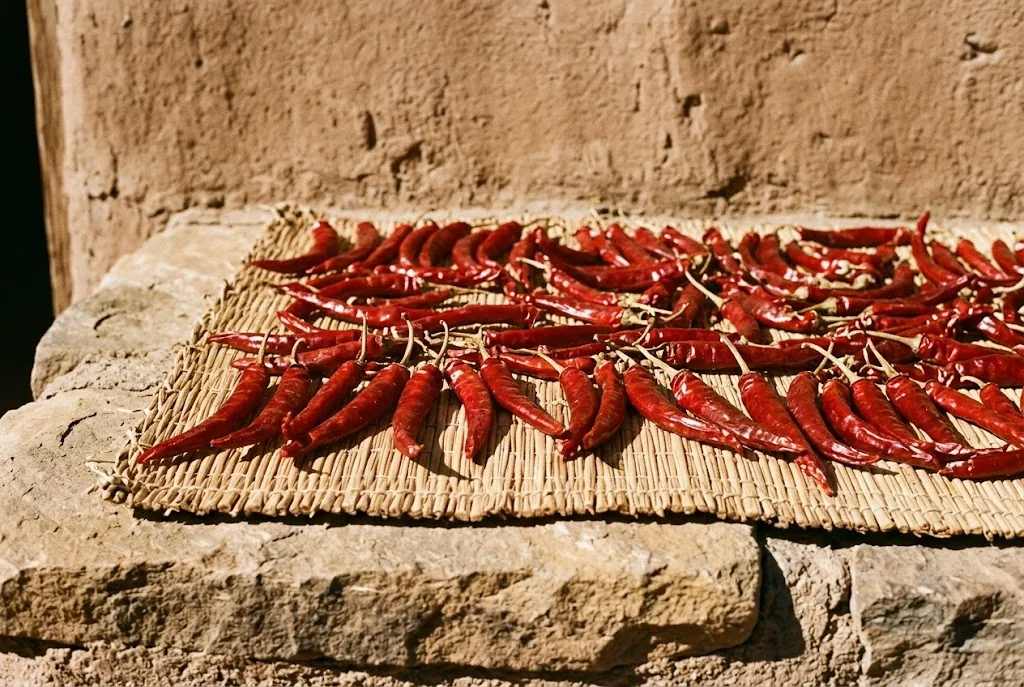
Fresno peppers (2,500 to 10,000 SHU)
Fresnos are slim, conical pods that ripen from green to fire-engine red. Their flavor is fruitier than a green pod, with a clean berry note when fully ripe. A Fresno sauce is the answer when you want a mild sauce that still looks dramatic on the plate. Fresnos also dehydrate well for a flake or powder.
Anaheim peppers (500 to 2,500 SHU)
Anaheims are long, mild, and slightly sweet, with a papery skin when roasted. Anaheim sauce on its own is mild enough for a child, but Anaheim also shines as a base pepper blended with a few higher-heat pods to lift the burn without changing the flavor. Hatch chiles, the New Mexico chiles grown in the Hatch Valley, are a popular stand-in. Anaheims trace back to New Mexican chile seed carried to California in the early 1900s, and Hatch pods often run higher in heat and earthier.
Hot peppers with bold fruit and smoke
These peppers bring real personality. Heat ranges from upper-medium to genuinely hot, and most are the kind of pods you blend in small amounts and taste as you go.
Thai bird’s eye chilies (50,000 to 100,000 SHU)
Thai bird’s eye chilies are small, slender, and very hot, with a sharp, almost herby flavor. They are the backbone of many Thai chili vinegars and Southeast Asian stir-fry sauces. The thin walls mean they dehydrate fast and rehydrate just as fast, so a quick-infused vinegar with sliced fresh pods makes a sharp table sauce in under an hour.
Habanero peppers (100,000 to 350,000 SHU)
Habaneros are the classic Caribbean hot sauce pepper. The fruity flavor (think apricot and papaya) is what makes them special, with a tropical sweetness under the heat. The burn comes on fast and fades clean, which is why these pods blend so well with mango, pineapple, citrus, and tomato. Scotch bonnet peppers are the closely related Caribbean cousin, with a slightly sweeter, more rounded fruit note. The Chile Pepper Institute at New Mexico State University lists orange types at 250,000 SHU, with chocolate and red savina types running higher. If you make one hot sauce recipe this summer, make it a simple habanero-lime-carrot ferment.
Tabasco peppers (30,000 to 50,000 SHU)
Tabasco peppers are small, tapered, and grow pointing up on the plant. They are a Capsicum frutescens landrace traced to Mexico, and they are the pepper behind the famous Louisiana sauce of the same name. The flavor is sharper and more acidic than most long red sauces, with a quick, bright burn. Mash fresh tabasco peppers with salt and let them ferment in their own juice for a homemade take on the original. The McIlhenny family has used the same pepper line since the 1860s, so this is one sauce with a long, well-documented history.
Chipotle peppers in adobo (smoked ripe pod, 2,500 to 8,000 SHU)
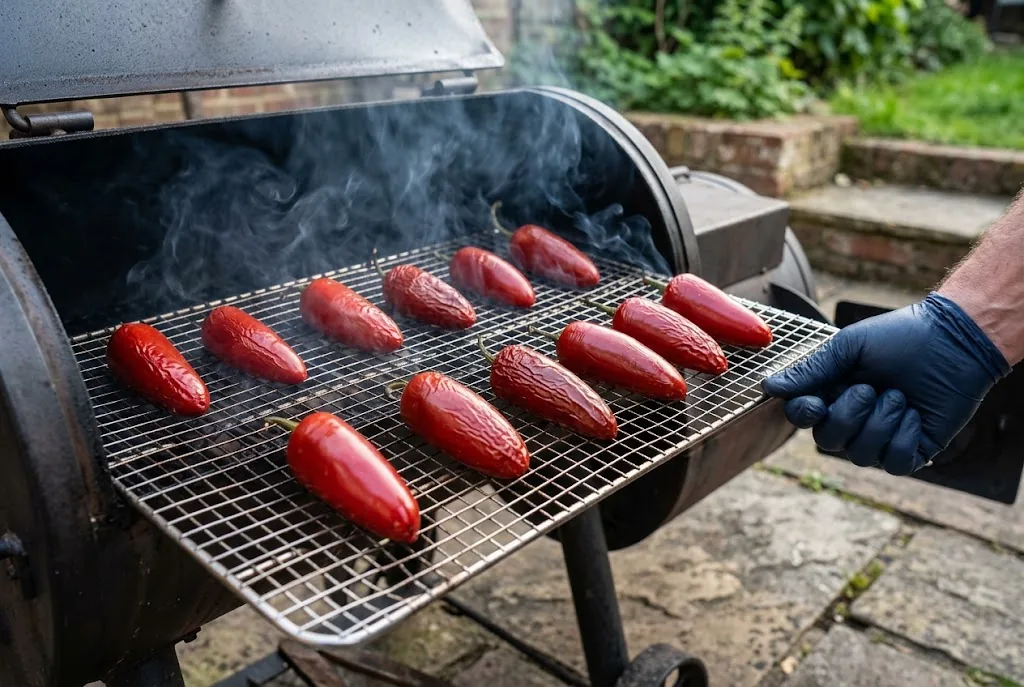
Chipotles are not a different plant. They are ripe reds that have been smoke-dried. The smoke replaces the grassy fresh flavor with a deep, almost sweet earthiness. A chipotle-adobo sauce is one of the most useful condiments in any kitchen: spoon it over beans, eggs, grilled meat, or use it as a base for chili. You can buy them canned in adobo or smoke your own red pods over low heat for several hours.
Superhot peppers for extreme sauces
Superhots are anything above roughly 1,000,000 SHU, a line the Chile Pepper Institute draws with the Bhut Jolokia and Trinidad Scorpion. These are not everyday sauce peppers. Use them when you want a small bottle of intense heat to drop into a recipe, not a sauce you splash on by the spoonful.
Ghost peppers (Bhut Jolokia, around 1,000,000 SHU)
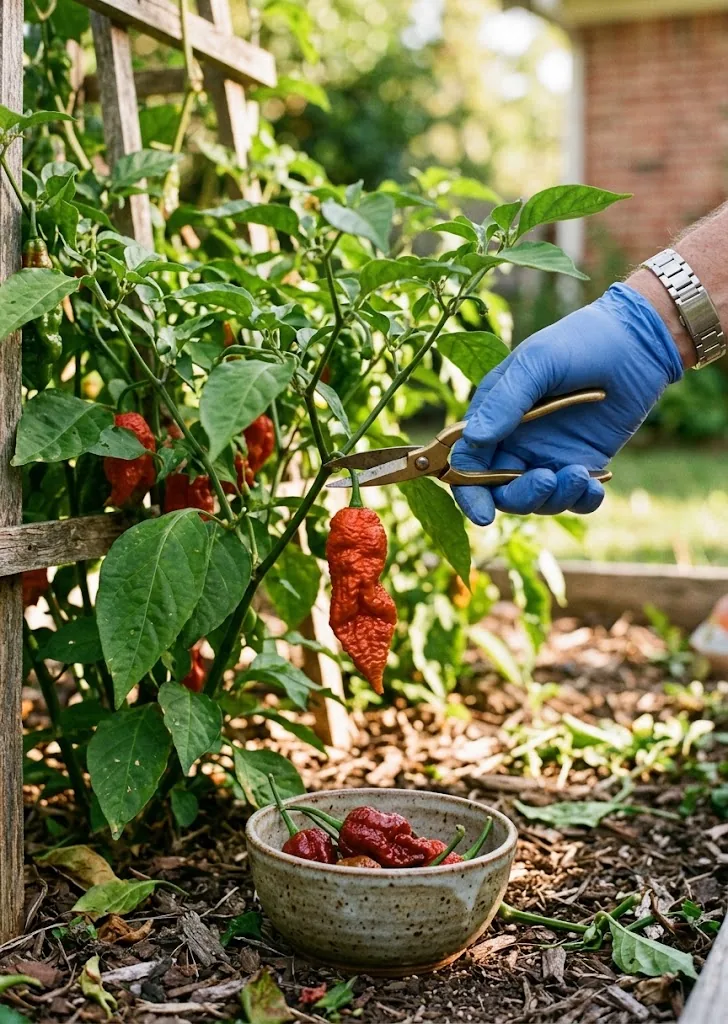
Ghost peppers were the first to pass the one-million SHU mark. The heat is intense but the flavor is surprisingly smoky and fruity. A small amount goes a long way in a sauce, so most makers blend just a few pods into a base of carrots, onion, vinegar, and a milder pepper. Always wear gloves and work in a ventilated space.
Carolina Reaper (around 1,600,000 SHU, with pods up to 2,200,000)
The Carolina Reaper held the Guinness World Record for hottest pepper until Pepper X was certified in 2023 at an average of about 2,693,000 SHU. It has a distinct fruity sweetness under the heat, almost like a strawberry jam note, which is why some craft hot sauce makers build sauces around a single pod for the flavor rather than just the burn. Always dilute aggressively. A quarter pod per bottle is plenty.
Trinidad Scorpion and 7 Pot peppers (1,200,000 to 1,500,000 SHU)
Trinidad Scorpion peppers come from Trinidad and Tobago and have a fruity, almost floral heat with a slow build. 7 Pot peppers are a related Caribbean family that takes its name from the claim that one pod can spice seven pots of stew. Both are popular for sauces that use a single superhot as the headline flavor. They are not interchangeable with each other, so taste before committing to a blend.
Choosing peppers by flavor, not just heat
If you only match heat ratings you will end up with thin, harsh sauces. Match the flavor profile instead.
- Fruity and bright: Caribbean pods, scotch bonnet, Thai bird’s eye. Pair with mango, pineapple, citrus, tomato.
- Smoky and earthy: chipotle, ancho, pasilla, guajillo. Pair with beans, grilled meat, mole-style sauces.
- Sharp and clean: cayenne-style chiles, tabasco, slim, thin-walled green pods. Pair with vinegar, salt, seafood.
- Sweet and approachable: green pods, Anaheim, Fresno, banana pepper. Pair with creamy bases, eggs, mild salsas.
- Extreme and complex: ghost pepper, Trinidad Scorpion, 7 Pot. Use sparingly as a flavor accent, not a base.
Fresh, dried, smoked, or fermented peppers
The form of the pepper changes the sauce more than the pepper varieties do. For each pod you can pick from a few different forms, and most cooks settle on a favorite pepper for each sauce they make.
- Fresh peppers give the brightest, greenest flavor and the most variable heat. Use them in quick blender sauces and refrigerated table sauces.
- Dried peppers (ancho, guajillo, pasilla, chipotle, long red chiles) concentrate sugar and deepen the flavor. Rehydrate in warm water for 20 minutes before blending. They are the foundation of most Mexican-style and craft hot sauces.
- Smoked peppers add a layer of char that no other technique can match. You can cold-smoke fresh peppers at home for a few hours, or buy chipotle and smoked paprika.
- Fermented peppers develop a tangy, almost cheesy depth over a few weeks in a salt brine. Pack the peppers tightly in a jar, weigh them under the brine, and let them sit at room temperature. The result is the flavor base of every great fermented hot sauce, including the original Tabasco.
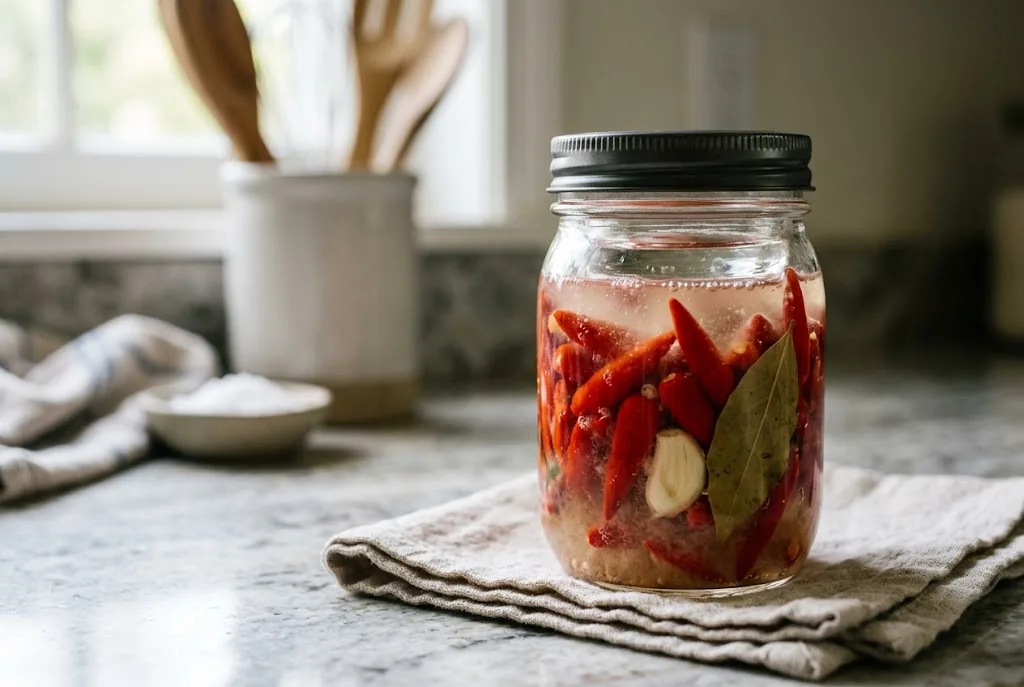
For a deeper dive into the fermentation method and a step-by-step brine recipe, see our guide to how to make hot sauce from fresh chilies.
How to pick peppers at the store or market
A good sauce pepper looks the same as a good eating pepper: smooth, unblemished skin, no soft spots or mold, fresh green stems, and a weight that feels right for the size. Avoid pods with wrinkled shoulders (they are drying out), split skins (overripe or damaged), or white fluffy patches near the stem (early mold).
Buy a mix of ripeness stages. A sauce made only from green pods will be sharp and grassy. A sauce made only from red ripe pods will be sweeter. A 60/40 or 70/30 mix gives a more layered sauce. If you can, ask the seller what variety they actually have. Market peppers labeled “hot chilies” can be anything from a slim green to a Thai bird’s eye, and the heat and flavor vary a lot.
Building a hot sauce garden for year-round sauce
If you want a steady supply, plant two or three peppers in different heat ranges so you always have a base pepper and a heat pepper to mix. A small garden that pairs a sweet, thick-walled variety with a thinner, more intense pod will cover most recipes.
- Mild base: Anaheim, banana, or poblano (great for dried ancho later).
- Medium workhorse: green pod or Fresno (heavy yield, easy to dry or pickle).
- Hot accent: cayenne-style chiles, tabasco, or Thai bird’s eye (dries well, stores for months).
- Specialty: one Caribbean pod plant for fruity hot sauces.
Most of these peppers start well from seed indoors eight weeks before your last frost. Plant one mild and one hot variety so you always have a base pepper and an accent pepper to blend.
Safe handling for hot peppers
High-heat peppers mean more capsaicin on your skin, in the air, and on every surface you touch. Wear disposable gloves when cutting hot pods, work in a ventilated room when blending superhots, and never touch your face mid-prep. Wash your hands, knives, and boards with dish soap afterward, since capsaicin is an oil that plain water does not lift well. If juice or fumes get in your eyes, the Vision Center advises flushing with lukewarm water or saline for 15 to 20 minutes without rubbing, and seeing a doctor if pain lasts beyond that or your vision blurs. People with respiratory conditions should stay out of the kitchen when superhot peppers are being blended.
Frequently asked questions
What is the best pepper for a first-time hot sauce?
A jalapeño. It is widely available, the heat is mild enough to learn from, and a simple green-garlic-vinegar sauce takes under 20 minutes. Once you have a recipe you like, swap in a serrano, a Fresno, or a long red to push the heat without changing the method.
Can I mix different peppers in one sauce?
Yes, and you should. A base pepper (mild, thick-walled) plus a heat pepper (thin-walled, sharp) is the standard craft hot sauce formula. The base carries the body and aromatics, the heat pepper carries the burn. Many craft sauces blend three or four varieties for a more layered flavor than any single pepper can deliver.
Are fresh peppers hotter than dried peppers?
Drying does not destroy capsaicin, but it removes water, so a dried pod packs more heat per gram than a fresh one. Heat per pod still depends mostly on the variety, so a dried mild pepper will not suddenly out-burn a fresh hot one. When you swap dried for fresh in a recipe, start with less than you think you need and taste as you go.
Do I need to ferment hot sauce?
No. Quick blender hot sauce with vinegar and salt is perfectly good and keeps for months in the fridge. Fermentation adds tangy depth and natural preservation but takes a few weeks and a clean brine setup. The American Homebrewers Association recommends a 3 to 5 percent salt brine for chile peppers. Most home cooks make a quick blender sauce for everyday use and ferment one batch a year for variety.
What is the hottest pepper I should reasonably use in a sauce?
For most home kitchens, a Caribbean pod like habanero or scotch bonnet is the practical upper limit. Superhots are intensely hot and the flavor is easy to lose behind the burn. If you do use superhots, treat them as a flavor accent and dilute heavily. Always wear gloves and ventilate the room.
Where to go next
Start with a jalapeño and one Caribbean pod, blend them in a small test batch, and taste the result before you change anything. Hot sauce is a forgiving place to learn what your palate actually wants from a pepper.
