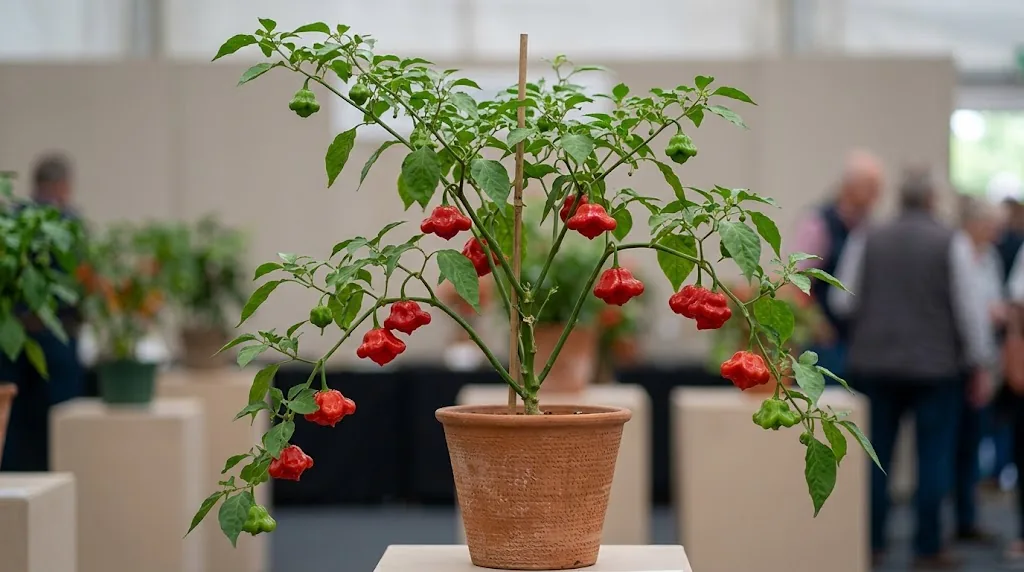
A Brazilian Starfish pepper looks as though someone folded a small red pod into a skirt. Its squat, ruffled shape is striking, but the appeal is practical too: this variety is described as fruity and sweet, with a warm heat that can suit fresh salsas, pickles, and sauces. Here is what is known about it, how to grow it, and when to pick the pods.
It belongs to the broad family of cultivated Capsicum types, each with a different shape, flavor, and heat profile. For a wider comparison, see our guide to choosing among chili pepper varieties.
Origin and identity
The variety is sold as Capsicum baccatum, a species often called ají or Peruvian hot pepper. Research places the species’ likely center of origin in Bolivia and southern Peru, as summarized in a peer-reviewed study of its genetic diversity. That species-level history is clearer than the named variety’s story. One seed catalog says it was domesticated in Brazil, but a detailed record of who selected it or when has not been established in the sources available for this profile.
The name evokes the fruit’s outline. It is squat and broad, with ridges or lobes that flare around the lower half. Baker Creek describes fruit about 2 inches across, green before ripening to bright red. The Chicago Botanic Garden plant profile also notes the unusually squat, habanero-like form.
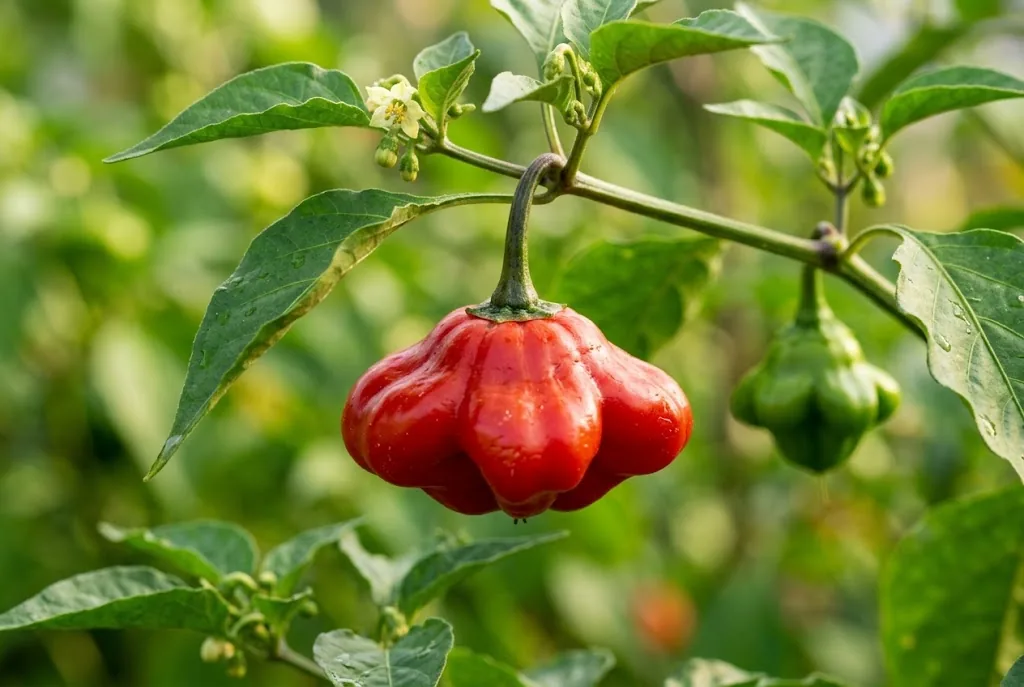
The garden labels the plant Capsicum baccatum ‘Brazilian Starfish.’ Baker Creek markets its seed line as an heirloom, but neither source gives a named breeder or a dated origin story. When buying hot pepper seeds, check that the packet names the variety and C. baccatum, then compare the seller’s description with the squat, ruffled red fruit you want to grow.
Heat and flavor
The heat level varies from fruit to fruit. Baker Creek’s variety listing gives a Scoville rating of 10,000 to 30,000 Scoville heat units (SHU), while its description says the fruit can vary and may sometimes feel hotter than a jalapeño. Treat that as a grower-facing estimate, not a laboratory guarantee for every pepper. A small taste from the tip can help you judge it before using more.
The same seed catalog describes juicy fruit with a sweet, complex, floral, and fruity flavor. That makes a ripe pepper useful where you want aroma as well as heat. Taste one first, then adjust the amount to the batch; the flavor can be lively even when the heat is medium rather than overwhelming.
Growing the pepper
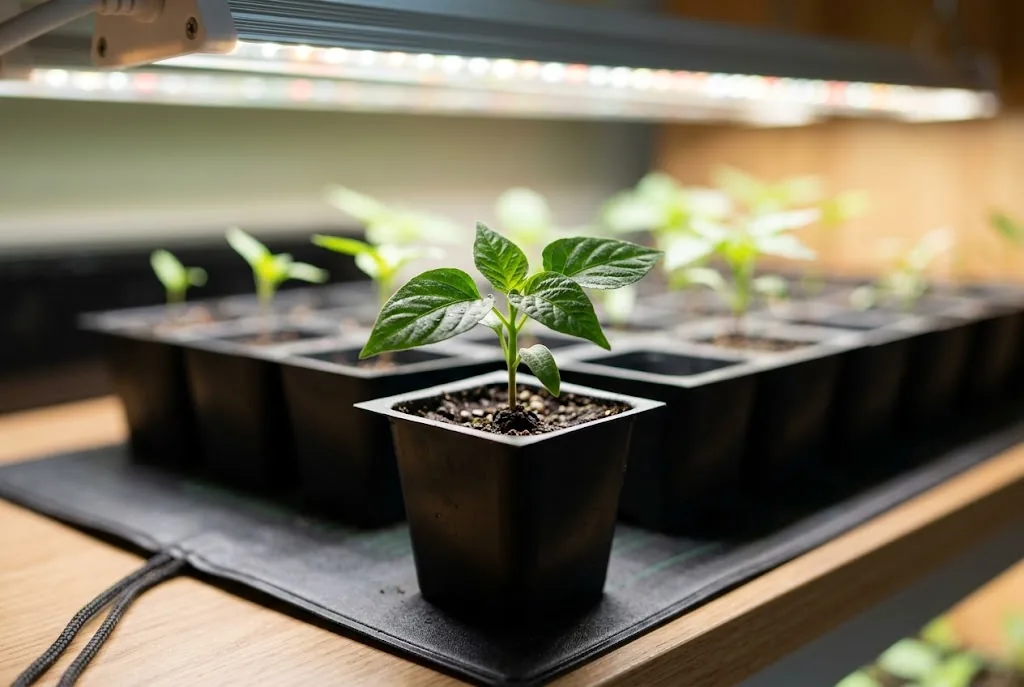
Give this long-season plant a warm start. Baker Creek recommends starting seeds indoors 8 to 12 weeks before the last expected frost. Sow them about one-fourth inch deep in a seed-starting mix and aim for 80 to 85°F for germination. The catalog reports sprouts in 10 to 14 days, but seed age and warmth affect timing. The University of Minnesota Extension pepper guide also recommends warm seed-starting conditions and bright light. Keep the mix evenly moist, not waterlogged, and move seedlings under bright light once they emerge. These variety-specific growing tips help give the plant enough time to flower and set pods before cool weather returns.
Wait until frost danger has passed before transplanting. Set each seedling at the same soil depth it had in its pot, water it in, and leave room for air to move around the foliage. Baker Creek lists 14 to 18 inches between plants and says the variety can reach about 5 feet with a loose, vine-like habit. A sturdy stake or cage can help support branches as fruit develops. For another South American pepper with striped fruit, compare the striped Sugar Rush pepper.
Choose a sunny bed or a large container with drainage holes and fertile, well-draining soil or potting mix. Baker Creek recommends full sun for 8 to 12 hours a day. In a pot, check the soil more often because containers dry faster than garden beds. Water deeply when the surface begins to dry, then let excess drain away. Consistent soil moisture supports fruit quality, while saturated roots can struggle; Minnesota Extension recommends steady moisture and cautions against shallow, frequent sprinkling.
Feed according to a soil test and the fertilizer label rather than switching to a high-phosphorus “bloom” product when flowers appear. Minnesota Extension notes that excess nitrogen can make pepper plants leafy and slow them to bear. If flower buds form while seedlings are still indoors, the same guide recommends pinching them off until just before transplanting.
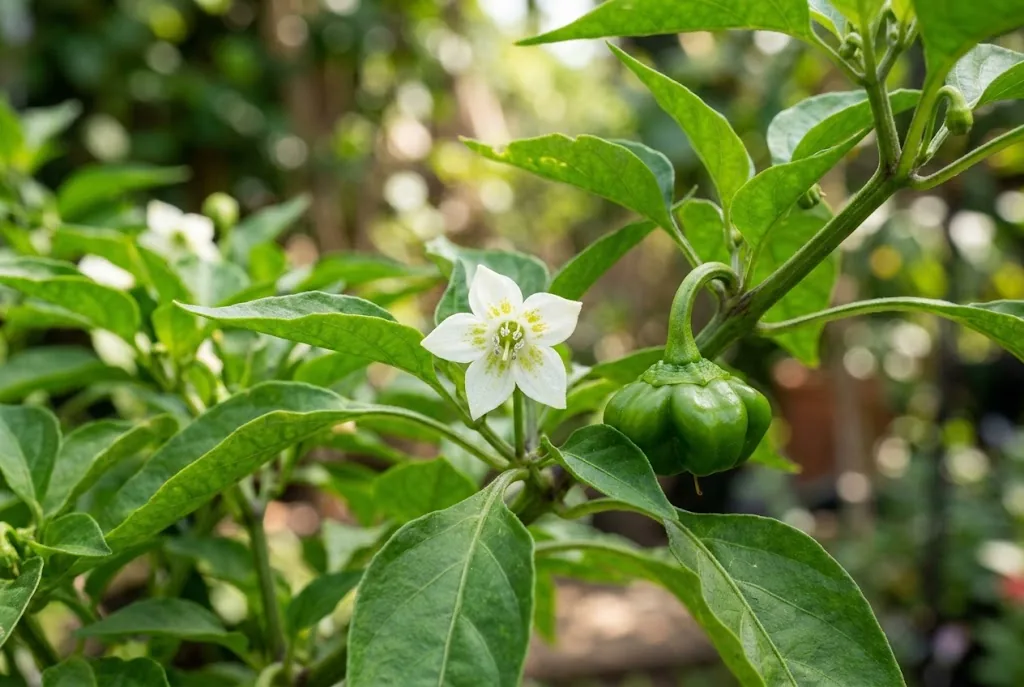
Baker Creek lists 90 to 100 days to maturity for its seed line, counted from transplanting. Use that figure as an estimate rather than a deadline. Cool nights, low light, container size, and local growing conditions can slow a plant. The Chicago Botanic Garden likewise notes that this species needs a long growing season before it starts producing, so an early indoor start matters in short-summer regions.
When to harvest
Pods develop green and turn red as they ripen. You can harvest peppers at mature green or wait for red, as Minnesota Extension explains for peppers generally. For this variety, Baker Creek describes the mature red fruit as juicy and sweet. Use clean snips rather than pulling hard on a branch, especially if the plant is carrying several fruits. Frequent picking can encourage a plant to continue flowering and setting fruit.
Wear food-safe gloves if you are sensitive to pepper oils, and avoid touching your eyes while handling cut fruit. Wash hands, tools, and work surfaces after preparation. Taste a thin piece before adding a whole pepper to a dish because heat can differ from one fruit to another.
How to use and preserve the pods
Fresh red fruit works well minced into salsa, sliced into salads, or chopped into a quick pan sauce. Its ruffled shape also makes a small whole pepper an eye-catching garnish. For a first taste, add a little at a time to fruit salsa, beans, grilled vegetables, or a vinegar-based refrigerator pickle. The flavor is distinctive enough that a simple preparation lets it come through.
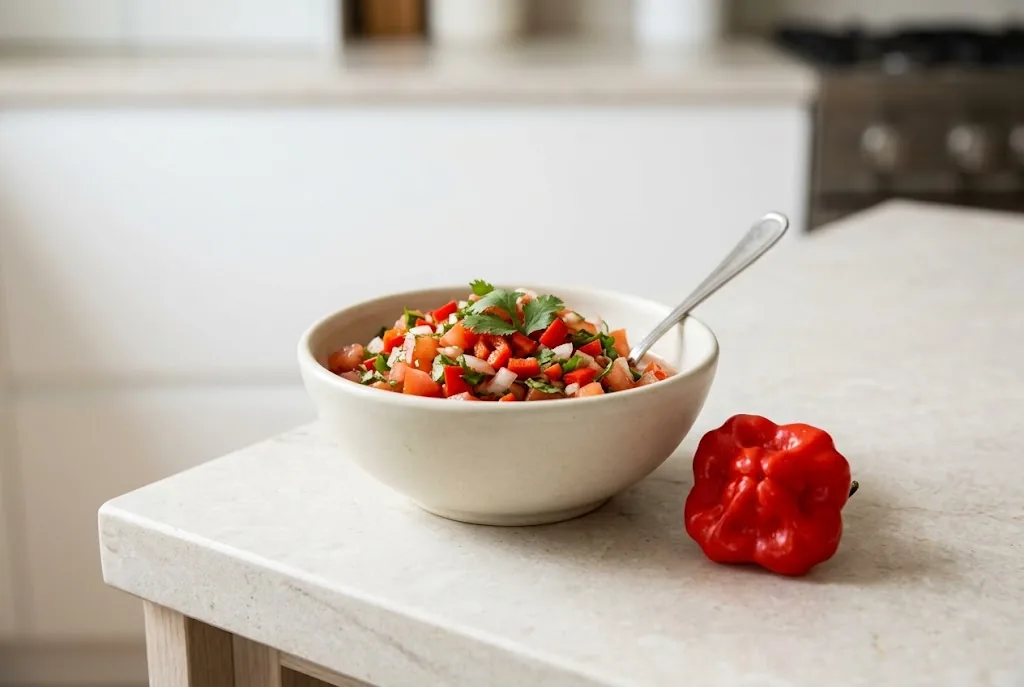
For a short hold, refrigerate firm, uncut pods and use them within about a week for best quality. For longer keeping, freeze washed whole pods or dry them in an oven or dehydrator using a tested pepper-drying method. Colorado State University Extension’s pepper storage guidance covers freezing hot peppers. Its pepper-drying instructions recommend drying prepared peppers at 140°F until they are tough to brittle, then conditioning and storing them in moisture-proof packaging. Keep homemade refrigerator pickles cold. For shelf-stable canning, follow a tested recipe exactly rather than changing the pepper amount, acid, or processing time.
If you enjoy comparing pepper shapes, our profile of long, narrow cayenne peppers covers a very different plant and fruit style.
Is this variety worth growing?
Choose it if you want a warm-season pepper that pairs bright color and a ruffled silhouette with a sweet, floral flavor. It needs an early start, sun, drainage, and support as it grows, but the harvest offers useful kitchen options once the fruit begins to ripen. Label seedlings clearly and taste each harvest in small amounts so you learn how the heat behaves in your own garden.
