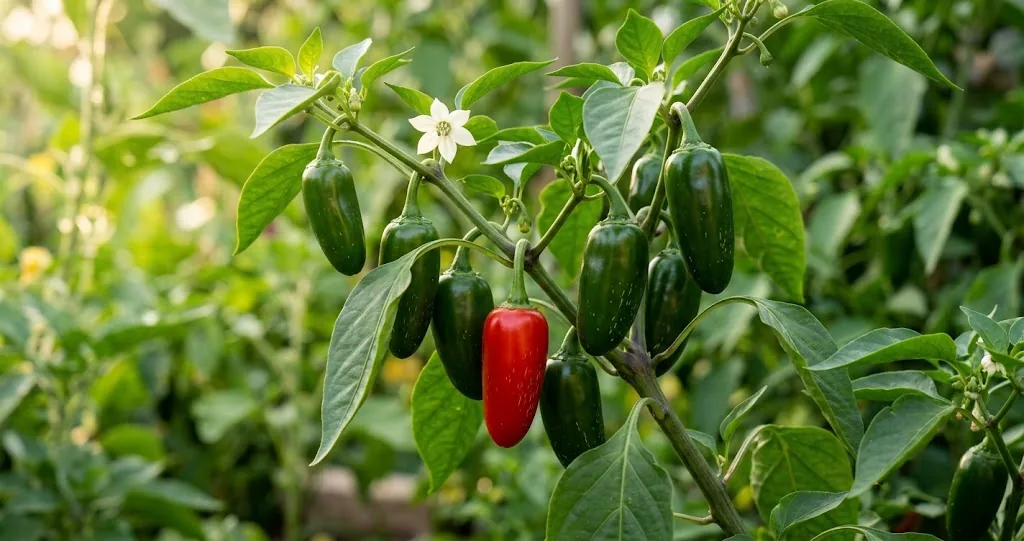
The recipe calls for a jalapeño and the crisper drawer is empty. Or it wants a dried ancho and the only thing in the cupboard is a jar of cayenne. Most chili pepper swaps work when you match three things: the form (fresh, dried or ground), the heat, and the flavor. This guide gives you a stand-in for the pepper you are missing, plus a plan for when the kitchen has no peppers at all.
How a swap works
Match form first, heat second and flavor third. Form decides how much to use and when to add it. Heat decides whether the dish still suits the people eating it. Flavor is the hardest to copy, because a smoky pepper and a fruity one can share the same SHU rating and still change a dish completely. If two of the three line up, the swap usually goes unnoticed.
Fresh, dried or ground: pick the form first
Fresh peppers bring moisture and a green, sometimes fruity taste. Dried peppers are concentrated and lean smoky or raisin-like. Ground pepper has no moisture at all and spreads through a dish fast. A working rule by weight, from a pepper conversion chart, is that 4 ounces of fresh peppers equal 1 ounce of dried peppers, which equal about 3 tablespoons of ground pepper. That rule suits a whole batch. For a single pepper, start with a small pinch of ground pepper and taste before adding more.
Substitutes by pepper
Start from the pepper the dish names. The figures below are in Scoville units (SHU) and come from PepperScale, checked in September 2026. Treat each range as a guide, since individual peppers vary.
Jalapeño stand-ins
A jalapeño runs about 2,500 to 8,000 SHU. The closest stand-in is a Fresno pepper, which looks almost identical and reaches about 10,000 SHU, according to PepperScale’s Fresno guide. A drained, chopped pickled jalapeño works wherever a little vinegar suits the dish, such as nachos and marinades. When you want less fire, banana peppers keep the green, vegetal flavor.
Serrano stand-ins
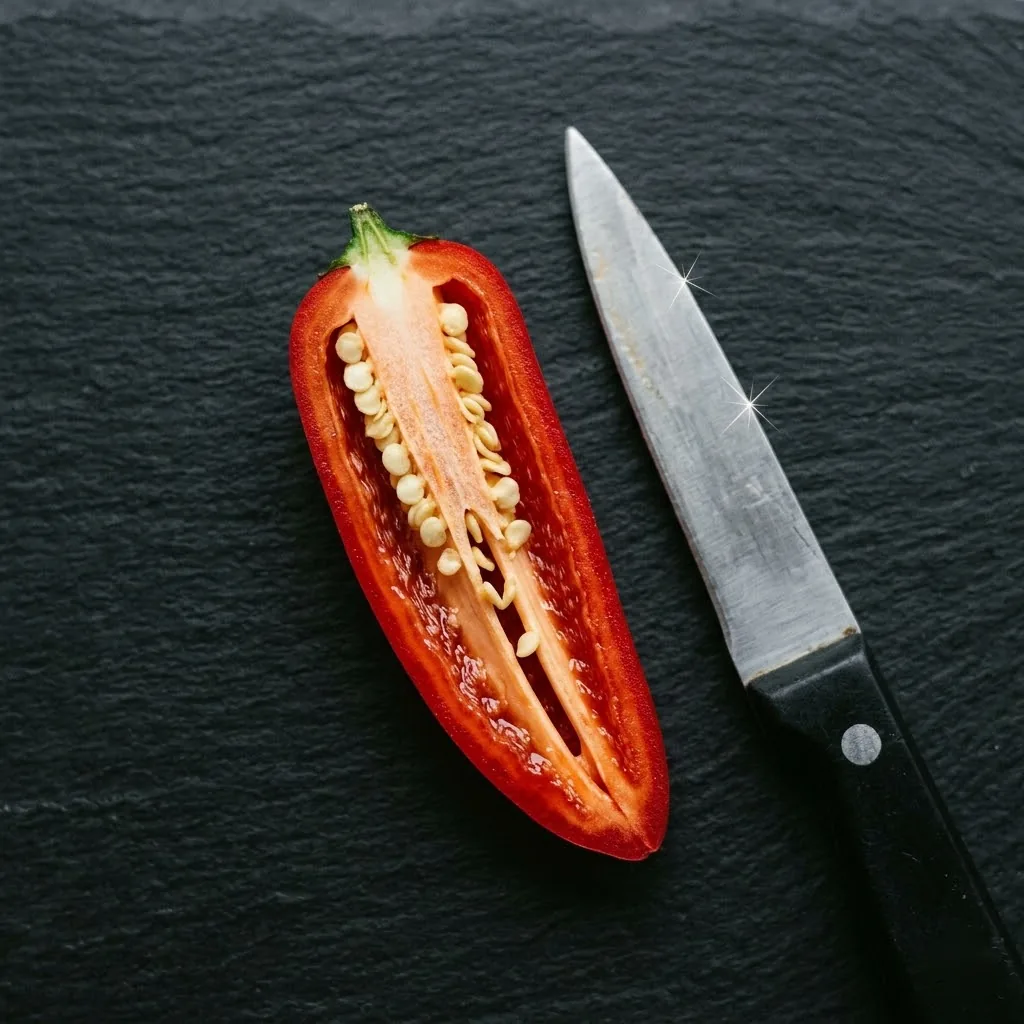
A serrano runs about 10,000 to 23,000 SHU, so it is clearly hotter than a jalapeño. If you only have jalapeños, leave the seeds and ribs in and add a pinch of cayenne. If you have a serrano and the dish wants a jalapeño, use less of it, slice it thin and taste as you go.
Cayenne stand-ins
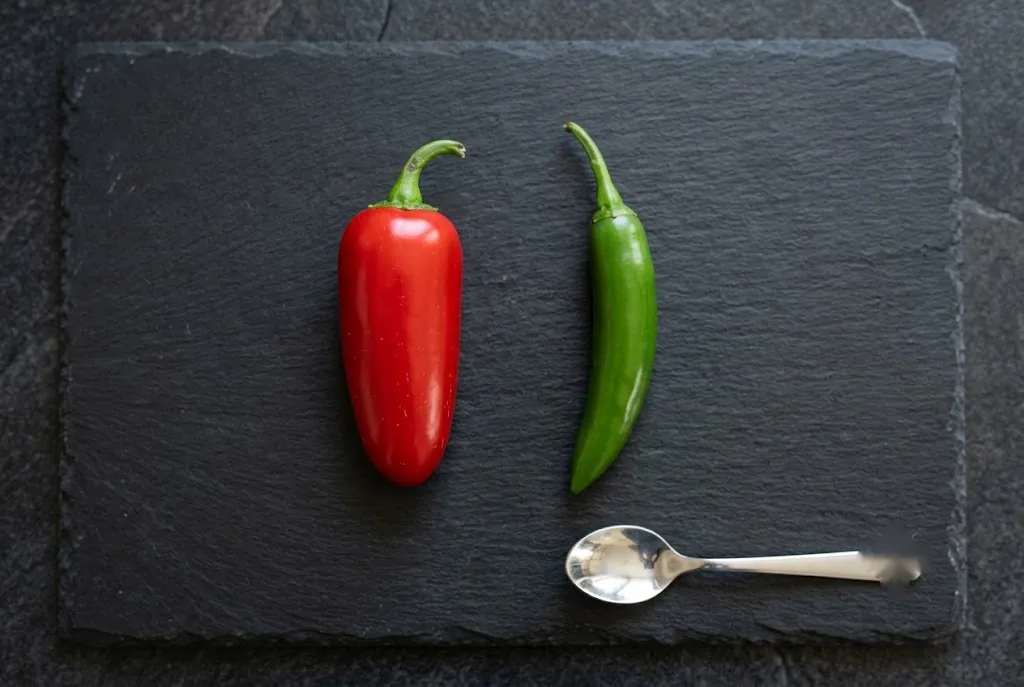
Cayenne runs about 30,000 to 50,000 SHU, and most kitchens keep it ground. For ground cayenne, hot paprika is the closest thing on the shelf, and crushed red pepper works in any cooked dish. For fresh cayenne, PepperScale suggests a Thai pepper (50,000 to 100,000 SHU) as a step up and a serrano as a step down.
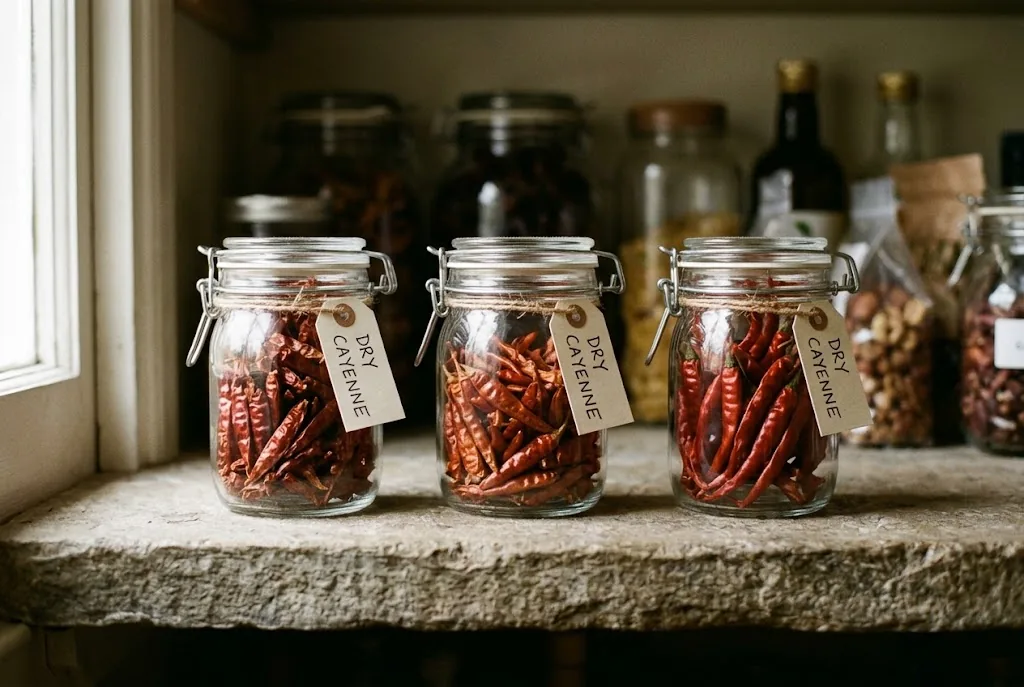
Our guide to cayenne peppers shows how their flavor and strength change from fresh to dried to ground.
Habanero and Scotch bonnet stand-ins
Both measure about 100,000 to 350,000 SHU and taste fruity, so they swap one for one in jerk marinades, stews and hot sauces. If you have neither, use a Thai pepper as the nearest step down, add a little more of it than the recipe asks for, and taste.
Chipotle stand-ins
Chipotles are smoked, dried jalapeños, so they sit in the same 2,500 to 8,000 SHU range, per PepperScale. Smoked paprika copies the smoke but has almost no burn, so add a pinch of cayenne when you need both smoke and fire. A toasted dried ancho brings smoky-sweet depth and is far milder, which suits sauces and stews.
Ancho, guajillo and pasilla stand-ins
These three dried Mexican peppers are close enough to swap in many dishes. Ancho is a dried poblano at about 1,000 to 1,500 SHU, with a sweet, earthy taste and notes of raisin and coffee. Guajillo runs 2,500 to 5,000 SHU and adds a brighter, tangier edge, with hints of cranberry and tea, according to PepperScale. Pasilla is the dried chilaca, deeper and more earthy. Swap ancho for guajillo and the dish turns sweeter and milder. Swap guajillo for ancho and it turns tangier and hotter.
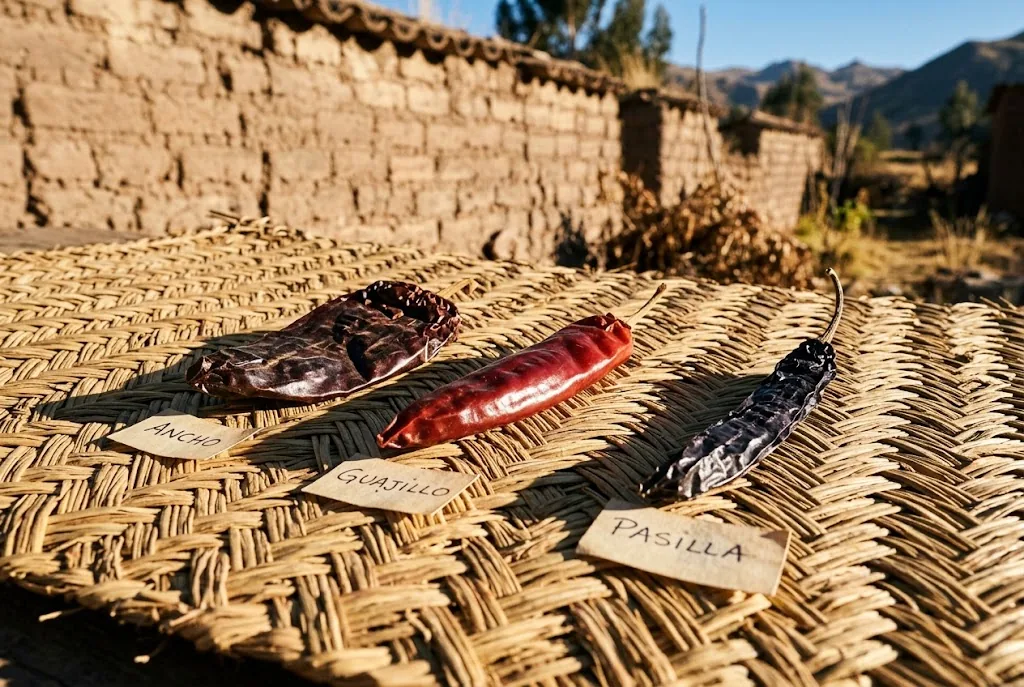
For more on the dried pods you do have, see our guide to types of dried chilies.
When you have no peppers at all
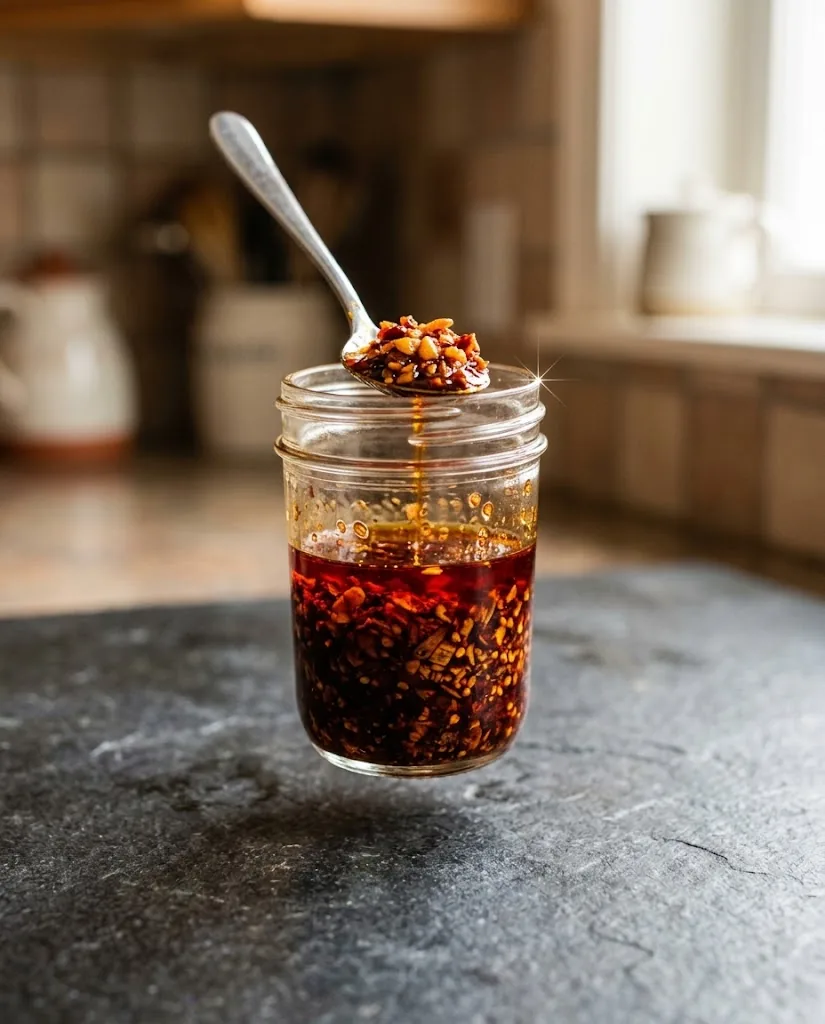
The pantry can still save the dish. Sambal or a crunchy pepper oil brings fire, oil and salt together, so it works as a topping or stirred into a stir-fry near the end. Hot sauce is vinegar-forward, so add it at the end instead of cooking it down. Red pepper flakes go into almost any cooked dish. Chili powder is a blend that usually includes cumin, garlic and oregano, so it adds depth as well as warmth, and it suits beans, stews and taco meat.
With nothing hot in the house, a little black pepper plus smoked paprika gives a mild warmth to soups and braises. A teaspoon of curry powder suits lentils and rice.
Quick answers to common swaps
Can I use chili powder instead of fresh peppers? Only in cooked dishes. It is a seasoning blend, so the dish will taste different, and you lose the fresh crunch.
What can replace chili seasoning? Mix ground cumin, garlic powder, oregano, smoked paprika and a pinch of cayenne.
What replaces a Fresno pepper? A jalapeño is the best match. For more smoke, use a little chipotle, and start with half the amount.
What replaces green chiles? Roasted, chopped mild peppers such as poblano or banana peppers.
Adjusting strength, flavor and color
Change one thing at a time. The burn builds as a dish cooks, so add less than you think, taste, then add more. Flavor is the part you cannot fix later: if the dish needs smoke, use something smoky instead of simply adding more fire. Color matters in pale sauces, where a stand-in of the wrong shade can turn the sauce muddy.
Once your stand-in is in the pan, our overview of cooking with chili shows how peppers behave in quick sautés and slow braises.
A few rules of thumb
- Match the form before you match the variety.
- Match the strength before you match the flavor, because a dish that turns out too hot or too mild is the first thing people notice.
- If the dish wants a mild dried pepper and you only have a hot one, use less and add it early.
- If the dish wants a fresh pepper and you only have hot sauce, add it at the end.
