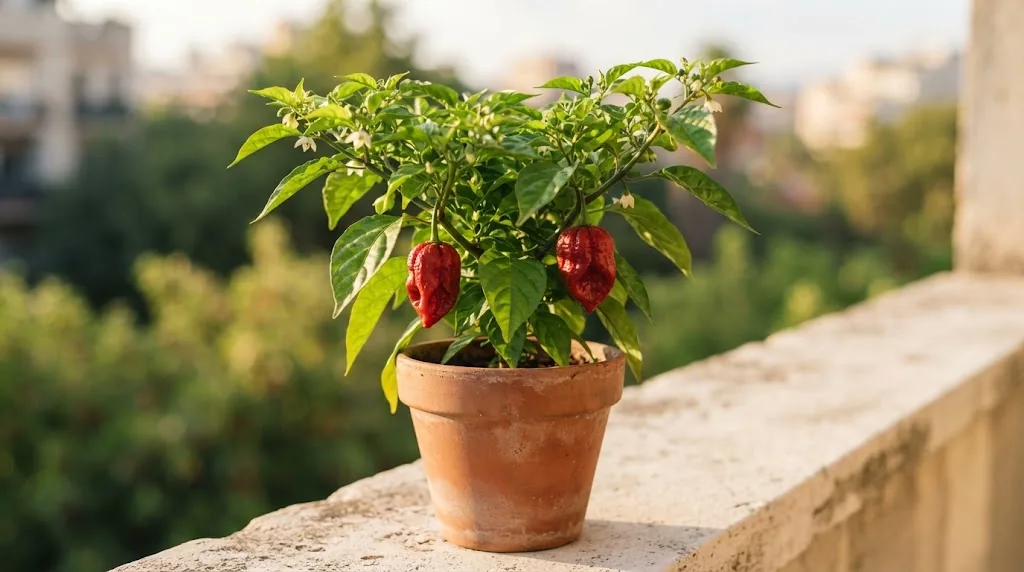
Red Savina Habanero pepper is a red-fruited cultivar prized for intense heat and a distinctive flavor. It became famous as a former Guinness record holder, but its reputation can make its heat sound more precise than it is: the celebrated 577,000 Scoville Heat Units (SHU) reading was never officially verified, and New Mexico State University’s Chile Pepper Institute lists the variety at 500,000 units. For a home gardener or cook, expect a very hot chile whose exact pungency varies, not a guaranteed number.
This guide covers the cultivar’s history, pod traits, heat, growing timeline, safe handling, storage, and ways to use its bright flavor.
What makes this cultivar distinctive?
It is a named cultivar of Capsicum chinense, a species that includes many of the world’s hottest peppers. USDA records list the named pepper under PVP application 9200255. The cultivar is known for fruit that ripens from green to a saturated red, with a lantern-like shape and a fiery flavor. Baker Creek says the breeder selected it for larger, heavier pods than traditional habaneros. Renee’s Garden describes the pods as Chinese lantern-shaped and fruity; Pepper Joe’s lists mature fruit at about 2 inches long. Renee’s Garden lists mature plants at about 3 to 3 1/2 feet.
It is distinct from an ordinary red-fruited pepper sold without a cultivar name. USDA lists Red Savina as a named cultivar, not a catch-all label for any red habanero. In casual gardening talk, “breed” is a loose shorthand; cultivar is the more precise category here. Seed sellers do not describe their stock the same way: Renee’s Garden labels its listing an F1 hybrid, while Baker Creek calls its listing an heirloom. A 2002 North American cultivar list records Red Savina as open-pollinated, with about 100 days to harvest. These are different descriptions of particular seed listings, so check the exact packet and ask the seller if seed type matters to you. When buying Red Savina pepper seeds, choose a seller that names the cultivar and lists Capsicum chinense; color and shape alone cannot confirm a plant’s identity. For a broader comparison of pepper types and their shapes, see our guide to chili pepper varieties.
Cultivar history and former heat record
Seed catalogs identify its developer as Frank Garcia of GNS Spices in California. USDA records show a plant-variety application dated August 26, 1992, and list its certificate as no longer active after 2011. That record supports the cultivar’s identity; detailed accounts of exactly how it was selected are less consistent, so the safest description is that he developed and selected the variety.
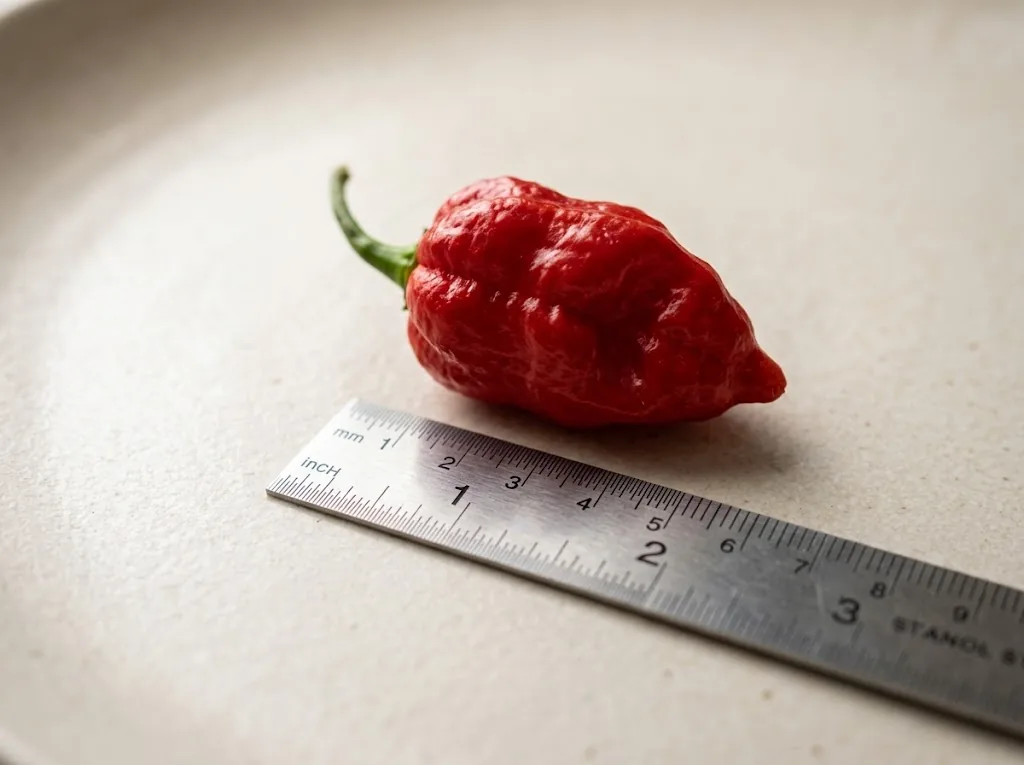
In 1994, the cultivar became famous after a reading of 577,000 units earned it a Guinness record. Chile pepper authors Dave DeWitt and Paul Bosland note that this often-quoted figure was never officially verified, and New Mexico State University’s Chile Pepper Institute lists the variety at 500,000 units on its heat page. That gap helps explain why sources quote different heat numbers. Growing conditions, the fruit sampled, and the assay method can all differ, so treat a catalog range or a historic record as a reference rather than a promise about every pepper.
The former hottest pepper record belongs to history, not the current title. Guinness World Records named Pepper X the world’s hottest chile in 2023, with an average of 2,693,000 units. Red Savina was once the world’s hottest, but it now sits far below the true superhots.
How hot is this pepper?
It is very hot, by most pepper standards. Published figures vary: the frequently cited 577,000 units was a single celebrated reading that was never officially verified, while New Mexico State University lists the variety at 500,000 units. Commercial seed listings commonly give ranges around 250,000 to 500,000 units. That uncertainty matters when judging the heat level: no single number describes every pod.
Flavor is part of the appeal. Seed growers describe a fruit-forward, peppery taste behind the heat, which can stand up to acidic fruit, tomatoes, and rich foods. Start with a small amount when cooking, then adjust. A small piece can season a whole dish, especially when blended into a salsa.
Growing the cultivar
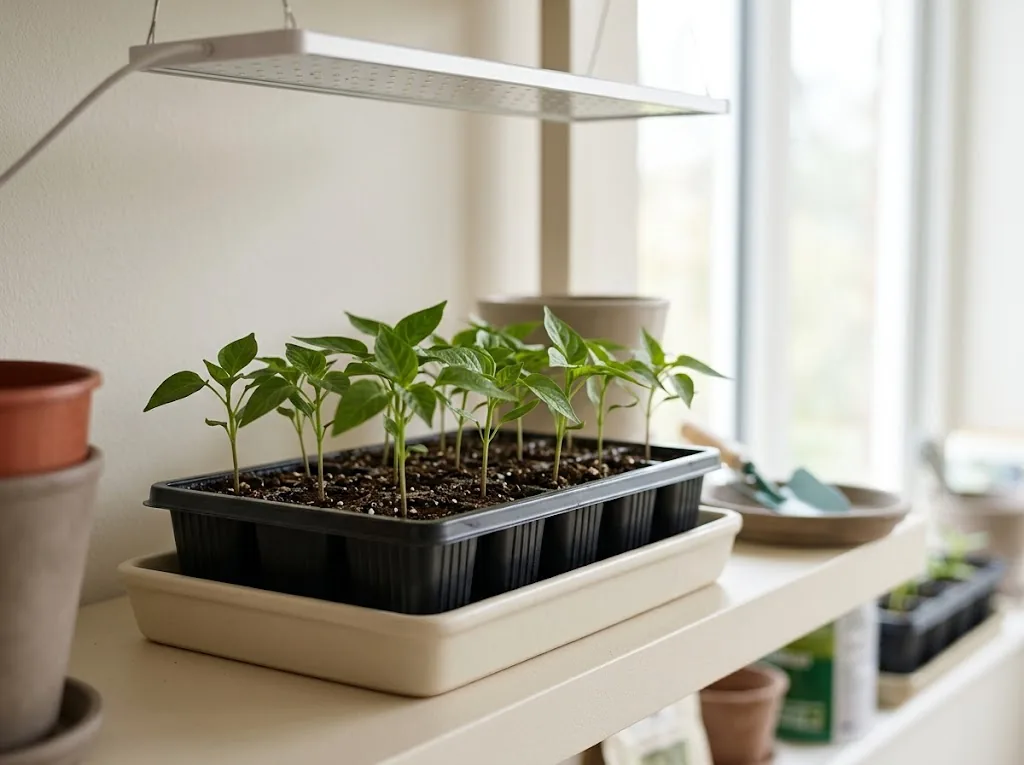
This cultivar needs a long, warm growing season. Start seeds indoors roughly 8 to 12 weeks before the last expected frost. For this variety, Renee’s Garden recommends warm seed-starting mix around 80 to 85°F; keep it evenly moist, not waterlogged, and provide strong light once seedlings emerge. Germination is not a fixed countdown. One seller lists 10 to 21 days, while another lists 7 to 10, so allow longer if conditions are cooler or seed is slow.
Harden seedlings gradually and transplant only after frost risk has passed and nights are reliably warm. Seed sellers recommend spacing plants about 14 to 24 inches apart; the exact distance varies by seller and bed layout. Capsicum chinense types can take about 90 to 120 days from transplant to ripen, according to University of Maryland Extension. One seed seller gives a similar estimate of about 90 days, while Baker Creek lists 90 to 100 days. These are seller-specific estimates, not a guaranteed harvest date; cool weather, light, and the plant’s growing conditions affect timing.
Choose a sunny site with rich, well-drained soil, or use a container with drainage. Keep soil moisture steady through flowering and fruit growth. Do not follow a rigid watering calendar: check the soil and water when the root zone begins to dry. Support branches if they become heavy with fruit, and follow the fertilizer label or a soil test instead of increasing feeding by guesswork. If you want a much milder pepper to grow alongside it, see our Lemon Spice Jalapeño cultivar guide.
Harvest timing depends on the use. Green pods are edible, but leave fruit on the plant to ripen fully red when you want the variety’s mature color and flavor. Cut each pepper with clean snips rather than pulling, which can break brittle branches. If frost threatens, pick ripe fruit before the plant is damaged.
Harvesting and handling safely
Wear gloves when harvesting or cutting the peppers, and avoid touching your eyes or face. This hot pepper deserves careful handling even in small quantities. Wash hands and tools with soap and water after working, even if you wore gloves. For a large amount of dried or ground pepper, avoid breathing dust and work in a ventilated area.
If pepper oils get into an eye, rinse with plenty of clean water for 15 minutes. Contact Poison Control or a medical professional if pain or irritation continues. Do not rub the eye. Seek urgent care for severe symptoms or vision changes. See Poison Control’s capsaicin guidance for first-aid details. These are practical precautions for handling hot peppers, not a claim that this variety causes a medical condition.
Storing, drying, and preserving the harvest
Keep fresh peppers refrigerated and use them while they remain firm and sound. The UC Master Food Preserver guide says hot peppers can be washed, stemmed, and frozen without blanching. For a longer supply, freeze whole or chopped fruit in a sealed freezer container. Label the package and use a small portion at a time, since frozen peppers soften after thawing and work best in cooked dishes, sauces, and soups.
To dry peppers, use a food dehydrator or another tested drying method until the pieces are brittle or crisp, then cool them completely. Pack them in clean, dry, moisture-resistant containers and store them in a cool, dry, dark place. The National Center for Home Food Preservation recommends checking dried foods for moisture during storage and discarding anything that becomes moldy. Grind dried pods into powder only in a well-ventilated space, taking care not to inhale the dust.
The harvest can also become hot sauce or mash, but use a tested recipe such as the National Center for Home Food Preservation’s pickled hot peppers method if you want a shelf-stable product. An improvised pepper, vinegar, oil, or brine mixture is not automatically safe for pantry storage. Refrigerate untested preparations promptly and follow established food-safety guidance.
How to use the peppers
Use these peppers where a fruit-forward flavor and pronounced heat are welcome: a small piece in salsa, sauces, soups, marinades, or a fruit-based relish can add both. Remove the stem and add a little pepper at a time. The heat spreads through a blended dish, so taste carefully before adding more. If you want the aroma with less intensity, combine a small amount with milder peppers, fruit, or other foods rather than treating a whole pod as one serving.
For a simple kitchen approach, mince a small amount into a cooked tomato sauce, taste after it simmers, and add more only if needed. Clean the knife, board, and hands thoroughly after preparation. For another unusually hot variety, see our Death Spiral pepper guide. Keep the remaining fresh peppers chilled, or freeze them for later cooking.

Frequently asked questions
Is this a habanero chili?
Yes. Red Savina is a named habanero cultivar of Capsicum chinense. It is often described as hotter than an orange habanero, but exact comparisons depend on the sample and how its heat was assessed. The historic heat figure is not a dependable value for every fruit.
How long does this cultivar take to grow?
Pepper Joe estimates 90 to 100 days from transplant to maturity; University of Maryland Extension gives 90 to 120 days for Capsicum chinense types. Count from transplanting, and expect conditions to shift the timing.
Can this cultivar grow in a pot?
Yes. Use a container with drainage, give the plant ample sun, and keep the potting mix evenly moist. Container soil dries faster than garden beds, so check it often rather than watering on a fixed schedule.
Can I preserve these peppers in oil?
Do not store homemade peppers in oil at room temperature. University of Minnesota Extension explains that homemade oil infusions need strict time and temperature controls. Use a tested recipe for shelf-stable preservation; otherwise, refrigerate promptly or freeze the peppers.
Sources and further reading
- New Mexico State University Chile Pepper Institute, Heat (Red Savina listed at 500,000 units).
- Dave DeWitt and Paul W. Bosland, The Complete Chile Pepper Book (Timber Press, 2009), on the unverified 577,000 figure.
- USDA Plant Variety Protection status report (cultivar application and breeder listing).
- North American vegetable cultivar list (2002) (open-pollinated listing, pod traits, plant size, and harvest estimate).
- Renee’s Garden profile (pod shape, flavor, growth estimates, handling).
- Baker Creek Red Savina seeds (cultivar description and seller-specific growing figures).
- Pepper Joe’s Red Savina history (1994 to 2006 record period).
- Pepper Joe’s seed listing (pod size and growth notes).
- University of Maryland Extension, Growing Peppers in a Home Garden (habanero maturity and growing guidance).
- Guinness World Records on Pepper X (current record when checked September 2026).
- Poison Control, capsaicin guidance (gloves, eye irrigation, and irritation).
- National Center for Home Food Preservation, Packaging and Storing Dried Foods.
- UC Master Food Preservers, Some Like it Hot! (or Not) (refrigeration and freezing peppers).
- National Center for Home Food Preservation, Pickled Hot Peppers.
- University of Minnesota Extension, oil-based products (time and temperature controls for homemade oil infusions).
