
Puya peppers bring more bite than guajillo, with a narrow fruity flavor that works well in red preparations and stews. They are a traditional Mexican dried chile from the species Capsicum annuum, and their thin walls make them easy to toast, soak, and blend.
Puya is also sold as pulla or chile puya. The name describes a traditional type of dried chile rather than a single, perfectly uniform seed line, so size, flavor, and heat can vary from one source or harvest to another. You may also see the English spelling Puya chili peppers.
For a wider look at heat, shape, and uses across chile peppers, see our guide to different chili varieties.
Where Puya chiles come from
Puya belongs to Mexico’s long tradition of growing peppers for drying. A field study of Mexican seed selection lists Puya among dried chile types and describes such dry-use varieties as landraces: locally adapted populations maintained by farmers, often with some variation rather than one fixed commercial line. A separate genetics study uses a cultivated Puya accession of Capsicum annuum collected in Irapuato, Guanajuato. Together, these sources place the chile in Mexico’s central growing region, but they do not establish one exact town or a single origin story for the name. The seed-selection study and the Puya genetics study make that distinction clear.
Other members of the same species have different culinary roles. For a different Mexican Capsicum annuum, see our profile of Piquillo peppers.
How to recognize a Puya pepper
On the plant, Puya fruit is slender, tapered, and pointed, usually about 3 to 3.5 inches long and half an inch wide. Pods start green and ripen to brownish red. Their walls are thin, and the fruit is juicy before drying. A horticultural reference describes a plant about 3 feet tall and 2 feet wide, though seed lines and growing conditions can change the size. These measurements describe the reference type, not a promise for every packet of seed. Cornucopia II’s pepper reference gives the pod and plant description.
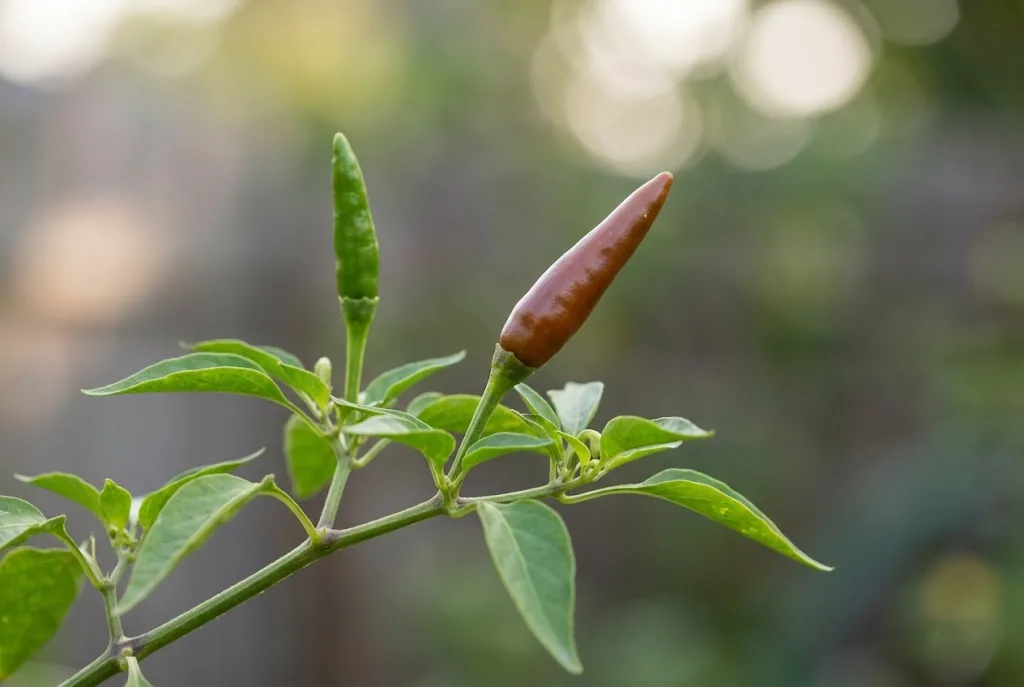
Puya resembles guajillo in its dried form, but the pods are shorter and narrower. They are not the same pepper: the smaller Puya is usually the sharper choice, while longer guajillos give a milder base. Check labels on bulk bins so you know which dried chile you are buying.
Puya pepper heat and flavor
Heat listings commonly put Puya around 5,000 to 8,000 Scoville heat units (SHU), a moderate range on the scale. Toluca Foods lists that range for its dried product, checked September 2026. Treat it as a guide, not a lab result for every pod: growing conditions, seed stock, and handling can shift the heat. Taste a small piece or use one pod first, then adjust the next batch. Toluca Foods’ listing is the variety-specific heat source for this range.
Its flavor is pungent, slightly tart, and smoky. Some sellers describe cherry or licorice notes, but those are impressions rather than a fixed tasting profile; one spice supplier’s tasting notes offer an example. For a very different pepper at the other end of a variety collection, compare it with 7 Pot Primo peppers.
Where to buy the whole pods or ground chile
Most listings sell this variety dried. Look in Mexican markets, grocery stores, spice shops, or online retailers, and ask for Puya or Pulla if the dried chile aisle uses another label. Choose mostly intact, deep red-brown pods with a light fruity or peppery smell; avoid any bag with moisture, mold, or a musty odor. Spices Inc.’s buying guide recommends mostly intact pods because broken skins can lose aroma faster.
Ground Puya powder is available from some vendors, but grinding whole pods just before cooking helps preserve their aroma. Use a clean spice grinder and add the powder a pinch at a time. If you grow plants yourself, you can pick and cook the fresh fruit before drying, either green or ripe.
Starting Puya from seed
Puya is a warm-season Capsicum annuum. Start seed indoors about 6 to 8 weeks before your local last frost date, or follow the timing on the seed packet. Michigan State University Extension gives 7 to 28 days as a general pepper germination range and 6 to 8 weeks for growing transplants. Those are broad pepper figures, not a Puya-specific maturity calendar. I did not find a reliable Puya-specific days-to-harvest figure, so use the supplier’s estimate for the seed line you buy.
Use a warm, bright spot and keep seed-starting mix evenly moist, not waterlogged. Once seedlings have true leaves, give them strong light so they grow sturdy rather than stretched. Harden them off gradually before planting outside. Nebraska Extension recommends waiting until frost risk is low and soil is above 55°F, then moving hardened pepper plants outdoors. Choose a sunny place with well-drained soil; peppers can drop flowers or slow down when temperatures are too cold or too hot. Michigan State Extension’s pepper guide and Nebraska Extension’s transplant guide provide the general growing ranges.
Keep the root zone evenly moist while plants flower and set fruit, and use a container with drainage if you grow on a patio. A small harvest may not justify overwintering the plant in a cold climate; growing conditions and the length of the warm season matter more than a calendar date. For a general growing schedule and troubleshooting, use a local extension guide alongside your seed supplier’s advice.

Harvesting and handling
Harvest pods when they have reached the color and size described by your seed supplier. For ripe red-brown fruit, snip the stem with clean shears instead of pulling the pod, which can tug on the branches. Peppers can also be picked green for fresh use, but their flavor will differ from fully ripe fruit. Leave a sample on the plant until it reaches its final color if you are saving seed or checking the variety.
Capsaicin can irritate skin and eyes. Wear nitrile or kitchen gloves when handling a batch, avoid touching your face, and wash your hands and tools afterward. If juice reaches an eye, Poison Control advises immediate, copious rinsing with warm water; call your local poison center if irritation continues or you need individual guidance. Poison Control’s capsaicin guidance covers safe handling and exposure.
Drying and storing Puya chiles
Dry ripe pods in a food dehydrator according to its instructions, or air-dry them indoors in a warm, dry, well-ventilated place until completely brittle. A humid room can leave moisture inside the pod. University of Minnesota Extension says good airflow and low humidity matter during drying, and vegetables should be brittle before storage. Do not seal the pods while they are leathery or soft. Its home-drying guide explains how to check dryness and store the finished vegetables.
Keep dried pods in an airtight container away from heat, sunlight, and humidity. Mark the container with the purchase or drying date and check for moisture or mold before cooking. For best quality, the same Extension guide gives 4 to 12 months for dried foods, depending on storage conditions. Freeze extra dried pods in a well-sealed container if your kitchen is warm or humid. When they are completely crisp, grind a few at a time in a clean spice grinder; keep the powder sealed and dry.

Cooking with Puya
Toast a dried pod briefly in a dry pan over low to moderate heat, turning it so the skin warms without blackening. Let it cool enough to handle, remove the stem, and shake out some seeds if you want a milder result. To rehydrate the flesh, soak it in hot water until pliable, then blend it into salsa, mole, enchilada sauce, soup, or stew. A food processor works for a smooth puree; a mortar and pestle leaves it more textured. Add the liquid a little at a time to control consistency. Spices Inc.’s preparation guide also covers toasting, soaking, and grinding.

In Mexican cuisine, Puya suits dishes that need a direct, moderately spicy heat. Try a small amount in red salsas, broth for one taco, or cooked vegetables. Stir a pinch into breakfast burritos, or add it to a savory chutney. Avoid scorching the pod during toasting: burnt skin tastes bitter and can overpower its aroma.
For a substitute, guajillo is the closest starting point because it has a similar dried-chile shape and role, but the result will usually be milder. Add a small piece of chile de arbol if the dish needs more heat. Ancho can add body and sweetness, though the final dish will taste different. Adjust in small steps and taste before adding more.
Begin with a small amount and build gradually so the chile’s flavor stays clear.
