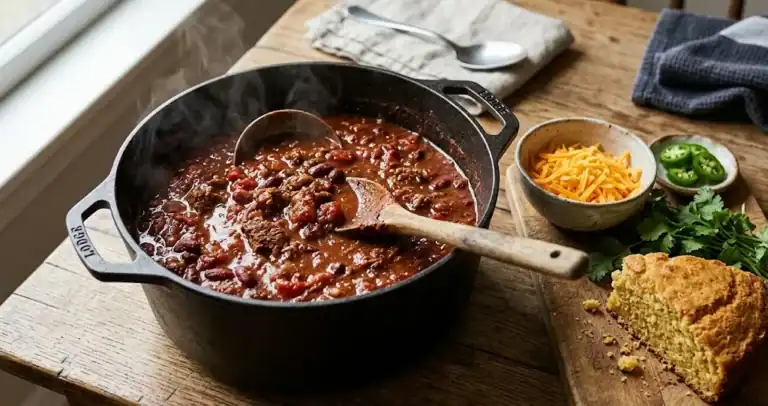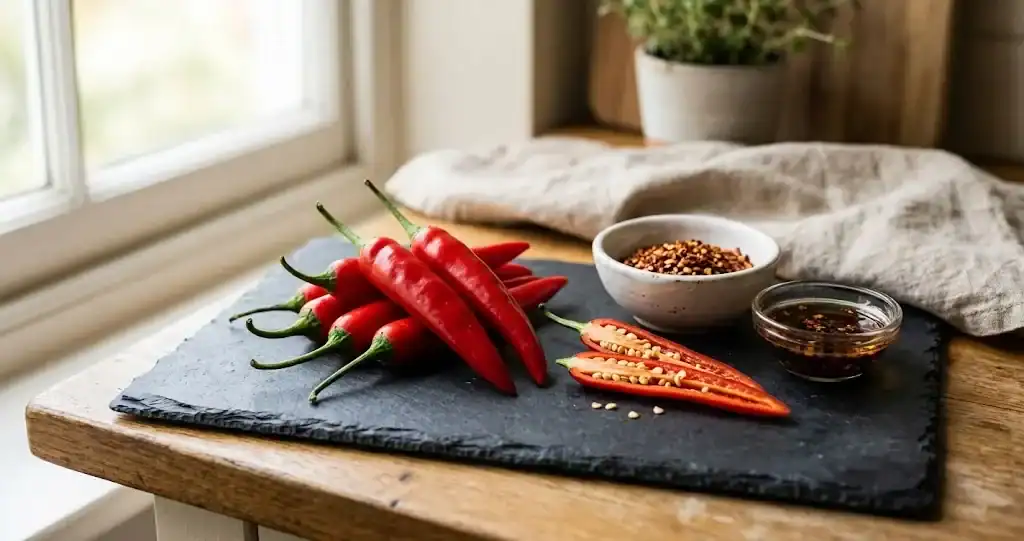
A single red chili can lift a whole pot of soup, and the same pods sit at the center of a long cooking tradition around the world. The recipes below are quicker than most cooks expect, and the rest of the article takes a careful look at what the research actually shows about eating chili regularly.
What a red chili pepper actually contains
Red chilies are the mature, fully ripened fruit of several Capsicum species. As the pods ripen on the plant, vitamin C and carotenoid pigments build up, which is what turns them from green to red and gives them a richer color than the unripe cousins picked at the same stage. A medium hot red chili pepper weighs in at only a few calories yet delivers a useful slice of the daily vitamin C target, plus smaller amounts of vitamin A from carotenoids such as beta-carotene and capsanthin, B vitamins, potassium, and iron. For authoritative figures, the NIH Office of Dietary Supplements fact sheet on vitamin C and the equivalent page on vitamin A list the daily targets and the amounts a serving of red chili actually contributes.
Heat in chili comes from capsaicin, a plant compound that triggers a burning sensation when it touches the lining of the mouth. Different varieties carry very different amounts, and Scoville heat units, the scale that rates this content, run from zero in bell peppers to over a million in the hottest peppers, with most kitchen chilies landing between 1,000 and 50,000 units.
What the research actually shows about eating chili
The honest summary is that chili intake shows up in observational studies alongside a number of desirable health markers, but the overall picture remains unclear and parts of it are actively disputed. The strongest signal, that diets including chili correlate with lower rates of certain diseases, comes from large population studies and not from trials that prove cause and effect. Below is what current research can and cannot say.
Heart health and circulation
Large population studies link regular chili intake to lower rates of cardiovascular disease and to lower mortality from heart attacks and strokes, but observational studies of this kind cannot prove that chili caused the difference. The umbrella review on spicy food and health outcomes hosted by the National Library of Medicine treats the overall effect as unclear and notes that the evidence is graded low to very low for several outcomes. The same review points out that chili intake correlates with many other dietary habits that themselves reduce risk, so isolating chili’s contribution is hard. Eating chili fits comfortably into a heart-friendly diet but should not be treated as a stand-alone intervention for the heart.
Metabolism and weight loss
Observational studies link regular chili consumption with somewhat lower rates of obesity and metabolic syndrome, again without proving cause. Short-term feeding studies in small groups have shown small changes after a spicy meal, but it is not clear those small changes translate into meaningful weight loss over months and years. Chili is a fair add-on to a thoughtful eating plan rather than a substitute for one.
Anti-inflammatory and antioxidant activity
Carotenoid pigments and other plant compounds in red chili show antioxidant activity in the lab, and population studies link regular chili intake to lower markers of inflammation. The same umbrella review that covers the heart findings treats the anti-inflammatory effect as plausible but unproven, with the human evidence rated low quality.
Pain relief and the gut-brain axis
Topical capsaicin creams have a long clinical history for arthritis and nerve pain, used at concentrations far higher than any kitchen chili delivers. Internally, the research on chili intake and irritable bowel syndrome is mixed, with some people feeling better and some feeling worse. Capsaicin is being studied as a gut-active compound, but the effect appears to depend on the individual and on the dose, and clear advice has to wait for stronger trials.
Immune and metabolic support
The vitamin C and carotenoids in red chili contribute to normal immune function and to collagen formation, in line with the same NIH vitamin C fact sheet. The umbrella review and other systematic reviews describe the immune and metabolic effects of chili intake as an active research area, with some early signals but no firm conclusions. The folk reputation of chili as a winter warmer has more to do with the sensation of heat than with any proven effect on infection.
Where the evidence is thinner
Two claims turn up over and over that the science does not really support yet.
- Cancer cure or prevention. Chili contains compounds that show anticancer activity in cell and animal studies, including effects on apoptosis in cancer cells, but a kitchen dose of chili has not been shown to lower the risk of cancer in people. The honest phrasing is that chili intake may contribute to a lower risk of some cancers through overall diet patterns, not that it treats cancer.
- Living longer from eating chilies. Several observational studies link chili consumption to lower mortality, but observational studies cannot prove cause. Chili correlates with a lot of dietary habits, and the same populations eat more herbs, spices, vegetables, and whole grains overall.
Types of chili peppers you can cook with
Not every red chili is the same, and choosing the right type of chili for the right dish is half the art. Hot red chili peppers range from mild, sweet paprika pods to face-melting bird’s eye, and most cuisines use a handful of named varieties rather than the catch-all “red chili.”

- Bell peppers (sweet). Mild, sweet, and entirely free of heat in most varieties. Good for stuffed peppers, salads, and slow-cooked stews where you want the color without any spiciness.
- Cayenne and cayenne-style. A medium-hot dried chili that grinds into a useful everyday powder. Bright flavor, good in rubs, soups, and chili oil.
- Serrano and jalapeño. Fresh, snappy heat that suits salsas, pickles, and quick sautés. Jalapeños are riper when red, and the red ones are noticeably sweeter than the green.
- Thai, bird’s eye, and similar small red pods. High heat in a small package. Most useful sliced thin and added at the end of a dish so the brightness survives.
- Ancho, mulato, and other dried Mexican varieties. Mild-to-medium, with a raisiny, almost chocolatey depth. Soaked and blended, they anchor traditional red chili sauces.
- Smoked varieties like chipotle and Spanish smoked paprika. The smoke is the point. A small amount goes a long way, and they pair especially well with beans, corn, and grilled vegetables.
Cooking with chili peppers of different types is the easiest way to find a heat level you actually enjoy, which matters because any benefit, if it shows up, comes from a habit you can keep rather than from forcing yourself to eat hotter food than you like.
Practical ways to add red chili to your cooking
Heat fades faster than flavor, so a few rules help. Add fresh chili early for warmth that settles into the dish, or finish with fresh chili, chili flakes, or chili powder at the end for bright top notes. Remove the seeds and inner ribs to tame the heat without losing the aroma. A splash of acid, like lime or vinegar, lifts the flavor and balances a heavy sauce, and a small pinch of sugar can soften chili-heavy sauces without losing the heat. Cayenne pepper, ground from dried red chili, gives a hotter, drier note than fresh pods and works well in rubs and spice mixes.
Pantry staples like dried red chili, chili flakes, and chili powder are useful for keeping heat on hand. Paprika, made from milder red peppers, gives color and sweetness with almost no heat. Across these dried forms the heat level varies a lot, so a small spoon is often plenty.
Quick red chili recipes for weeknights
Garlic and chili oil. Warm a quarter cup of neutral oil with four sliced garlic cloves and 1 small chili, thinly sliced, over low heat for about five minutes. Remove from the heat, let the oil cool, then pour into a clean glass jar. Refrigerate immediately and use within four days, or freeze in small portions for up to three months. The National Center for Home Food Preservation warns against storing garlic-in-oil at room temperature, where it can support the growth of Clostridium botulinum, the bacterium that causes botulism. Drizzle the oil over noodles, rice, or roasted vegetables.

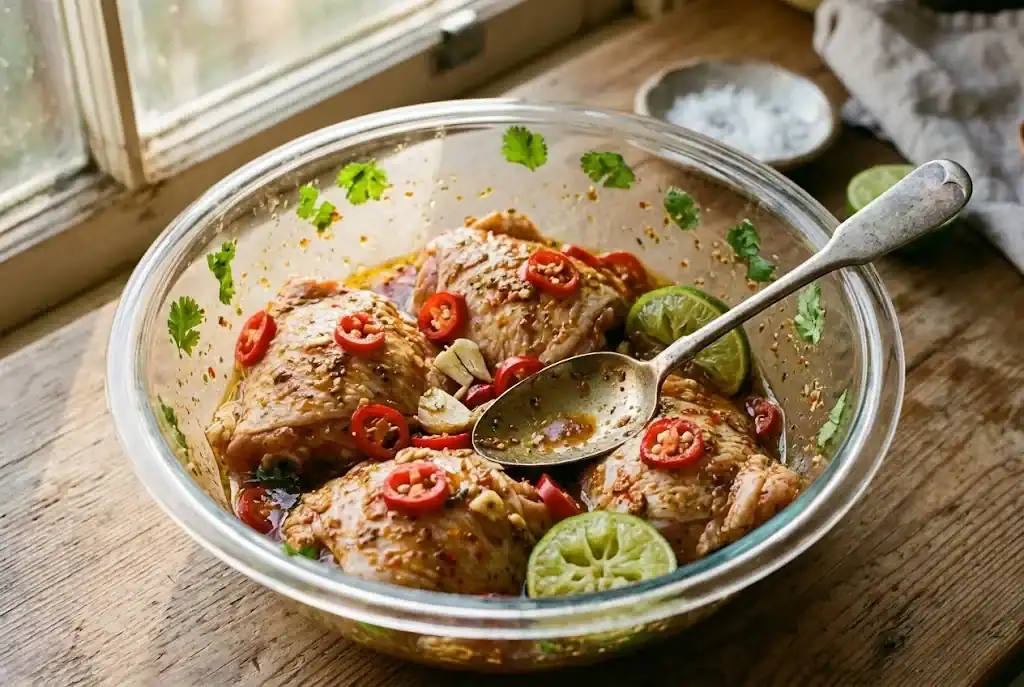
Chili-lime chicken. Marinate 1 pound of boneless thighs in the juice of 1 lime, 2 tablespoons olive oil, 1 small chili (minced, seeds removed for less heat), 2 cloves garlic (minced), and 1 teaspoon salt for thirty minutes. Grill or pan-sear until the edges char. Serve with rice and a simple salad.
Eggs in tomato and chili. Soft-cook 1 chopped onion and 1 small chili (chopped) in 2 tablespoons olive oil, add a 14-ounce can of tomatoes, simmer until thick, then crack in 4 eggs and cover until the whites set. Crusty bread on the side.
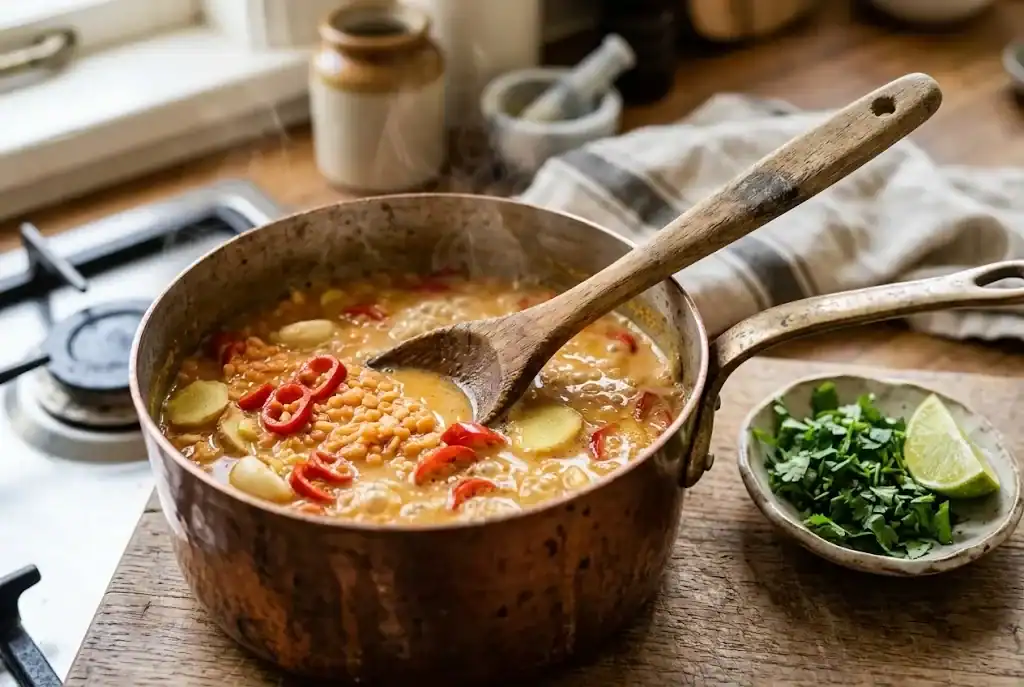
Red chili coconut dal. Toast 1 teaspoon cumin seeds and 1 teaspoon mustard seeds, add 2 cloves garlic (minced), 1 inch ginger (minced), and 1 small chili (chopped), then 1 cup red lentils, 1 cup coconut milk, and 2 cups water. Simmer twenty minutes, finish with the juice of half a lime and a small handful of cilantro.
Chili-honey roasted vegetables. Toss 1 pound of chopped root vegetables (carrots, sweet potato, or a mix) with 2 tablespoons olive oil, 1 tablespoon honey, ¼ teaspoon chili flakes, and ½ teaspoon salt. Spread on a parchment-lined sheet pan and roast at 425°F until the edges caramelize, about 25 minutes.

Quick chili vinegar. Drop 2 sliced red chilies into a small jar of rice vinegar. After a week you have a pale, hot vinegar for dumplings, salads, and stir-fries.

For the freshest pods, see this guide to harvesting red chili at peak ripeness.
Pickling, oil-preserving, drying, and freezing are all reliable ways to extend a chili harvest to months without losing much flavor. Each method changes the texture and the heat, so most kitchens use a mix.
Once you have a basket on hand, store them well with a few simple storage tricks so the pods keep their flavor for weeks.
Side effects and who should go easy
Red chili is safe for most people in normal food amounts, but a few situations warrant care.
- Heartburn and GERD. Capsaicin relaxes the lower esophageal sphincter in some people, which can worsen gastroesophageal reflux disease. Reduce chili or skip it on bad days, and notice whether a milder red chili helps where a hot one does not.
- Irritable bowel syndrome and sensitive stomachs. The same TRPV1 activation that helps some IBS symptoms can aggravate others, especially during flares. Start small and notice how the body responds.
- Hemorrhoids and active gut inflammation. Spicy food can make symptoms worse. Pause chili intake until things calm down.
- Pregnancy. Culinary amounts are usually fine. Concentrated capsaicin supplements and very high daily intakes are not, and there is no good reason to push beyond normal cooking levels.
- Children. Build tolerance slowly. A small amount of mild chili in a sauce is usually fine; avoid giving a whole hot pod to a young child.
Stop eating chili and seek medical advice if a meal brings on severe abdominal pain, persistent vomiting, signs of an allergic reaction, blood in stool or vomit, chest pain that does not settle, or any symptom that worries you.
How to build tolerance and what to do if you overdid it
Chili tolerance builds as the heat-sensing receptors in the mouth respond less strongly to repeated exposure. With regular use, the same dose of chili feels milder, which is why someone who eats chili every week handles a hot curry without flinching while a newcomer reaches for water. Tolerance comes back quickly after a break, so steady, modest intake is the most reliable way to keep a useful level.
A few habits help build tolerance without misery:
- Start mild and step up. Sweet paprika and mild cayenne in a sauce beat a face-melting Thai pod on day one. Use the milder forms for a week before adding hotter ones.
- Eat chili with starch or fat. Rice, bread, beans, oils, and dairy help carry the heat away from the heat receptors in the mouth. Skipping them and chasing the chili with water spreads the burn instead of easing it.
- Skip the seeds and ribs. Most of the heat lives in the white inner ribs and the seeds. Removing them cuts the burn dramatically without losing aroma.
- Build gradually across weeks. Add chili to two or three weekday meals, then a weekend dish, then a hot recipe. The body adjusts faster than willpower alone.
If a meal got away from you, water does not help much because chili’s heat dissolves in fat rather than in water. Reach for milk, yogurt, sour cream, a slice of bread, or a starchy side instead. Sugar in a sweet drink or dessert also helps, and a small amount of acid from lime or vinegar can settle the burn. Ice cream works because it combines fat, sugar, and cold all at once. Avoid alcohol, which spreads the heat around the mouth and makes the burning sensation feel worse.
A practical weekly rhythm
Two to four servings of chili-spiced food across a week is a reasonable rhythm for most adults, and it lines up with the eating patterns most often studied in observational research. Rotate the forms: a fresh chili in a Tuesday stir-fry, dried chili flakes in Friday’s pizza, chili oil drizzled on Sunday’s roasted vegetables. Variety keeps the palate interested and spreads the vitamin C and carotenoid load across different meals.
Red chilies sit naturally inside a wider herb-and-spice routine. For a fuller view of how the heat fits alongside other culinary herbs, the culinary herbs guide covers the surrounding flavors that pair best with chili in everyday cooking.
Sources
This article draws on the umbrella review of spicy food and multiple health outcomes hosted by the National Library of Medicine, the NIH Office of Dietary Supplements fact sheet on vitamin C, and the National Center for Home Food Preservation page on freezing garlic in oil. Where the umbrella review describes the overall health effect of chili intake as unclear and parts of it as disputed, the article reflects that uncertainty rather than overstating the case.
Bottom line
Red chili is a flavorful, low-calorie food that fits naturally into a varied, plant-forward diet, and observational research links regular chili intake to a number of desirable health markers. The same research is honest that the overall effect is unclear, that mechanisms are not well established, and that chili is not a treatment for any condition. The strongest case for chili remains a culinary one: a small amount of fresh or dried red chili makes a simple meal better, and the recipes above are an easy way to build the habit.
Frequently asked questions
How much red chili should I eat per day?
There is no single right answer. Most studies use the equivalent of half to one fresh chili a day, or a half teaspoon of chili powder, as a meaningful amount. More than that does not seem to add much benefit and can upset the stomach.
Are dried chilies as good as fresh?
Dried chilies keep the carotenoids and most of the capsaicin, but lose a lot of vitamin C in the drying process. Use both: fresh for vitamin C and bright top notes, dried for depth and pantry convenience.
Does cooking destroy capsaicin?
No. Capsaicin is stable at cooking temperatures and is actually fat-soluble, so a little oil in the pan helps the body absorb it. What fades in long cooking is the bright top-note flavor, not the heat.
Is red chili safe during pregnancy?
Normal culinary amounts are usually fine. Avoid high-dose supplements and very spicy meals if they trigger stomach upset. If a pregnancy is complicated or there is any concern, talk to a qualified clinician.
Can children eat red chili?
Yes, in mild, well-mixed forms. Start with a tiny amount in a sauce or soup, not a whole pod. Children usually accept heat once they have seen the adults around them enjoy it.