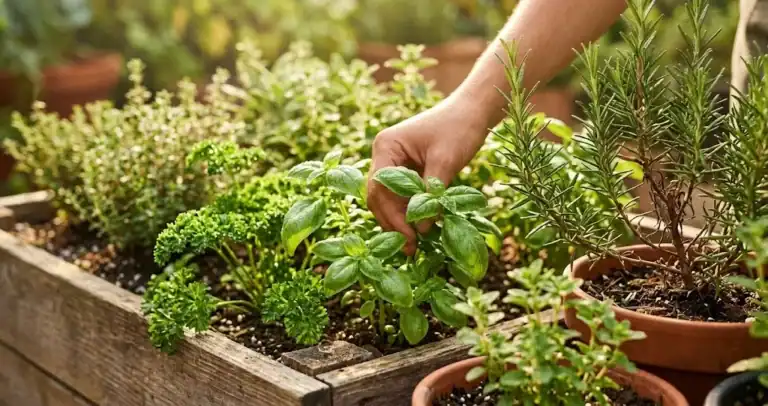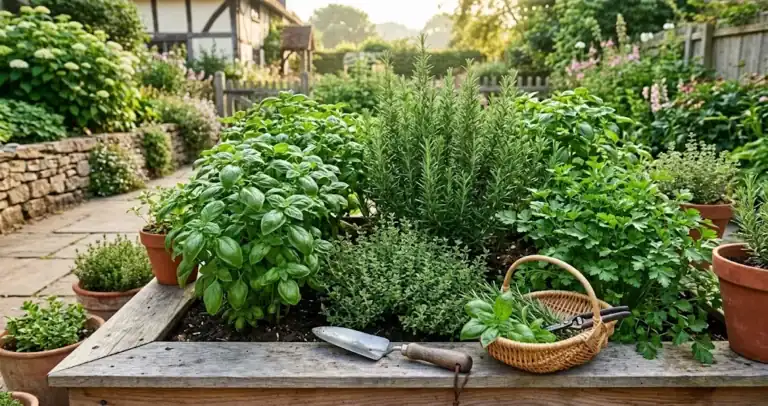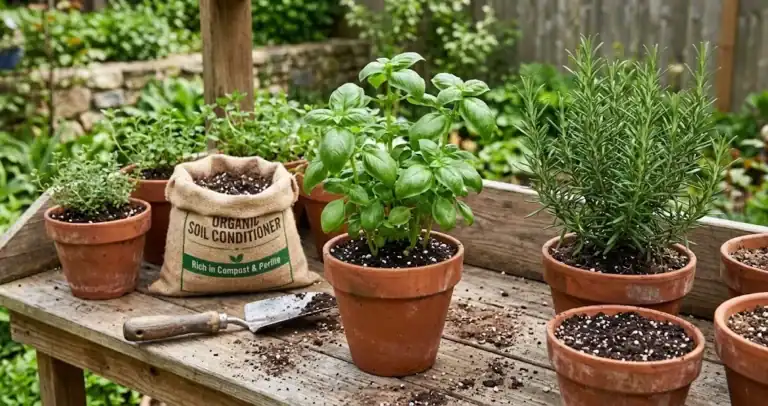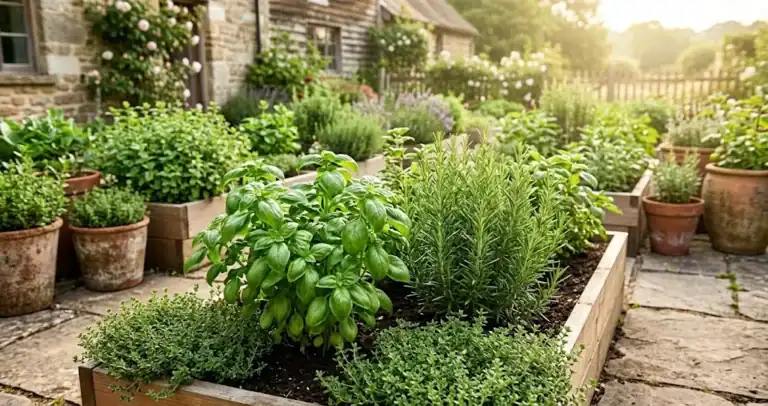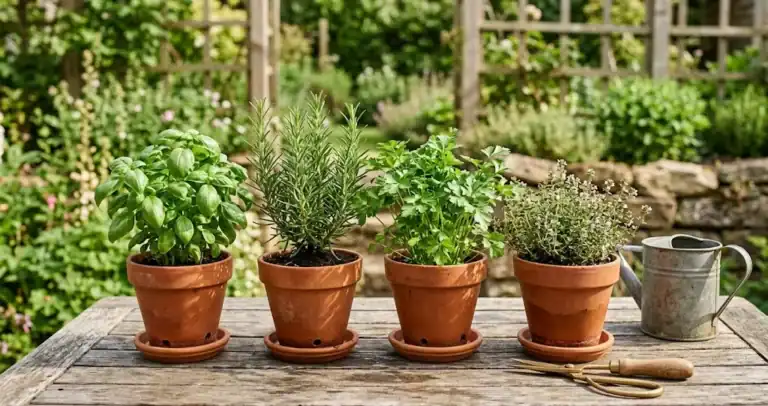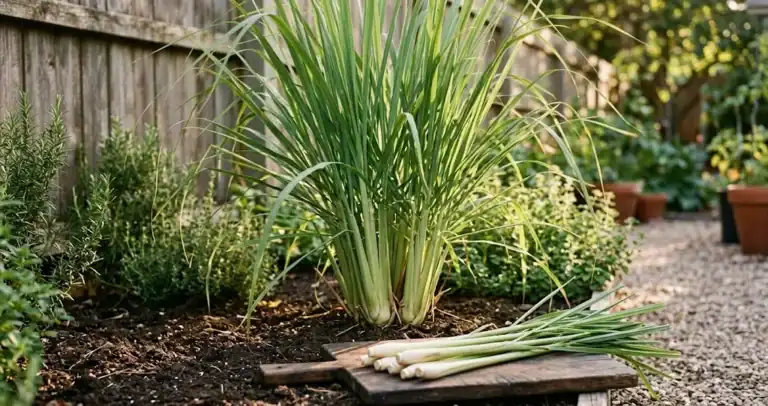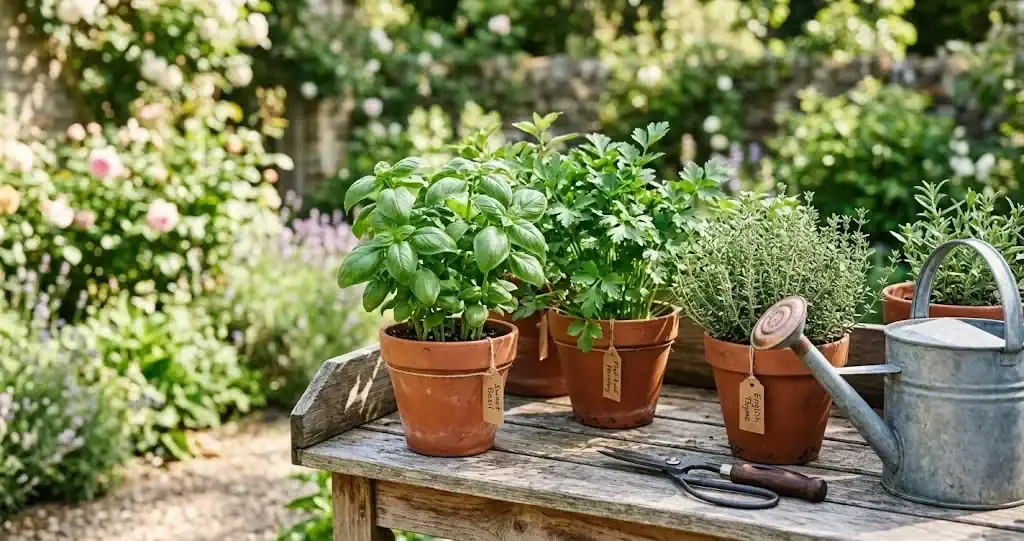
Nothing elevates everyday cooking quite like snipping fresh herbs right outside your kitchen door or from a sunny windowsill. When you grow fresh herbs at home, you bypass limp supermarket plastic packages, save money, and gain access to aromatic leaves bursting with fresh flavor. Whether you have a spacious backyard herb garden, a modest balcony, or a small planter indoors, growing herbs is one of the most rewarding projects any gardener can undertake.
Culinary plants are remarkably productive in compact quarters and forgiving for beginner gardeners. When you understand how to start an herb garden from scratch, keeping a productive selection of kitchen seasonings becomes second nature.
Why growing fresh herbs at home makes kitchen sense
Cultivating kitchen herb plants at home provides immediate access to vibrant herbs and spices throughout the growing season. Snapping a few sprigs of fresh basil into a warm tomato sauce or scattering freshly chopped greens over roasted vegetables brings a brightness that dried seasonings cannot match. Beyond culinary value, many aromatic species feature attractive foliage and delicate blooms that enhance your overall garden design while creating a buzzing pollinator garden that attracts beneficial bees and butterflies.
Most varieties thrive indoors in containers as well as outside in raised garden beds. With adequate daily light, well-draining soil, and regular watering, even apartment dwellers can enjoy year-round use of their favorite savory seasonings.
The 11 best fresh herbs to cultivate at home
Choosing the easiest plants to grow ensures early success and steady harvests. Here are eleven top culinary selections, chosen for their reliability, kitchen versatility, and straightforward care.
1. Sweet basil for pestos, pasta, and summer sauces
Sweet basil (Ocimum basilicum) is widely used in Italian cooking and remains one of the top culinary favorites. Grown as an annual in most climates, this tender plant thrives in full sun and well-drained soil, picking up speed as temperatures warm up in late spring.
To grow basil successfully, place your planter in a sunny spot that receives generous direct light daily. Keep the potting mix consistently moist but never waterlogged. Pinch back the central stem regularly to encourage bushy side branches and prevent premature flower spikes. Fresh leaves provide sweet, peppery aromatics essential for homemade pesto, crisp salads, and simmered pizza toppings.
2. Mint for refreshing drinks, teas, and summer salads
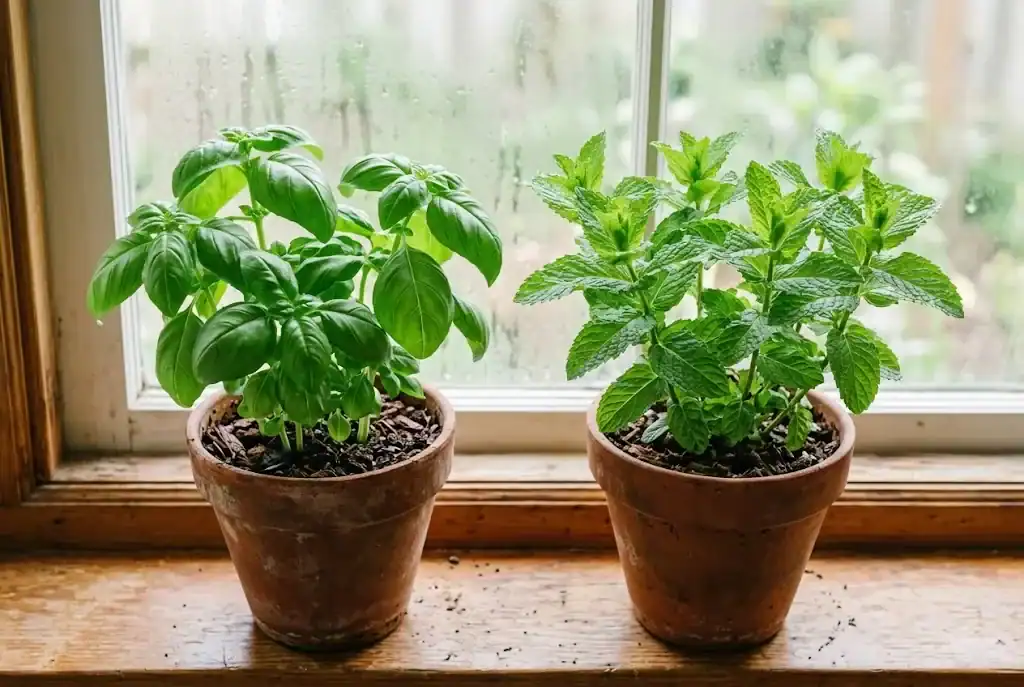
Spearmint and peppermint (Mentha species) are among the most vigorous plants in the garden. Mint grows quickly from starter cuttings, sending out spreading underground runners that can rapidly fill open ground. For this reason, experienced growers recommend planting mint in a large pot to keep roots contained.
Mint tolerates partial shade as well as direct sunlight, making it adaptable to varied patio layouts. Harvest fresh leaves regularly for brewing soothing herbal tea, tossing into a crisp cucumber salad, or garnishing chilled summer beverages.
3. Thyme: a resilient perennial for savory dishes
Thyme (Thymus vulgaris) is a dependable perennial featuring tiny, fragrant gray-green leaves on stiff branches. It requires minimal moisture once established and thrives in gritty, fast-draining soil with good air circulation.
Because thyme is cold-hardy, it provides dependable flavor throughout most seasons in temperate regions. It pairs naturally with roasted chicken, root vegetables, hearty bean soups, and slow-braised stews, releasing its earthy oils as it simmers.
4. Oregano: aromatic staple for Mediterranean recipes
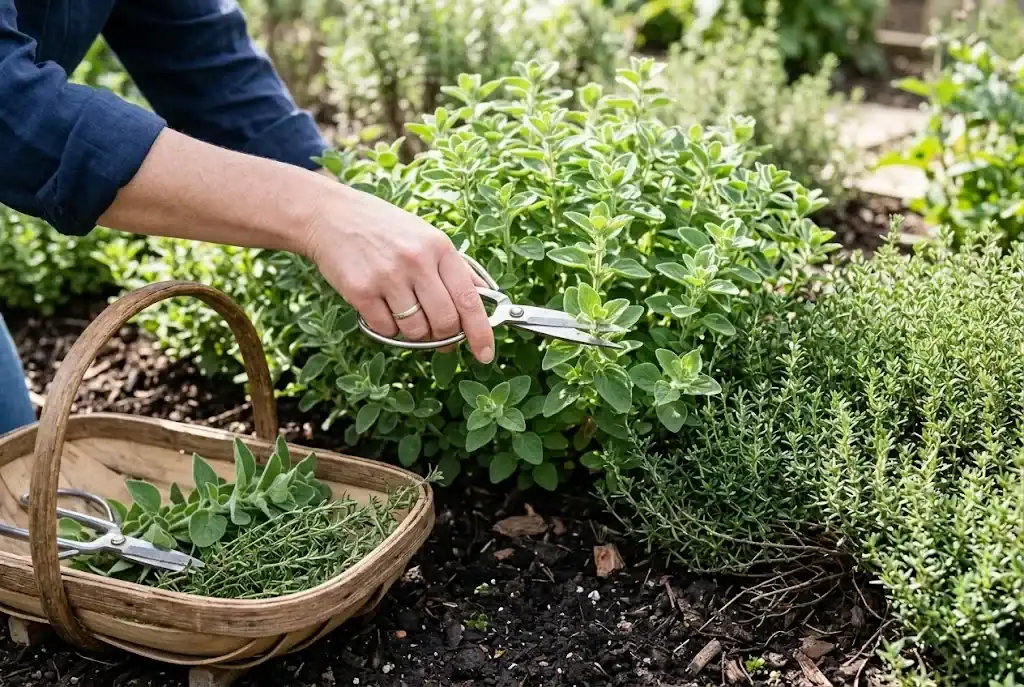
Oregano (Origanum vulgare) is a flavorful perennial that adds depth to Mediterranean cooking. Oregano is a staple in Greek and Italian kitchens, offering a warm, pungent, slightly peppery bite.
Like thyme, oregano is drought-tolerant and thrives in bright sunlight or partial shade with lean, aerated soil. You can harvest oregano sprigs to use fresh or dry them on mesh screens for concentrated winter pantry storage.
5. Parsley: biennial greens for clean finishing flavor
Italian flat-leaf parsley (Petroselinum crispum) is a biennial plant usually grown as an annual for its crisp, nutrient-dense leaves. It is easy to grow from seed or nursery starts and handles cool spring and autumn weather with ease.
Parsley performs well in containers or along bed borders. Use generous handfuls of freshly chopped parsley stems and foliage to balance rich sauces, finish grilled fish, or create the green base of traditional tabbouleh.
6. Chives: reliable bulbs for mild onion notes and purple flowers
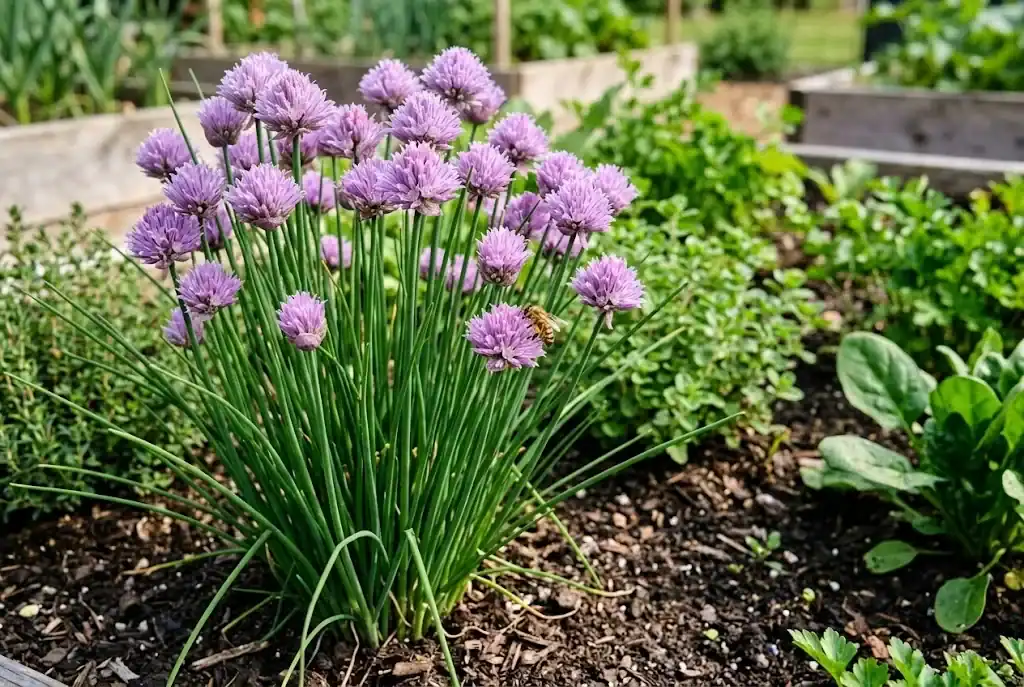
Chives (Allium schoenoprasum) are hardy perennial bulbs that produce slender, hollow spears with a delicate onion essence. In late spring, each established chive clump produces edible purple flowers that brighten dishes and draw beneficial pollinators to your backyard.
These plants grow well in containers, garden edging, and balcony planters. Snip outer leaves two inches above the soil line, and the clump will steadily regenerate fresh growth all season long.
7. Rosemary: sturdy evergreen shrub for roasted dishes
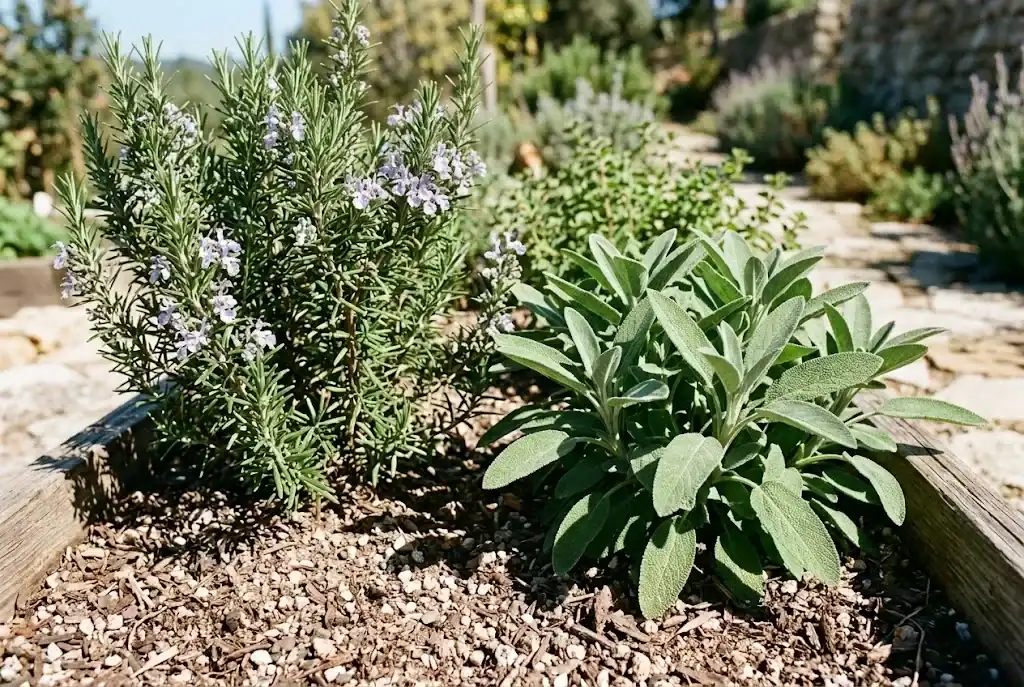
Rosemary (Salvia rosmarinus) is an evergreen shrub with needle-like foliage and delicate pale blue blossoms. Native to rocky Mediterranean bluffs, it demands gritty soil and sharp drainage, as soggy roots will quickly harm root health.
This fragrant shrub excels when grown outdoors in a sunny border or in terracotta containers that breathe well. Its resinous aroma holds up wonderfully during long baking times, making it ideal for focaccia bread, roasted potatoes, and savory marinades.
8. Dill: feathery foliage for pickling and fresh salads
Dill (Anethum graveolens) is an annual known for its delicate, feathery fronds and distinct anise-citrus flavor. Because dill develops a sensitive taproot, it is best sown directly into outdoor soil or a deep container rather than transplanted.
The feathery greens grow rapidly during mild spring weather. Snip tender foliage to flavor cucumber dishes, yogurt dressings, and warm potato salad, or allow umbrella-shaped blooms to mature into aromatic seeds for pickling.
9. French tarragon for refined culinary sauces
True French tarragon (Artemisia dracunculus) is celebrated in classic French cuisine for its subtle licorice and anise undertones. Because this French perennial rarely produces viable seeds, you should buy herb plants or rooted cuttings rather than attempting to sow seed packets.
Plant in well-draining soil in a bright to partly shaded location. A light hand is all you need: a few minced sprigs will transform roasted poultry, compound butters, and classic béarnaise sauce.
10. Sage for savory dishes and rich seasoning
Culinary sage (Salvia officinalis) produces velvety foliage with a bold, earthy aroma that shines in poultry rubs, stuffing, and browned butter pasta. It is a dependable culinary staple that rounds out a well-planned home collection.
11. Lemon balm for comforting teas and citrus notes
Lemon balm (Melissa officinalis) is a fast-growing perennial in the mint family, known for its calming citrus aroma and pleasant lemon flavor. Steep fresh leaves in hot water for a soothing evening tea or bruise them into iced summer lemonade.
Essential conditions to grow healthy herbs in pots or garden beds
Whether you choose to plant in containers, raised beds, or in-ground borders, providing the proper cultural foundation ensures your plants stay healthy and productive.
Light is the primary energy source for essential oil production in culinary herbs. Most Mediterranean varieties require direct sunlight, meaning six or more hours of direct light daily. If you cultivate indoors on a sunny windowsill, select a south-facing exposure or supplement with an LED grow light during darker winter months.
Drainage is the single most critical factor, making preparing the right soil mix for herbs the first step toward vigorous root growth. Potting mixes for containers should contain perlite or coarse grit to prevent moisture accumulation around root crowns.
Buying nursery starts versus starting seeds indoors
When planning your layout, decide whether to start from seeds or plants. Sowing seeds indoors under grow lights is economical and provides access to diverse specialty cultivars. Easy-to-grow herbs like basil, parsley, and cilantro germinate readily within one to two weeks.
Conversely, slow-growing woody perennials like rosemary and lavender are much easier to establish when you buy herb plants from a local nursery. Starting with established herb plants for sale saves months of development time and allows you to begin harvesting fresh leaves almost immediately.
How to harvest fresh leaves to keep plants growing
Regular harvesting actually keeps plants healthier and more compact. If left unpicked, many culinary varieties will bolt, set seed, and turn bitter or tough.
Follow these practical harvesting practices:
- Harvest in the morning after dew has evaporated but before midday heat dissipates volatile essential oils.
- Never remove more than one-third of a plant’s total foliage at a single picking.
- Snip stems just above a leaf node or branching point to encourage bushy side growth.
- Avoid cutting deeply into older, woody crowns on perennials unless performing planned seasonal pruning.
- Rinse leaves gently in cool water and pat dry immediately before meal preparation.

Regular harvesting and gentle pruning are key elements of nurturing healthy herb plants through the season, helping maintain bushy growth and abundant yields year after year.
Frequently asked questions about growing fresh herbs at home
What is the easiest herb to grow at home for complete beginners?
Mint, chives, and basil are widely considered the easiest culinary plants to raise at home. Mint is exceptionally hardy and vigorous, chives return reliably every spring, and basil germinates quickly and yields abundant leaves with basic sunlight and moisture.
Can I grow different herbs together in the same pot?
Yes, provided you group varieties with matching sunlight and moisture requirements. Mediterranean varieties like rosemary, thyme, and oregano thrive together in drier soil, while moisture-loving varieties like basil and parsley pair well together. Always give mint its own dedicated container to prevent it from outcompeting neighboring roots.
How much sunlight do indoor herb plants require?
Indoor culinary plants generally require at least four to six hours of bright, direct sunlight per day, ideally from an unobstructed south-facing or west-facing window. If natural lighting is limited, placing plants under a full-spectrum LED grow light for 12 to 14 hours daily will maintain vigorous growth.
Sources and references
- University of Maryland Extension. “Herbs for the Home Garden.” Home & Garden Information Center. https://extension.umd.edu/resource/herbs-home-garden
- Clemson University Cooperative Extension Service. “Herbs.” Home & Garden Information Center, Factsheet HGIC 1311. https://hgic.clemson.edu/factsheet/herbs/
- University of Minnesota Extension. “Growing Herbs in Home Gardens.” Yard and Garden News. https://extension.umn.edu/garden-and-home/yard-and-garden/gardening-minnesota/growing-herbs