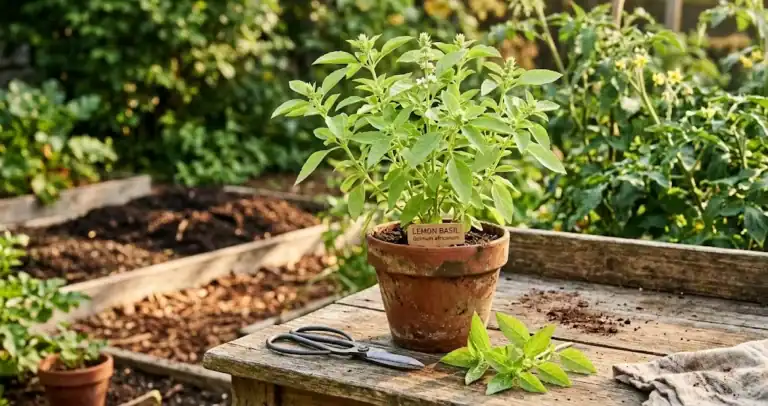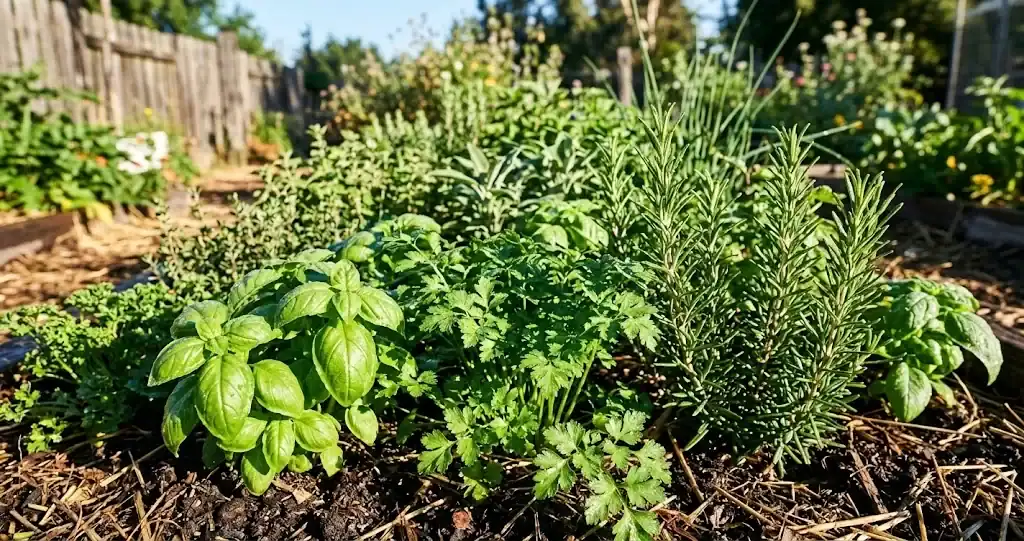
Fresh herbs bring vibrant flavor, rich aroma, and crisp color to everyday cooking. When you choose to grow herbs organically in your own kitchen garden, containers, or backyard raised beds, you gain complete control over what touches your food. Organic growing methods eliminate synthetic pesticides and chemical fertilizers, relying instead on healthy soil biology, compost, and natural balance to produce vigorous plants.
Whether you want a steady supply of sweet basil for homemade pesto, fresh parsley and chive snips for weeknight seasoning, or hardy multi-year varieties that return year after year, establishing a sustainable routine is straightforward. By understanding what different plant varieties require, you can produce abundant edible greens right at your doorstep.
1. Select the Right Organic Varieties for Your Space
The foundation of a productive organic herb garden starts with selecting high-quality plants adapted to your available light and space. Begin with certified organic seeds or nursery stock grown without persistent synthetic chemicals. Certified seed ensures the parent crop was raised according to strict ecological standards without synthetic fungicides or chemical seed treatments.
Group your herb plants by their natural life cycle and moisture preferences:
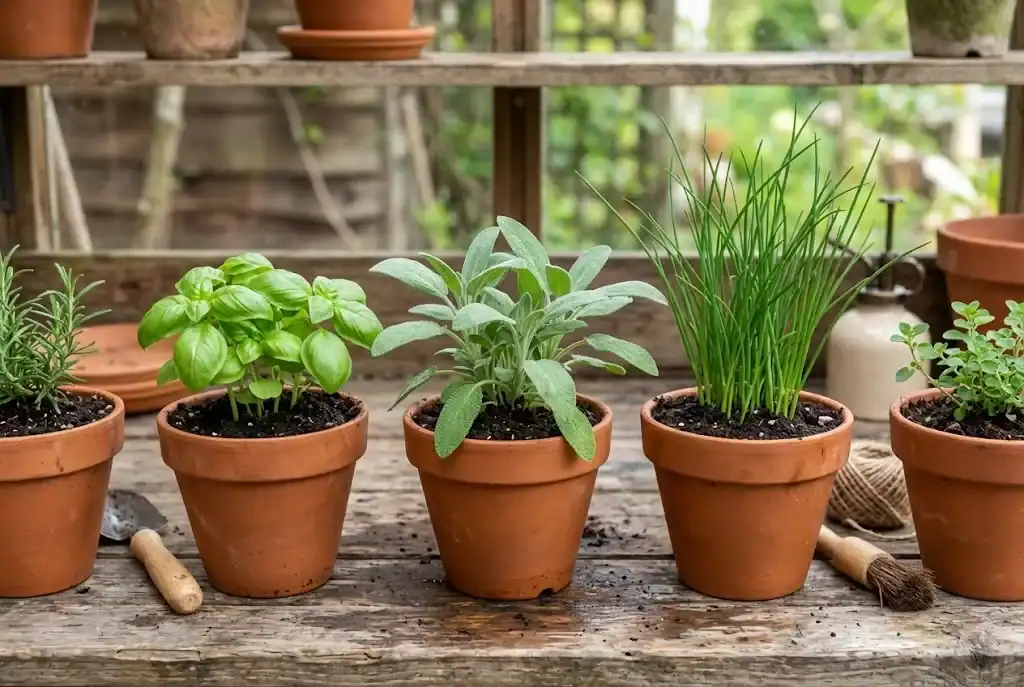
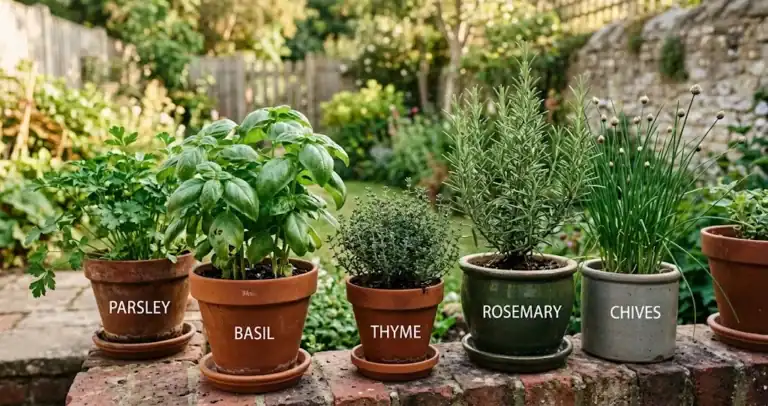
- Annual and biennial types: Sweet basil, cilantro, and dill thrive in warm weather and complete their cycle in one or two seasons. Sow seeds indoors several weeks before the last spring frost, or direct-sow into warm beds after frost danger has passed. Parsley acts as a biennial, producing lush foliage in its first season.
- Hardy perennial herbs: Long-lived species such as rosemary, thyme, oregano, and sage survive for many years. These plants prefer leaner moisture once established and reward the grower with dependable clippings across every growing season.
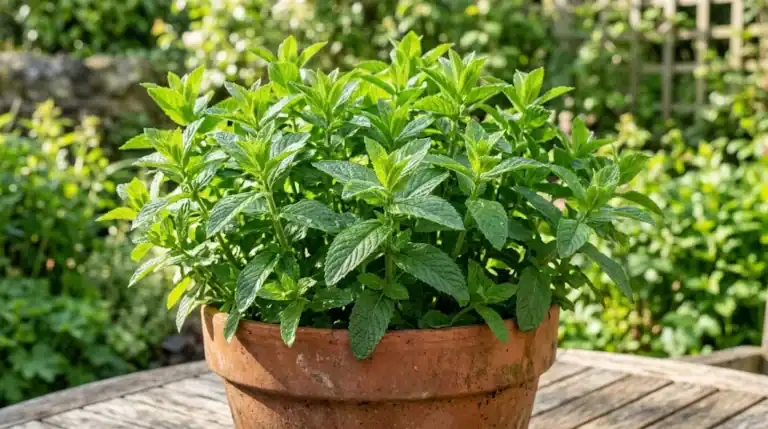
- Vigorous spreaders: Mint spreads aggressively through underground runners. Always place mint varieties in a dedicated pot or container planter rather than directly into open beds to keep them from overtaking adjacent crops.
For gardeners with limited outdoor space, a sunny windowsill or indoor herb planter offers fresh sprigs within arm’s reach of the stove. Place containers where they receive at least six hours of bright sunlight daily, or supplement with full-spectrum grow lights during dark winter months.
2. Prepare Rich, Well-Draining Garden Soil
Healthy soil is the cornerstone of all organic growing methods. In an organic system, you nourish the living earth rather than feeding the plant with soluble chemical salts. Many herbs require loose, well-aerated ground rich in organic matter that allows plant roots to breathe and spread easily.
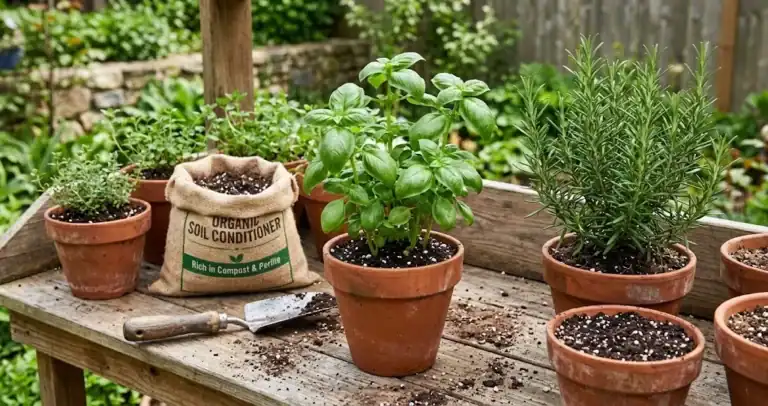
Heavy clay holds too much water around delicate root crowns, while pure sand drains too rapidly to retain nutrients. Amend your native ground or potting mix with mature garden compost, aged leaf mold, or worm castings before setting out each young transplant. When structuring your garden space, review building soil that suits herbs to tailor texture and drainage specifically to Mediterranean versus leafy moisture-loving varieties.
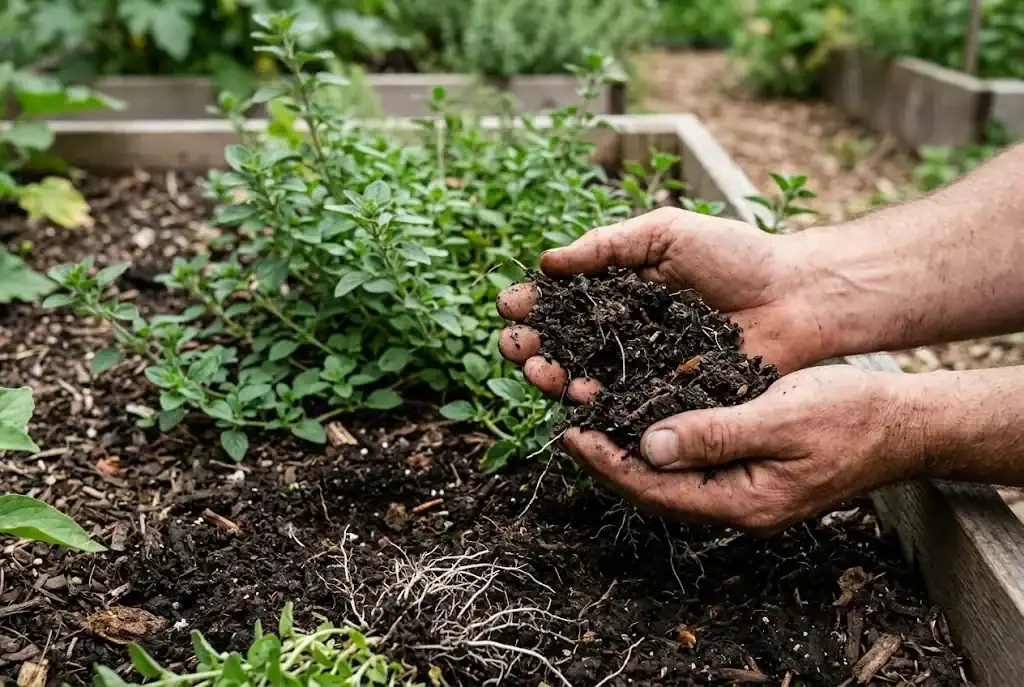
Avoid heavy applications of high-nitrogen synthetic fertilizer. Excessive nitrogen forces rapid, watery vegetative growth that dilutes the essential oils responsible for herbal fragrance and flavor. A light top-dressing of organic compost at planting time provides balanced, slow-release nutrition that sustains steady growth without compromising scent.
3. Provide Sunlight, Watering, and Garden Bed Layout
Most popular varieties originated in sunny temperate or Mediterranean climates and require full sun to develop their full potential. Choose a planting site that receives six to eight hours of direct sunlight each day. Proper spacing between herb plants ensures adequate airflow, which prevents fungal leaf spot and powdery mildew in humid summer weather.
Watering requires a consistent, observant touch:
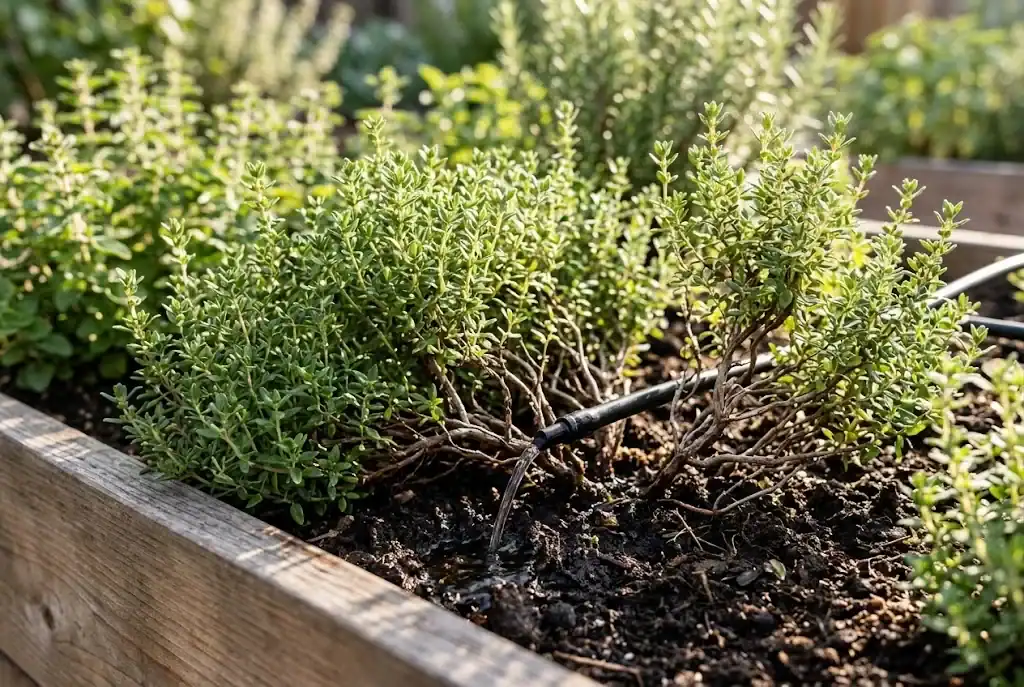
- Deep, infrequent watering: Water at the base of the plant using a gentle watering wand or drip irrigation. Soak the root zone thoroughly, then allow the top inch of earth to dry out before watering again.
- Protect plant foliage: Avoid overhead sprinklers late in the day. Keeping leaves dry reduces the incidence of soil-borne fungal pathogens.
- Container drainage: Ensure every pot, window box, or planter has open drainage holes. Standing water in trays causes rapid root rot in drought-tolerant species like thyme and rosemary.
If you are laying out your first dedicated plot, explore the groundwork behind a healthy herb bed to organize pathways, light orientation, and grouping strategies before moving plants outdoors.
4. Manage Pests, Weeds, and Mulch Naturally
Organic pest management focuses on prevention, biodiversity, and early physical intervention rather than chemical sprays. Robust herb plants naturally resist most insect pressure, but vigilant monitoring keeps minor problems from escalating.
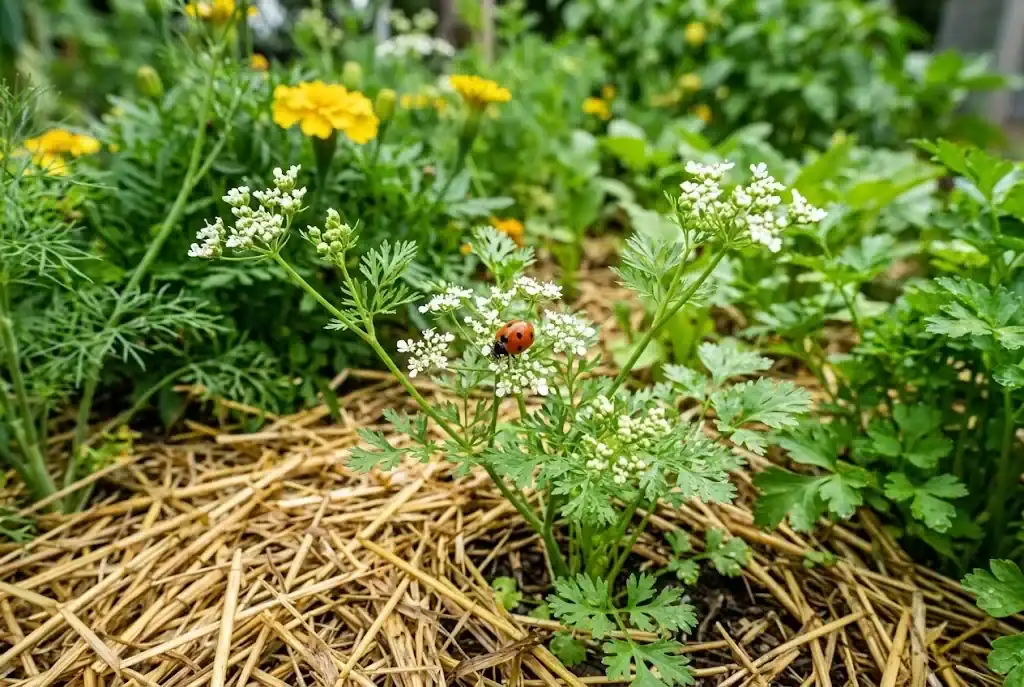
Apply a two-inch protective mulch around the base of your plants. Clean straw, shredded bark, or chopped leaves help retain consistent moisture, moderate root temperatures during summer heat, and effectively control weed growth without synthetic weed killers. Keep mulch pulled back two inches from woody stems to avoid crown rot.
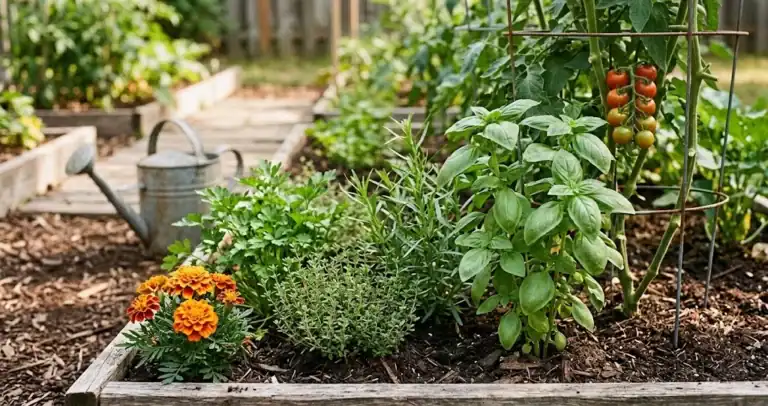
Encourage natural predators by creating diverse habitat. Flowering coriander, dill, and fennel attract beneficial insects such as ladybugs, lacewings, and hoverflies, which feed on soft-bodied aphids. Members of the carrot family also support swallowtail butterflies, making your garden an active ecological sanctuary. For thoughtful companion planting strategies that protect both leafy greens and roots, consider growing herbs and vegetables together in shared raised beds alongside every vegetable crop.
If aphids or spider mites appear on tender shoots, knock them off with a sharp spray of water or apply an approved organic insecticidal soap on overcast mornings. Always test a single leaf first and rinse thoroughly before food preparation.
5. Harvest Regularly to Encourage Vigorous Growth
Regular harvesting keeps garden herbs bushy, productive, and full of fresh flavor. Frequent light trimming prevents annual plants from bolting prematurely into seed and encourages multi-year varieties to produce tender branching shoots.
Follow these practical harvesting guidelines:
- Pick early in the day: Gather stems in the morning after dew has evaporated but before midday heat warms the garden. Essential oil concentrations peak during these early hours, giving you the best aroma and cooking quality.
- Use clean, sharp shears: Make clean cuts just above a leaf node or pair of growing leaves. Crushing stems with dull blades invites bacterial infection into open plant wounds.
- Follow the one-third rule: Never remove more than one-third of the plant’s total foliage in a single session. The plant needs remaining leaves to photosynthesize and recover vigorously.
- Pinch flower buds: As basil or oregano plants form flower buds, pinch them off promptly. Flowering shifts energy toward seed production and can turn leafy growth bitter.

Bring your fresh pickings into the kitchen to add flavor to family meals, scratch pizza, fresh tomato salads, and comforting tea infusions. In colder climates, prepare perennial beds in autumn by tapering water and providing a protective winter covering of dry leaves to prevent winter injury from severe soil freezing.
6. Safe Kitchen Use and Evidence-Based Wellness Context
Freshly picked edible herbs contribute valuable micronutrients and aromatic compounds to daily meals. Using fresh herbs generously in cooking allows you to enhance taste while naturally reducing reliance on excess dietary sodium. Extension research from the USDA National Agricultural Library emphasizes proper sanitation, clean wash water, and correct post-harvest chilling to maintain fresh herb quality and food safety.
While everyday use in home cooking is safe for virtually everyone, concentrated preparations, strong infusions, and essential oils carry distinct physiological considerations. Peer-reviewed research compiled in the NCBI Herbal Medicine Compendium outlines how active phytochemicals in culinary and medicinal herbs interact with human biology. If you are pregnant, nursing, managing a chronic health condition, or taking prescription medications, consult a qualified healthcare provider before using concentrated herbal supplements or therapeutic botanical extracts.