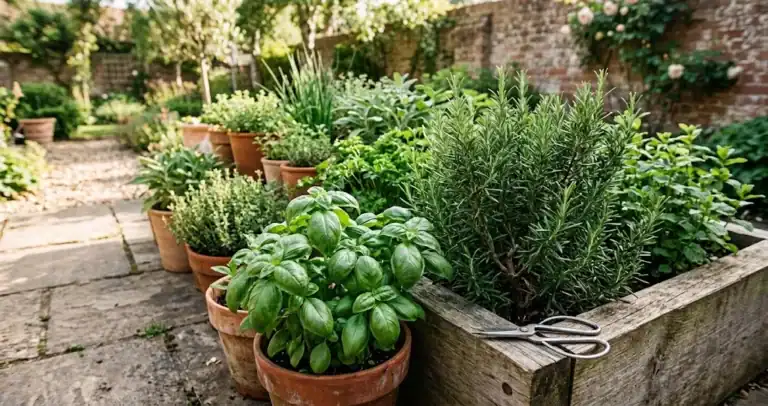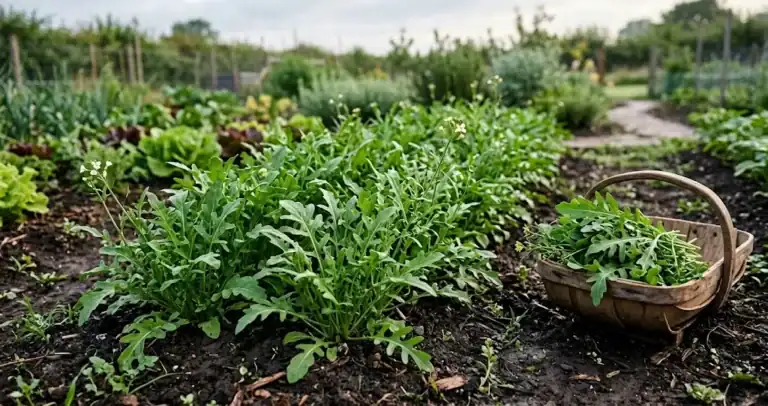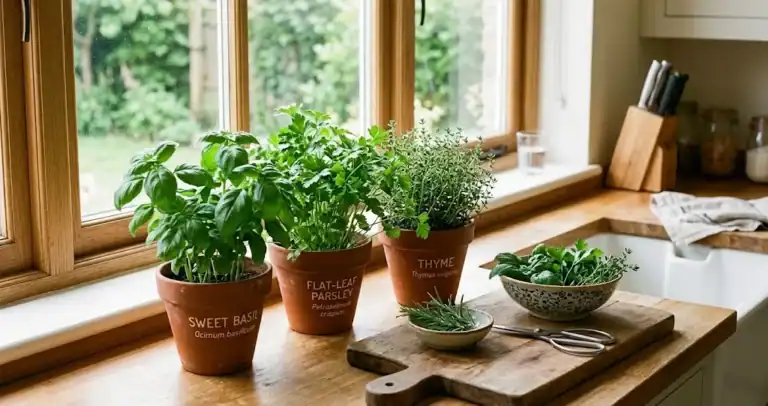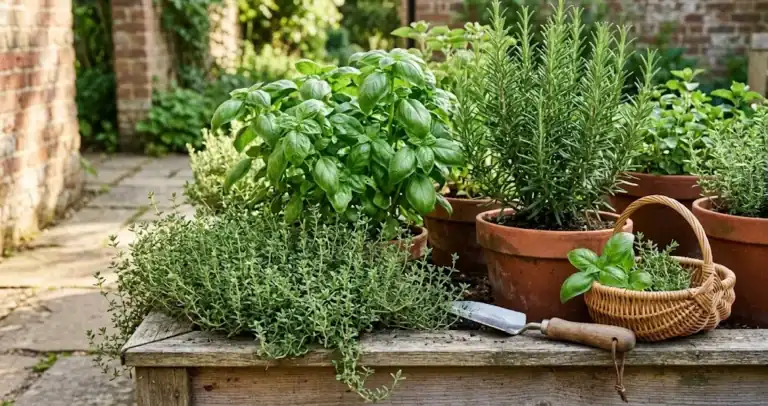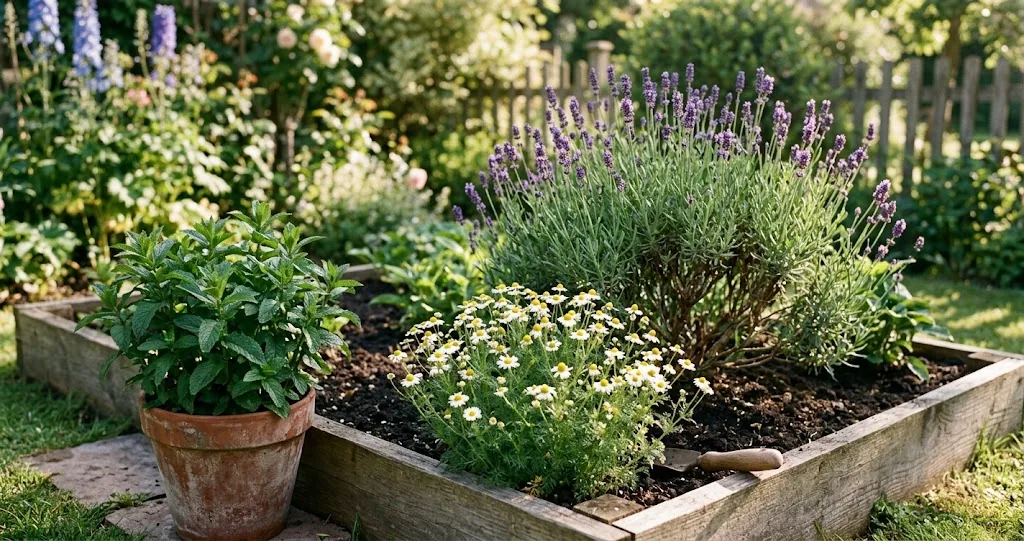
Fresh leaves and flowers turn an ordinary cup of herbal tea into something brighter, more aromatic, and unmistakably your own. A small raised bed, a half-barrel planter, or even a single pot on a sunny patio can supply a season’s worth of greenery to snip by the handful. Many of the most popular herbs in the kitchen also make a lovely herbal tea, and a small herbal tea patch is one of the easiest ways to start growing your own herbs. Once you taste an infusion made from leaves you cut ten minutes earlier, the store-bought version starts to taste flat.
This guide covers which plants to grow for tea, where and how to plant them, what care they need through the season, and how to harvest and dry the leaves so you can brew a cup at any time of year.
Which tea herbs should you grow?
The best herbs are the ones you will actually drink. Most are productive in a small space and simple to dry and use. Each herb in the tea garden rewards a small effort, and a few pots near the back door will out-produce a packed grocery shelf for most of the year. The notes below cover the eight herbs most home gardeners plant for tea, with the small details that make each one reliable from year to year.
For readers interested in growing medicinal herbs as well, the companion guide to growing medicinal herbs at home lays out the planning side of a wider herb patch.
Mint

Mint (Mentha sp.) is the near-universal favorite for hot and iced tea. It is a member of the mint family, sends out runners, and tolerates more shade and moisture than most other herbs. Always grow it in a pot, even in the ground, or it takes over a small bed within a season. Spearmint and peppermint are the most common choices, and the leaves can be picked in the morning and used fresh or dried. Pick the leaves harvested for tea before the plant flowers, and use them at their peak.
Chamomile
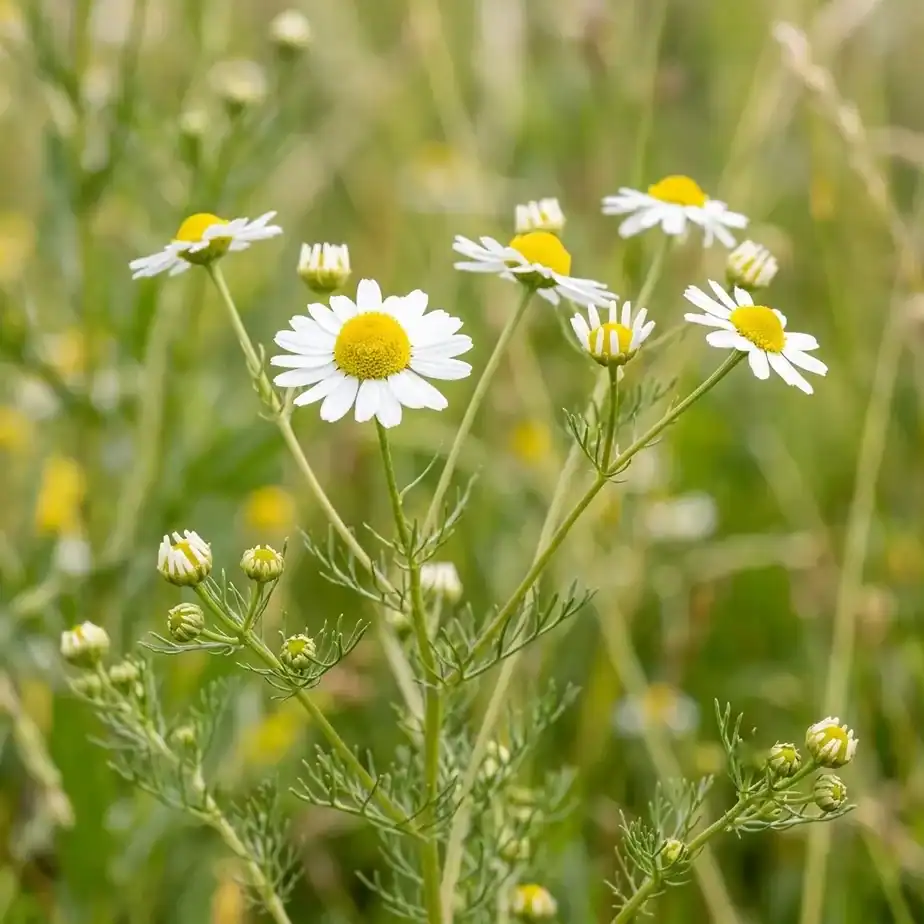
Chamomile (Matricaria recutita or Anthemis nobilis) sends up small daisy-like flowers on slender stems with a soft, apple-like flavor. German is the annual form that re-seeds itself freely; Roman is the low mat-forming form that doubles as a ground cover. Both grow easily from seed, and the daisy-like flowers can be picked to make tea either fresh or dried.
Lemon balm
Lemon balm (Melissa officinalis) belongs to the mint family. It has bright green leaves and a strong lemon flavor that holds up in cold-brewed summer drinks. A single small plant gives you more leaves than one household can use in a season, and the leaves dry well for winter cups. Use the leaves fresh in iced tea, or dry them for a soothing bedtime cup.
Lavender
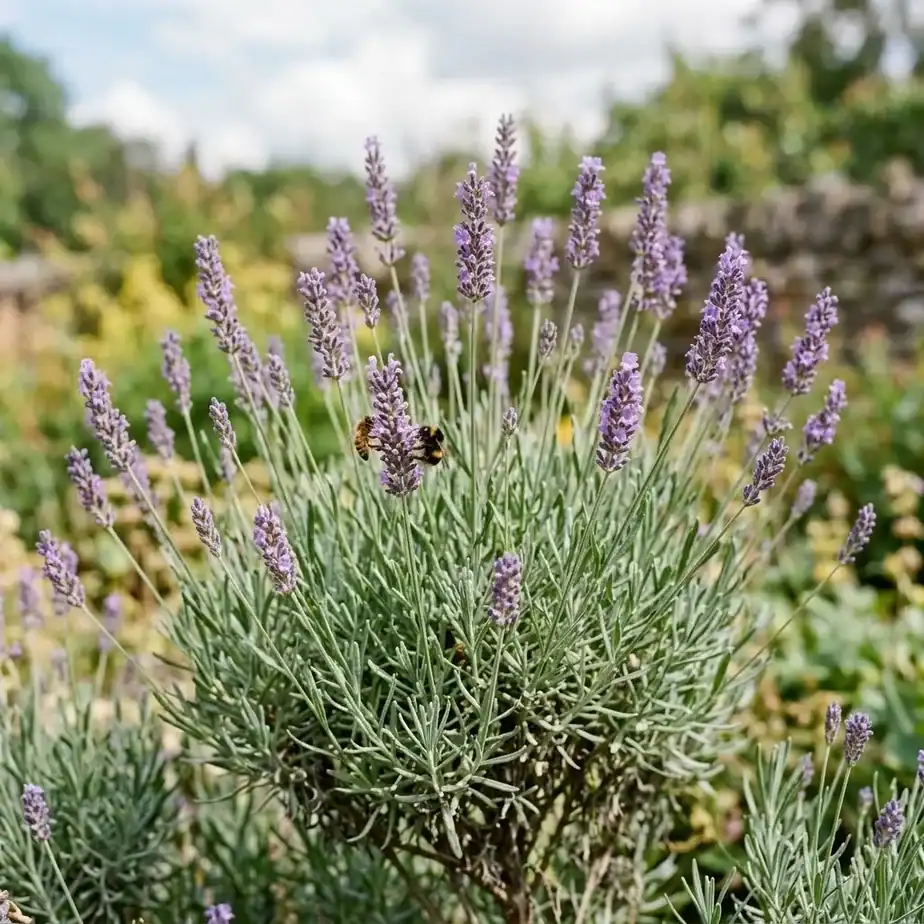
Lavender (Lavandula angustifolia) forms a woody shrub with narrow gray-green leaves and slender purple flower spikes that lend a floral note to tea blends. It prefers full sun, sharp drainage, and lean soil, and is one of the few tea herbs that sulks in rich, moist ground. Cut the flower spikes just as the buds open.
Bee balm
Bee balm (Monarda didyma) is a flowering plant with red, pink, or purple flowers that attract pollinators. The leaves and flowers both make a cup with a deep, slightly minty, slightly oregano-like flavor. It tolerates more shade than most tea herbs and grows well in a partly shaded corner. The pink flowers are the showiest in the garden, and the leaves are best picked just before the flowers open.
Rosemary
Rosemary (Salvia rosmarinus) is a tough evergreen shrub with needle-like leaves and a resinous, savory flavor. A small sprig steeped with a slice of lemon gives a black-tea-style lift without the caffeine. It wants sharp drainage and is hardy only in mild regions; elsewhere, bring the pot indoors to a sunny window for winter.
Lemon verbena
Lemon verbena (Aloysia citrodora) is a tender shrub with long, narrow leaves that carry an intense, pure lemon flavor. It is the herb to grow if you want a true lemon flavor in your cup without citrus peel. It wants full sun and is hardy only in mild-winter regions; elsewhere, bring it indoors to a sunny window for winter.
Echinacea
Echinacea (Echinacea purpurea), also called purple coneflower, sends up big daisy-like flowers with drooping pink petals. The leaves and the flowers can both be brewed into a soothing cup. It is a hardy plant that prefers full sun and well-drained soil, and its flowers draw butterflies and bees to the garden. Use the leaves and flowers fresh or dried.
More tea herbs worth a small pot
Beyond the eight mainstays above, several lesser-known herbs are easy to grow and earn a small place in the garden. The four below are forgiving, productive, and add a flavor you cannot buy in a tin. A short note at the end of this section covers a few more worth trying in pots.
Rosehip
Rosehip (Rosa canina), the bright red fruit of the dog rose, is picked after the first frost and dried for a tart, vitamin C-rich cup. The plant grows as a sprawling shrub in a sunny spot and tolerates poor soil. Steep a tablespoon of dried, broken hips in hot water for 10 minutes for a flavorful tea with a tangy finish, or blend them with a few dried hibiscus petals for a deeper red color.
Calendula
Calendula (Calendula officinalis) sends up bright orange and yellow daisy-like flowers from spring through fall. The petals dry well and add a soft, sunny color to tea blends, with a slightly peppery flavor. It is an easy annual that re-seeds itself in the same bed year after year, and the flowers are a strong draw for bees and butterflies in the garden.
Anise hyssop
Anise hyssop (Agastache foeniculum) is a hardy perennial with purple flower spikes and licorice-scented leaves. Both the leaves and the flowers make a sweet, slightly minty cup. It draws bees and hummingbirds, tolerates more cold than most tea herbs, and prefers a well-drained soil. Cut it back after flowering to keep the clump tidy and to encourage a second flush of leaves for late-season picking.
Horehound
Horehound (Marrubium vulgare) is a traditional bitter tea herb used in small amounts for soothing a sore throat. The plant has small, woolly leaves and is hardy in cold-winter regions, so it suits a kitchen garden at the back of the house. It is a long-lived perennial that likes a sunny, well-drained corner. Use a small amount in a tea blend rather than a single-herb cup, since the flavor is strong.
A few more are worth a small pot each. Thyme (Thymus vulgaris) makes a soothing cup with a savory, slightly minty flavor. Fennel (Foeniculum vulgare) gives feathery leaves and a sweet licorice note that brews into a flavorful tea. Borage sends up cucumber-scented leaves and star-shaped blue flowers that bees love. Catnip makes a gentle, slightly sweet cup for the evening. All four prefer a sunny spot and well-drained soil, and all are among the easiest herbs to grow from seed.
Three roots worth a corner of the garden
A few roots add deep, distinctive flavor to a tea blend. Most need a little more planning than leafy herbs, but a single small harvest is enough for a season of flavorful tea. The two below are the easiest to start with.
Ginger
Ginger (Zingiber officinale) is grown from a piece of fresh rhizome in a warm, partly shaded spot, either in a deep pot or a sheltered corner of the garden in mild regions. The young root is sliced thin and steeped for a spicy, soothing cup that aids digestion. Lift a small clump in autumn, save a few pieces for the next year’s planting, and dry the rest for winter use.
Dandelion root
Dandelion root (Taraxacum officinale) is dug in autumn from a clump you have let grow for two seasons. Slice the root, dry it in a low oven, then roast it in a dry pan for a deep, slightly bitter base for tea blends. A small jar of roasted dandelion root is a useful stand-in for coffee on a winter morning and pairs well with roasted chicory if you want a fuller, darker cup.
Where should you plant a tea garden?
Most tea plants need full sun, at least six hours of direct light a day, and soil that drains well so roots do not sit in water after a heavy rain. A spot near the back door works well, since you will walk past it often and remember to pick, water, and check for pests. Almost every plant in this guide grows well in containers as long as the pot has drainage holes and the soil is loose and rich. Many herbs are easy to start from a single small plant bought at a local nursery, which is the fastest way to grow herbs in a new garden bed.
Good drainage is the single most important growing condition for a tea garden. Soggy soil rots the roots of lavender and the other Mediterranean shrubs, and stunts the rest. If your bed holds water after a rain, build it up into a raised bed or mound, or work several inches of compost into the top foot of soil before planting.
For a quick start, plant a single large container with one mint in the center and a chamomile around the edge. Add a small lavender in a separate pot. That setup gives you a useful garden in a footprint no bigger than a kitchen stool.
How do you plant a tea garden?
Most tea plants are easy to grow from small starter plants bought at a local nursery, which gives you a harvest the first season rather than waiting for seeds. Plant in spring after your last frost date, in soil loosened to about a foot deep and amended with a few inches of compost. Space the plants according to their mature size: mint spreads, so give each plant about 18 inches; lavender forms a larger shrub, so leave 24 inches or more between them. The flowering annuals fill in the gaps and tolerate closer spacing.
Water new plants deeply at planting time, then keep the soil lightly moist for the first two or three weeks until roots establish. After that, most tea plants prefer a weekly deep soak rather than frequent shallow watering. The Mediterranean shrubs like to dry out between waterings; this leafy herb is the thirstiest of the group and benefits from steady moisture through the growing season.
For the broader basics of soil, spacing, and the rest of the herb garden fundamentals, the beginner’s guide to growing an herb garden covers the wider questions of bed preparation, watering, and feeding.
How do you care for them through the season?
Once established, these plants need very little. A light feeding with a balanced organic fertilizer in spring is enough for most, and too much fertilizer produces lush leaf growth with weaker flavor. The Mediterranean shrubs prefer soil on the lean side and do not need much feeding at all.
Pinch back the growing tips of mint and the leafy herbs every few weeks to keep the plants bushy and to delay flowering, since leaves are more flavorful before the plant puts energy into bloom. For the flowering types, the flowers are what you pick; the more you take, the more the plant produces.
Remove any yellowing or damaged leaves and watch for aphids on the tender new growth, particularly on the leafy herbs. A strong spray of water from the hose usually dislodges them. Powdery mildew can show up in humid weather on the flowering perennials; thin the plants for better airflow and avoid overhead watering late in the day.
For perennials like mint, lavender, and the other woody shrubs, give the plants a light mulch in late autumn after the first frost to protect the roots through winter. In cold regions, lavender may need winter protection or a move to a sheltered spot, since it is not as cold-hardy as the rest.
When and how do you harvest herbs for tea?
The best time to harvest is in the morning after the dew has dried but before the day heats up, when the essential oils in the leaves are most concentrated and the plants release their oils into the air. Pick on a dry day rather than after rain, since wet leaves and flowers turn brown and may mold during drying. Pick leaves in the morning for the brightest cup, and use the harvest fresh or set it aside for drying.
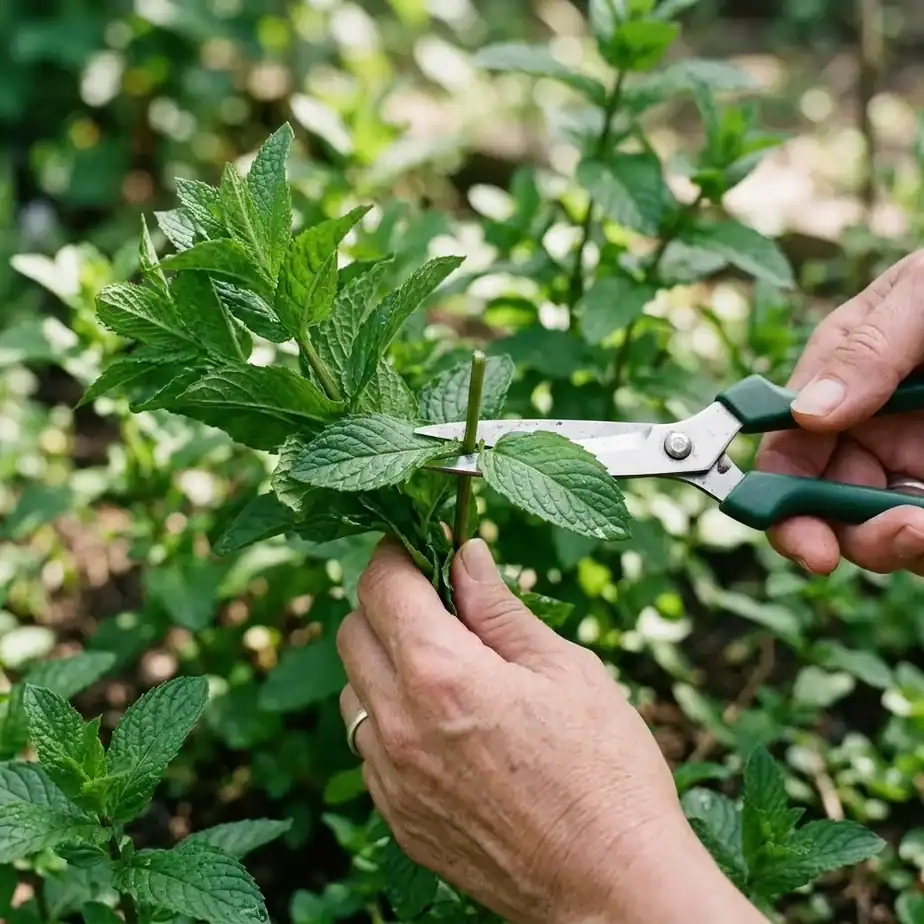
Snip healthy stems with clean, sharp scissors or garden snips, taking no more than a third of the plant at a time so it can recover and keep producing. For leafy herbs like mint and lemon verbena, cut just above a leaf pair to encourage branching. The cut stems will send out two new shoots within a week or two, doubling the next flush. For chamomile, pick the open flowers on a dry day. For lavender, cut the flower spikes just as the buds open. For echinacea, the leaves and the flowers can both be picked and are typically taken together.
Use the leaves and flowers fresh within a day or two, or move on to drying or freezing to keep them through the year. Most plants will keep producing for several cuttings in a single growing season; cut back to a third, give the plant a few weeks, and you can pick the next round.
How do you dry and store your harvest?
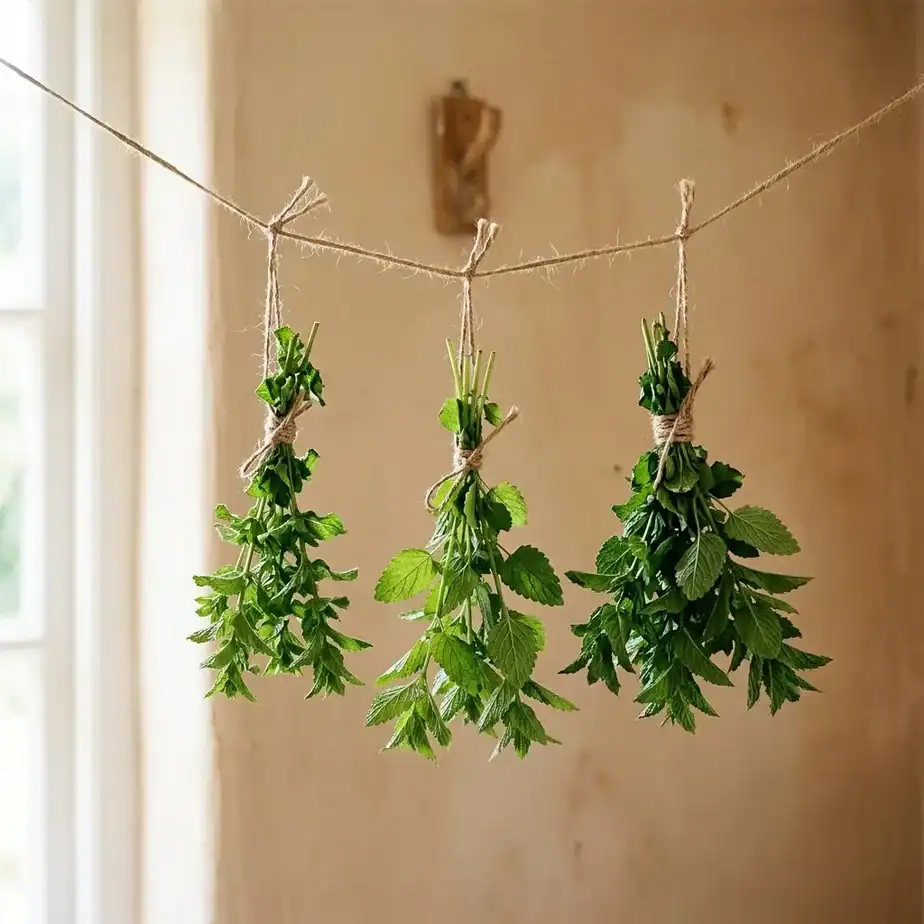
Air drying is the simplest method. Tie small bundles of stems with twine and hang them upside down in a warm, dry, well-ventilated spot out of direct sunlight. Most leafy herbs dry in one to two weeks; the leaves should feel crisp and crumble easily when crushed. Strip the dried leaves off the stems and store them in airtight jars in a cool, dark cupboard, away from heat and light, which fade the color and weaken the flavor. Label each jar with the plant name and the date.
A dehydrator set to around 95 to 110 degrees Fahrenheit works well for larger harvests and for flowers like lavender and echinacea, which dry best at low heat. Higher temperatures drive off the essential oils that give each cup its character.
Both fresh and dried herbs make good tea. Fresh leaves give a brighter, greener cup; dried leaves give a deeper, more concentrated flavor. Freezing is another option: chop fresh mint, pack into ice cube trays with a little water, and drop a cube into a cup of hot water for an instant cup of tea.
How do you brew a cup of fresh herbal tea?
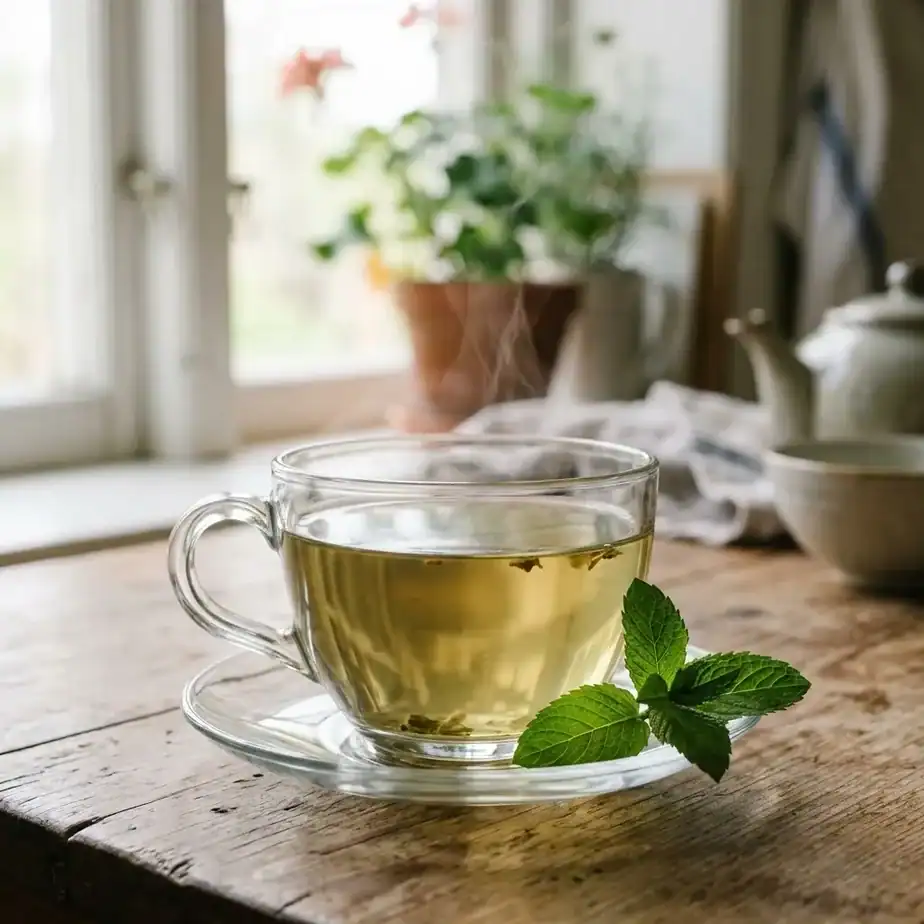
Brewing tea at home is simple. For a single cup, add 1 tablespoon of dried leaves or flowers, or roughly two tablespoons of fresh, lightly bruised. Place them in a cup or a small teapot, pour just-boiled water over them, and steep for 5 to 7 minutes. Cover the cup while steeping so the aromatic oils do not escape with the steam. Strain, and sweeten with honey or a slice of lemon if you like.
For an iced version, brew a stronger infusion, double the herbs to water, let it cool, then pour over ice. Both work well cold. A cup of homegrown iced tea in summer is a steady reward for the work that went into the garden.
Blending your own tea is part of the fun. A simple tea blend of mint and chamomile is a classic, soothing cup. Lemon balm and lavender together are more floral, and a single herb on its own brings a slightly oregano-like note. A pinch of dried fennel leaves for tea adds a sweet, licorice note that pairs well with lemon balm. For a black-tea-style cup, steep a small sprig with a slice of lemon for a fragrant, caffeine-free alternative to earl grey. A general rule: pick two or three herbs at a time and brew a small test cup before committing to a larger pot.
For readers curious about the wider wellness side of medicinal herbs and their traditional uses, the guide to enjoying medicinal herbs adds safety context and sourcing for using them in teas and infusions.
Common questions about growing tea herbs
Can I grow these indoors? Yes, in pots on a sunny windowsill. Lavender wants a south-facing window and cooler nights, so it is best brought inside for one season and moved back out in spring.
What is the easiest to start with? Mint, chamomile, and lemon balm are all forgiving of less-than-perfect soil and partial shade. Pick one, and the others are easy to add the next year.
Do these plants attract pollinators? Yes, anise hyssop, borage, calendula, and bee balm are strong pollinator plants. The pink flowers and the purple spikes of anise hyssop are particularly good for bees and hummingbirds.
Can I use them for things other than tea? Yes. The same leaves and flowers are useful in the kitchen, and several of them are popular herbs in cooking and baking. Lemon balm and lavender are good in savory cooking, and a few show up in sweet bakes too.
I have no yard. Can I still start one? Yes. Many of these herbs grow well on a sunny balcony or in a few pots by a bright window. Start with one or two plants and add a second pot as you get the feel for what they need.
A short note on safety
Most common tea herbs, in the amounts used for a single cup, are safe for healthy adults. If you are pregnant, breastfeeding, taking prescription medication, or giving herbal teas to children, check with a qualified practitioner before adding a new herb to your daily routine. Some plants, including chamomile, belong to families that can trigger reactions in people with allergies such as ragweed sensitivity. Growing your own herbs is the easiest way to know exactly what is in your cup, and to start with a single cup of herbal tea rather than a concentrated preparation. If a symptom is severe, persistent, or worsening, see a qualified clinician rather than self-treating with tea.
Growing your own tea garden gives you a small but real step toward self-sufficiency at the kitchen counter. Pick what you like, plant a few pots, and you will have a steady supply of fresh, fragrant herbal tea from your own garden all season, a small apothecary of homegrown herbs to draw from, and a stocked jar of dried leaves to last through the winter.