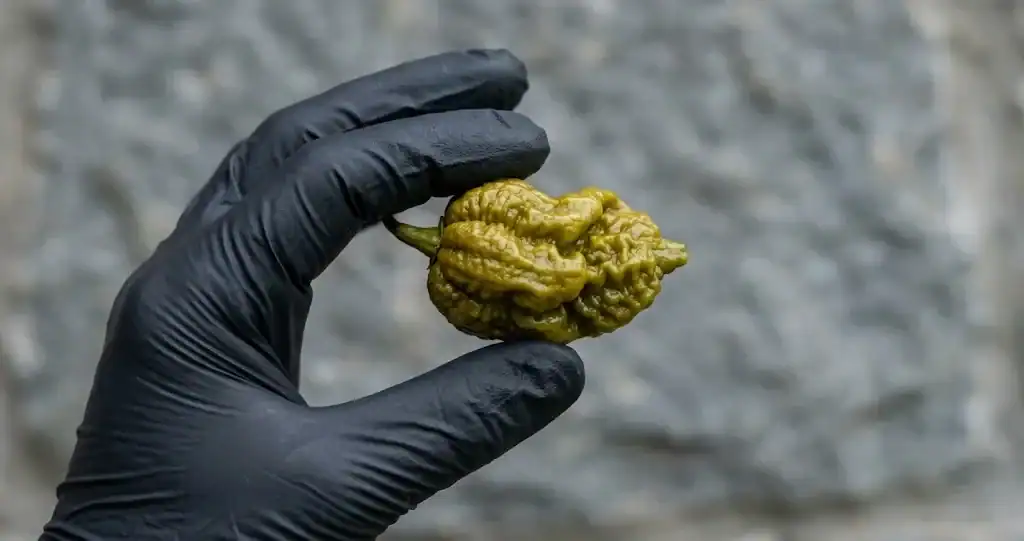
The world’s hottest peppers are easy to misrank because their published figures do not all come from the same test, year, or record program. The clearest answer today is simple: the record authority recognizes Pepper X as the current holder, at an average 2,693,000 Scoville Heat Units (SHU). The rest of this guide separates certified record holders from notable peppers listed by a single research source, so the numbers stay useful without pretending that every figure is directly comparable. For milder garden varieties, see our guide to types of chili peppers.
How to interpret the heat figures
The Scoville scale measures pungency through capsaicin concentration. The original method used diluted extracts and tasting panels, while laboratories now commonly use high-performance liquid chromatography to measure capsaicinoids. Heat can vary among plants and fruit, so a record result, a laboratory average, and a general variety range should not be treated as identical evidence.
The public record rules describe a title based on the heat of a single fruit. For this record, the authority reports that Winthrop University tested specimens from the previous four years. That careful record history is stronger evidence than an eye-catching number repeated without its source.
1. The current record holder
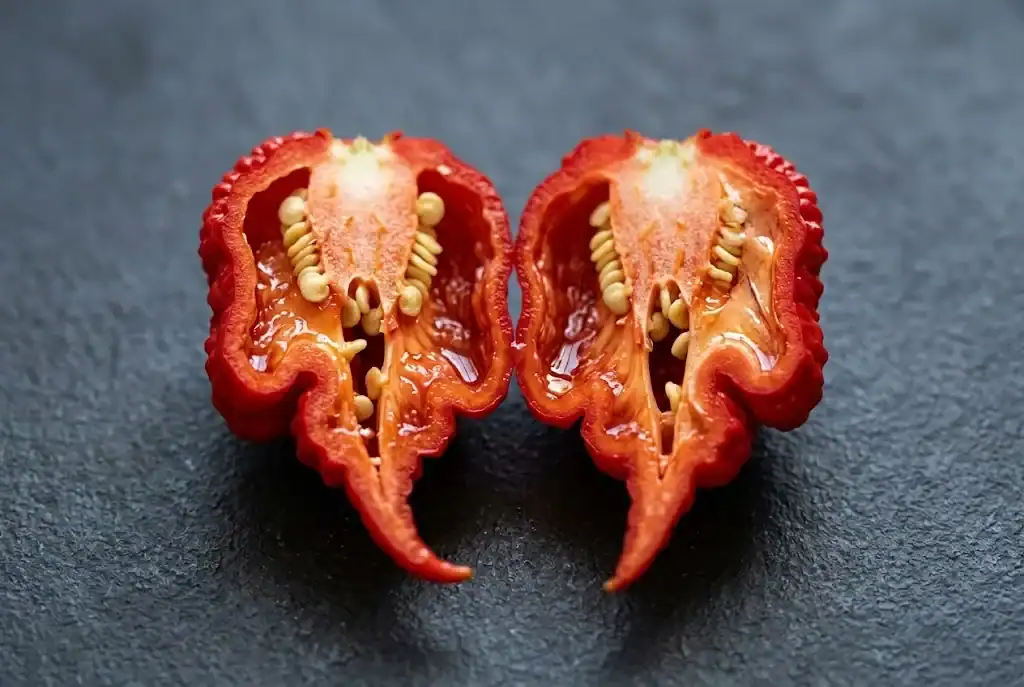
The cultivar is the current certified hottest pepper in the world. The record authority announced the title on 16 October 2023, with the cited average from testing by Winthrop University in South Carolina. Ed Currie of PuckerButt Pepper Company developed it through more than ten years of selective breeding. Its bumpy, greenish-yellow pods have deep folds, and Guinness notes that the extra folds create more internal surface for the placenta, where capsaicin is concentrated. Read more in our guide to Pepper X peppers.
Previous official record holders
Carolina Reaper
The Carolina Reaper peppers held the official title from November 2013 until it was replaced in 2023. The record authority confirmed the Reaper’s original record at an average 1,569,300 SHU in 2013. A later Guinness report gave a 1,641,183-SHU average from Winthrop University testing, so use the figure with its source and date rather than treating it as a universal rating.
Trinidad Scorpion Butch T
Before the Reaper, the Trinidad Scorpion Butch T held the official title at 1,463,700 SHU in March 2011. It remains an important record-holder in the modern superhot timeline, but a historic record is not a guarantee that every current seed line or pod will test at that number.
Notable peppers measured by New Mexico State University
The Chile Pepper Institute at New Mexico State University publishes a list of the hottest chiles it has tested. The figures below preserve that source’s order instead of mixing them with unrelated peaks, commercial claims, or Guinness records.
- Trinidad Moruga Scorpion, 2 million SHU. CPI lists this pepper first among the chiles it has tested.
- Chocolate 7 Pot, 1.8 million heat units. CPI lists this pepper second among the chiles it has tested.
- Trinidad Scorpion, 1.5 million heat units. This is a separate CPI list entry from the historic Butch T record. Keep the names and source context distinct when comparing them.
- Bhut Jolokia, 1 million heat units. Also called ghost pepper, Bhut Jolokia is a putative naturally occurring interspecific hybrid according to Chile Pepper Institute literature. It is not accurate to call it a landrace.
- Red Savina Habanero, 500,000 SHU. CPI includes it in its documented heat list.
Why this guide stops with documented figures
This guide lists only the current record and figures published by the named sources above. It does not rank varieties for which it cannot identify the test, date, and organization behind a stated heat figure.
Safe handling for super-hot peppers
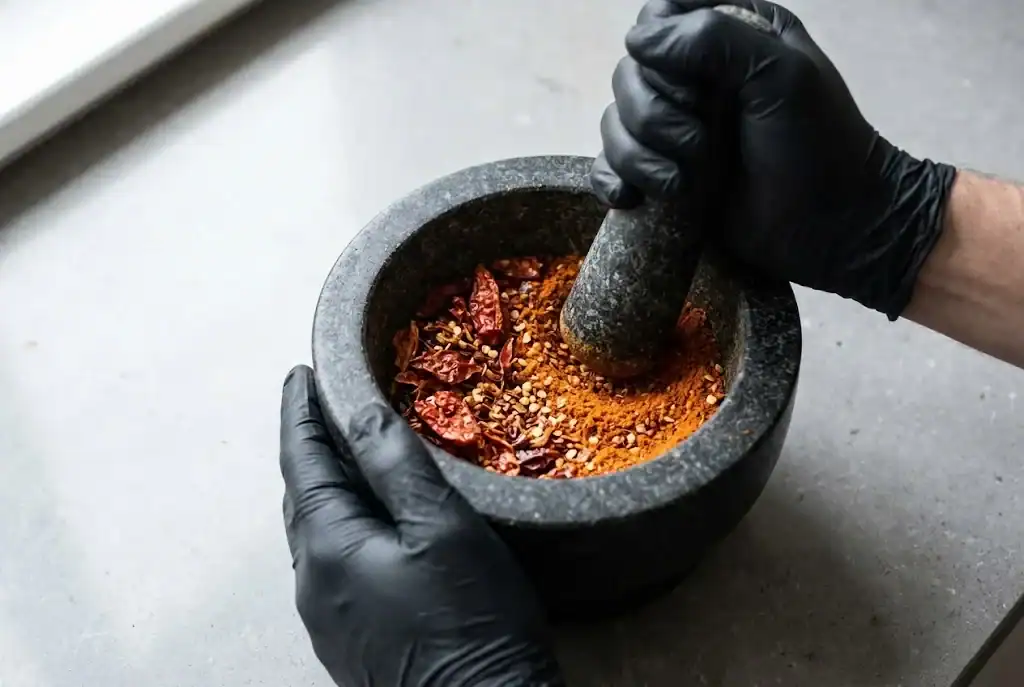
Capsaicin can irritate skin, eyes, airways, and the gastrointestinal tract. Poison Control recommends wearing gloves, using fresh air when preparing hot peppers, and keeping your hands away from your face and eyes.
- If pepper material gets on skin, Poison Control advises warm-water flushing and notes that vegetable oil, diluted vinegar soaks, or a liquid antacid may help with discomfort.
- If it reaches an eye, flush with warm water for 15 minutes. Seek immediate expert advice from Poison Control.
- For oral burning, small sips of milk may help.
- Call emergency services for trouble breathing or chest discomfort. People with asthma or other respiratory sensitivity should avoid pepper fumes.
Frequently asked questions
What is the hottest pepper today?
As of 20 September 2026, the cultivar is the current record holder. Records can change, so check the record authority before repeating the claim.
Why should heat figures carry a source and date?
A current record, a reported average, and a research institute’s list answer different questions. Source labels and dates let readers compare them without treating them as one universal rating.
Primary sources for the heat figures and safety guidance
- Official record rules
- 2023 titleholder announcement
- 2013 Carolina Reaper announcement
- New Mexico State University Chile Pepper Institute, heat list
- Poison Control, capsaicin exposure guidance
