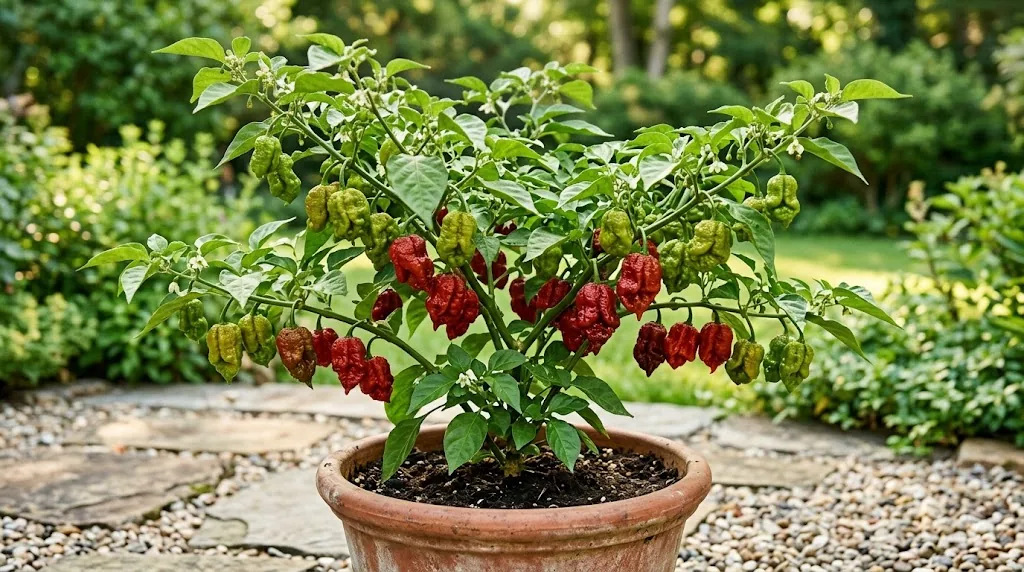
In the competitive arena of superhot peppers, a dramatic milestone arrived when Guinness World Records officially verified that Pepper X is the new hottest pepper in the world in late 2023. Bred by Ed Currie, the founder of PuckerButt Pepper Company in Fort Mill, South Carolina, this bumpy, mustard-green cultivar represents more than a decade of selective breeding. It surpassed the famous Carolina Reaper by delivering an astonishing level of heat that redefined the scoville scale. Here is what is documented about the cultivar (Capsicum chinense), including its breeding background, laboratory pungency measurements, botanical anatomy, growing conditions, and culinary reality.
Origin and history of the cultivar
The story of Pepper X is the result of focused agricultural work in South Carolina. After Currie created the Carolina Reaper, which held the previous record for a decade, the grower continued crossing potent strains to explore the upper limits of pungency. Guinness reports that he crossed some of his hottest peppers over more than a decade. The precise parent varieties have not been publicly documented.
Currie unveiled the variety on Hot Ones when Guinness announced the record in October 2023. Pepper X later appeared in The Last Dab: Xperience hot sauce. In October 2023, Guinness adjudicators formally recognized the achievement, presenting Currie with the world record certificate. Pepper X was recognized by the Guinness team as the official record holder following years of testing. To discover how extreme chinense cultivars compare to milder everyday varieties, explore our comprehensive guide to types of chili peppers.
Botany and physical characteristics of the plant
Botanically, Pepper X is a cultivar within the nightshade species Capsicum chinense, sharing family ties with the habanero and Trinidad Scorpion. The plant exhibits characteristic traits of tropical super-hot varieties: compact woody branches, broad vibrant foliage, and pendant fruiting habits. Published information does not establish a reliable plant height for home gardens.
What sets the actual pepper apart is its heavily contorted morphology. Rather than developing smooth skin, the pods develop deep wrinkles, grooved lobes, and an irregular, lobed tip. Color development is equally distinctive. While many extreme chili peppers ripen to brilliant red, Pepper X matures into an earthy greenish-yellow shade. Inside, the fruit contains an enlarged placenta that occupies almost the entire inner cavity. Guinness explains that capsaicin is concentrated in placental tissue rather than the seeds. The pod’s deeply folded interior provides more surface area for that tissue.

Pepper X Scoville rating and pungency
The official Pepper X Scoville rating established an astonishing average of 2.693 million Scoville heat units (SHU). Pungency testing was conducted at Winthrop University in South Carolina, where analytical researchers evaluated multiple harvests using high-performance liquid chromatography. Guinness reports an average of 2,693,000 SHU from specimens tested across four years. A Scoville heat unit (SHU) expresses pungency from capsaicinoid concentration. The record is a measured average, not a promise that every pod has the same heat.
To put that heat level into practical perspective, Pepper X is significantly hotter than the Carolina Reaper, which had set the prior benchmark averaging 1.64 million SHU. It is also hundreds of times hotter than a standard jalapeño. For a wider comparison across legendary superhots, examine our ranking of the hottest chili peppers in the world.
Flavor profile and culinary character
Evaluating the flavor profile of an extreme hot pepper requires looking past the blazing spiciness. Flavor descriptions vary, and hot sauce ingredients can mask the pepper’s own taste. Expect any flavor impression to be brief beside its intense heat.
Once the chemical burn begins, the sensations build with fierce momentum. The heat can linger, but its duration varies by serving size and by the person tasting it. Because fresh pods trigger intense physical discomfort, people rarely consume them whole; instead, cooks experience the variety almost entirely through carefully formulated condiments.
Growing conditions: germination, soil, and care
Gardeners hoping to plant Pepper X at home will encounter an immediate limitation: legitimate seeds remain proprietary. The breeder says it does not sell seeds or plants to the public. A listing from another seller cannot be treated as authenticated Pepper X stock without independent proof. Enthusiasts seeking an authentic superhot project should instead grow the Carolina Reaper from reputable seed providers.
If authentic planting stock becomes available, use its breeder’s instructions for germination and harvest timing. No public, variety-specific home-growing trial establishes those figures. As general pepper guidance, Penn State Extension notes that warm germination media helps pepper seeds sprout, while Clemson Extension recommends well-drained soil, a warm season, and steady moisture for garden peppers. Clemson’s guide covers Capsicum annuum, so its maturity estimates should not be presented as figures for this cultivar.
Harvesting and handling safety
Working with any extreme chili crop demands thorough safety precautions. Capsaicin can irritate skin and eyes. Wear intact disposable gloves and eye protection when cutting very hot peppers, and replace gloves if they tear or become contaminated.
Keep the work area ventilated, especially when heating peppers, and avoid touching your face. Wash exposed skin with soap and running water. If pepper juice reaches an eye, rinse with clean running water; seek medical advice if pain persists.

Storing, drying, and preserving methods
Preserving superhot crops requires careful handling to avoid filling indoor air with pungent vapors. Refrigerate fresh pods and use them while they remain sound; storage life varies with freshness and temperature. For extended preservation, freezing whole peppers in airtight bags locks in aroma while softening cell structures for subsequent blending.
Drying is another reliable approach, though operating an electric dehydrator indoors with intense pods can irritate household air. Position dehydrators in an open garage or well-ventilated patio. When the pods become brittle, store them whole in sealed glass jars away from direct sunlight. Fermented pepper mash requires a tested recipe and careful control of salt, acidity, and storage conditions; do not assume an improvised salt brine is shelf-stable.
Culinary uses and hot sauce products
Because whole pods are too intense for standard cooking, commercial hot sauce items and specialty marinades represent the primary way to enjoy this harvest. The Last Dab: Xperience is one commercial hot sauce featuring the cultivar. Its vinegar and spices make the sauce easier to portion than a raw pod. Adding a single drop to a pot of barbecue sauce, winter chili, or chicken glaze introduces bold warmth without muting complementary ingredients.
When incorporating potent sauces into home cooking, measure with restraint. Blend a few drops into sauces, soups, or dressings, allow the mixture to settle, and taste before increasing the quantity. Dilution ensures you appreciate the complex warmth while keeping the dish welcoming for everyone at the table.

Frequently asked questions
What is the official Scoville rating of Pepper X?
Testing completed at Winthrop University determined that Pepper X reached an average of 2,693,000 Scoville heat units, establishing it as the official Guinness World Record title.
Are authentic seeds available for home gardeners?
No. Creator Ed Currie has kept the parent stock proprietary to protect breeding rights. Any online seed packets labeled with this variety are unofficial crosses.
What color does the ripe fruit turn?
Unlike most famous superhot chilies that turn bright red at maturity, this variety ripens to a distinctive yellowish-green or mustard hue.
Research and authoritative sources
- Guinness World Records, Certification of World’s Hottest Chilli Pepper
- Winthrop University, Analytical HPLC Testing of Pepper X
- Clemson University Cooperative Extension, General Pepper Guidelines
- PuckerButt Pepper Company, Seed Availability
