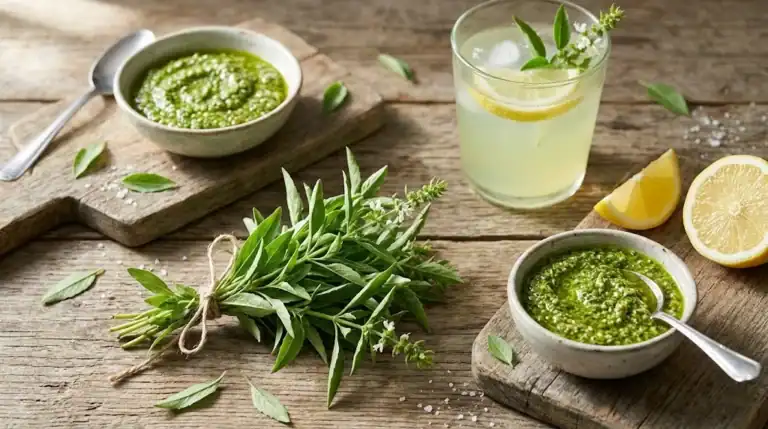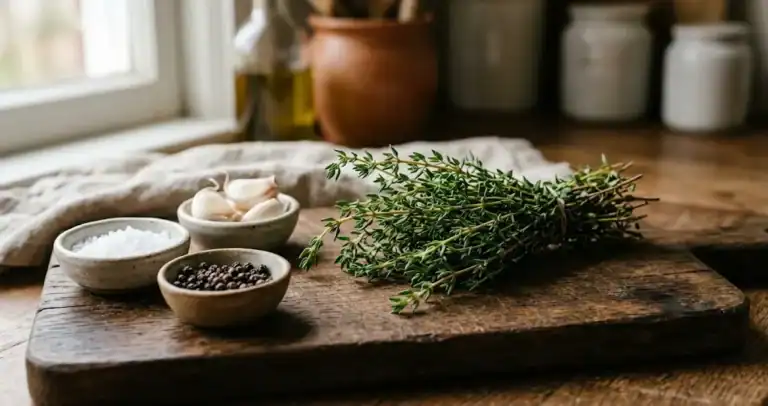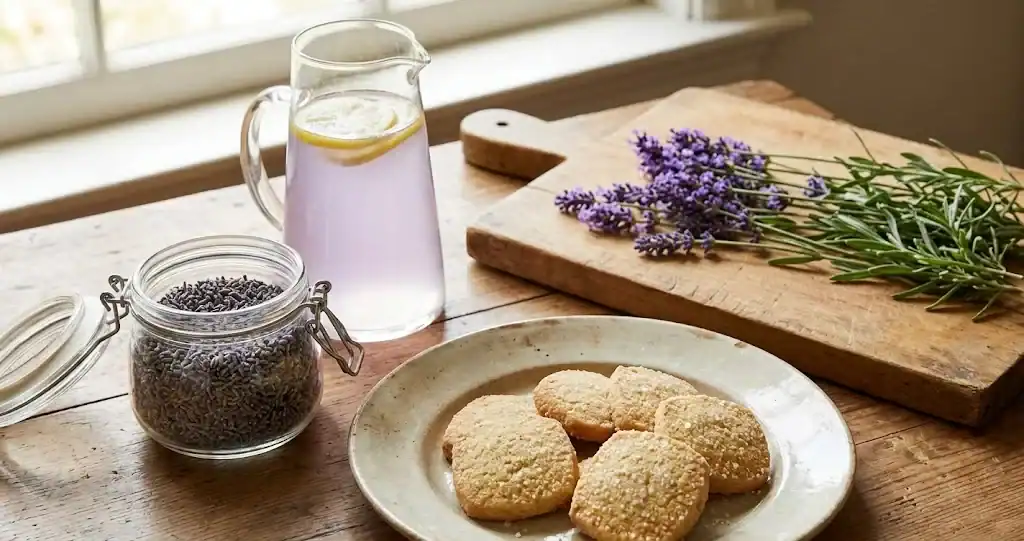
Culinary lavender is one of the most versatile edible plants you can bring into your kitchen. Derived primarily from English lavender (Lavandula angustifolia), its purple florets carry sweet, citrusy, and subtly balsamic notes that elevate both sweet baked goods and savory meals. A single pinch of dried buds can transform everyday pantry staples into elegant treats, from buttery cookies and flaky scones to refreshing summer drinks and golden roast chicken. Whether you are baking a comforting weekend dessert or preparing a special dinner, this ingredient adds a distinctive touch.
When learning how to cook with an edible flower, balance is everything. Because fragrant blooms contain concentrated essential oils, using too much can quickly overpower a dish and create an unpleasantly bitter aftertaste. Using them with a light touch, however, brings out a delicate aroma that pairs naturally with citrus, raw honey, berries, rich dairy, and Mediterranean seasonings. If you want to explore how the common culinary herbs compare across different cooking traditions, English blooms stand out for their unique bridge between the pastry kitchen and savory roasting.
Essential Guidelines and Tips for Cooking with This Herb
Before diving into the recipe collection, understanding how to select and prepare lavender for cooking ensures the best possible flavor in your food. Not all garden plants or florist stems are suitable for cooking and baking.
Among the many varieties of lavender grown across the world, only specific types should be used for cooking. English lavender is the preferred variety for cooking because of its sweet, gentle fragrance and low camphor content. Provence hybrids, known as lavandins, carry higher camphor levels and are best used sparingly in robust meat rubs. By contrast, French and Spanish varieties can taste harsh and resinous in delicate food preparations. To master the broader techniques of incorporating this botanical ingredient into daily meals, you can explore creative ways to cook with lavender across breakfasts, main courses, and homemade confections.
Whether you harvest fresh sprigs from your own garden or purchase dried buds from a certified organic lavender farm, quality sourcing is paramount. While some commercial bakers use botanical extract, whole blossoms deliver a far cleaner, more nuanced taste that enhances every bake.
Classic Sweet Bakes and Lavender Desserts
Baking is perhaps the most beloved way to celebrate the flavor of lavender. The botanical aroma infuses beautifully into butter, sugar, and cream, creating comforting bakes with sophisticated bakery style.
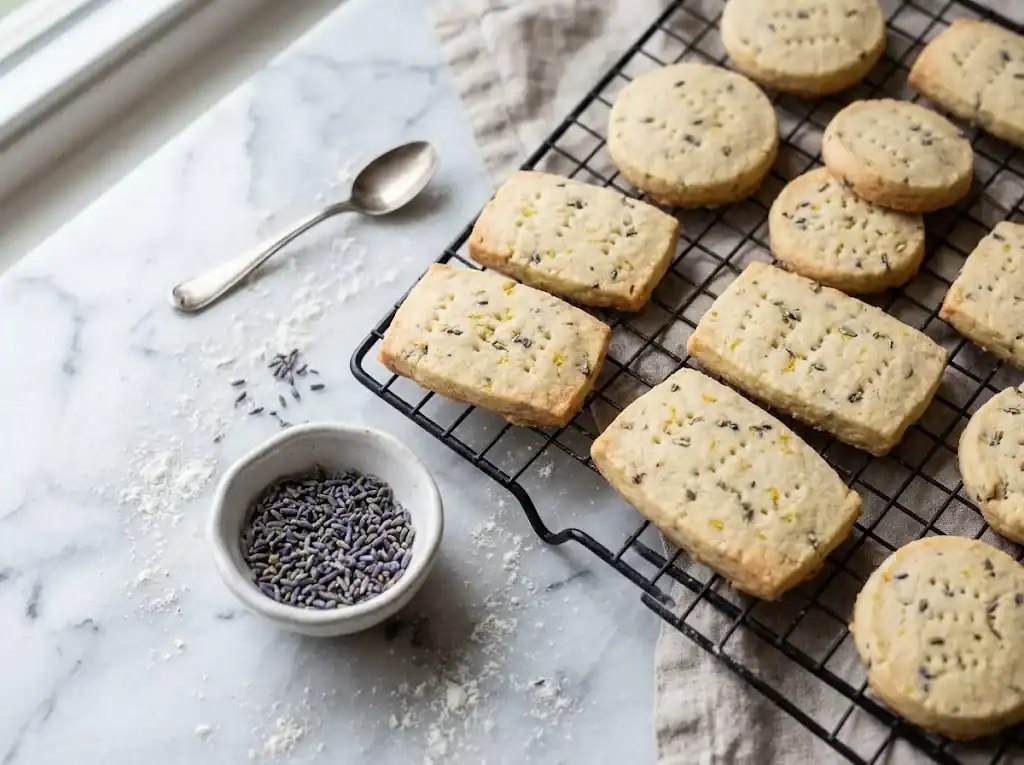
1. Buttery Lemon Lavender Shortbread Cookies
These crisp, buttery shortbread cookies are an all-time favorite summer treat. The bright citrus notes of fresh zest cut through the rich butter, while finely ground purple buds add subtle sophistication.
- Prep time: 15 minutes (plus 30 minutes chilling)
- Bake time: 18 to 20 minutes
- Yield: 24 cookies
Ingredients:
- 1 cup (2 sticks) unsalted butter, softened at room temperature
- 1/2 cup granulated sugar
- 1 tablespoon freshly grated lemon zest
- 1.5 teaspoons lavender buds, finely crushed
- 1 teaspoon pure vanilla extract
- 2 cups all-purpose flour
- 1/2 teaspoon fine sea salt
- 2 tablespoons coarse sparkling sugar for topping (optional)
Instructions:
- In a small bowl, rub the granulated sugar, lemon zest, and crushed buds together between your fingertips for 1 minute until fragrant. This releases the essential oils directly into the sugar crystals.
- In a large bowl or stand mixer, beat the softened butter and infused sugar until smooth and creamy. Mix in the vanilla extract.
- Add the all-purpose flour and sea salt. Mix on low speed just until a soft cookie dough forms.
- Shape the dough into a log approximately 2 inches in diameter. Wrap tightly in parchment paper and chill in the refrigerator for at least 30 minutes.
- Preheat your oven to 350 degrees Fahrenheit (175 degrees Celsius) and line two baking sheets with parchment paper.
- Slice the chilled log into 1/3-inch thick rounds. Place them 1 inch apart on the prepared baking sheets. Sprinkle lightly with sparkling sugar if desired.
- Bake for 18 to 20 minutes, until the edges are lightly golden. Allow the shortbread to cool on the baking sheet for 5 minutes before transferring to a wire rack to cool completely.
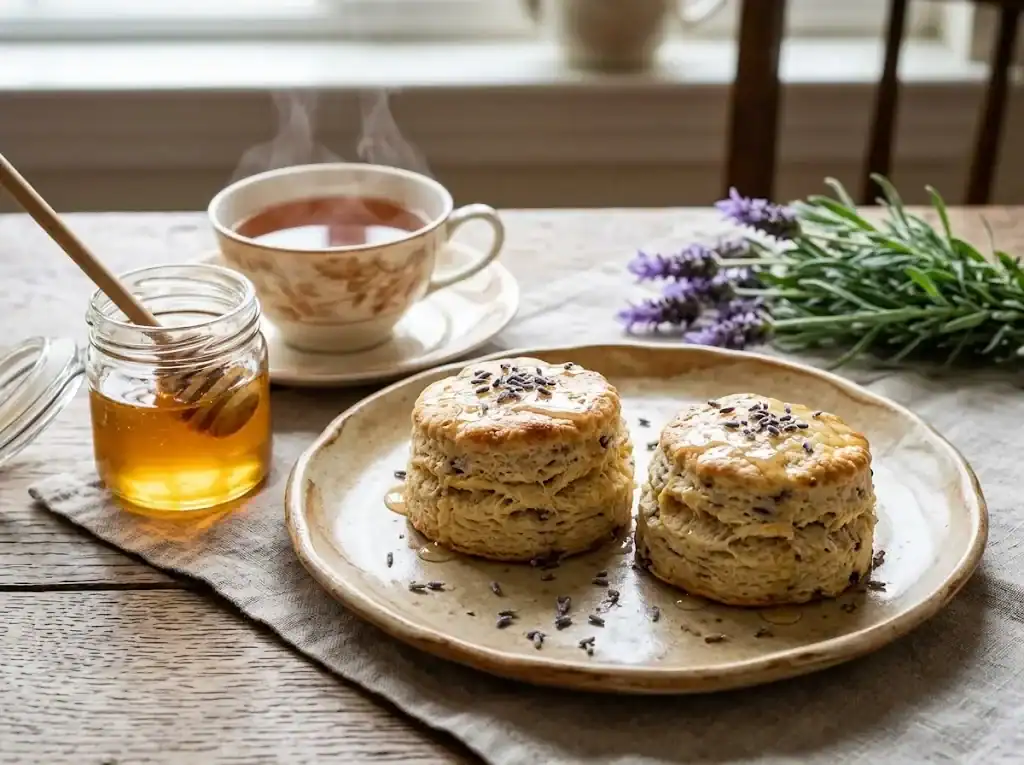
2. Tender Honey Lavender Scones with Citrus Glaze
These fluffy, tender scones combine sweet clover honey and fragrant purple buds with a tart citrus glaze, making them ideal for morning tea or a weekend brunch snack. Each freshly baked scone has a delicate crumb that pairs wonderfully with hot tea or coffee.
- Prep time: 20 minutes
- Bake time: 15 to 18 minutes
- Yield: 8 large scones
Ingredients:
- 2 cups all-purpose flour
- 1/4 cup granulated sugar
- 1 tablespoon baking powder
- 1/2 teaspoon salt
- 1.5 teaspoons dried lavender flowers, lightly crushed
- 6 tablespoons cold unsalted butter, cut into small cubes
- 1/3 cup heavy cream (plus 1 tablespoon for brushing)
- 3 tablespoons clover honey
- 1 large egg
- 1 teaspoon pure vanilla extract
- For the citrus glaze: 1 cup powdered sugar, 2 tablespoons fresh citrus juice, 1/2 teaspoon finely grated zest
Instructions:
- Preheat your oven to 400 degrees Fahrenheit (200 degrees Celsius) and line a baking sheet with parchment paper.
- In a large mixing bowl, whisk together the flour, sugar, baking powder, salt, and crushed purple petals.
- Add the cold cubed butter. Use a pastry cutter or your fingertips to work the butter into the dry ingredients until coarse, pea-sized crumbs form.
- In a separate measuring cup, whisk together the heavy cream, honey, egg, and vanilla extract.
- Pour the wet ingredients into the flour mixture. Stir with a fork just until the dough comes together. Do not overwork the dough.
- Turn the dough onto a lightly floured surface and gently pat it into an 8-inch circle about 1 inch thick. Cut into 8 equal wedges.
- Arrange the wedges on the baking sheet, brush the tops with a tablespoon of heavy cream, and bake for 15 to 18 minutes until golden brown.
- While the scones cool, whisk the powdered sugar, fresh citrus juice, and zest in a small bowl to make the glaze. Drizzle over warm scones before serving.
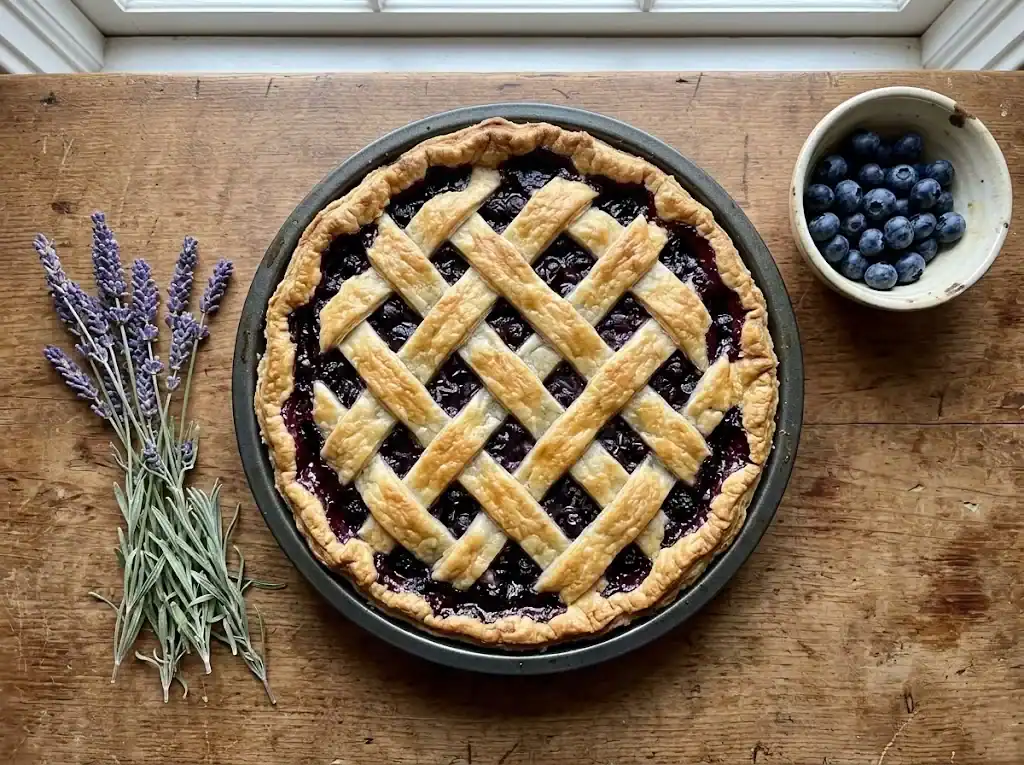
3. Rustic Blueberry Lavender Pie
Blueberry lavender is one of the most delightful flavor pairings in the pastry world. The juicy sweetness of fresh berries complements the aromatic complexity of English buds in a flaky, golden double crust.
- Prep time: 25 minutes
- Bake time: 45 to 50 minutes
- Yield: One 9-inch pie
Ingredients:
- 1 double pie dough crust recipe (store-bought or homemade)
- 5 cups fresh blueberries (or frozen, unthawed)
- 2/3 cup granulated sugar
- 3 tablespoons cornstarch
- 1.5 teaspoons dried lavender buds, pulverized in a spice grinder
- 1 tablespoon fresh citrus juice
- 1/4 teaspoon ground cinnamon
- 1 tablespoon cold butter, cut into tiny dots
- 1 egg beaten with 1 tablespoon milk for egg wash
Instructions:
- Preheat your oven to 400 degrees Fahrenheit (200 degrees Celsius). Roll out half the pie dough and fit it into a 9-inch pie dish.
- In a large bowl, toss the blueberries with granulated sugar, cornstarch, pulverized buds, fresh citrus juice, and ground cinnamon.
- Pour the blueberry filling into the prepared crust and dot the top with small pieces of cold butter.
- Roll out the second pie crust round. Place it over the filling, crimp the edges to seal, and cut several slits in the top to vent steam (or weave a lattice pattern).
- Brush the top crust with the egg wash and sprinkle lightly with sugar.
- Bake for 20 minutes at 400 degrees Fahrenheit, then reduce the heat to 350 degrees Fahrenheit (175 degrees Celsius) and bake for an additional 25 to 30 minutes until the crust is golden brown and the berry juices bubble thickly. Cool completely before slicing.
4. Moist Earl Grey and Lavender Tea Loaf Cake
Infusing bergamot-rich Earl Grey tea and fragrant English buds into warm milk yields an exceptionally moist, fluffy tea cake topped with a delicate glaze.
- Prep time: 20 minutes
- Bake time: 45 to 50 minutes
- Yield: One 8×4 inch loaf
Ingredients:
- 1/2 cup whole milk
- 2 Earl Grey tea bags
- 1 teaspoon lavender buds
- 1.5 cups all-purpose flour
- 1.5 teaspoons baking powder
- 1/4 teaspoon salt
- 1/2 cup unsalted butter, softened
- 3/4 cup granulated sugar
- 2 large eggs, room temperature
- 1 teaspoon vanilla extract
- For the tea glaze: 3/4 cup powdered sugar mixed with 1 to 2 tablespoons reserved infused milk
Instructions:
- Warm the whole milk in a small saucepan until steaming. Add the Earl Grey tea bags and purple buds, cover, and let steep for 15 minutes. Strain, pressing the liquid from the tea bags, and let cool. Reserve 2 tablespoons for the glaze.
- Preheat oven to 350 degrees Fahrenheit (175 degrees Celsius) and grease an 8×4 inch loaf pan.
- Whisk the flour, baking powder, and salt in a bowl.
- Beat the butter and sugar together in a mixing bowl until light and fluffy. Add eggs one at a time, followed by the vanilla extract.
- Alternate adding the flour mixture and the infused milk, beginning and ending with the flour. Mix only until combined.
- Spread the batter into the loaf pan and bake for 45 to 50 minutes, until a toothpick inserted into the center comes out clean.
- Cool in the pan for 10 minutes, turn out onto a rack, and drizzle with the tea glaze once completely cool.
Refreshing Botanical Drinks, Syrups, and Libations
Beverages offer an easy, refreshing way to enjoy aromatic herbs. Because dried blossoms steep quickly in warm water, homemade syrups and infusions take minimal effort to make.
5. Homemade Lavender Simple Syrup
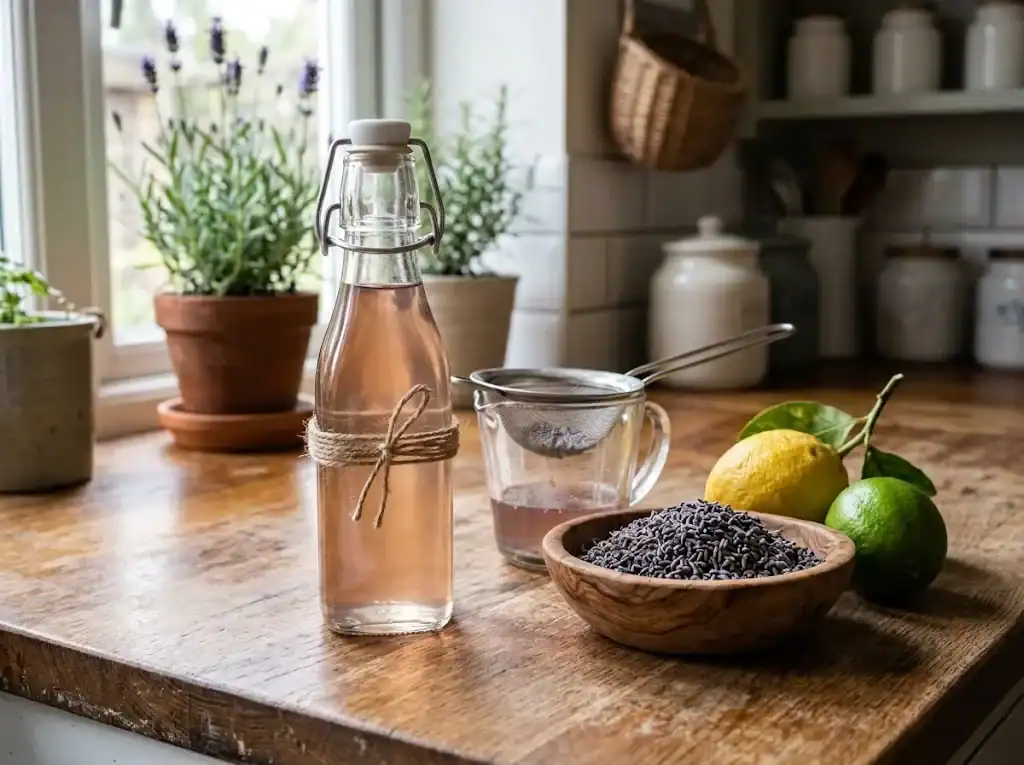
Lavender simple syrup is the ultimate building block for craft drinks. This flavored syrup is easy to make and keeps well in your refrigerator to sweeten a morning latte, flavor sparkling water, mix into a mixed drink, or drizzle over fresh fruit sorbet.
- Prep time: 5 minutes
- Cook time: 10 minutes (plus 20 minutes steeping)
- Yield: About 1 cup of syrup
Ingredients:
- 1 cup filtered water
- 1 cup granulated white sugar (or light honey)
- 2 tablespoons dried lavender buds
- 1 strip fresh citrus peel (optional, for brightness)
Instructions:
- In a small saucepan, combine the water, granulated sugar, dried buds, and citrus peel over medium heat.
- Bring the mixture to a gentle simmer, stirring until the sugar dissolves completely.
- Simmer gently for 5 minutes, then remove the pan from heat.
- Cover and allow the syrup to steep for 20 minutes. Taste as it steeps; if you prefer a lighter botanical note, strain earlier.
- Pour the syrup through a fine-mesh sieve into a clean glass jar or bottle, discarding the spent buds. Cool to room temperature, seal tightly, and store in the refrigerator for up to 4 weeks.
6. Crisp Fresh Lavender Lemonade
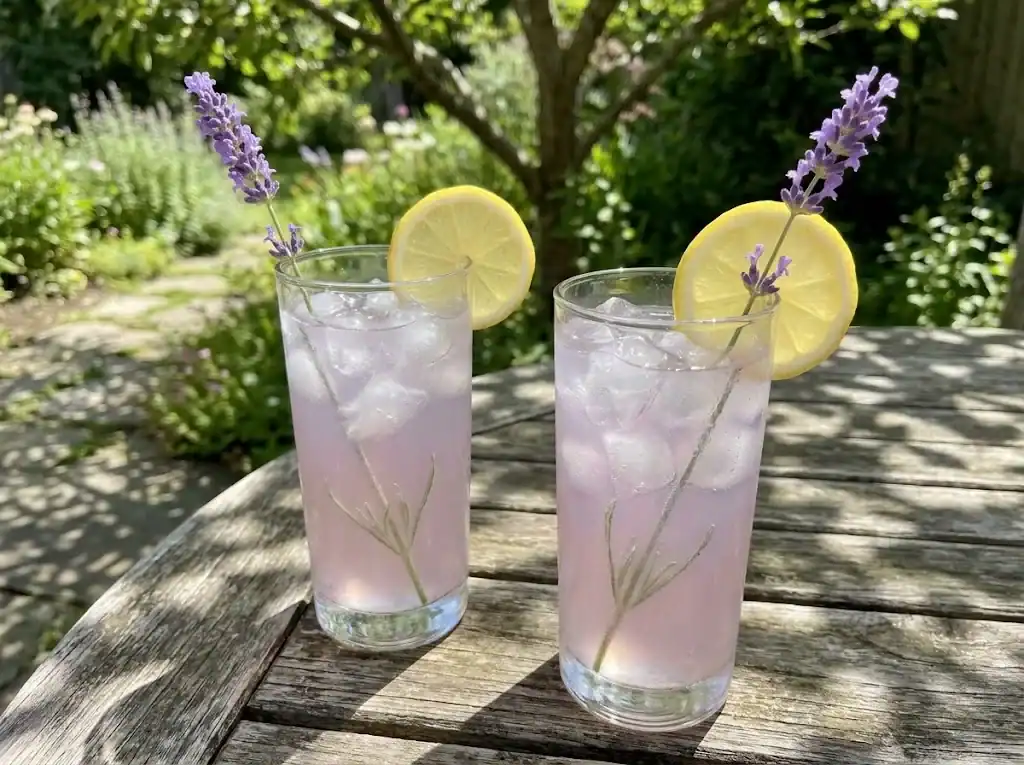
This vibrant lavender lemon drink is a quintessential warm-weather refresher. The natural acidity of fresh citrus balances the herbal sweetness of homemade syrup, creating a thirst-quenching cooler with a beautiful blush tint.
- Prep time: 10 minutes
- Yield: 4 to 6 servings
Ingredients:
- 1 cup fresh lemon juice (from about 5 to 6 large citrus fruits)
- 1/2 cup homemade lavender simple syrup (adjusted to taste)
- 4 cups cold filtered water or sparkling water
- Ice cubes for serving
- Fresh citrus wheels and fresh sprigs for garnish
Instructions:
- In a large glass pitcher, combine the fresh citrus juice and lavender simple syrup. Stir well until thoroughly blended.
- Add the cold filtered water and stir. Taste and adjust sweetness by adding an extra tablespoon of syrup or citrus juice if desired.
- Fill serving glasses with ice cubes and pour the fresh lemonade over the ice.
- Garnish each glass with a fresh citrus wheel and a fragrant purple sprig before serving.
7. Sparkling Blackberry Cocktail and Mocktail
This sparkling drink combines muddled ripe blackberries, citrus juice and herbal syrup with botanical spirits or crisp club soda for an elegant party cocktail.
- Prep time: 5 minutes
- Yield: 1 drink
Ingredients:
- 5 fresh blackberries
- 1 ounce homemade lavender simple syrup
- 3/4 ounce fresh citrus juice
- 2 ounces gin or vodka (or sparkling water for a non-alcoholic mocktail)
- 3 ounces club soda or prosecco to top
- Fresh mint and a fresh lavender sprig for garnish
Instructions:
- In a shaker, muddle the fresh blackberries with syrup and fresh citrus juice.
- Add the gin (if using) and fill the shaker with ice. Shake vigorously for 15 seconds until chilled.
- Strain the liquid through a fine strainer into an ice-filled highball glass.
- Top with club soda or sparkling prosecco. Stir gently and garnish with a fresh blackberry and a fresh lavender sprig.
Savory Preparations and French Seasoning Pairings
While sweet bakes dominate popular interest, dried herbs shine equally bright in savory dishes. As a traditional component of French Herbes de Provence blends, subtle buds add an earthy, aromatic depth to roasted meats, poultry, root vegetables, and mild cheeses.
8. Classic Herbes de Provence Roast Chicken
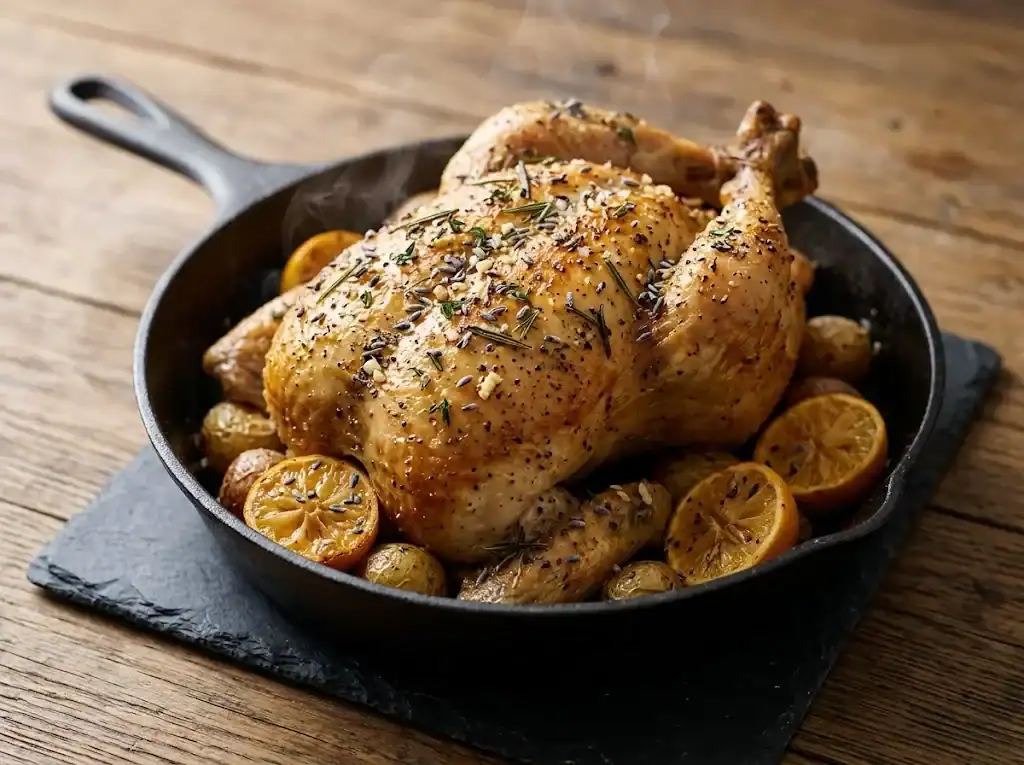
Pairing dried buds with rosemary, thyme, savory, and garlic creates a crisp-skinned roast chicken with unforgettable French countryside flavor. In warm summer months, you can also use this fragrant seasoning paste to grill chicken breasts, pork chops, or seasonal vegetables over medium coals.
- Prep time: 15 minutes
- Cook time: 1 hour 15 minutes
- Yield: 4 to 6 servings
Ingredients:
- 1 whole chicken (about 4 to 5 pounds), patted dry
- 2 tablespoons extra virgin olive oil
- 1 tablespoon softened butter
- 1.5 teaspoons lavender buds, lightly crushed
- 1 tablespoon chopped fresh rosemary
- 1 tablespoon chopped fresh thyme
- 1 teaspoon dried oregano or summer savory
- 4 cloves garlic, minced
- 1.5 teaspoons coarse kosher salt
- 1/2 teaspoon freshly cracked black pepper
- 1 citrus fruit, halved, for the cavity
Instructions:
- Preheat your oven to 400 degrees Fahrenheit (200 degrees Celsius). Place a cast-iron skillet or roasting pan in the oven to preheat.
- In a small bowl, mix the olive oil, softened butter, crushed buds, rosemary, thyme, oregano, minced garlic, salt, and black pepper to form an aromatic seasoning paste. Crushing each dried bud lightly helps the essential oils infuse evenly through the butter.
- Carefully rub the seasoning paste all over the chicken, working some directly under the breast skin for maximum flavor penetration. Place the halved citrus fruit and extra herb sprigs inside the cavity.
- Carefully place the chicken in the hot skillet breast-side up. Roast for 1 hour to 1 hour and 15 minutes, until the skin is deep golden brown and the internal temperature reaches 165 degrees Fahrenheit in the thickest part of the thigh.
- Transfer to a carving board and let rest for 15 minutes before carving to allow juices to redistribute.
9. Garlic, Rosemary, and Roasted Baby Potatoes
These crispy roasted potatoes make an easy to make side dish that complements roasted meats, grilled fish, or vegetarian main courses.
- Prep time: 10 minutes
- Cook time: 35 to 40 minutes
- Yield: 4 servings
Ingredients:
- 1.5 pounds baby red or Yukon gold potatoes, halved
- 2 tablespoons olive oil
- 3 cloves garlic, minced
- 1 tablespoon fresh rosemary, finely minced
- 1 teaspoon lavender buds, crushed
- 1 teaspoon coarse sea salt
- 1/4 teaspoon freshly ground black pepper
- 1 tablespoon fresh citrus juice for finishing
Instructions:
- Preheat oven to 400 degrees Fahrenheit (200 degrees Celsius) and line a baking sheet with parchment paper.
- Place halved potatoes in a large bowl. Drizzle with olive oil and add the minced garlic, rosemary, crushed buds, salt, and black pepper. Toss well to coat evenly.
- Arrange the potatoes cut-side down in a single layer on the baking sheet to ensure crisp edges.
- Roast for 35 to 40 minutes, turning halfway through, until the potatoes are golden and crispy outside and tender inside.
- Drizzle with a splash of fresh citrus juice immediately before serving.
10. Summer Melon and Prosciutto Skewers with Honey Glaze
This quick, elegant appetizer combines juicy, sweet cantaloupe melon and savory prosciutto with a light infused honey drizzle.
- Prep time: 15 minutes
- Yield: 12 skewers
Ingredients:
- 1/2 ripe cantaloupe melon, scooped into balls or cut into 1-inch cubes
- 12 slices prosciutto, halved lengthwise
- 12 mini fresh mozzarella balls (bocconcini)
- 12 fresh basil leaves
- 3 tablespoons clover honey
- 1/2 teaspoon lavender buds, finely pulverized
- 1/2 teaspoon fresh citrus juice
- 12 wooden appetizer skewers
Instructions:
- In a small microwave-safe bowl, warm the honey, pulverized buds, and citrus juice for 15 seconds. Stir well and let cool slightly so the sweet flavor infuses.
- Thread one cube of juicy melon, a folded ribbon of prosciutto, a basil leaf, and a mozzarella ball onto each skewer.
- Arrange the skewers on a serving platter.
- Lightly drizzle the warm honey glaze over the assembled skewers right before serving.
Flavor Pairings That Work Best
Understanding which flavors naturally complement fragrant blooms allows you to experiment confidently in your own kitchen. Because of its complex aroma, English lavender pairs exceptionally well with:
- Citrus fruits: Orange, lime, and grapefruit brighten aromatic notes and temper herbal heaviness.
- Sweet berries: Blueberries, blackberries, strawberries, and raspberries balance earthy depth with natural fruit sugars.
- Rich dairy and fats: Butter, cream cheese, heavy cream, mascarpone, and mild fresh goat cheese mellow aromatic intensity.
- Stone fruits and melon: Peaches, plums, apricots, and sweet cantaloupe melon harmonize with honeyed blossom tones.
- Savory seasonings: Rosemary, thyme, oregano, garlic, cracked black pepper, and bergamot provide grounding savory contrast.
- Sweeteners: Raw clover honey, maple syrup, and vanilla extract round out herbal edges in desserts and drinks.
Frequently Asked Questions About Cooking with Lavender
Can I eat lavender from my garden?
You can eat garden blossoms if you grow an edible English variety (Lavandula angustifolia) completely free from chemical pesticides, synthetic fertilizers, and roadside pollution. Never consume stems purchased from commercial florists or nurseries unless they are explicitly labeled as food grade botanical products.
What is the difference between fresh and dried buds in recipes?
Dried buds are approximately three times more concentrated in flavor than fresh blossoms. If a recipe calls for 1 tablespoon of fresh blossoms, substitute with 1 teaspoon of dried buds. Always crush dried buds lightly before adding them to batters or spice rubs to release their fragrant essential oils.
Why does a floral recipe taste like soap?
A soapy or unpleasantly bitter taste occurs when too much purple blossom is used or when ornamental varieties like Spanish types are cooked. To fix this in future batches, cut the quantity in half, grind the buds finely, and pair with balancing ingredients like fresh citrus juice, honey, or butter.
How should I store dried fragrant buds to keep them fresh?
Store dried buds in a tightly sealed glass jar in a cool, dark pantry. Away from heat, moisture, and light, dried buds maintain their bright aroma and potency for 9 to 12 months. For detailed guidance on harvesting, curing, and long-term pantry preservation, see our complete guide on how to store lavender after harvesting.