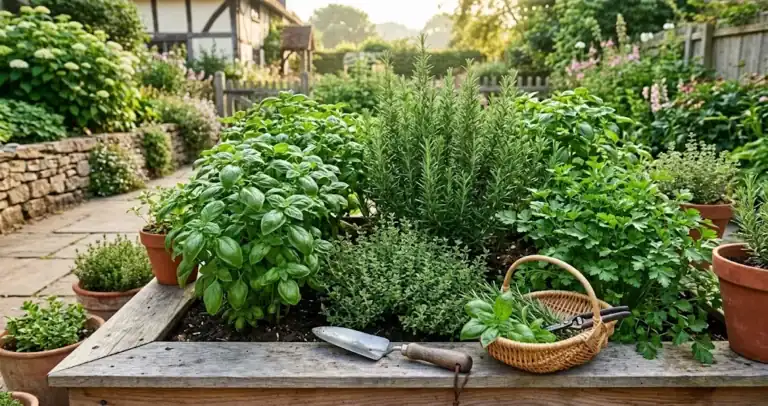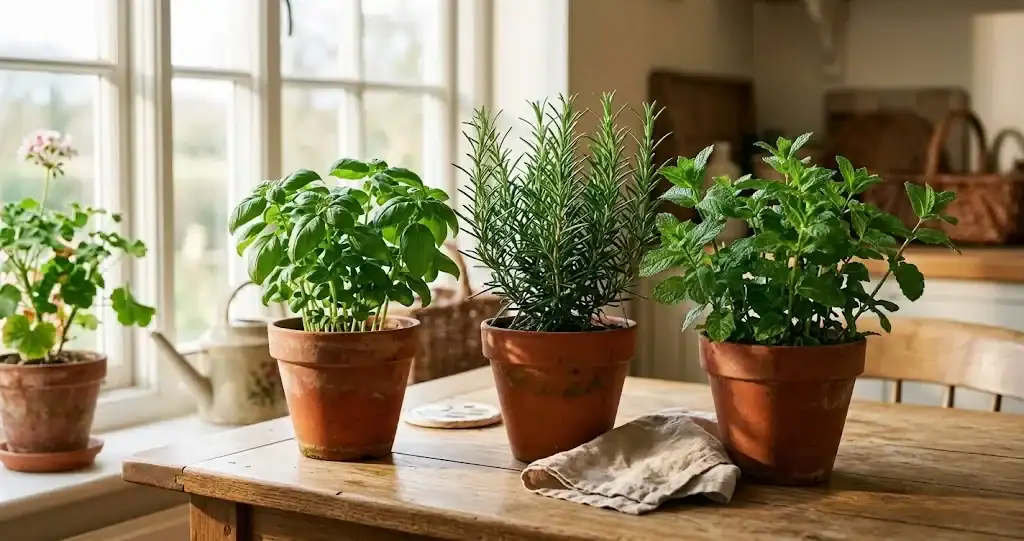
Starting an herb garden is one of the most rewarding projects for home cooks and gardeners. Fresh herbs bring vibrant flavor and fragrant aroma to daily meals, yet an herb plant requires only a modest investment of time and space. Whether you have a sunny backyard garden bed or just a bright windowsill in an apartment, learning how to start growing herbs at home gives you steady access to popular herbs throughout the year.
To start growing, you need three basic elements: adequate sunlight, well-draining soil, and reliable moisture. Understanding these preferred growing conditions prevents common beginner frustrations and sets up your herb plants for long-term health. If you are planning a broader outdoor layout, exploring the groundwork behind a healthy herb bed offers additional context on site selection and garden bed preparation.
Best herbs to grow for beginners: annual and perennial herbs
When starting your herb journey, selecting easy to grow herb varieties makes the learning process enjoyable. Different types of herbs have distinct growth habits, categorized mainly into annual and biennial herbs as well as perennial varieties.
Here are the easiest herbs to grow for beginner gardeners:
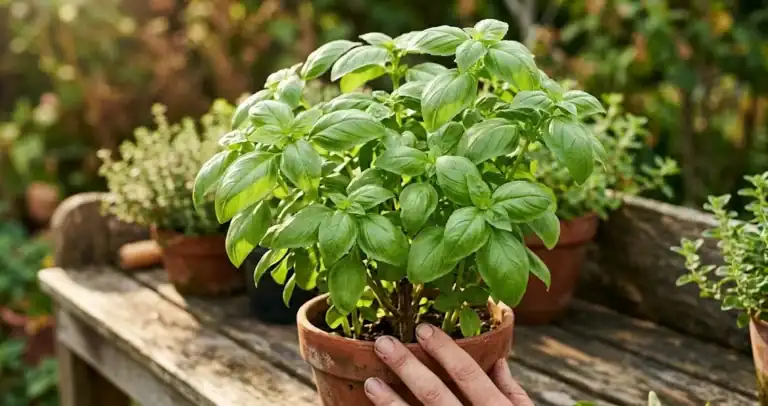
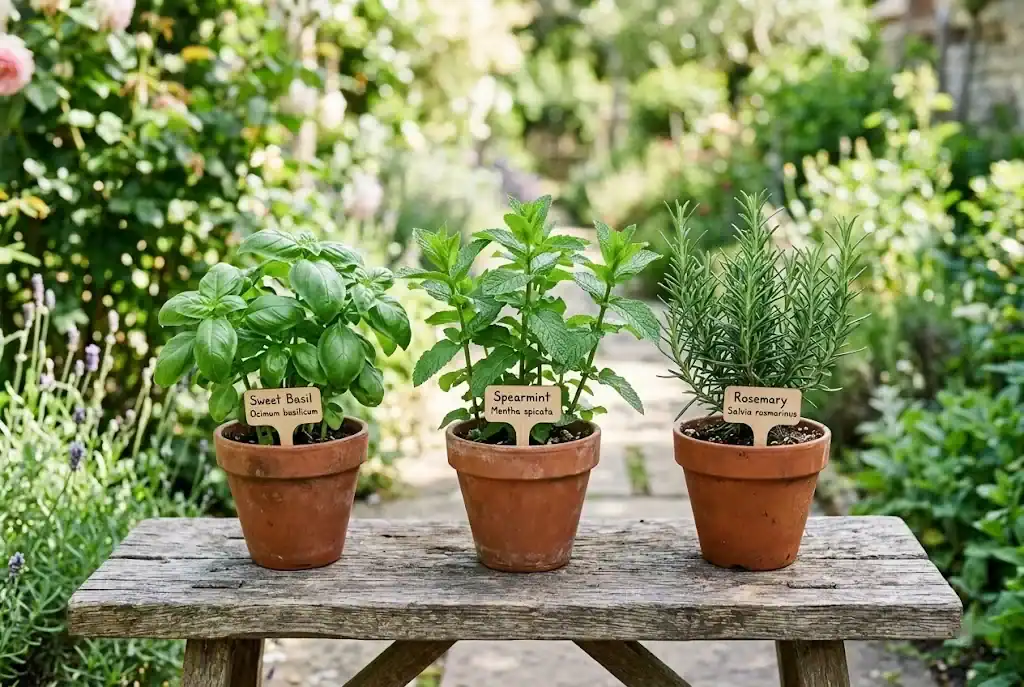
- Basil (Ocimum basilicum): A tender annual herb that thrives in warm weather and full sun. Basil is essential for kitchen herbs, producing sweet, aromatic foliage for sauces and salads. You can grow basil in garden soil or in pots near a bright window to use in the kitchen.
- Mint (Mentha spp.): A vigorous perennial herb that produces refreshing leaves for teas and desserts. If you want to grow mint, remember that it spreads rapidly through underground runners, so it is best kept as a container herb rather than planted directly in the garden bed.
- Rosemary (Salvia rosmarinus): A hardy Mediterranean shrub with needle-like foliage and deep piney aroma. Rosemary loves sunny garden spots, gritty potting mix, and minimal feeding once established. Mediterranean herbs like thyme, oregano, and rosemary share these same needs.
- Parsley (Petroselinum crispum): A reliable biennial culinary herb available in flat-leaf and curly varieties. It tolerates mild cold and partial shade, making it versatile across different seasons.
- Dill (Anethum graveolens): A delicate annual herb with feathery leaves and aromatic seeds. Dill grows quickly and performs best when sown right where it will grow.
- Chives (Allium schoenoprasum): A mild onion-flavored perennial herb that returns reliably year after year. Chives tolerate various garden soil types and handle frequent harvests with ease.
Starting your herb garden: growing herbs from seed vs starter plants
One of the first decisions every gardener faces is whether to start from seed or purchase young potted plants from a local nursery. Both approaches offer clear advantages depending on the specific herb plant you choose.
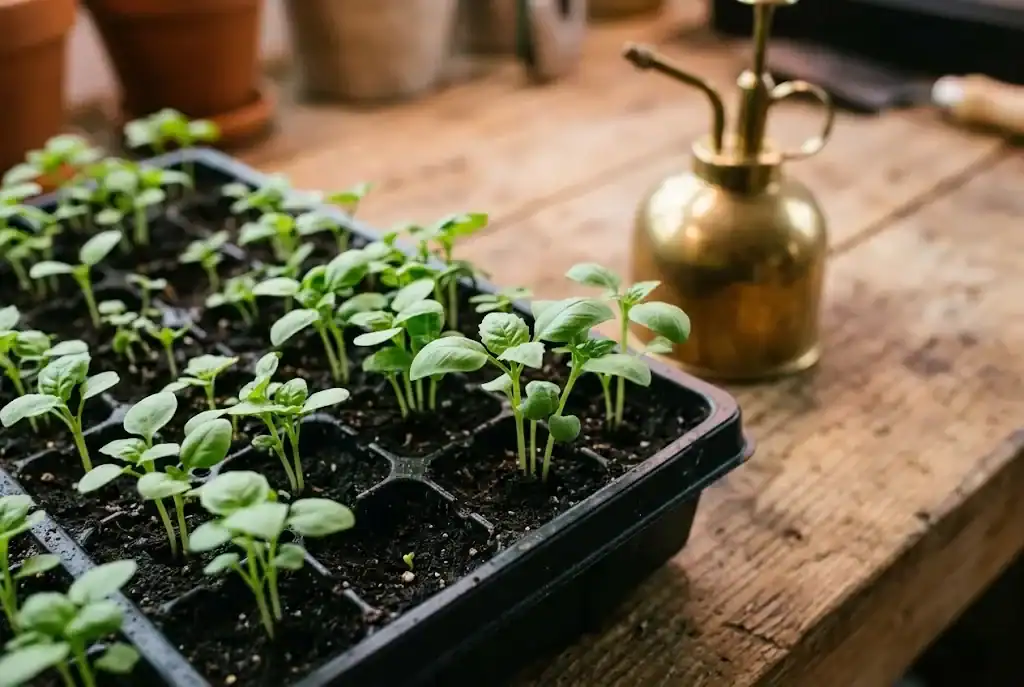
Growing herbs from seed is economical and provides access to a wider variety of cultivars. Annuals like basil and dill grow from seed easily. When seed starting indoors, use shallow trays filled with sterile seed-starting mix, keep the soil consistently damp, and provide gentle bottom warmth. Sowing herb seeds requires patience, and paying close attention to choosing seed that will actually germinate helps ensure vigorous seedlings from the start. For hardier varieties, you can also sow seed outdoors once the spring soil warms.
Conversely, slow-growing perennial herbs such as rosemary and lavender take considerable time when starting plants from seed. Buying young nursery starts or propagating from a stem cutting saves weeks of effort. If you choose to grow them from seed, expect a longer wait before your first substantial herb harvest.
Growing conditions: planting herbs indoors vs outdoors
Many herbs are remarkably adaptable, but their performance depends heavily on the environment you provide. Matching your chosen herb plants to their preferred growing conditions ensures sturdy stems and rich flavor.
Most culinary herbs need at least six hours of direct sunlight daily to grow best. For indoor herb gardens, place your pots on a south-facing or west-facing windowsill. If natural light is limited during short winter days, supplemental grow lights positioned a few inches above the foliage keep plants compact and prevent leggy growth so they can grow in your kitchen.
When planting herbs outside, you can plant directly in the ground, build a raised garden bed, or arrange a container garden on a patio. Outdoor plantings benefit from natural air circulation and deeper root run, though container setups make it easy to move tender herbs under shelter when cold weather approaches.
Soil, pots, and drainage: growing herbs in containers
Proper drainage is critical whenever you grow herbs. Wet, stagnant roots cause root rot and rapid plant decline faster than almost any other issue.
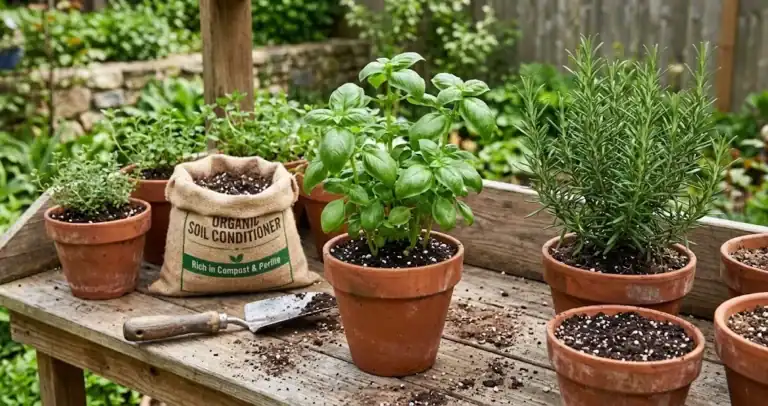
For herbs grown in containers, select a high-quality potting mix formulated with peat moss, perlite, and coarse sand. Heavy garden soil is too dense for containers and compacts easily, restricting airflow to root systems. Understanding the soil side of growing herbs helps you tailor fertility and texture for Mediterranean species versus moisture-loving herbs.
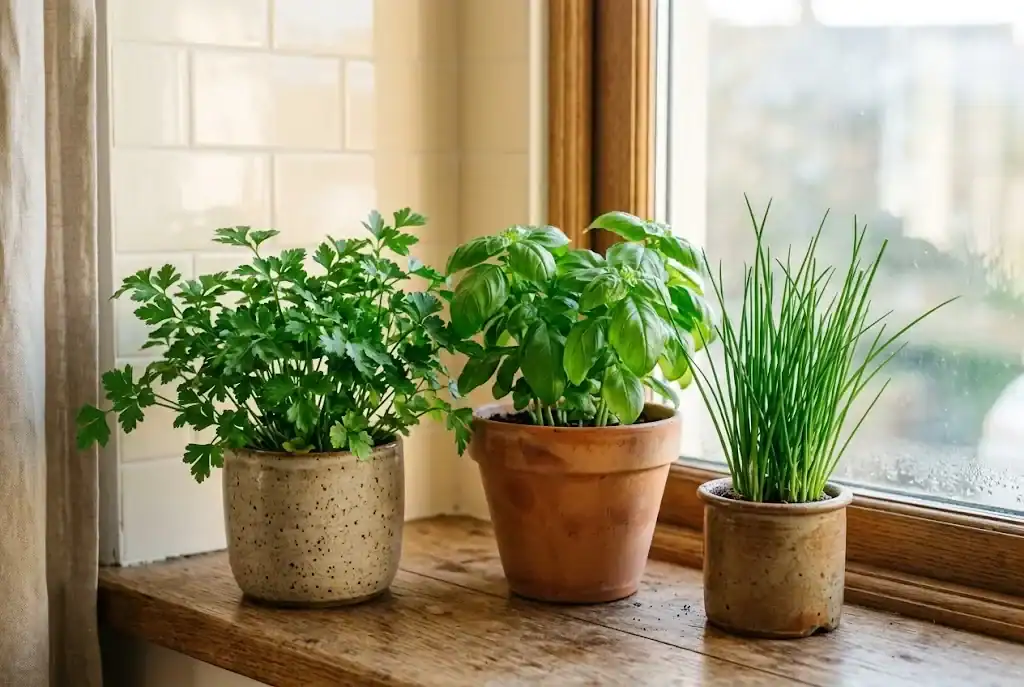
Always ensure every pot or container features functional drainage holes at the base so excess water can escape freely. Porous terracotta pots allow moisture to evaporate through container walls, making them ideal for drought-tolerant species like rosemary. Plastic or glazed containers retain moisture longer, which suits leafy herbs in containers like basil. Applying these practical tips for growing herbs prevents waterlogged roots.

Daily care: watering, sunlight, and feeding culinary herbs
Consistent, attentive daily care keeps an organic herb patch healthy and productive through the entire growing season. While herb plants are generally low maintenance, they respond well to steady routines.
Water requirements vary by plant type. Mediterranean herbs prefer soil that dries out slightly between water applications, while lush herbs like basil and mint require evenly moist soil. As a rule of thumb, check the soil with your finger: if the top inch feels dry, apply water thoroughly until it drains freely from the base of the container. Never let potted herbs sit in standing water collection saucers.
Herbs require light feeding compared to heavy vegetable garden crops. Over-fertilizing causes rapid, leafy growth that dilutes aromatic oils and weakens flavor. Applying a balanced organic fertilizer once a month during active spring and summer growth provides plenty of nutrition.
Pruning, pinching, and how to harvest herbs
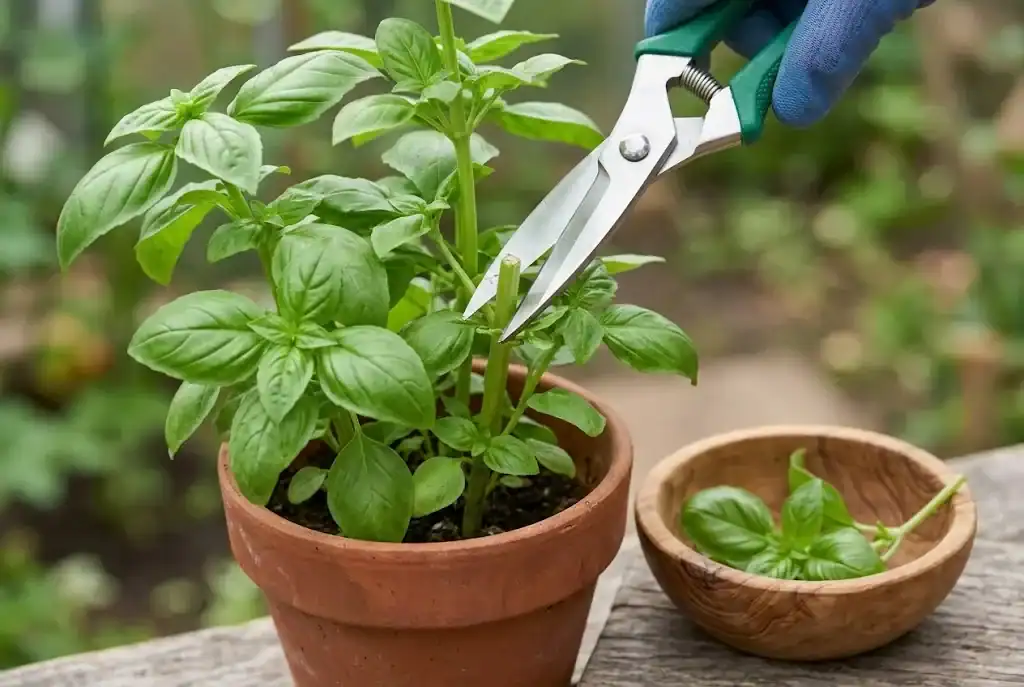
Regular harvesting and pruning stimulate new growth and keep herb plants bushy and productive. When you pinch off growing tips, the plant redirects energy into lateral branching rather than tall, spindly stems.
Harvest fresh herbs in the morning after dew evaporates but before midday heat warms the foliage. Always use sharp shears to make clean cuts, and never remove more than one-third of the total foliage in a single session. As the season progresses, flowering herbs may produce flower buds. Pinch off these buds promptly to prevent plants from developing seed heads, which causes leaves to turn bitter and coarse. Any surplus herb foliage can be preserved as dry herbs for year-round cooking.
Common mistakes in beginner herb growing
Even an enthusiastic beginner gardener can run into hurdles during their first season. Following these essential tips for growing and avoiding common missteps will keep your herbs vigorous:
- Overwatering: Excessive moisture suffocates roots. Water according to each plant type and let Mediterranean varieties dry slightly.
- Inadequate light: Placing containers in dim corners results in weak, stretched stems with pale color.
- Planting mint in open ground: Mint will rapidly crowd out neighboring plants; keep it in its own container.
- Failing to harvest: Neglecting routine trims allows plants to become woody and go to seed prematurely.
- Crowding herbs together: Placing plants too closely restricts airflow and invites powdery mildew.
Frequently asked questions about how to grow herbs
What is the easiest herb to grow for beginners?
Basil, chives, and mint are widely considered the easiest choices because they adapt well to pots, grow rapidly, and recover quickly from harvest trims.
Can you plant different herbs together in one container?
Yes, provided they share similar moisture and sunlight needs. Pair Mediterranean herbs like rosemary and thyme together in gritty mix, and keep leafy herbs like parsley and basil in richer, moister soil.
How much sunlight do herbs need indoors?
Most herbs need six to eight hours of bright sunlight daily. A sunny south-facing window or an LED grow light operating twelve hours per day ensures healthy indoor growth.