Sweet basil is one of the easiest herbs to keep productive at home, which is why new gardeners who want to grow basil often start with it. A single container on a sunny windowsill, or a small row in a backyard bed, can supply fresh leaves from late spring through the first cool nights of autumn. The plant rewards warm soil, regular picking, and just enough water; it punishes cold, soggy roots, and the urge to let it flower and go to seed.
This guide walks through every step a home gardener needs from seed to harvest: how to grow basil from seed or a young seedling, planting it in the ground or in a container, keeping it bushy, harvesting without killing the plant, recognizing the most common problems, and saving enough for a winter of sauces. For a broader look at planning a kitchen herb garden from scratch, see the beginner’s guide to growing an herb garden.
What basil needs to thrive
Basil is a tropical plant, and it grows best when the conditions feel like home. During the warm growing season, basil thrives where the days are long, the nights stay above 60°F, and the soil is loose and well drained. Four basics matter most:
- Warmth. Basil stops growing below about 50°F and sulks below 60°F. Wait until nights stay reliably above that range before planting outside, and bring potted plants indoors if a cold snap is on the way.
- Full sun. Aim for 6 to 8 hours of direct light a day. In hot climates, basil appreciates light afternoon shade so the leaves do not scorch.
- Well-drained soil. Basil loves moisture but hates wet feet. Loose garden soil amended with compost, or a quality potting mix in a container, gives roots the air and drainage they need. Good drainage matters more than fertility; basil does not need rich fertilizer at planting. Raised beds warm up faster than flat ground and are an easy way to grow basil in shorter seasons.
- Steady water. Soil should stay lightly moist, never bone dry and never soggy. A container in summer sun may need a drink every day; an in-ground plant usually needs a deep soak two or three times a week.
Get those four right and basil is genuinely easy to grow. Get any one of them wrong and the plant will tell you with slow growth, pale leaves, or early flowering.
Choosing seeds, seedlings, or cuttings
Three reliable ways to start a basil plant:
- Seeds. Cheap, available in many varieties, and the only way to grow basil if you want specific types like Genovese, Thai, or purple. Start basil seeds indoors about six weeks before sowing time for your area. Press them into moist seed-starting mix, cover them lightly, and keep them warm; basil seeds germinate in about a week at room temperature.
- Seedlings. The fastest way to a harvest. A healthy nursery seedling has thick stems, deep green leaves, and no flowers. Pot it up after the last frost and pinch the top set of leaves once it has two more sets to encourage branching.
- Cuttings. Basil roots easily in water. Take a four to six inch cutting just below a leaf node, strip the lower leaves, set the stem in a glass, and transplant to soil once roots are an inch long.
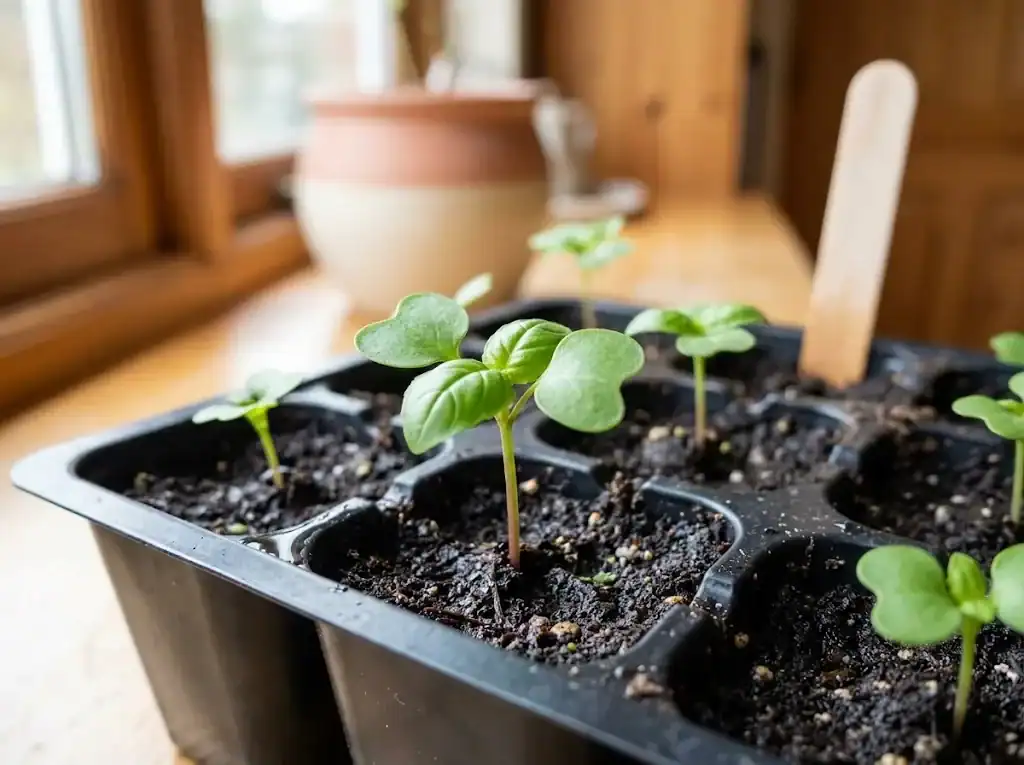
As a bonus, basil is one of the easiest herbs for growing microgreens. Scatter basil seeds thickly on a shallow tray of moist seed-starting mix, keep them under a clear cover until they germinate, and harvest with scissors at the first leaf pair for a concentrated, peppery sprinkle on salads and eggs.
Planting basil in the garden
Prepare the bed by working a couple of inches of compost into the top six inches of soil. Basil does not need rich fertilizer at planting; a healthy soil with steady moisture is what produces steady leaves.
Space basil plants about twelve inches apart so air can move between them. Crowded plants hold humidity against their leaves and invite fungal problems. Plant each seedling at the same depth it sat in its pot, firm the soil around the root ball, and water in well.
Basil also grows well at the base of tomato plants, both in the garden and in a raised bed, which is the classic kitchen garden pairing for a reason: tomatoes and basil share the same sun, water, and feeding rhythm. Tuck basil near the edge of a bed so the taller tomato does not shade it out.
Growing basil in containers
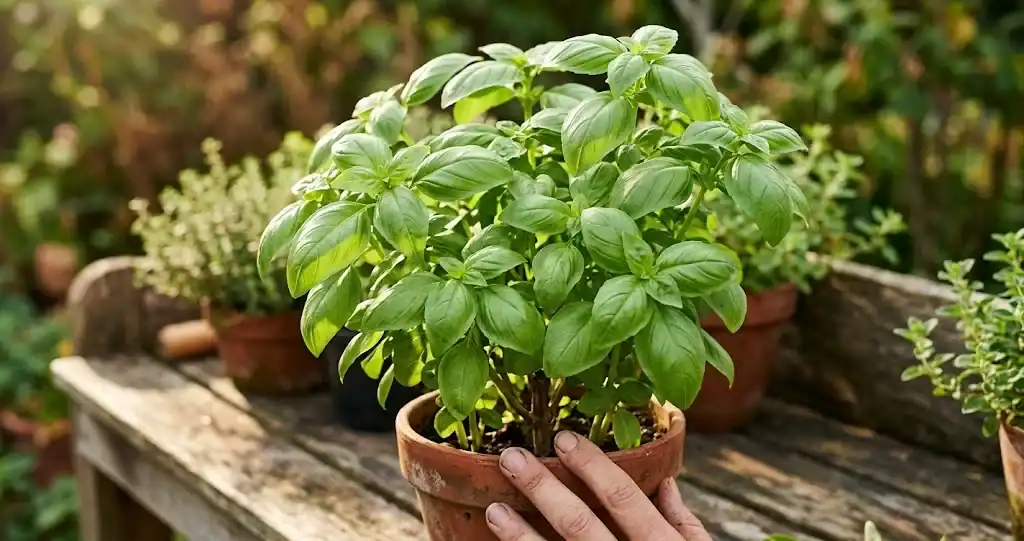
A container is the easiest way to keep basil close to the kitchen and to dodge soil-borne disease. Growing in containers also lets you move plants to chase the sun or shelter them from a cold night. Choose a pot at least eight inches across with drainage holes; small containers dry out fast and stunt the plant.

A quality potting mix is enough. Fill the container, plant one seedling per eight-inch pot or two or three in a wider planter, and water until it runs from the bottom. Containers warm up faster than garden beds in spring, so this is also the earliest place to set out basil. As the season heats up, move containers to a spot with afternoon shade and check moisture daily.
Growing basil indoors
Basil grows indoors if you give it what it wants: a bright south-facing window, or a simple grow light on a timer for twelve to fourteen hours a day. The most common reason indoor basil fails is not enough light; long, pale, leggy stems are a sign to add a lamp.
Keep indoor basil away from cold drafts and out of hot, dry air from heating vents. Water when the top inch of soil dries out, and feed lightly once a month with a diluted balanced fertilizer.
Watering, feeding, and mulching
Water deeply and less often rather than a little every day. Deep watering drives roots downward and makes the plant more resilient in heat. Mulching with a thin layer of straw or compost keeps soil moisture even and the root zone cool.
Basil is not a heavy feeder, but a modest amount of plant food through the growing season keeps leaves plump and flavorful. Fertilize basil once a month with diluted fish emulsion or a balanced organic fertilizer in garden soil. In containers, feed every three to four weeks because frequent watering leaches nutrients out of the pot. Overfed basil grows fast but loses flavor and aroma, so resist the urge to push it.
Pruning and pinching for bushy plants
The single biggest mistake new growers make is to leave basil alone and wait for it to grow tall. Untouched basil sends up one stem, flowers early, and stops producing leaves. The simple fix is to prune basil every two to three weeks, which turns one stem into a small, leafy bush.
When a stem has grown to four or five leaf pairs, pinch off the top set just above the next pair of leaves. Two fresh shoots will grow from that pair. Repeat as the plant fills out, and the same routine pays off every time you cut a harvest.
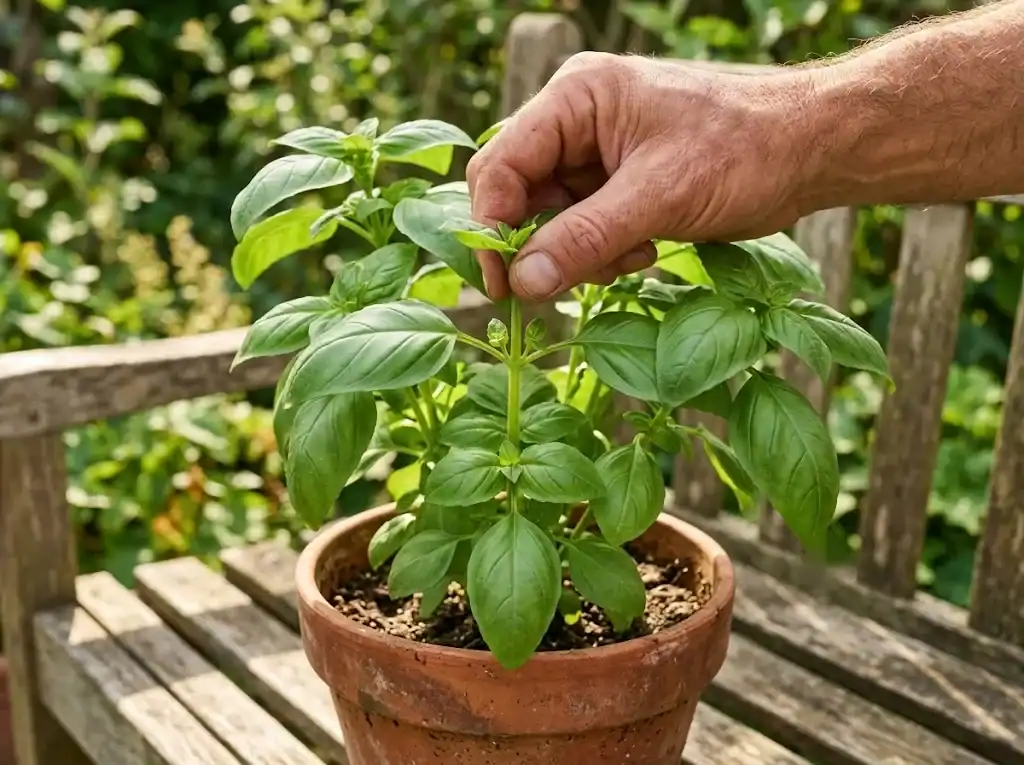
If flower buds appear at the tips, pinch them off right away. Basil flowers make leaves turn bitter and signal the plant to stop producing useful new growth. The exception is at the very end of the season, when letting one plant flower feeds pollinators and gives you seed for next year. Pinch off any flowers you do not want to keep, and the plant will redirect its energy into leaves within a week.
Common basil pests and problems
Basil is usually trouble-free, but a few issues are worth knowing:
- Aphids. Small green or black insects clustered on fresh shoots. A sharp spray of water knocks them off; insecticidal soap handles a heavier pest infestation.
- Japanese beetles and slugs. Both chew ragged holes in leaves. Handpick in the morning, or use an organic slug bait around the bed.
- Fusarium wilt and root rot. Yellowing foliage, wilting even in moist soil, and dark stems signal a soil-borne fungus. Pull affected plants and do not replant basil in the same spot for a season.
- Downy mildew. Pale yellow patches on top of leaves with a fuzzy gray growth underneath. Improve air circulation, water at the base of the plant, and choose resistant varieties next year.
Most basil problems trace back to one of three causes: cold soil, wet feet, or crowding. Adjust those and the plant usually recovers on its own.
Harvesting basil the right way
Begin harvesting basil once the plant has at least three leaf pairs and is bushy enough to spare a stem. Cut whole stems rather than plucking individual leaves; fresh shoots come from the cut and from the pair of side shoots just below it. The first modest harvest basil gives you is the one that tells the plant to branch.
The right cut is just above a leaf pair, leaving at least two sets of leaves on the plant so it can keep photosynthesizing. Snip in the morning after the dew has dried, when the oils are at their strongest. For a steady supply, never take more than a third of the plant at one time.

For a fuller walkthrough of timing, technique, and how to recognize the moment a plant is at its peak, see the practical guide to harvesting basil leaves at peak flavor.
Storing basil so it stays fresh
Fresh basil does not keep long at room temperature, and it blackens in the fridge. The easiest short-term method is to stand cut stems in a glass of water on the counter, loosely covered with a plastic bag, and change the water daily. For longer storage, blend cut basil with olive oil and freeze it in ice cube trays, then drop a cube into soups and sautés all winter. The same method also makes a quick pasta sauce when you have the nuts and cheese on hand.
A few tips for growing basil through the season help with both flavor and storage: harvest in the morning, water at the base rather than over the leaves, and cut before a small plant shows any stress. Pinch flowers the moment they appear so the entire plant keeps producing leaves instead of seed.
For a step-by-step look at each method and which one fits which dish, the guide to storing basil through the off-season walks through fresh, frozen, dried, and pesto preparations.
Types of basil worth knowing
Basil covers a small family of varieties that all grow the same way but taste a little different:
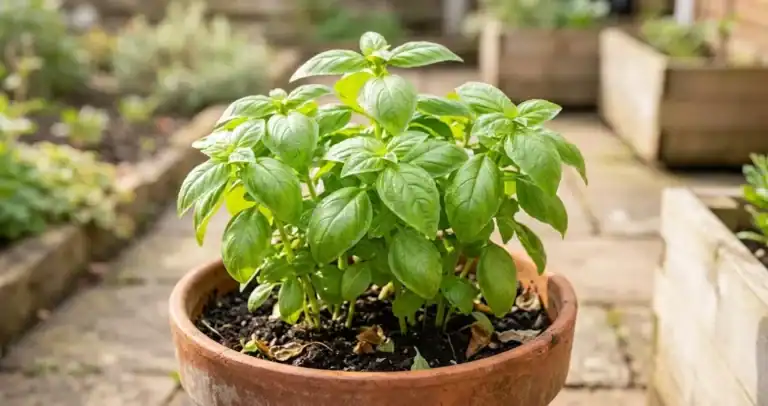
- Genovese. The classic Italian pesto basil, with large, rounded, fragrant leaves.
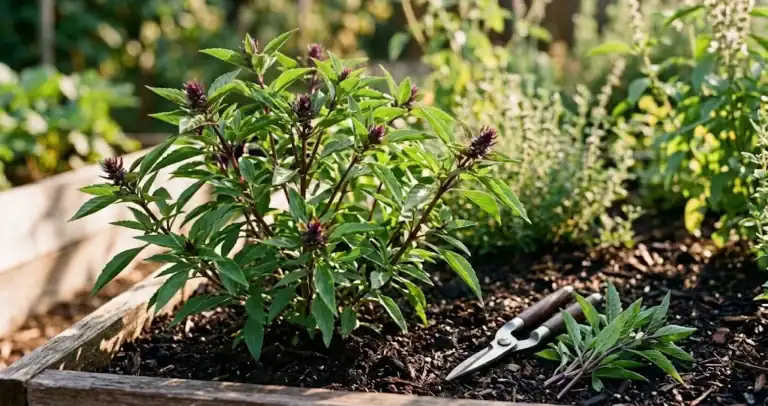
- Thai basil. Narrow leaves, a hint of anise, and purple stems. Holds its flavor in cooked dishes better than other sweet varieties.
- Purple basil. Deep color, milder flavor, and a striking garnish for salads and vinegars.
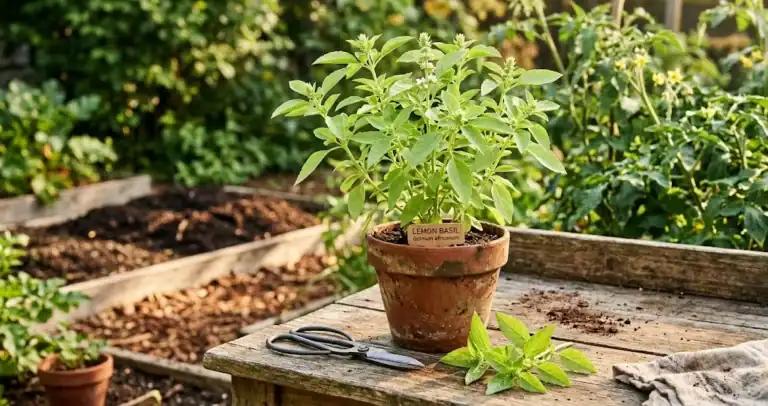
- Lemon basil. Bright, citrus-scented leaves, excellent with fish and in tea.
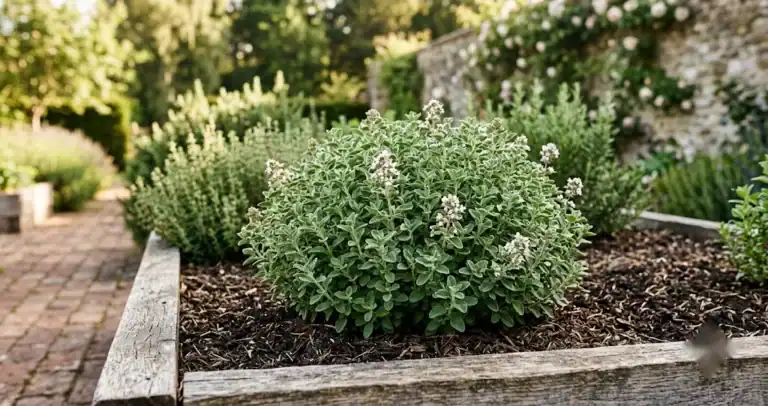
- Greek basil. A small, tidy plant with tiny leaves and a peppery flavor. Good for windowsills and small containers.
Pick basil varieties based on how you cook. Grow one or two of these alongside the standard sweet variety if you have the space; the growing routine is identical, and the variety keeps the kitchen interesting.
Quick answers to common questions
How long does basil take to grow?
From seed, expect a first light harvest in about six to eight weeks and a heavy harvest from ten weeks on. A nursery seedling gives you a usable cutting in three to four weeks.
Can basil come back every year?
Basil is a tender annual and dies at the first frost. To keep it year-round, pot up a plant before nights drop below 50°F and bring it to a sunny indoor spot, or start a fresh batch of seeds every spring.
Does basil grow well in shade?
Not really. Basil needs at least six hours of direct sun to grow into a full, leafy plant. In heavy shade, stems stretch, leaves stay small, and the plant flowers quickly.
How do I stop basil from flowering too early?
Pinch off flower buds as soon as they appear, and keep harvesting the tops every couple of weeks. Steady cutting keeps the plant in leaf-production mode for much longer.
What is the best fertilizer for basil?
A balanced organic fertilizer or diluted fish emulsion, applied once a month in the garden and every three to four weeks in containers, gives basil everything it needs without dulling the flavor.