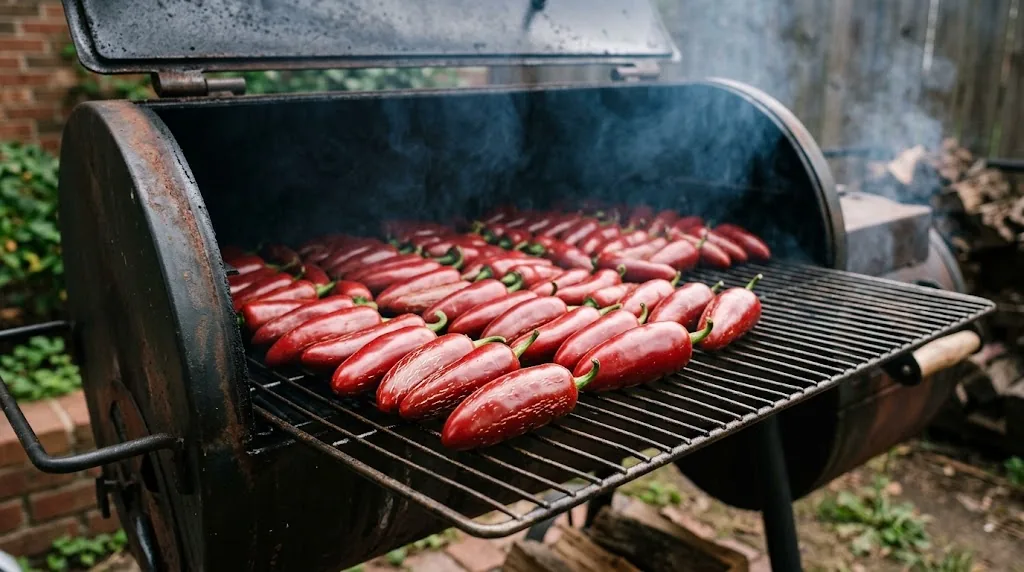
The craft of preserving fresh hot peppers over low wood heat is an ancient tradition rooted in Mesoamerica. Smoking and drying chiles has a long history in Mexico, where the technique made ripe peppers easier to store and transport. The word chipotle originates from the indigenous Nahuatl term chilpoctli, which translates directly to smoked pepper. While grocery stores sell canned chipotles en adobo or commercial spice tins, learning how to make chipotle peppers in your own backyard connects you to centuries of practical food craft and rewards you with unmatched depth of flavor.
Unlike simple air-drying or standard oven dehydration, the curing process relies on a delicate balance between gentle heat and fragrant wood smoke. Real wood smoke infuses the thick flesh with aromatic phenols and wood lignins, tempering the pepper’s natural fire with rich, savory, and sweet molasses undertones. The finished product is far more complex than any store-bought alternative, offering a deep warmth that transforms marinades, soups, and everyday dinner dishes.
For home gardeners with a bumper crop of late-season peppers, smoking is a dependable way to preserve yields that would otherwise spoil before winter. Thorough drying reduces weight, concentrates sugars, and can make thoroughly dried peppers suitable for cool, dry pantry storage. While canning or brining keeps peppers crisp, curing with wood heat delivers intense, concentrated character for long-term pantry storage. To compare broader preservation paths across seasonal harvests, explore our practical methods to store chili harvests.
Selecting the right peppers for homemade chipotles
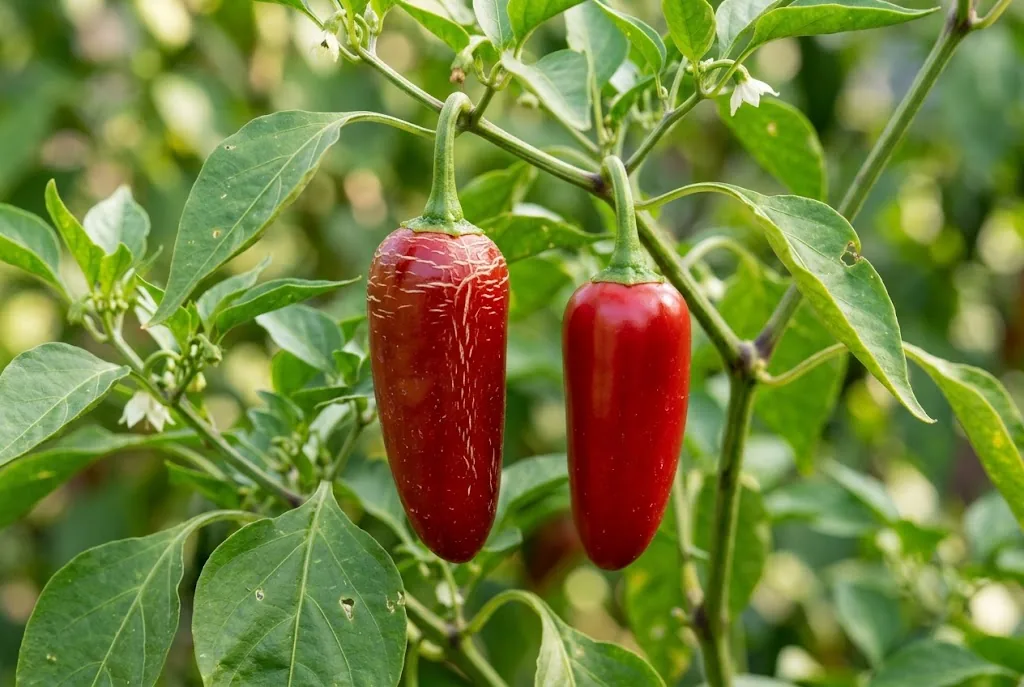
An authentic chipotle pepper is always made from mature, vine-ripened red jalapenos. Commercial green jalapeños are harvested unripe because their crisp texture and bright grassy flavor suit fresh salsas and pickling. However, smoking green jalapeños gives a different flavor and color from the familiar red-jalapeño chipotle. To make chipotles with genuine depth, leave pods on the bush until they turn red.
As jalapeño peppers ripen on the plant, chlorophyll breaks down, capsanthin carotenoids flood the fruit walls, and simple sugars concentrate. Ripe red jalapeños bring a fuller, sweeter flavor to the finished smoked pepper. When shopping at farm stands or harvesting from your backyard garden, look for ripe jalapeno peppers that feel firm and heavy for their size. If you cannot find red jalapeños at your local supermarket, visit a farmers market or specialty carnicería late in the growing season.
Fine pale striations along the shoulder of the pod, known among growers as corking or stretch marks, indicate that the fruit expanded rapidly during peak growth and built dense, succulent cell walls. Choose firm, sound red pods for homemade chipotle peppers. If late autumn frost threatens before your crop can ripen on the vine, clip the pods with their stems attached and let them sit at room temperature in a single layer to ripen, although on-plant ripening always yields the finest flavor.
While red jalapeños are the standard, you can also smoke other hot peppers at home. Thick-walled red serrano peppers become chile ahumado, offering a sharp, bright heat with smoky complexity. Ripe poblanos take on an earthy savoriness when kissed with hardwood aromatics before drying, and red habaneros develop a fruity, fiery character that makes an extraordinary finishing spice. To understand how chipotle chiles relate to other sun-cured and air-dried varieties, consult our guide to traditional types of dried chilies.
Understanding morita and meco styles
Traditional Mexican markets distinguish between two primary styles of cured jalapeño: morita and meco. Understanding the differences between these two preparations helps you choose the flavor profile you want to achieve in your home cooker.
Chipotle morita, which translates to “little blackberry,” is the style most familiar to home cooks outside of Mexico. Produced primarily in Chihuahua and northern growing regions, morita peppers receive a lighter smoke treatment than meco peppers before they are fully dried. They retain a deep mulberry-red or dark burgundy hue, a pliable skin, and a fruit-forward aroma that balances sweetness against mild smoke.
In contrast, the meco style, also called chile meco or chipotle café, is a more heavily smoked style associated with Mexican markets. Meco pods are cured over wood pits for several days until fully desiccated. They emerge with a dusty, grayish-tan appearance resembling dry tobacco leaves and deliver an intense, pungent campfire character. For home cooks, morita is by far the most practical style to reproduce, yielding wonderful sweetness and vibrant color.
Choosing the best wood for smoking peppers
The wood species you choose determines the primary aroma and flavor of your finished smoked peppers. Chipotle peppers take on smoke flavor during cooking, which means harsh or resinous fuel can easily ruin an entire harvest.
Pecan is one useful smoking wood for a mellow flavor. Pecan wood chips burn with a sweet, nutty, mellow aroma that complements the natural capsaicin and sugars of red jalapeno peppers without turning bitter. Apple and cherry wood are other mild choices. Their smoke is less assertive than hickory. Use only clean hardwood meant for cooking, and begin with a small amount of wood so the jalapeño flavor is still apparent. A clean smoker matters too: the University of California guide notes that grease and fat drippings can spoil the flavor of smoked peppers.
Hickory offers a bold, hearty aroma reminiscent of classic barbecue, but it should be used in moderation so it does not overpower the pepper’s natural flavor. Oak burns clean, steady, and neutral, serving as a reliable base fuel if you wish to blend woods. Always avoid softwoods and evergreens such as pine, spruce, fir, or cedar. Resinous evergreens release harsh creosote and bitter soot that make peppers taste acrid and completely unpalatable.
Preparing peppers for the smoker
Proper preparation ensures that wood flavor penetrates the flesh evenly and speeds up the drying cycle. Begin by washing fresh peppers under cold water to remove any garden dirt or dust. Dry each pod thoroughly with a clean cloth; surface moisture causes soot particles to adhere unevenly, producing a muddy appearance.
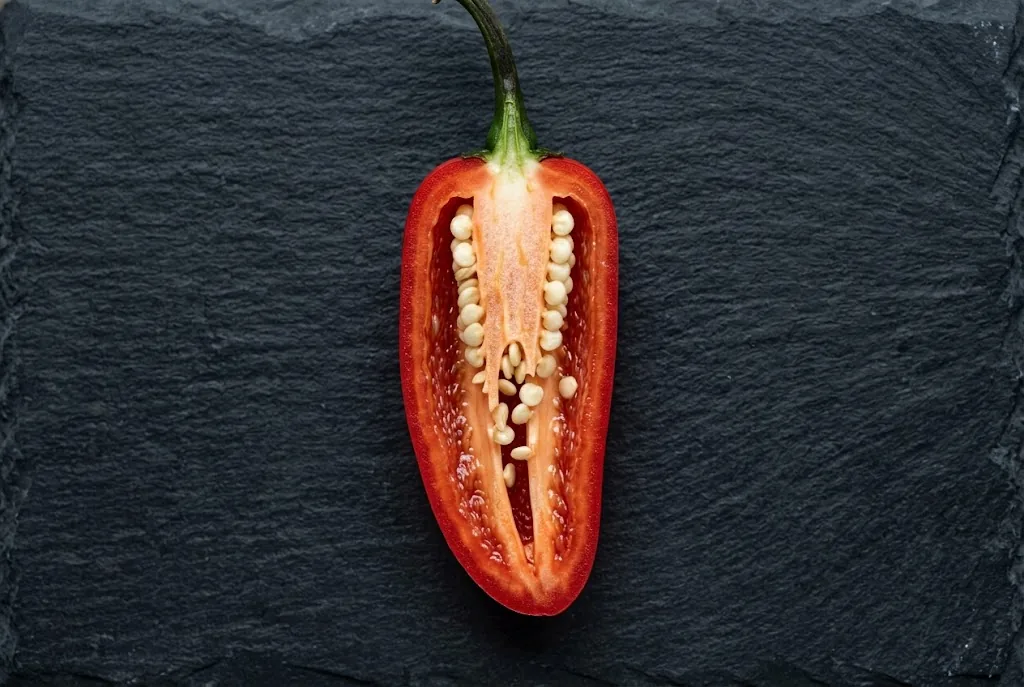
Because jalapeños have dense, thick walls, drying whole pods can take days. Slicing pods lengthwise from stem to tip exposes the moist interior to airflow and can shorten drying time; the difference depends on pod size and equipment. If you prefer to produce whole pods, cut a small slit down the side of each fruit or remove the stems so steam can vent safely without splitting the skins.
Always wear protective gloves when handling cut hot peppers. Capsaicinoids concentrate chiefly in the inner placenta and membranes; seeds can pick up heat by contact. Pepper residue transfers readily to skin. If you prefer a milder finished product, scrape out the seeds and inner placental ribs with a small spoon before curing. Avoid touching your face or eyes during preparation, and clean all cutting tools with warm soapy water immediately after.
Smoker setup and temperature control
The essential principle when you smoke the peppers is maintaining gentle, low heat. For a tested home method, University of California Cooperative Extension advises smoking ripe jalapeños in a clean smoker for two to three hours at no more than 140°F (60°C), following the smoker’s instructions. Keep the heat low and steady, and monitor the pods rather than treating elapsed time as proof of dryness.
You can use almost any outdoor cooker, including charcoal smokers, pellet grills, electric smokers, or kettle grills set up for indirect heat. On a charcoal grill, arrange coals in a snake method or push them to one side, placing wood chips or small chunks over the embers to create steady, gentle aromatics. In an electric unit, set the heating element to its lowest temperature setting and add wood chips to the tray in modest batches.
Strive for thin, wispy blue vapors rather than heavy white clouds. Dense white clouds indicate choked oxygen and incomplete combustion, which deposits bitter soot on food. Lay the peppers in a single layer across a clean wire rack, keeping at least half an inch of space between pods so air circulates freely. After two to three hours of smoke, move the peppers to the drying stage. Smoking alone does not establish that chipotles are dry enough to store.
Finishing the drying process
While traditional commercial producers keep pods over fire pits until dry, doing so in a backyard cooker consumes excessive fuel and requires round-the-clock fire monitoring. The most reliable home technique is a two-stage method: smoke the pods for flavor, then transfer them to a food dehydrator to finish drying under controlled conditions.
An electric food dehydrator is the ideal tool for stage two. Transfer the warm peppers from the cooker onto dehydrator trays, arranging them cut-side up in a single layer. The University of California guide transfers smoked peppers to a dehydrator at 140°F (60°C) until brittle. Drying time varies with pod thickness, airflow, and humidity, so test the thickest pieces rather than relying on a timer. For comprehensive guidelines on dehydrator settings and airflow management, review our companion guide on techniques to dehydrate hot peppers.
If you do not own a dehydrator, you can finish the batch in a conventional kitchen oven. Use an oven only if its manufacturer permits drying food at a low setting and provides a safe way to release moisture. Arrange the peppers on a rack over a tray, monitor them closely, and continue until fully dry. Do not prop open an oven door unless its instructions explicitly allow it.
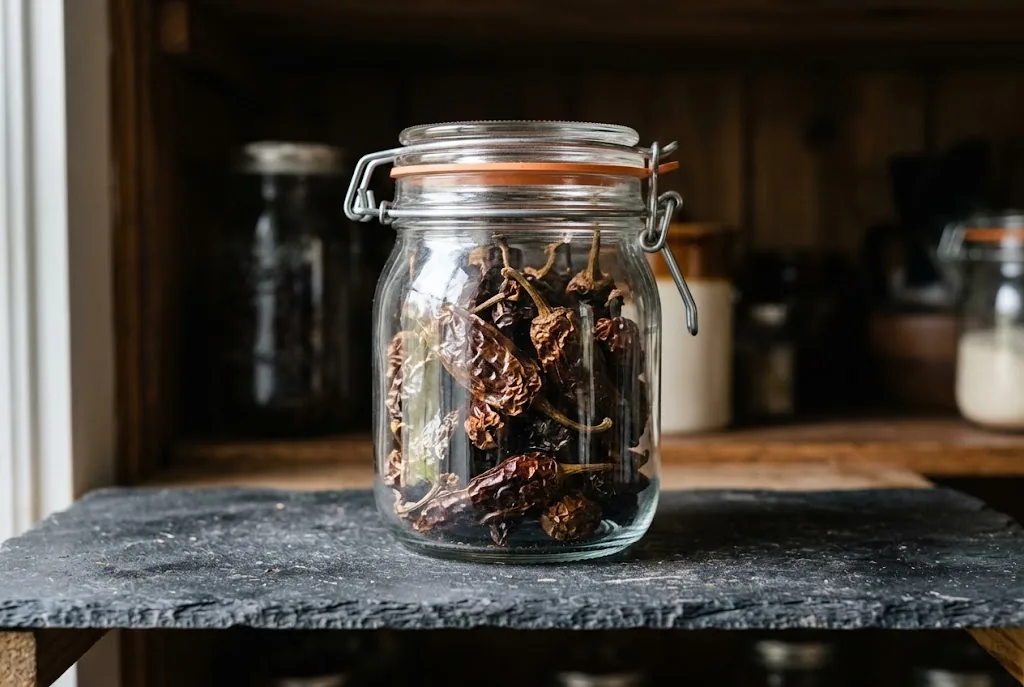
Never pack warm peppers into containers. Warm pods feel deceptively pliable; always let test pods cool completely to room temperature before judging dryness. For home pantry storage, dry the chipotle peppers until brittle throughout, as Utah State Extension advises for dried chile pods. A thick pod that still bends or feels leathery at its core needs more time in the dehydrator. Split a test pod after it cools and inspect the fleshy center near the stem. If it has any damp or soft spot, keep drying the batch before packing it into a jar. The finish point matters more than the number of hours on the smoker or dehydrator. If any soft moisture remains around the stem or placenta, the peppers need to dry further in the dehydrator to prevent mold growth in storage.
How to store and use homemade chipotles
Once your homemade chipotles have cooled thoroughly, transfer them into an airtight container such as a glass canning jar or a vacuum-sealed bag. Store the airtight jar in a cool, dark cupboard or pantry away from direct sunlight, stove heat, and moisture. For best quality, plan to use home-dried chipotles within about a year and check them regularly for moisture or spoilage, following National Center for Home Food Preservation guidance. Storage temperature and packaging affect how long they keep. Inspect your jars during the first few days: if any condensation appears on the glass, the pods still harbor moisture and must be returned to the dehydrator immediately.
One of the most satisfying ways to use your harvest is making homemade spicy seasoning. Grind whole dried pods in an electric spice grinder or coffee mill until reduced to a fine powder. Sifting the ground spice through a fine-mesh strainer removes any tough seed flakes, leaving a smooth, brick-red chipotle powder with far brighter aroma than commercial jars. Use this seasoning to dust roasted potatoes, blend into homemade barbecue rubs, or enrich spice blends.
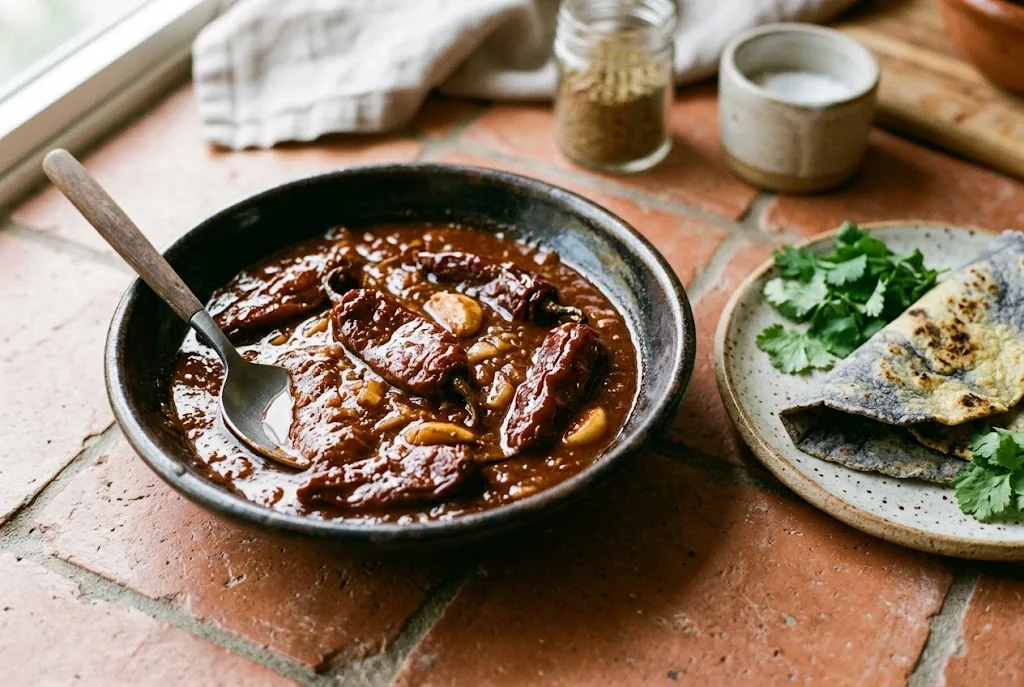
Another classic preparation is making homemade peppers in adobo. In traditional Mexican cooking, rehydrated pods are simmered in a savory adobo sauce crafted from tomato puree, cider vinegar, garlic, oregano, and spices. This is a refrigerated sauce, not a tested long-term preserve. Oregon State Extension advises using most homemade sauces within four days or freezing them for longer storage, giving you a short-term flavor base to enrich a braised beef stew, spoon over pinto beans, or stir into a simmering enchilada sauce.
You can also use chipotles in everyday cooking to add gentle warmth and campfire complexity. Blend a spoonful of adobo sauce with mayonnaise and fresh lime juice to make a quick chipotle mayo for grilled fish or shrimp tacos. Add diced pods to black bean soups, fold them into fillings for baked enchiladas, or spoon a dash of spicy puree into a hearty burrito bowl. Even a single pod adds layers of authentic character to simple weeknight meals.
Frequently asked questions about making chipotle peppers
Can you make chipotles from green jalapeños?
While green jalapeños can be cured over wood, the result lacks the sweetness and complexity of true chipotle. Red, fully ripe jalapeños produce the familiar color and flavor. Green jalapeños can also be smoked, but the result tastes different and should not be promised to match a traditional red-jalapeño chipotle.
How hot is a smoked jalapeño compared to a fresh pod?
Smoking and drying remove water, so a dried pepper can deliver more heat per gram than the fresh pod. The actual heat varies by jalapeño cultivar and growing conditions; a home batch does not have one fixed Scoville rating. As a result, dried pods often taste noticeably hotter than fresh green jalapeños.
Can you make chipotles without an outdoor smoker?
An oven can dry jalapeños but cannot add real wood smoke on its own. For a smoked result, use an outdoor smoker or grill before completing the drying step. However, any basic outdoor kettle grill can be configured for indirect low heat to smoke your peppers before finishing them in a home dehydrator.
