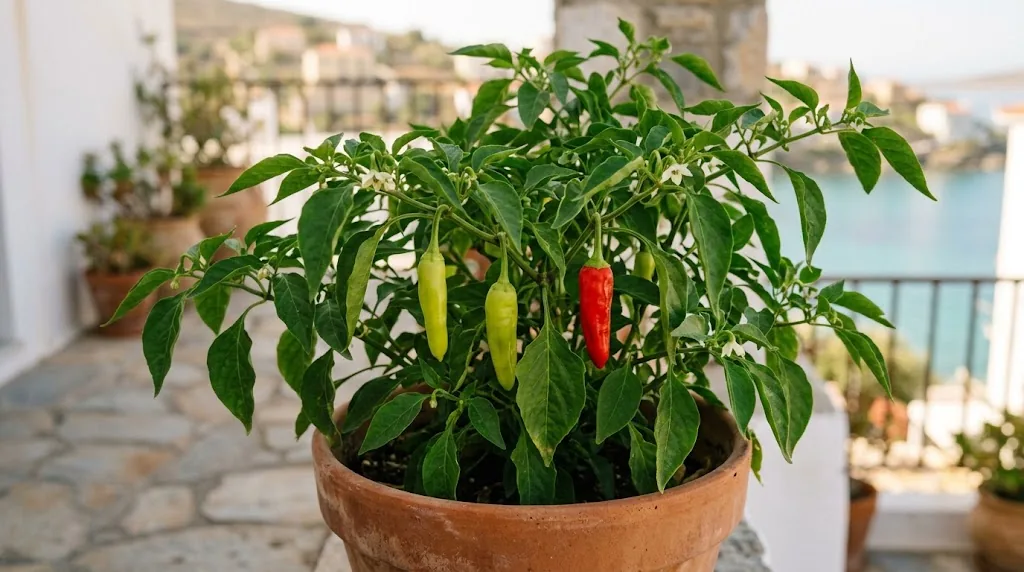
That small, wrinkled pepper in a deli jar brings a bright, vinegary bite with only a little warmth. The name pepperoncini usually means a low-heat, thin-walled pickling pepper in North American grocery stores, though the label can refer to more than one seed line rather than a single universal cultivar. It belongs to Capsicum annuum, and home growers can pick the fruit green or leave it on the plant to turn red. If a seed packet simply says pepperoncini pepper, check its fruit length and ripening color because those details vary by line.
What are pepperoncini?
In the United States, the word usually points to an elongated pickling pepper sold fresh or pickled. Seed catalogs list named lines, such as Paisan, rather than one standardized cultivar called simply pepperoncini. Its fruit is slender, thin-walled and light green when growers pick it for pickling; it can mature to red. The market name can refer to a seed variety or simply to the pepper style a seller offers.
A jar may be labeled pepperoncini peppers, but check the ingredient panel if you need to know whether it contains whole fruit, rings or a particular country’s style.
The Italian word peperoncino is broader. Italy’s Treccani dictionary uses it for small, elongated, pungent, spicy peppers, while North American food labels often use the plural for the less pungent pickling pepper. Check the country of origin, ingredient list and heat description when a recipe or menu uses the name. Treccani’s Italian dictionary entry explains the distinction in usage.
For the bigger picture on named varieties and their differences, see our guide to choosing among chili pepper types.
Origin, shape and ripening
West Coast Seeds describes its pepperoncini line as a Greek heirloom. That is useful context for that seed line, but the grocery and seed-market name is not one standardized cultivar. Without a named seed line or documented history, do not assign every pepper sold under that label the same origin. Fedco lists its named line as open-pollinated.
The plant is a warm-season member of the nightshade family. A representative seed line, Johnny’s Paisan, is listed as Capsicum annuum, with thin-walled fruit picked at 3 to 4 inches for pickling or cooking. The exact length, color and shape vary by seed line and growing conditions, so use the packet description when you want a particular look.
Pick fruit while it is firm and light green for the classic briny, crisp pickle. Left longer, it changes through yellow or orange toward red and usually tastes sweeter. The seed supplier’s maturity figure refers to its own line and method: Fedco lists 65 days from transplanting for its named line, while Johnny’s gives a separate maturity estimate for its Paisan line. Treat those numbers as planning estimates, not a promise for every growing site.
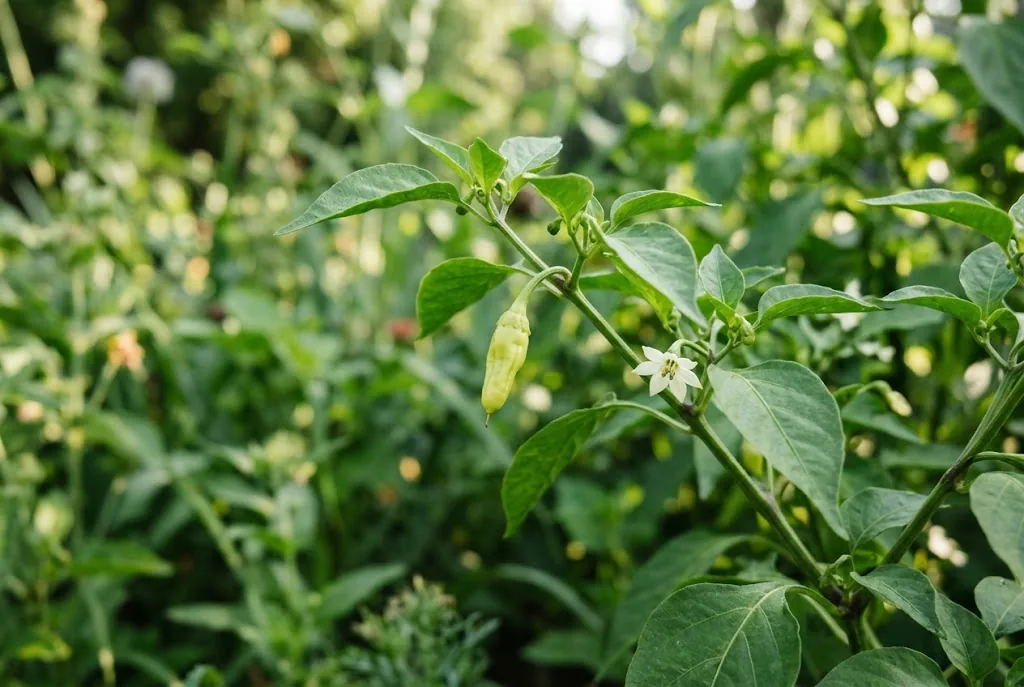
For a different Capsicum annuum fruit profile, compare these with Cherry Bomb peppers, which are bred for a rounder, thicker fruit.
How hot are pepperoncini?
The familiar pickling pepper is very low in heat, but published estimates are not consistent. One general pepper reference lists 100 to 500 Scoville heat units (SHU), while West Coast Seeds describes its own line as below 100 SHU. Neither figure, checked in September 2026, is a lab-tested range for every pepper sold under the name. Expect only a little warmth from the grocery-store type, and taste a small piece if heat matters to you.
If you want a distinctly hotter fruit for cooking, see our profile of Malagueta peppers, a different species with a more assertive heat.
Fresh fruit tastes grassy and gently sweet, with a crisp, thin flesh and a mild prickle. Pickling adds the sharper sourness and saltiness many people recognize from jars. The brine contributes much of that flavor, so fresh and pickled peppers are not interchangeable in every dish.
Pepperoncini and banana peppers
Both are low-heat Capsicum annuum peppers, and both are sold pickled. Their names do not guarantee a strict botanical distinction at the grocery store. A banana pepper is usually longer, smoother and more tapered; the pickling type often has thinner, slightly wrinkled skin and a rounded tip. The bite can overlap, especially after pickling, so look at texture and taste as well as the label.
Use a banana pepper when you want a thicker, firmer piece or a pepper that can hold a filling. Choose this pepper for a delicate, tangy garnish, a salad or a wrap. If a recipe calls for one and you only have the other, substitute a similar pickled form and taste before adding extra vinegar or salt.
Growing pepperoncini at home
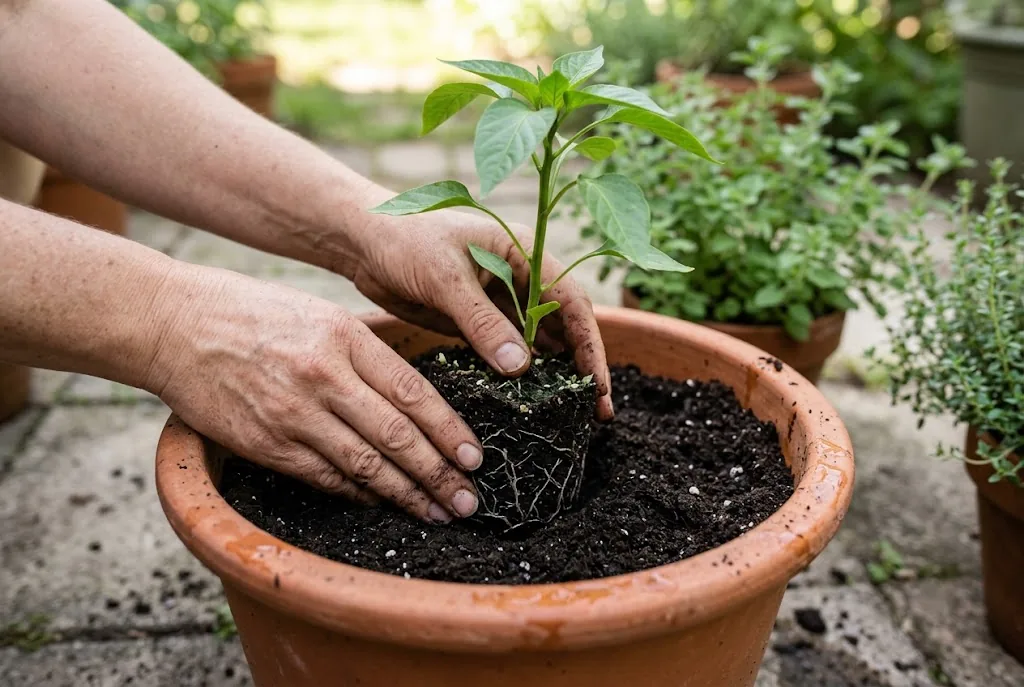
Start seeds indoors about eight weeks before you expect to transplant. Pepper seeds germinate slowly in cool mix: Utah State University Extension recommends about 80°F for germination, then 65 to 75°F as seedlings grow. A heat mat can help keep the starting mix warm. Give seedlings strong light, and pot them up if their roots fill the starter cell. In a short-season area, this head start helps the plant use warm months for flowering and fruiting.
Move sturdy plants outdoors only after frost danger has passed and the soil has warmed. Choose a sunny spot with fertile, well-drained soil in a garden bed or container. Space the plants according to the seed packet; around 18 inches is a common extension recommendation for peppers. A five-gallon container also works if it drains freely, and container plants need regular watering because potting mix dries faster than ground.
Keep moisture steady while flowers and fruit develop. Deep, consistent watering helps avoid stress, while waterlogged soil can damage roots. If flowers drop during very hot weather, heat may be part of the problem. Peppers can also shed flowers when conditions are too cool or dry. Give large, fruit-heavy plants support if stems begin to lean; Johnny’s recommends staking its vigorous Paisan line for best fruit quality.
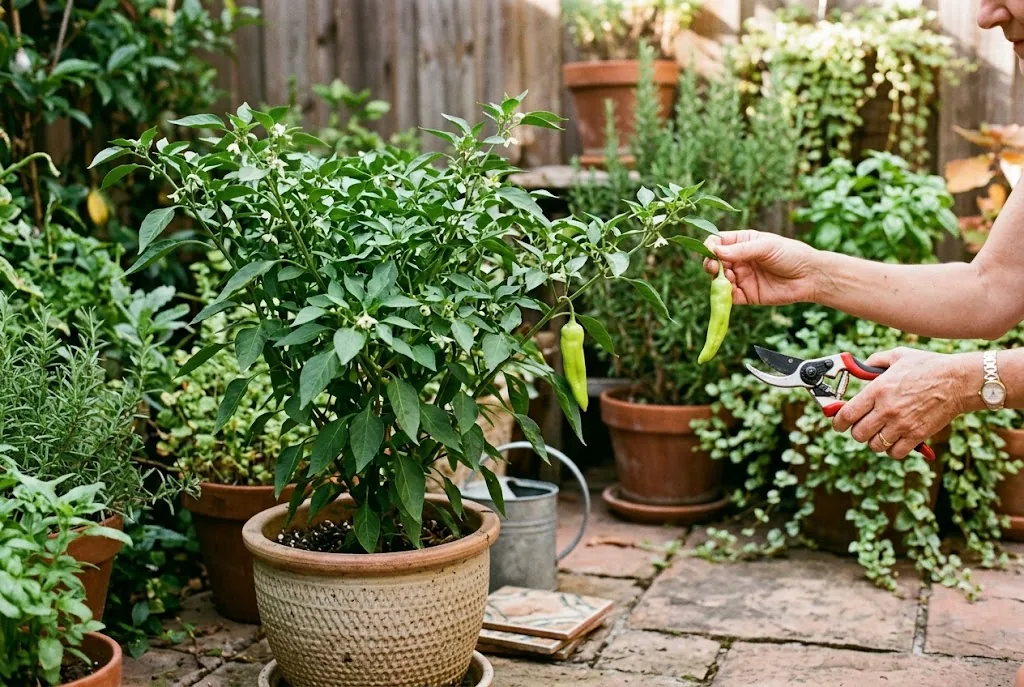
Pick firm green fruit as it reaches the size described for your seed line. Cutting rather than pulling helps avoid breaking a branch. Regular picking can encourage more fruit, while leaving a few peppers to turn red gives you a sweeter, fully colored fruit.
Harvest, storage and preserving
Handle the fruit gently because its thin walls bruise more easily than a thick-walled bell pepper. Rinse under cool running water and dry before refrigerating. Utah State University Extension advises storing fresh chile in the refrigerator for up to two or three weeks; use the fruit sooner if it softens or develops spots. For longer storage, freeze it in a sealed package. Frozen fruit loses some crispness, so use it in cooked dishes rather than as a fresh garnish.
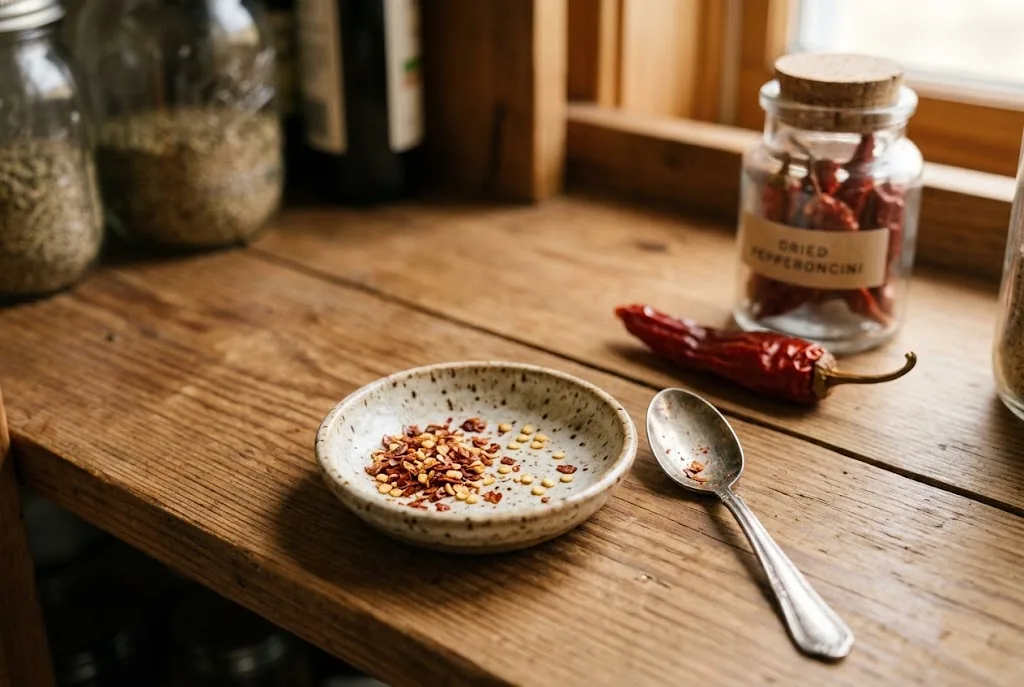
For a dry pantry seasoning, slice ripe pods and dehydrate them until brittle, then store them in a clean, tightly sealed jar. Crush a few into flakes or grind them into powder when you cook. Drying concentrates the pepper’s flavor, and the result is better suited to soups, sauces and cooked vegetables than to a crisp fresh garnish. Utah State University Extension gives these basic chile-drying steps; use a dehydrator or a well-ventilated indoor drying method.
For a quick refrigerator pickle, cover clean, prepared peppers with a vinegar-based brine, chill promptly and keep the jar refrigerated. Follow a tested recipe for ingredient ratios and storage guidance. Do not treat a homemade jar as shelf-stable: peppers are low-acid vegetables, and water-bath canning requires a tested recipe with the specified vinegar strength, proportions, jar size and processing time. Oregon State University Extension explains the acidification requirements for pickled hot peppers, and the National Center for Home Food Preservation provides tested pickled pepper recipes and canning instructions.
Ways to use them
Chop the pickled peppers into salads, antipasto platters, a sandwich, pizza or pasta, or add a few thin slices to hot toast. A little can brighten a creamy dip or a bean dish; add it near the end so the vinegar stays lively. The brine can season a dressing or marinade, but add it gradually because it also brings salt. A spoonful also brightens a creamy sauce.
Fresh fruit is gentle enough to grill, sauté or roast. Cook it whole until the skin softens and blisters, or cut it into eggs, vegetables or a skillet meal. For a crisp garnish, keep the peppers raw and pair their gentle tang with beans or roasted vegetables.
For an easy appetizer, tuck a whole pickled pepper beside olives and cheese, or serve chopped fruit with crackers and a soft spread. If you prefer a lower-vinegar taste, rinse a few rings and blot them dry before adding them to the plate.
Sources and further reading
- USU Extension: Pepper growing guide
- USU Extension: How to Preserve Chiles
- Fedco Seeds: open-pollinated pickling line
- Johnny’s Selected Seeds: Paisan Pepperoncini
- West Coast Seeds: Pepperoncini
- The Peppers Database: Pepperoncini
- Oregon State University Extension: Acidified Foods, Pickled Hot Peppers
- Treccani: Peperoncino
- National Center for Home Food Preservation: Pickled Bell Peppers
