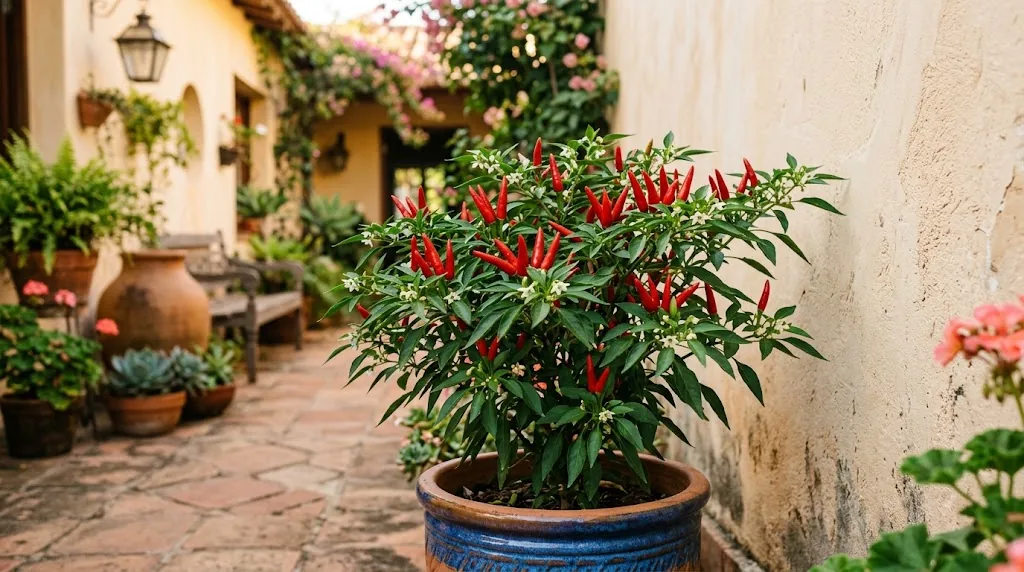
Small and upright on the plant, Malagueta peppers bring a sharp, lasting bite to Brazilian cooking. This label usually refers to Capsicum frutescens, but fruit size and pungency can vary among lines, so check the packet when buying.
Where Malagueta peppers come from
Malagueta is strongly associated with Brazil, where the pepper has been part of the cuisine for more than 500 years, according to a paper in Horticultura Brasileira. It is also used in Portugal and Mozambique. Some sellers use piri-piri for smaller fruits, though regional labels do not always identify one uniform line. Grains of paradise is an unrelated African spice with a similar-sounding term.
Brazil’s national cultivar registry records a Malagueta cultivar under this species, but that does not mean every packet sold under the common label is genetically identical. For a specific plant’s size or harvest timing, treat the seller’s description as a guide to its growing line.
For the wider family of named varieties and how they differ, visit our guide to chili pepper types.
What the pods look and taste like
Typical fruits are narrow, tapered, and upright, with smooth, thin skin. They start green and turn bright red as they mature. Pepper Joe’s describes its line as producing fruit about 1 to 2 inches long on a dense, bushy plant around 2 to 3 feet tall. Other seller listings describe smaller fruit, so expect variation rather than one fixed measurement.
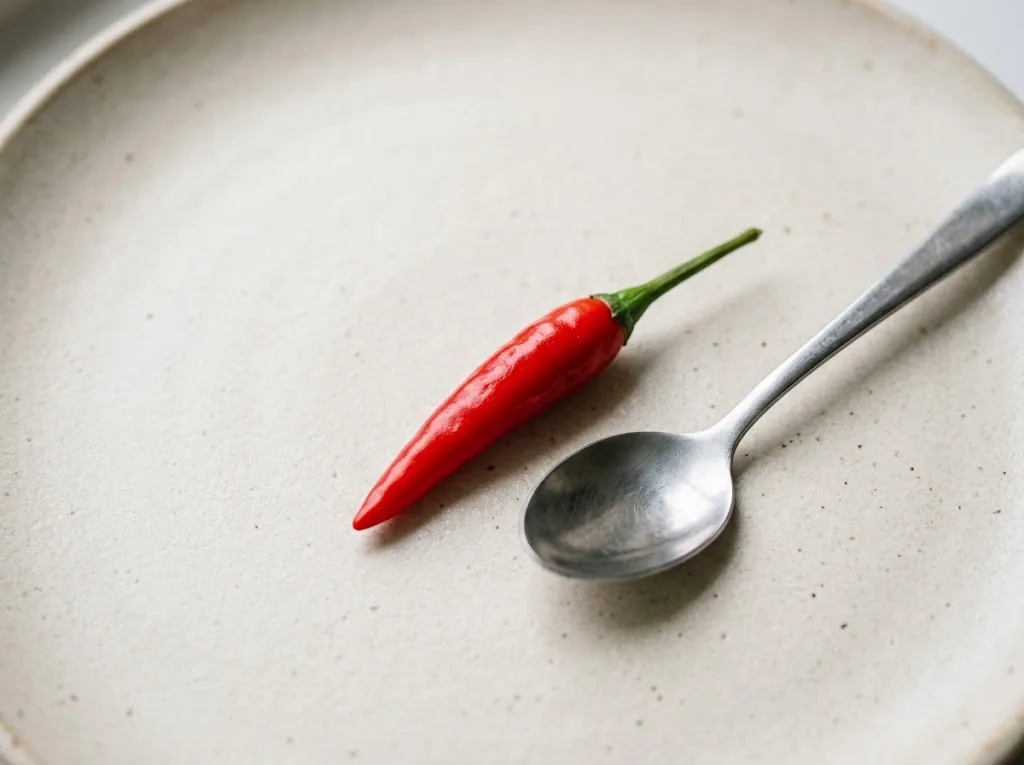
The aroma can seem fruity, while the bite is direct and intense. Pepper Joe’s calls the flavor sweet, citrusy, and slightly bitter, but taste changes with growing conditions and maturity. Use a small amount first, then add more to a recipe if you want a stronger burn.
Pepper Joe’s lists its seed line at 60,000 to 100,000 Scoville units. Treat this as a retailer’s estimate, not a guaranteed reading for every fruit. If batch strength matters, taste a tiny piece cautiously rather than relying on a label alone.
For a comparison with another upright chili, see our profile of Facing Heaven peppers. They are a different species and have a different fruit shape.
How to grow Malagueta peppers
If you are buying planting stock, read the seller’s description for the plant’s species and expected fruit. The common label appears on more than one line, so treat cultivar-specific size and harvest estimates as seller guidance. A seller may list a particular strain at about 90 to 99 days to harvest, but that estimate is specific to its line and conditions. Reimer Seeds gives a much wider range for chili peppers generally, which shows why a calendar date is not a promise. Start with the packet’s estimate and let the plant and fruit guide your harvest.
Start indoors in a warm, bright place if your outdoor season is short. Utah State University Extension recommends about 80°F for pepper germination. The University of Minnesota Extension recommends starting pepper seeds indoors about eight weeks before planting outside; adjust the date for your local climate. Keep the mix evenly moist, not waterlogged, and move seedlings into stronger light once they emerge.

After frost danger has passed and nights are warm, harden off seedlings gradually and transplant them into a sunny spot with fertile, well-drained soil. Set them at the same soil depth they grew in their pots. A large container can work if it has drainage holes and enough room for the roots. Give the plant space for air movement, and water when the soil begins to dry rather than following a fixed day-by-day schedule.
Do not feed heavily just to push growth. Follow a soil test and the fertilizer label. If blossoms drop during extreme temperatures, wait for more favorable conditions and keep moisture steady. For a step-by-step growing overview, use our chili growing guide.
When to harvest and how to handle the fruit
Pick the fruit when it has reached its mature red color, or harvest it green if you prefer a less-ripe taste. Use clean snips to avoid pulling branches. Wear gloves while cutting or handling the peppers, and wash your hands with soap before touching your eyes or face. The National Center for Home Food Preservation gives the same caution.

Capsaicin can irritate skin and eyes. Keep your hands away from your face while preparing the harvest, and clean the knife and work surface afterward. If juice gets in an eye, Poison Control advises flushing with plenty of warm water for 15 minutes. For trouble breathing or chest discomfort, call emergency services; contact Poison Control for other concerning exposures.
Storing and preserving a harvest
Use fresh fruit soon after picking, or freeze extra peppers whole. The National Center for Home Food Preservation advises washing and stemming the fruit, packaging it with no headspace, sealing, and freezing; blanching is not part of its pepper instructions. Frozen peppers soften after thawing, so they work best in cooked recipes.
This chili suits a quick pan preparation, beans, a marinade, or a vinegar condiment. For shelf-stable canning, do not improvise a brine or change a recipe’s proportions. Peppers are low-acid vegetables, and safe processing depends on a tested recipe and its exact procedure. The National Center for Home Food Preservation provides tested pickled pepper instructions.
How to use Malagueta in the kitchen
Pepper Joe’s describes the fruits as useful in sauces, salsas, and poultry dishes. Add a small piece to a pot of beans, mince one into a marinade, or steep a pepper briefly in liquid and remove it when the flavor is right. For a milder result, remove the fruit early and taste before adding more.
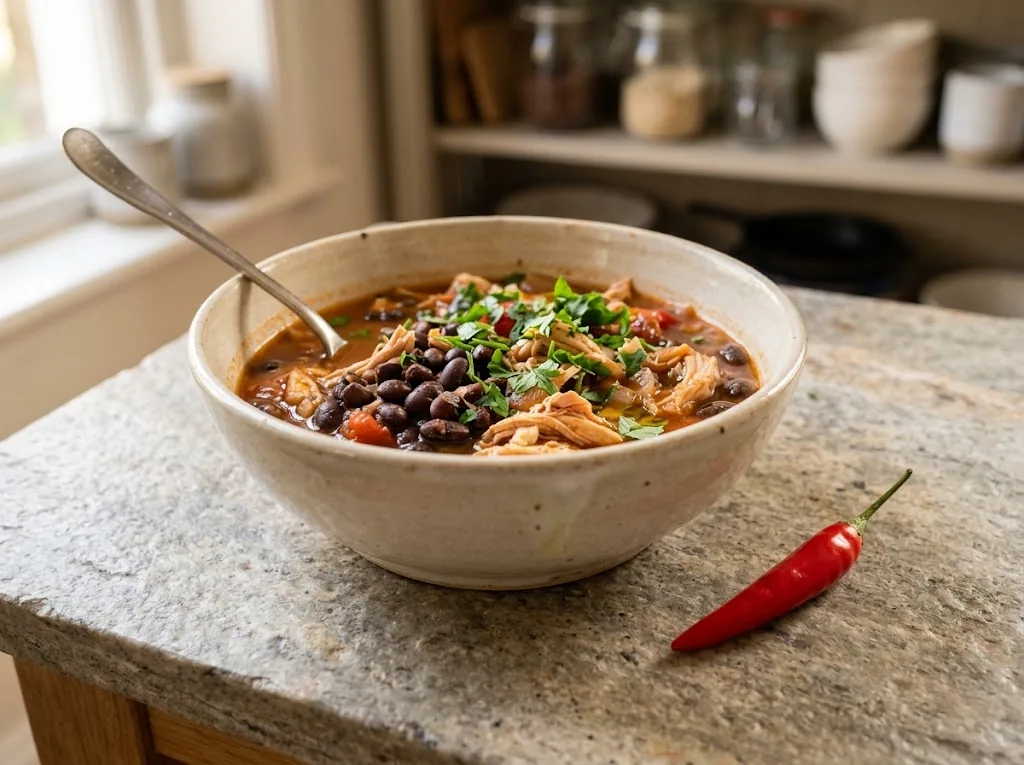
If a recipe calls for piri-piri or another bird’s-eye chili, check its intended intensity before substituting. Regional terms overlap, and two peppers can differ sharply. Start with less than the recipe asks for, then adjust to taste.
Sources
- Rebouças, Valverde, and Teixeira, “Bromatology of fresh and processed chili pepper,” Horticultura Brasileira: SciELO article.
- Brazilian Ministry of Agriculture, National Cultivar Registry: Malagueta cultivar entry.
- Pepper Joe’s, seed-line description and seller-reported pungency and harvest estimates: Malagueta Pepper Seeds.
- Reimer Seeds, a separate seed-line listing and broad growing ranges: Malagueta Pepper Seeds.
- Utah State University Extension, pepper germination and garden care: How to Grow Peppers in Your Garden.
- University of Minnesota Extension, transplanting, watering, harvest, and container guidance: Growing peppers.
- Poison Control, capsaicin irritation and first aid: capsaicin exposure guidance.
- National Center for Home Food Preservation: freezing peppers, why tested proportions matter for canning peppers, and a tested pickled pepper recipe.
