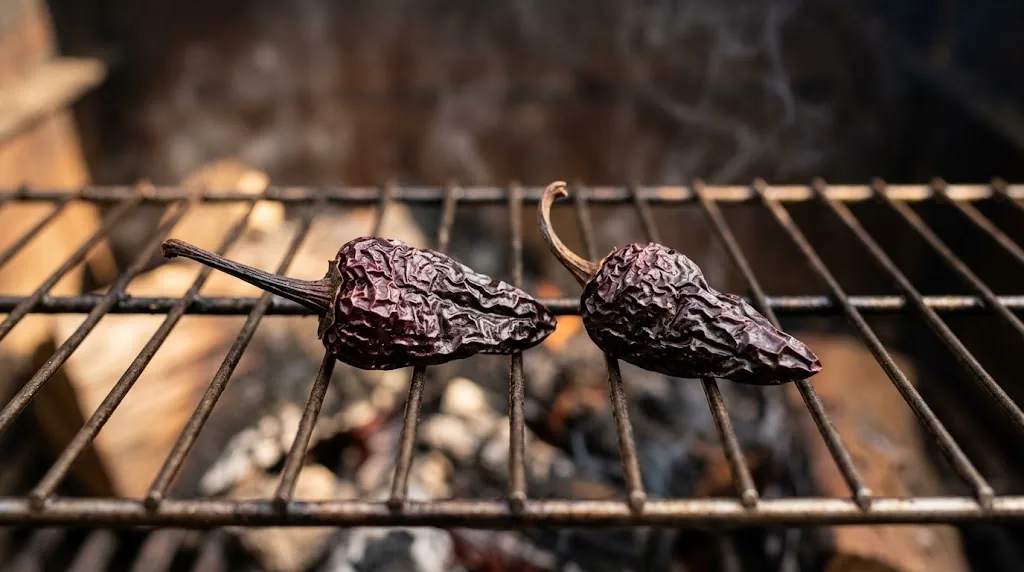
A chile Morita has a dark, fruit-scented flavor and can bring smoke and gentle warmth to salsa, beans, and soups. It is usually a ripe jalapeño that has been smoked and dried, rather than a separate fresh pepper cultivar. To make them at home, grow the plant and let some pods ripen red before processing them.
What is a chile morita, and is it a type of chipotle?
These are dried and smoked red jalapeños, processed after the fruit ripens. They often have a deep red color or reddish-purple skin, with a fruitier flavor than the drier chipotle meco. Producers use different processing methods, so flavor, texture, and heat vary by product. The name refers to the finished ingredient, not a botanical species.
The distinction is useful in the kitchen and the garden. The fresh fruit is taken from the living plant; the processed chile is that fruit after it ripens, dries, and takes on smoke. The University of California Master Food Preserver program describes these as styles of smoked dried fruit, distinguished by their drying and smoking methods. Its guide explains why dried chiles are treated as distinct ingredients.
Origin and how the name is used
Smoked chiles are part of Mexico’s long tradition of drying and smoking chiles. Mexico’s agriculture information service describes one method from Camargo, Chihuahua: ripe red chile peppers stay on the vine until they turn red, then are harvested and dried with heat and smoke. That is a regional production tradition, not a rule for every producer. Read the Mexican government’s overview of chipotle production.
Morita is often translated as “little blackberry,” a reference to its deep red color. A USDA petition about chipotle chiles describes the dried fruit as dark reddish purple and less heavily smoked than the drier meco style. This dried chile has a smoky flavor, but shop names can overlap: some sellers use “chipotle” for several smoked chile products, while others label the Morita style separately.
What does this dried chile taste like?
Expect a fruit note under the roasted smoke, with a softer, more pliable texture than the drier meco style. The balance varies by producer and batch. Start with a small piece in a sauce, taste, then add more if you want a stronger smoky flavor.
Morita chili heat: Scoville heat units and flavor
They are usually described as medium heat, with a smoky aroma and a rounded, fruity flavor. Heat descriptions are a guide, since growing conditions can affect pungency. The supplier cited here gives a medium-heat rating but no Scoville heat units, so use the label as a general guide. Start with one chile, taste the dish, and add another only if you want more warmth. NMSU explains that pungent compounds form around the pod’s placenta; seeds may pick up some by contact. El Guapo’s product description characterizes its Morita as medium heat.
Moritas vs. chipotle meco: what is the difference?
A chipotle pepper is a smoked, dried jalapeño, while meco and Morita are two distinct styles of that ingredient. A meco is generally drier, paler, and smoked longer; this style tends to remain darker and more pliable, with a fruit note beneath the roasted notes. An ancho is different again: it is a dried poblano, not a smoked chile. That distinction matters when a recipe depends on a particular balance of sweetness, fruit, and smoke. The USDA petition describes the Morita style’s darker color and lighter smoking compared with meco.
For a broader comparison of heat and flavor across chile types, see the guide to chili pepper varieties.
How to grow the crop for homemade chiles
Grow plants, then leave selected pods on the plant until they turn fully red. Jalapeños are Capsicum annuum, a warm-season crop that needs sun, warm soil, and protection from frost. NMSU describes the fruit as thick-fleshed and conical, dark green when immature and red when mature. Under ideal conditions, green fruit can be ready 45 to 55 days after pollination; red fruit takes longer. The same NMSU guide gives regional growing advice.
- Choose seeds or a transplant. Sow indoors in late winter in short-season areas and follow the seed packet for timing. University of Utah Extension gives about 70 days from planting to a first harvest as an average, but cultivar and weather change the schedule. The Chile Pepper Institute recommends starting chile seeds indoors 8 to 10 weeks before the expected last frost. It reports higher germination rates between 70 and 80°F.
- Wait for warm soil and settled weather. Set plants outside after frost danger has passed. Choose a sunny location with well-drained soil. Cold conditions slow growth, while very hot nights can interfere with fruit set.
- Keep moisture steady. Water deeply when the soil begins to dry, adjusting for rainfall, container size, and heat. Pots dry faster than garden beds. Avoid a fixed day-by-day schedule.
- Pick some green and leave some red. Green pods eventually turn red as they mature. Pick green pods for fresh use; leave selected fruit attached until fully red if you plan to dry it. Red pods may mature several weeks after the green stage, and a plant will not ripen every fruit at once.
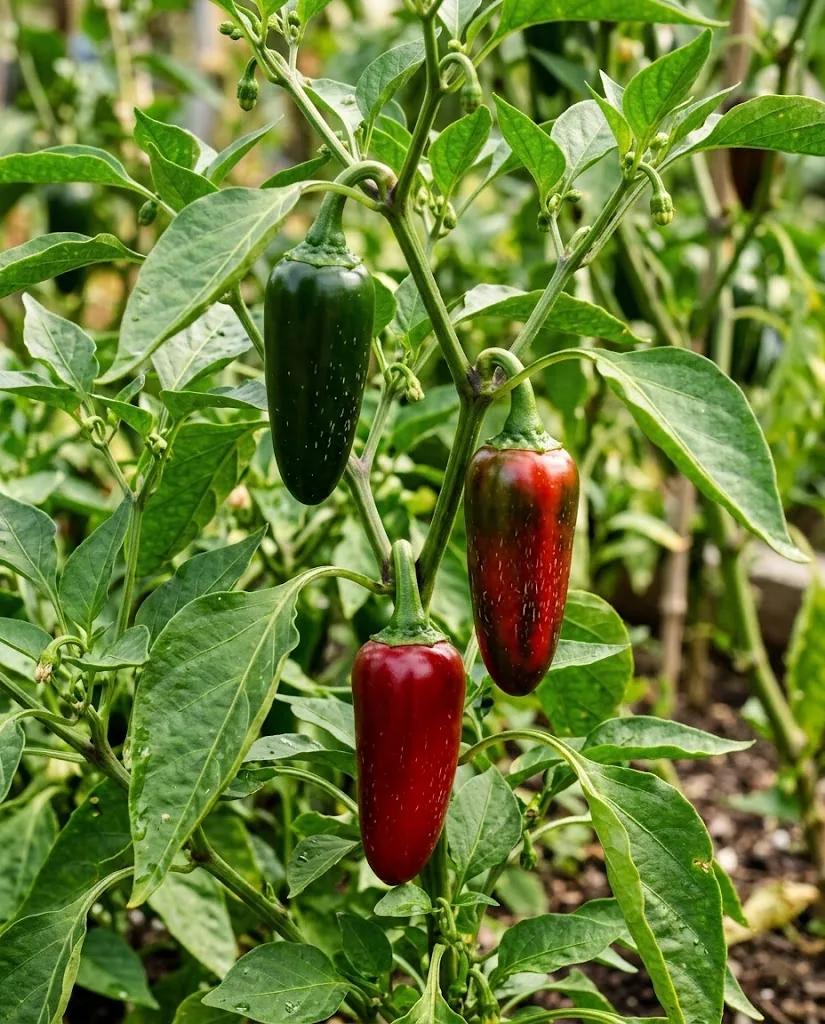
A jalapeño plant gives you the raw ingredient, not a guaranteed smoked chile product. The final flavor depends on the ripe fruit and how it is dried and smoked. If you save seed, keep the plants away from other Capsicum annuum varieties that could cross-pollinate. NMSU’s seed-saving guide explains why.
For another pepper with a distinct heat and flavor profile, compare Bahamian Goat peppers.
Harvest and handle ripe pods
Wear gloves when cutting hot peppers and avoid touching your eyes or face. Use clean snips to harvest red pods. Set aside fruit with soft spots, mold, or insect damage. Wash hands and tools after handling peppers, even if you wore gloves.
Dried chile Morita: smoke, drying, and storage
The chiles are smoked as they dry. If you smoke peppers at home, use a food-safe smoker and a tested method suited to the equipment. Keep the process moving so fruit does not remain warm and damp. A dehydrator can dry ripe red chiles without smoke; the result will have a cleaner chile flavor rather than the classic smoky character. Follow the appliance instructions and dry until the pods are brittle, not leathery.
Let dried chiles cool before packing them in a clean airtight container. Store them in a cool, dry, dark place and check for condensation. The National Center for Home Food Preservation recommends airtight packaging and says dried vegetables should be brittle or crisp. If moisture collects inside a container, return the chiles to the dehydrator.
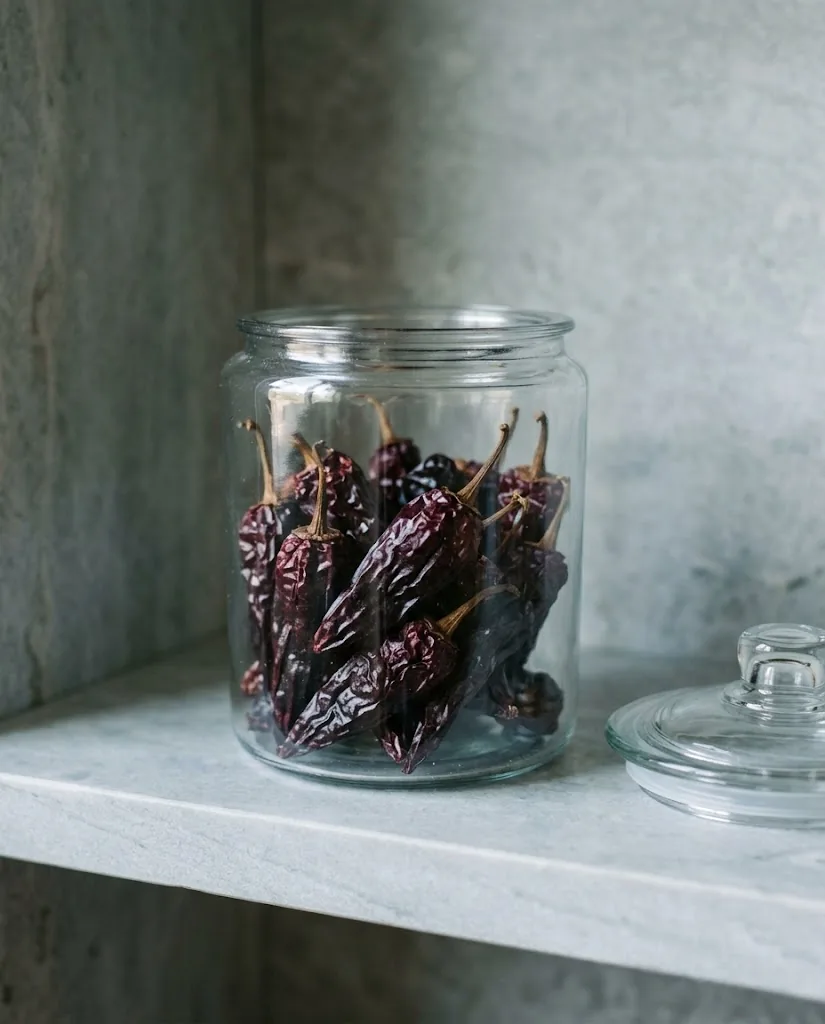
Shop chile Morita: choose whole Morita pods
Look for whole dried peppers at a Mexican grocery, spice shop, or supermarket with a Latin foods section. Search the dried-chile section for “Morita” or “Morita chile”; labels vary. Some online product names use “chipotle Morita chiles” or “chile Morita peppers.” Check the description for whole dried pods if you do not want chipotles packed in sauce. Some stores sell sealed bags; others have a bulk bin. One package example is “Whole Morita Chili Pods”. Check the label if the distinction between Morita and meco matters for your recipe.
Morita pepper: dried pod or canned chipotle?
Whole dried pods and canned chipotles packed in sauce are different formats. Rehydrate a dried pod and blend it into a sauce; a can gives you chipotles with a seasoned sauce as well. If a recipe calls for a dried chile, a canned one changes the texture and seasoning, so start with less added salt and taste as you go. Using dried pods lets you control the chile separately from the sauce. Mexican groceries may stock them in different aisles: check both the dried-chile section and the canned foods.
Morita salsa recipe: make salsa Morita
For a deeper toasted note, stem a dried chile and toast it in a dry skillet just until aromatic. Rick Bayless gives 30 to 45 seconds as a guide, then soaks dried red chipotles in hot water for about 30 minutes until soft. Keep the chile moving and stop as soon as it smells fragrant; scorching can turn it bitter. See Bayless’s method for preparing dried chiles for salsa. Once pliable, blend the chile into salsa or sauce. Mexican recipes use the dried chiles in beans, soups, stews, braises, marinades, and mole; add a small amount and let it simmer so the flavor spreads through the dish. A canned chipotle chile in adobo includes a seasoned sauce, so taste it before adding salt. Dried chiles also work in salsa macha and as a topping for tacos.
This salsa is made with dried chiles and makes about two cups. Use four dried chiles, two plum tomatoes, a quarter of a white onion, one garlic clove, a teaspoon of salt, and two cups of water. This adapts the proportions in McCormick’s Salsa Morita recipe.
- Bring one cup of water to a boil. Remove the pan from the heat, add stemmed chiles, cover, and let them soften for 15 minutes. Drain, then remove the seeds if you want a smoother, less seedy sauce.
- While they soak, roast the tomatoes, onion, and garlic under a broiler for about 10 minutes, turning the vegetables partway through. Remove the garlic sooner if it browns before the tomatoes soften.
- Remove the stems, then add the tomatoes and blend them with the softened chiles, onion, garlic, salt, and the remaining cup of water until smooth. Let the salsa cool before serving. Serve with tortilla chips or spoon it over tacos, nachos, tostadas, or eggs. Add cilantro if you like a fresh herbal note.
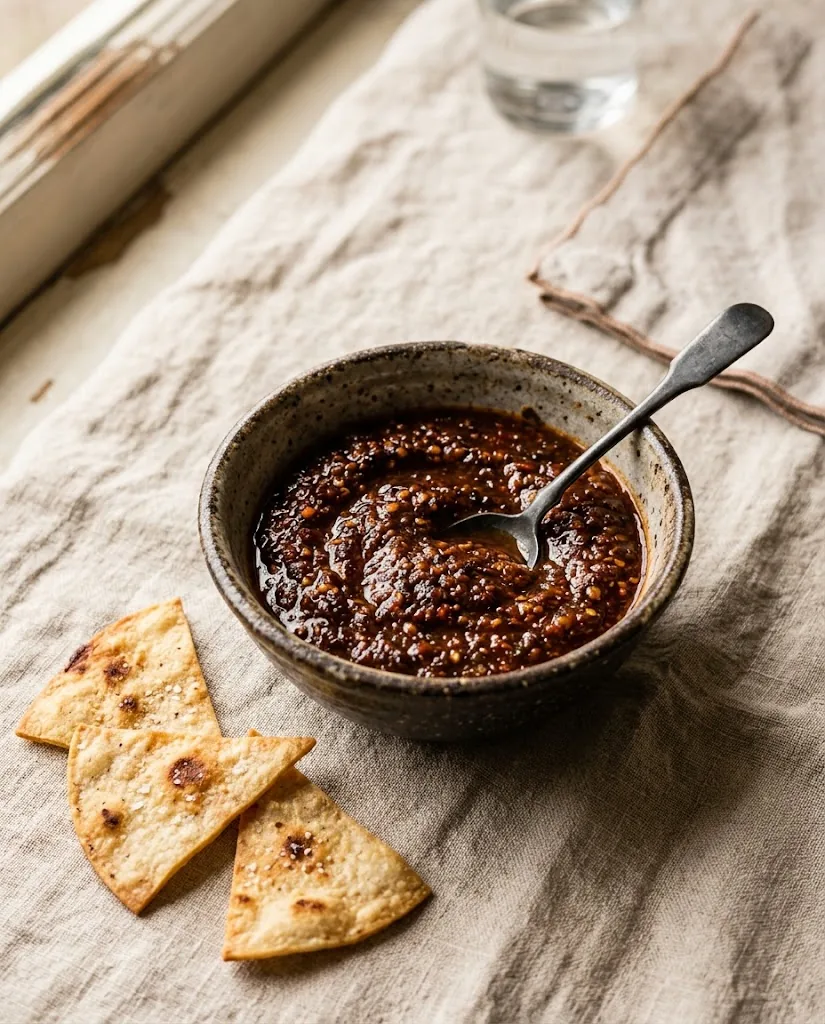
Using Morita chiles in Mexican cuisine: salsas, stews, and more
Beyond this salsa, a dried chile Morita adds smoky flavor to other salsas, soups, stews, beans, braises, and marinades. Rehydrate one, then let it simmer in a sauce or stew so the flavor spreads through the dish. Salsa is also a condiment for eggs; one recipe pairs it with papas con huevo. See serving ideas in this recipe guide.
Refrigerate homemade salsa in a covered container. This quick recipe is not tested for canning, so do not store it at room temperature. The National Center for Home Food Preservation explains why homemade salsa needs a tested canning recipe. Salsa macha is another condiment to try.
If you want an early-ripening pepper for a short season, read the profile of Early Jalapeño peppers.
Chile pepper questions
Is it the same as a fresh pepper?
Not exactly. This smoked, dried ingredient differs from fresh fruit before processing.
Is it the same as an ancho?
No. This is a smoked, dried red chile; an ancho comes from a different chile. They differ in shape and flavor, so substitute only if the recipe can handle a different taste.
Is this product a chipotle?
This is one style of the smoked chile product. Sellers may use overlapping names, so read the product description if the exact style matters.
Can I grow fresh pods for this ingredient?
Grow the plant and let selected pods ripen red. The name generally applies to the dried, smoked chile, not a reliably distinct fresh cultivar. A seed packet may use the name differently, so check whether it identifies a specific cultivar.
