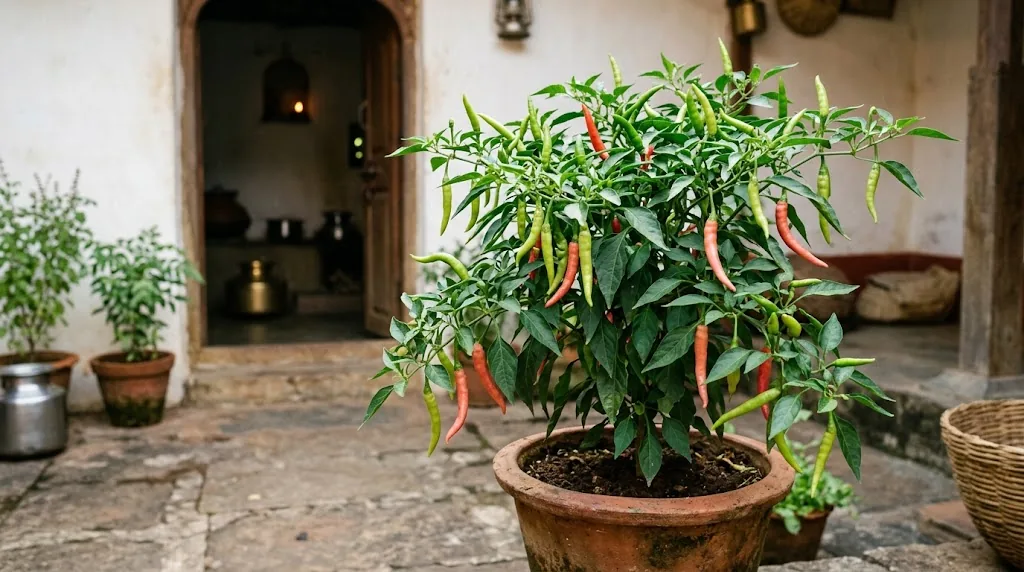
Jwala peppers give gardeners slender green pods for the kitchen, with more fruit left to ripen red for drying. The cultivar is notably pungent, but published figures are estimates, and descriptions do not always agree on pod size.
What is this cultivar?
This hot pepper is an improved cultivar bred at the Indian Agricultural Research Institute (IARI) in New Delhi, rather than a landrace. A study of commercial chili varieties reports its IARI breeding history, while a germplasm study classifies it as improved and pungent. The available sources do not establish a release year or a single origin story, so those details are best left open.
A TNAU commercial chili bulletin lists the cultivar for cultivation across India. It describes a dwarf, bushy pepper with light-green pods around 9 to 10 cm long that mature to light red. One seller, Seeds of India, describes its own line as taller, with vigorous growth and fruit averaging 14 to 16 cm. Treat those as source-specific descriptions: stock and growing conditions can affect what a home gardener sees. For the wider family of pepper shapes and uses, see this guide to chili pepper types.
How hot is it?
Descriptions of spiciness differ by source, so there is no single figure to quote. A 2011 peer-reviewed horticulture study measured the cultivar at about 41,683 Scoville heat units (SHU) using high-performance liquid chromatography, the lowest of the four varieties it tested, while the Sikkim Agriculture Department describes the cultivar as mild in pungency. One retail listing labels its product “medium heat”, another retailer description rather than a shared measurement. The government variety guide gives no SHU figure. Start with a small piece when cooking with a fruit you have not tried before.
This pepper can season a whole dish, so add it gradually. The pale inner ribs contain much of a pepper’s capsaicin; removing them can reduce its bite, according to University of Minnesota Extension. Wear gloves when slicing several hot chilies, wash your hands with soap afterward, and keep them away from your eyes and face. For a fragrant, low-pungency pepper from a different species, Capsicum chinense, see our profile of Trinidad Perfume peppers.
What do the pods look and taste like?
The narrow pods are easy to spot on the bush. The IARI description gives them as light green, turning light red when ripe. A separate catalog describes a longer pod, which shows why it helps to compare seller details with fruit in your own garden. A Swedish chile-growers association lists “Finger Hot” as an alternate name for the cultivar; one seed seller markets it as an Indian pepper.
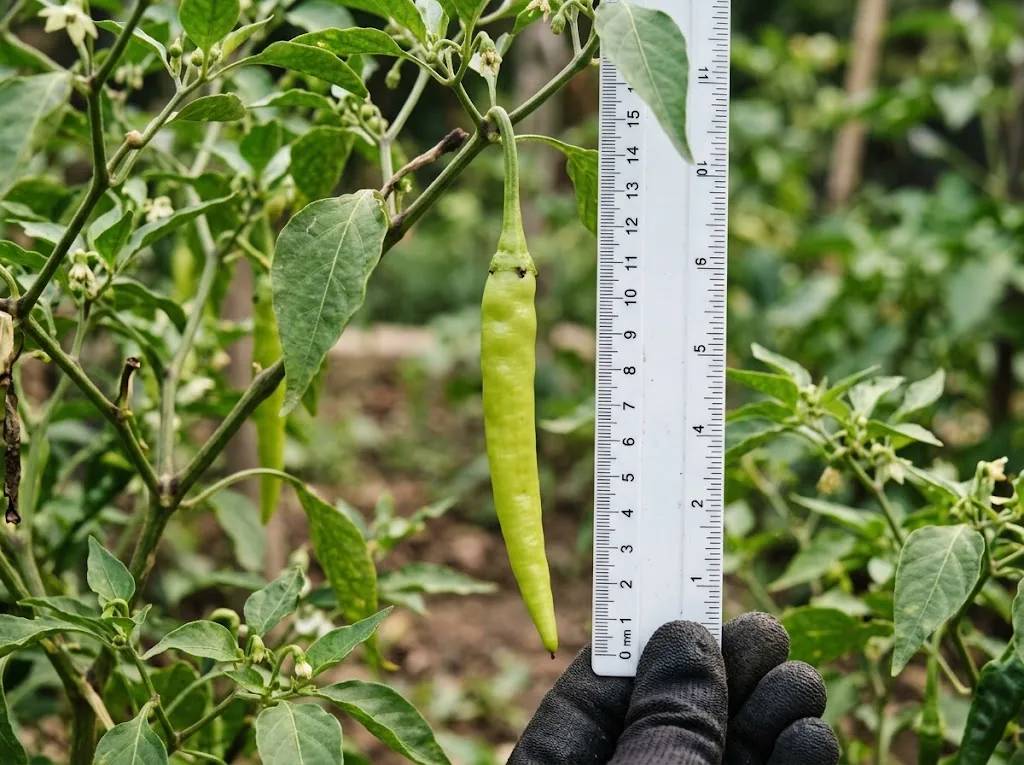
Picked green, the pods are suited to fresh cooking; ripe red peppers can be dried for seasoning. The Sikkim Agriculture Department’s variety guide describes the cultivar as pungent and adaptable across India. Its flavor and heat can vary between pods, so taste one carefully before you cook with it, then decide whether to use it whole, sliced, or sparingly.
How to grow peppers from seed
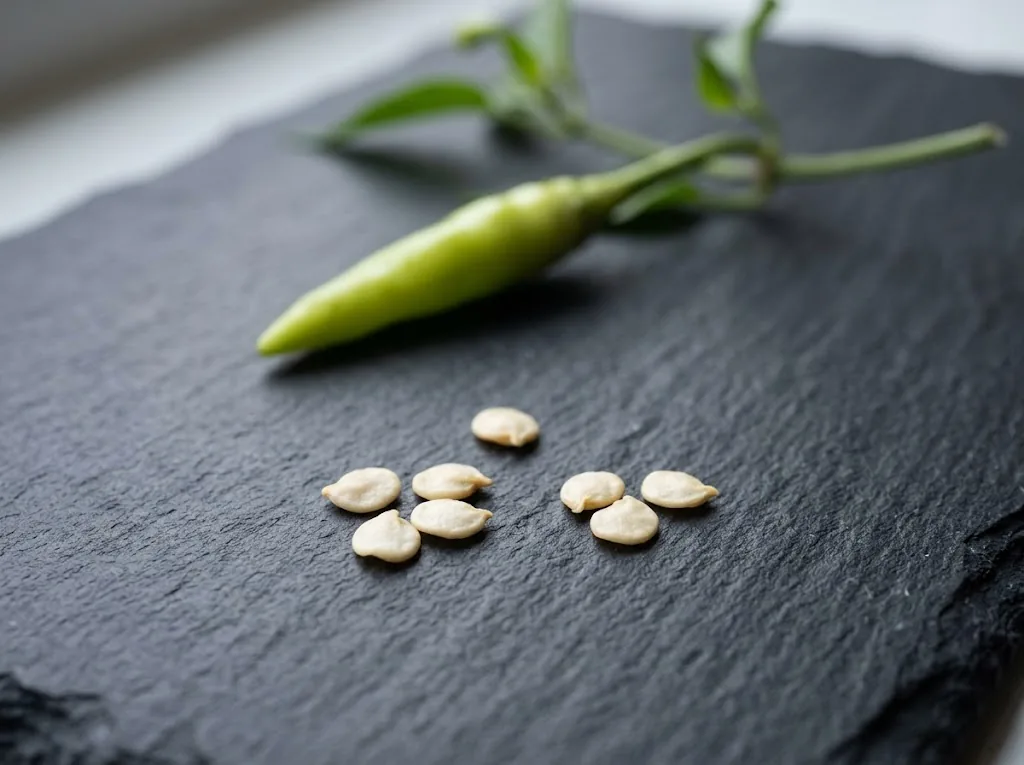
When shopping for pepper seeds online, look for the full cultivar name, the seller’s expected pod length and adult bush size, and an estimated picking window. One seed listing spells it “Jwala Chilli Pepper Seeds”, while others use “chili”; compare the cultivar name and seller’s description rather than relying on spelling alone. That seller promotes productive plants, which is a marketing claim rather than a local yield guarantee. A packet should say how many seeds it contains and give a packed-for or test date. Follow the seller’s sprouting instructions for that stock. For a small garden, sow a few extra cells in case sprouting is uneven, then keep the strongest starts.
There is limited published home-garden guidance specific to this cultivar, so use general pepper-starting advice. New Mexico State University’s Chile Pepper Institute recommends sowing chili seeds about 8 to 10 weeks before outdoor planting, around ¼ inch deep, in a clean starting mix. It recommends a sprouting temperature of 80 to 85°F and says the seeds commonly take 2 to 4 weeks, a useful germination window for planning. Keep the mix lightly moist rather than waterlogged, then give seedlings bright light after they emerge.
Move seedlings outdoors only when frost danger has passed and conditions are warm. Set each transplant at the same depth it grew indoors, and gradually expose it to outdoor sun and wind over about a week. In a vegetable garden bed or large container, choose a sunny spot with well-drained soil for each plant. University of Maryland Extension recommends at least five gallons for peppers grown in containers. Give branches room to produce fruit, and stake the plant if they begin to lean under its weight.
Keep moisture reasonably even, especially while flowers set fruit. Dry conditions can contribute to blossom drop and small pods, while overly wet roots can create other problems. Check moisture around the plant before watering instead of following a fixed calendar. If leaves curl or discolor, inspect foliage and growing conditions first; do not apply a spray or fertilizer until you have identified a likely cause.
One seed seller markets its line as a popular hot variety and lists first picking about 70 to 80 days after transplanting. Treat that wording as seller description: the government variety bulletin gives no home-garden picking date. Weather, transplant size, and whether you pick green or wait for red fruit all change the calendar.
When to harvest and how to handle the fruit
Pick firm, full-size green pods for fresh cooking, or leave some on the bush until they color if you want ripe red chilies. Use clean scissors or pruners to cut the short stem rather than tugging at a branch. Pick regularly while it is producing; the official listing describes this cultivar as suitable for green picking as well as dried fruit production.
Hot peppers can irritate skin and eyes. Wear disposable gloves when cutting or cleaning many pods, avoid touching your face, and wash your hands and tools with soap and water when finished. Colorado State University Extension recommends washing whole peppers before preparing them and wearing gloves when handling hot peppers. If pepper juice gets into an eye, flush with plenty of water; Poison Control recommends eye irrigation as the first step, with medical advice for severe or persistent symptoms.
How to use, store, and preserve the pods
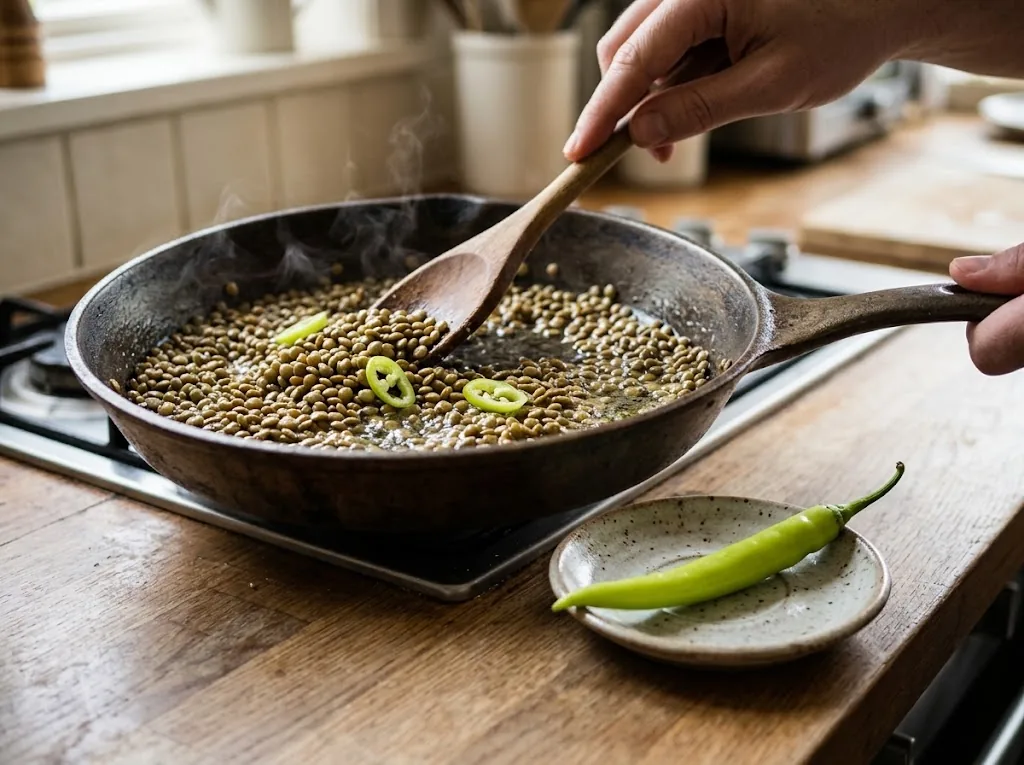
Use green pods in small amounts in curries, dals, stir-fries, or chutneys, adding them early if you want their pungency spread through a meal. For a milder result, remove the inner ribs and taste as you go. For a simple recipe, fry half a pod with the aromatics for a pot of lentils, then taste before adding more. If the dish tastes too spicy, dilute it with more lentils rather than adding extra pepper. Start with a little so its flavor stays balanced with the dish. Red-ripe pods can be chopped into a sauce or dried until brittle, then crumbled or ground into a spice powder. Keep fully dried fruit in a clean glass jar or bag at room temperature. For a chile with a very different home, a northern New Mexico landrace, see our profile of Chimayó peppers.
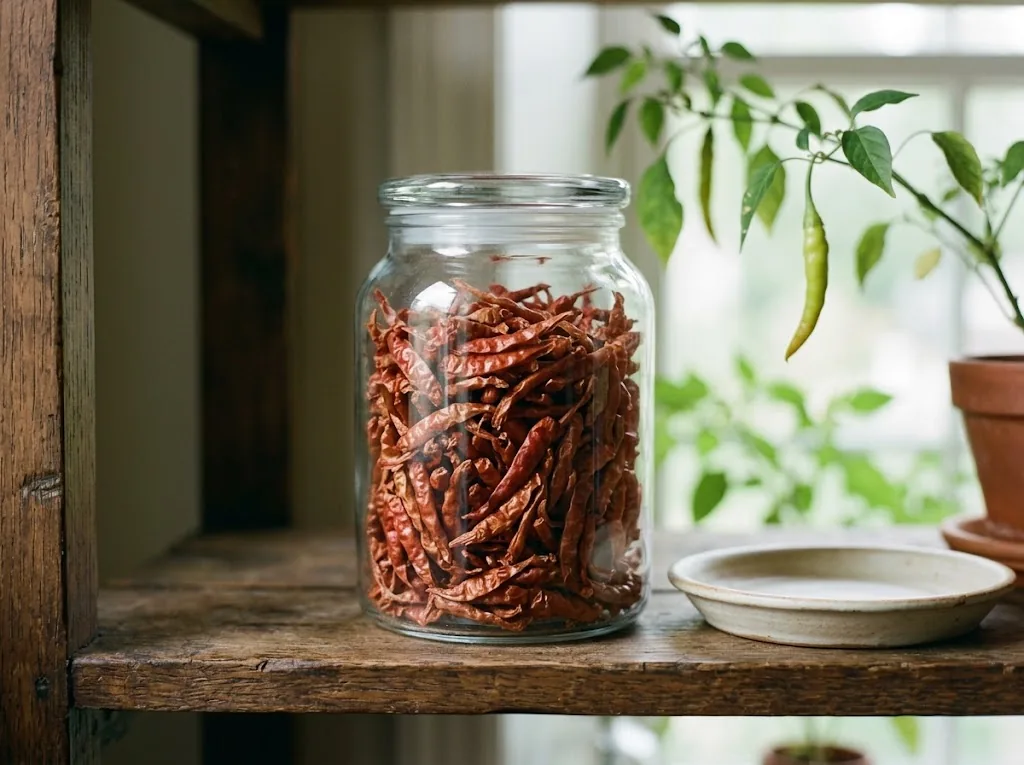
Refrigerate fresh peppers and use them within a couple of weeks for best quality. Utah State University Extension gives two to three weeks as a general refrigerator window for fresh chile peppers. You can also freeze whole peppers or cut pieces in a freezer-safe package. For longer storage, dehydrate ripe pods until brittle and store them in a glass jar or bag. For canning or pickling, use a tested preservation recipe rather than treating a homemade pepper-in-oil mixture or improvised pickle as shelf stable.
What makes this cultivar distinctive?
The cultivar combines a documented breeding history, a compact bushy habit in the official description, and pods that can be picked green or left to ripen. Its pungency suits gardeners who want a cooking pepper in a bed or roomy pot. Choose packets sold under its full name, expect some variation between lines, and begin with a modest amount in the pan until you know its bite.
