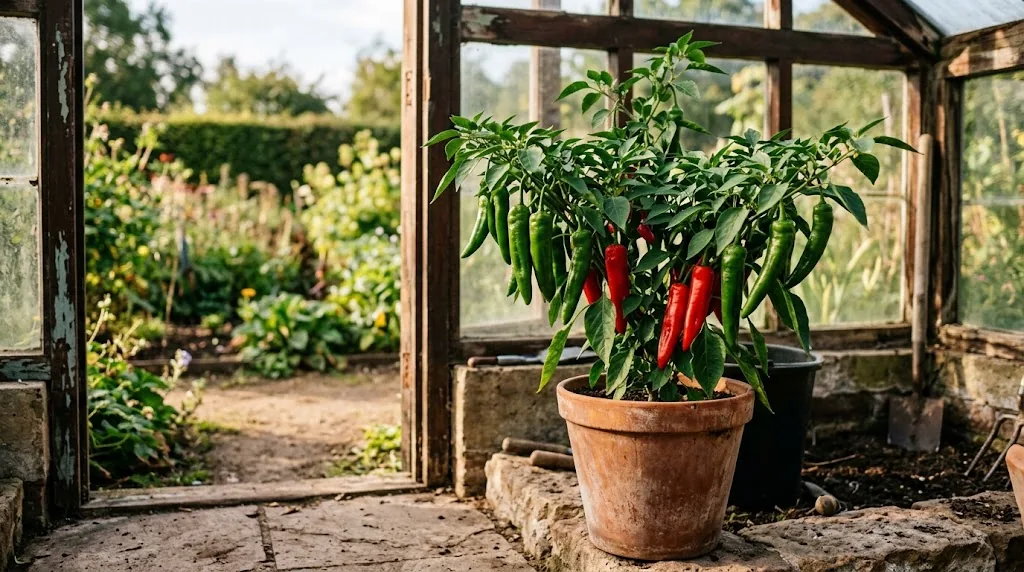
A Sandia pepper is a long, straight New Mexican chile that can be picked green or left on the plant to ripen fully red. It is a named cultivar, not a label for every pepper grown in the Sandia Mountains region. Here is how to recognize this variety, what its published heat figures mean, and how to grow and use the pods.
What is the Sandia variety?
This New Mexican pod-type cultivar was released by plant breeder Roy Harper in 1956 under the name Sandia A. The New Mexico Crop Improvement Association shortened the name in 1967. Its parentage includes New Mexico No. 9 and a California Anaheim-type cultivar. It matured earlier than New Mexico No. 9, according to the cultivar history.
Sandia is one member of the wider world of chili pepper varieties. Hatch is a place name for a growing region, while this name identifies a cultivar. A New Mexico Climate Center guide explains that the regional description is not a specific cultivar.
Sandia pod shape and color
The pods are about 6 inches long, medium-wide, straight, and slightly flattened. They are widest near the stem, with rounded shoulders that taper gradually toward the tip. The surface is subtly rough, without the deep folds found on some Anaheim types, and the walls are medium thick. Mature-green pods are green; fully mature pods turn red.
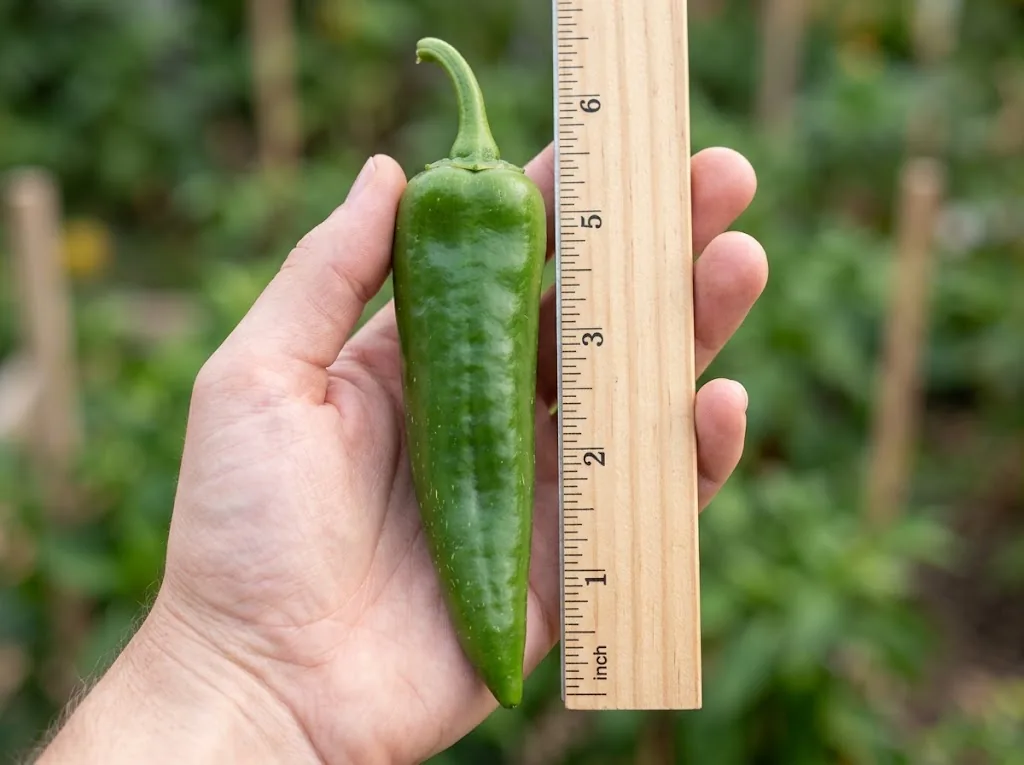
Do not mix up the original cultivar and the improved NuMex Sandia Select. The later selection was bred for thicker green walls and higher yields. Its description and heat measurement are distinct from those of the original. Plants grow upright and average 24 to 30 inches tall, according to the 2022 cultivar report from New Mexico State University.
How hot are Sandia peppers? Scoville readings
Published heat figures disagree. A 2022 table lists 6,500 Scoville Heat Units (SHU), while the same report’s detailed profile gives 1,500 to 2,000 SHU. An earlier cultivar report also lists 1,500 to 2,000 SHU. The publications do not explain why their figures differ, so treat them as measurements from different reports rather than a guaranteed range for each pepper. Read the cultivar’s heat level with that uncertainty in mind.
Heat can vary with genetics, weather, growing conditions, and fruit age. The report describes cultivar values as averages that may change by year and growing location. Capsaicinoids are produced in glands on the pale placenta inside the fruit. Seeds are not the source of heat, though they can pick up capsaicinoids through contact with the placenta.
For cooking, taste a small cooked piece before adding more. Removing the pale membrane and seeds can reduce the burn, but individual pods still vary. Wear gloves when handling hot fruit and wash your hands before touching your face or eyes.
How to grow Sandia peppers
This warm-season pepper needs a long stretch of frost-free weather. Start seeds indoors about eight weeks before your expected outdoor planting date. Minnesota Extension recommends warm seed-starting conditions, around 80 to 90°F, until seedlings emerge. Germination takes longer in cooler media, so follow your seed supplier’s directions and keep the mix evenly moist, not waterlogged.
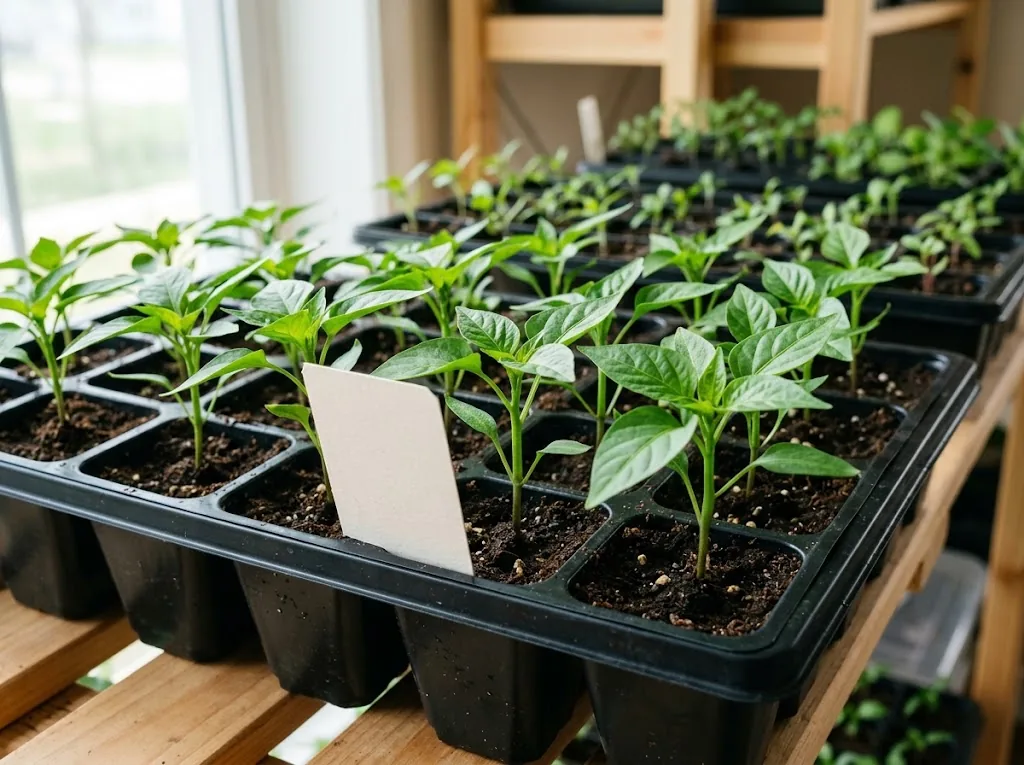
Harden seedlings off gradually, then transplant after the soil and nights have warmed. Choose a sunny site with well-drained soil. Set each transplant at the same soil depth it had in its pot. Space plants for good airflow and access, using local extension guidance for your climate. A container also works if it is large enough for the plant and has drainage holes.
Keep moisture steady as flowers and young fruit develop. Check the soil and water deeply when it begins to dry instead of relying on a fixed schedule. Avoid soggy roots. Too much nitrogen can encourage leafy growth at the expense of fruit, so use a soil test and follow the fertilizer label. For another variety profile, read about Prairie Fire peppers.
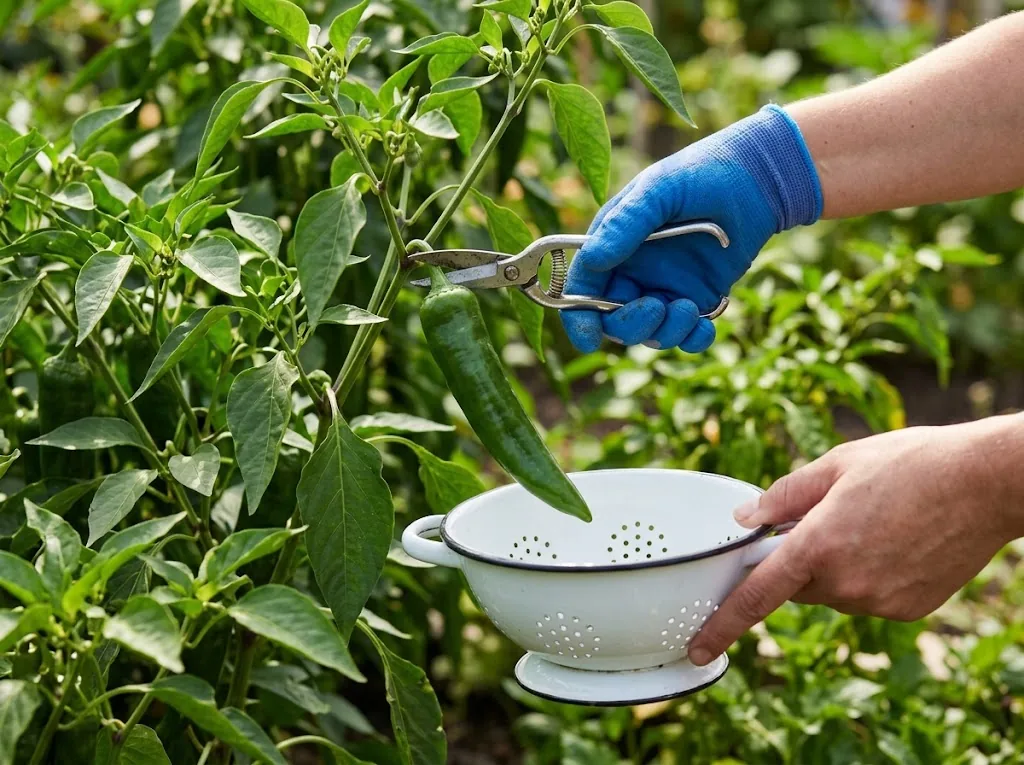
Pick mature-green pods when they are full-sized, firm, and crisp. Or leave some on the plant until fully red. Clip stems with clean snips instead of pulling branches. Regular harvesting can help a plant continue flowering and setting fruit.
Using green or red Sandia peppers in the kitchen
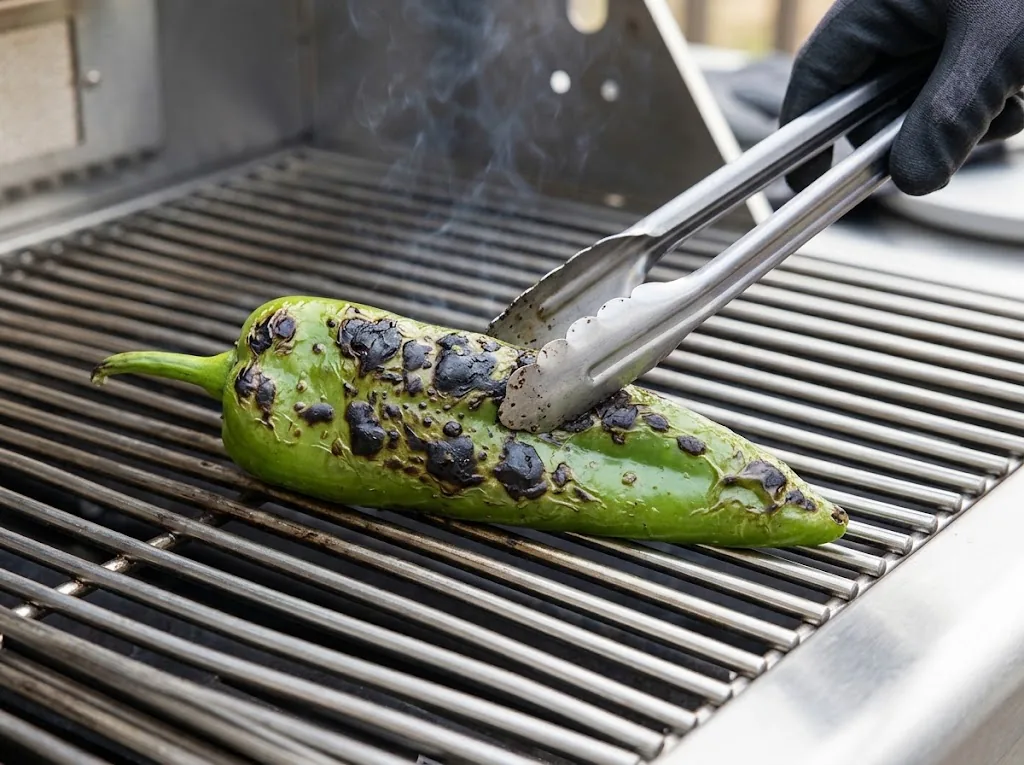
Medium-thick walls make the fruit suitable for roasting and peeling. Roast green pods until the skin blisters, then cover them briefly so the steam loosens the skin. Peel, remove the stem, and scrape out the seeds or pale membrane if you want less heat. Add the flesh to eggs, stews, casseroles, sauces, or stuffed chile rellenos. Roasted green chile can be frozen in meal-size portions for later cooking.
Ripe red pods can be dried to use later as seasoning. Choose sound, unblemished fruit, then string and hang it in a dry, well-ventilated place to make traditional ristras. Discard any with mold or soft spots. Once brittle, transfer the dried chile to a glass jar or plastic bag. It can be crumbled into flakes or ground as chile powder, then added to soups, beans, or marinades. For another variety profile, see Piquillo peppers.
Sandia pepper questions
Does a place name describe a cultivar?
No. A place name refers to where chile is grown, while this cultivar name identifies a particular pepper. The cultivar can be grown elsewhere.
Where can I buy Sandia pepper seeds?
Check the Chile Pepper Institute seed listings and reputable seed catalogs for the exact cultivar name. The university says seed for most of its released cultivars is available through the institute. Read the packet label carefully so you do not accidentally buy the later Sandia Select instead.
Can I pick it green?
Yes. Pick mature-green pods once they reach full size and feel firm. Leave other fruit on the plant longer if you want red chile.
Sources and further reading
- CR-706: The Chile Cultivars, 1913 to 2022
- Research Report 763: Chile cultivars and heat readings
- New Mexico chile crop guide
- University of Minnesota Extension: Growing peppers
- Utah State University Extension: How to Preserve Chiles
- New Mexico Climate Center: The Wonders of New Mexico Chile
