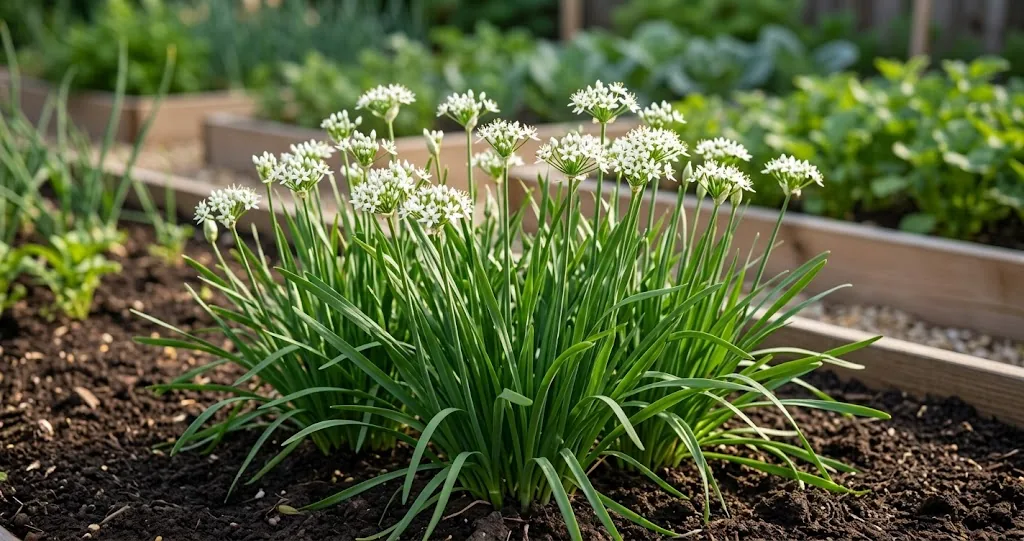
Garlic chives (Allium tuberosum), also called Chinese chives, are hardy perennial herbs that bring a delicate allium punch to home cooking. Unlike common onion chives with their hollow, round stems, each garlic chive plant features flat, solid strap leaves and fragrant white flowers. Knowing how to harvest garlic chives correctly keeps your clumps vigorous and productive throughout the growing season.
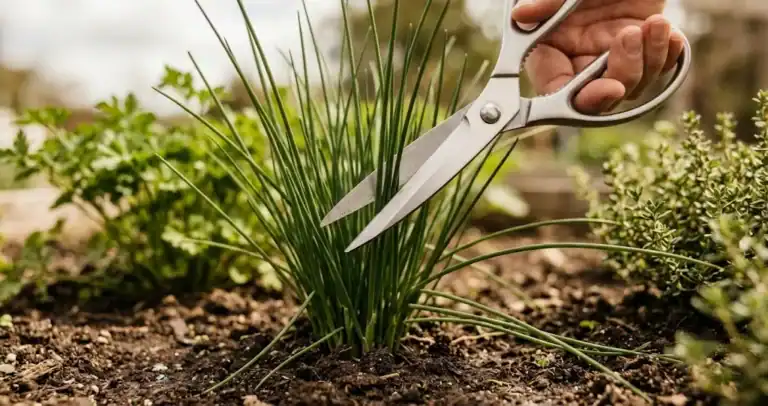
To harvest chives for continuous regrowth, gather a bundle of mature leaves and cut them straight across with clean shears about 1 to 2 inches above the soil line. Cutting cleanly above the basal crown protects the active growing center, prompting fresh foliage to grow back within two to three weeks.
When to Start Growing and Harvesting in Your Garden
Chinese chives establish readily in outdoor garden beds, raised borders, and patio planters. Knowing when your crop is ready to harvest ensures you gather peak flavor while preserving plant strength.
For established plants in their second year and beyond, begin cutting in early spring once leaves grow 8 to 12 inches taller than the surrounding soil. At this stage, the tender greens offer rich flavor and crisp texture. Regular trimming can continue every few weeks from spring until cool weather arrives in autumn.
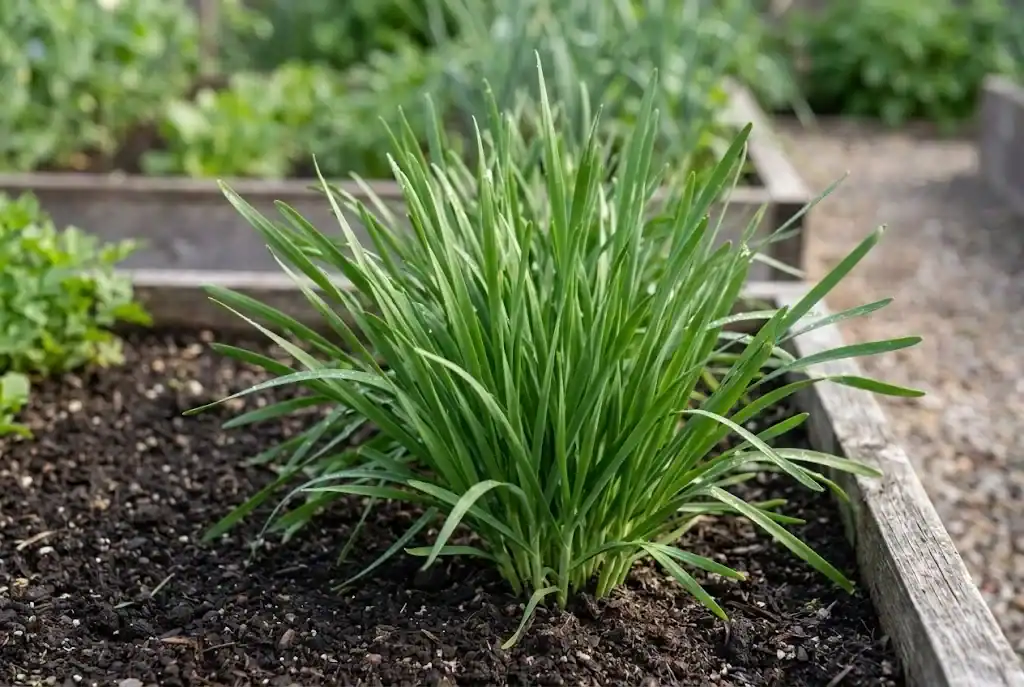
If you sow seed indoors or transplant a young seedling in spring, exercise patience during the first year. New plants need uninterrupted time to develop deep roots and a strong underground bulb beneath the soil. Keep the bed free of weed growth so young roots establish quickly. Wait until late summer to take light clippings from outer stems, avoiding heavy cuts until the second year.
Daily timing also makes a practical difference. Like the core rules outlined in our principles for harvesting fresh herbs, trimming your crop in the morning after dew dries preserves the crispest leaf texture.
Step-by-Step Technique: How to Cut Garlic Chive Leaves
Trimming these strap-leaf chive plants is simple, but clean technique and proper height are essential to encourage steady regrowth and prevent fungal issues.
Always use clean, sharp bypass pruners, floral snips, or kitchen scissors. Dull blades crush the tender tissue, creating ragged cuts that lose moisture and invite rot.
- Select healthy outer foliage: Inspect the clump and choose vigorous green leaves that stand at least 6 inches tall. Discard any yellowing or weathered tips.
- Gather the stems: Hold a small bunch firmly in one hand to keep the cut line level.
- Position shears above the crown: Place the blades 1 to 2 inches (2.5 to 5 cm) above the moist soil surface. Never slice down flush against the earth, as damaging the crown stunts new growth.
- Make a clean horizontal snip: Cut straight across the bundle in one swift motion.

You can choose between two clipping strategies based on your kitchen needs. For daily cooking, simply snip outer leaves from around the clump perimeter. If you need a larger quantity for dumplings or freezer storage, cut back the entire clump, which stimulates an even flush of new leaves.
Harvesting Edible Flowers and Tender Buds
One distinct advantage of growing chives in your garden is enjoying their edible flowers. In late summer, plants produce sturdy, upright stalks crowned with tight floral umbels that bloom into star-shaped white blossoms.
The flowers are white and both buds and flowers are edible, offering a mild sweetness alongside their savory aroma. Unopened green buds on tender stalks, known as flowering chive batons, are prized in Asian stir-fries for their crisp, juicy bite.

To gather flower stalks, snip each stalk near the base of the plant while the bud remains tight and tender. If flowers are open, clip the white blooms and toss them fresh over garden salads, soft cheeses, or cold noodle bowls. Removing spent blooms before a seed head forms prevents seeds falling and spreading chive seeds across open soil where they might overgrow nearby beds.
Post-Cutting Care: Propagate and Protect Clumps
When caring for these culinary herbs throughout the growing season, simple post-cutting steps fuel rapid recovery and long-term vitality.
Water the cut clump thoroughly around the root zone, keeping the soil moist but never waterlogged. Top-dressing the bed with well-rotted compost or balanced organic fertilizer replenishes nutrients needed for quick leaf regeneration.
Because chives are perennial, hardy, and easy to grow, an established clump will thrive in full sun for many years. Natural sulfur compounds in the foliage help deter common pest insects like aphids. Every three to four years, dig up and propagate dense clumps by dividing root clusters in early spring.

For detailed advice on clump division, overwintering, and routine care, explore our practical guide on maintaining healthy garlic chives.
How to Clean and Store Fresh Chive Greens
Proper handling after cutting ensures your fresh greens stay crisp and flavorful without spoiling prematurely.
Gently rinse cut foliage under cool water to remove loose soil, then dry the leaves completely using clean kitchen towels or a salad spinner. Trapped surface moisture causes rapid decay in cold storage.
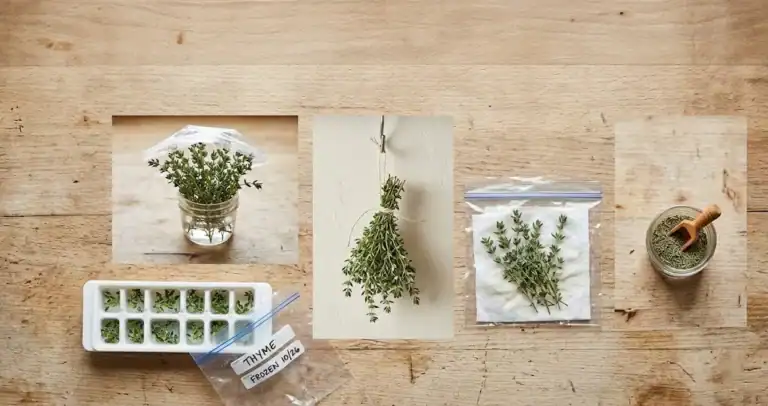
For short-term refrigerator storage, wrap dry leaves loosely in a slightly damp paper towel and store them inside an airtight container or perforated paper bag in the crisper drawer. Fresh leaves will keep well for 5 to 7 days.
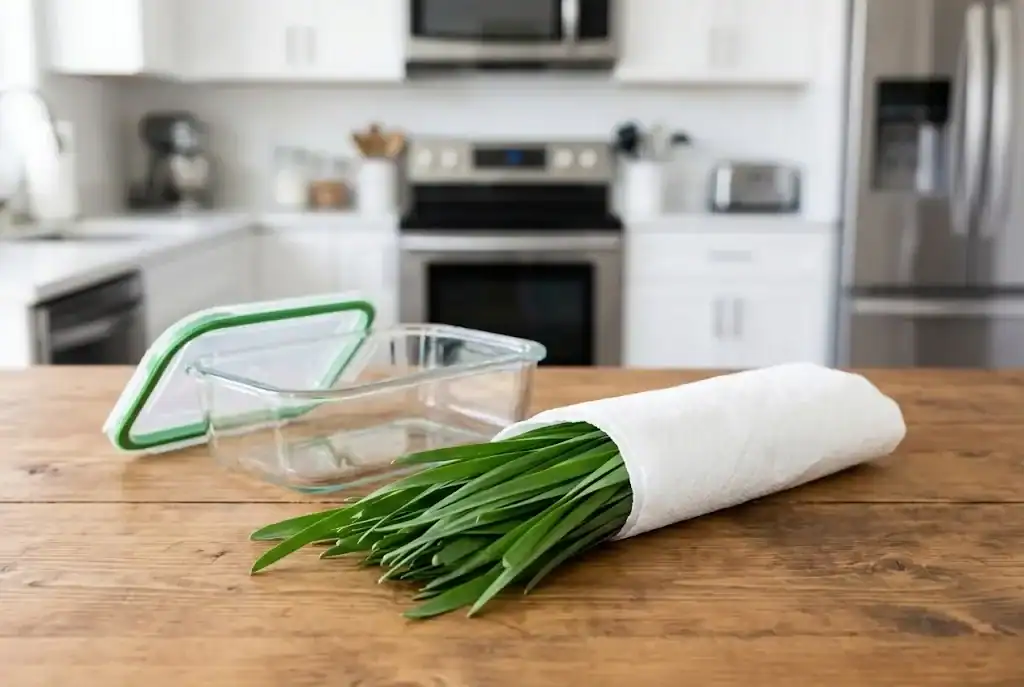
While the greens are best used fresh, freezing preserves the natural flavor far better than drying:
- Flash-freezing chopped ribbons: Slice dry leaves into quarter-inch segments, spread them on a baking sheet, and freeze until solid before transferring into freezer bags.
- Herb oil cubes: Pack chopped greens into ice cube trays, cover with olive oil, and freeze for drop-in seasoning in soups and sautés.
Culinary Uses and Flavor Profile
Freshly cut Chinese chives offer a refined, mild savory flavor that complements food without the sharpness of raw leek, spring onions, or bulb cloves. Every home cook and gardener can easily find great ways to use chives in everyday meals.
Fold chopped leaves into scrambled eggs, savory pancakes, and potato dishes during the last few minutes of cooking. They are a classic filling for potstickers and dumplings, where brief heat softens the greens while releasing rich savory aroma.

To find tested recipes and new meal inspiration for your seasonal trimmings, explore creative ways to cook with garlic chives across everyday home cooking.
Frequently Asked Questions About Chinese Chives
Do plants grow back quickly after cutting?
Yes, these vigorous plants regenerate quickly after trimming. When cut 1 to 2 inches above the soil line, established clumps produce tender new foliage within two to three weeks during warm weather before foliage begins to die back in late autumn.
Can you gather leaves in the first year?
First-year plants grown from seed need time to establish strong root networks and small bulbs. Take only light clippings from outer stems in late summer, reserving full cuts for the second growing season.
Are all parts of the plant edible?
Yes, the flat green leaves, tender flowering stalks, tight buds, and white blossoms are all edible and flavorful.
How often can you trim established clumps?
Established clumps can be trimmed every 3 to 4 weeks from mid spring through early autumn, providing a reliable kitchen supply throughout the growing season.