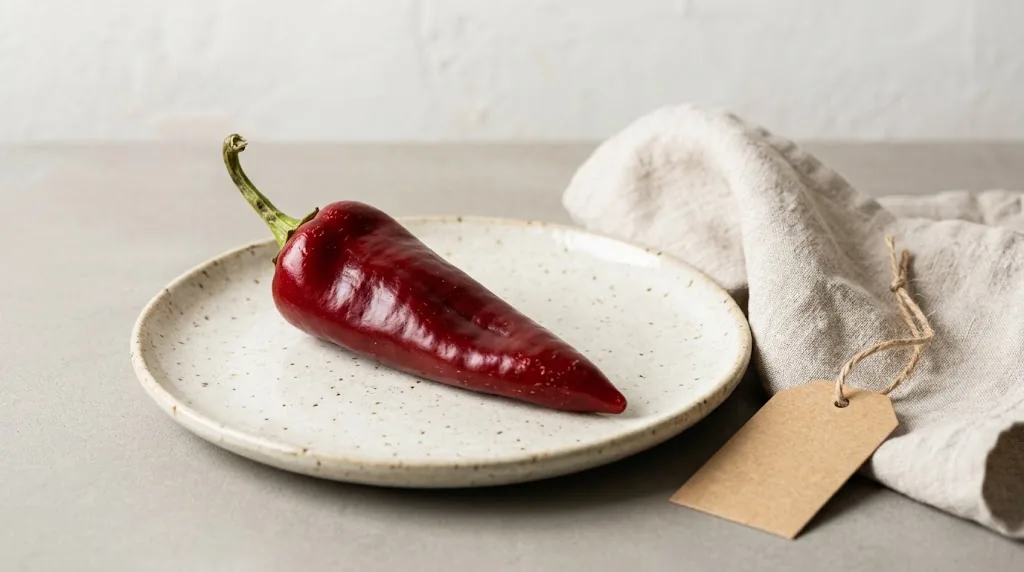
Aleppo pepper adds fruity flavor and moderate warmth to food. The coarse red flakes are associated with Syria and Turkey and take their name from the Syrian city of Aleppo. Sprinkle a little over eggs, vegetables, or grilled meat, then taste before adding more: different jars can vary in pungency.
What Aleppo pepper flakes are
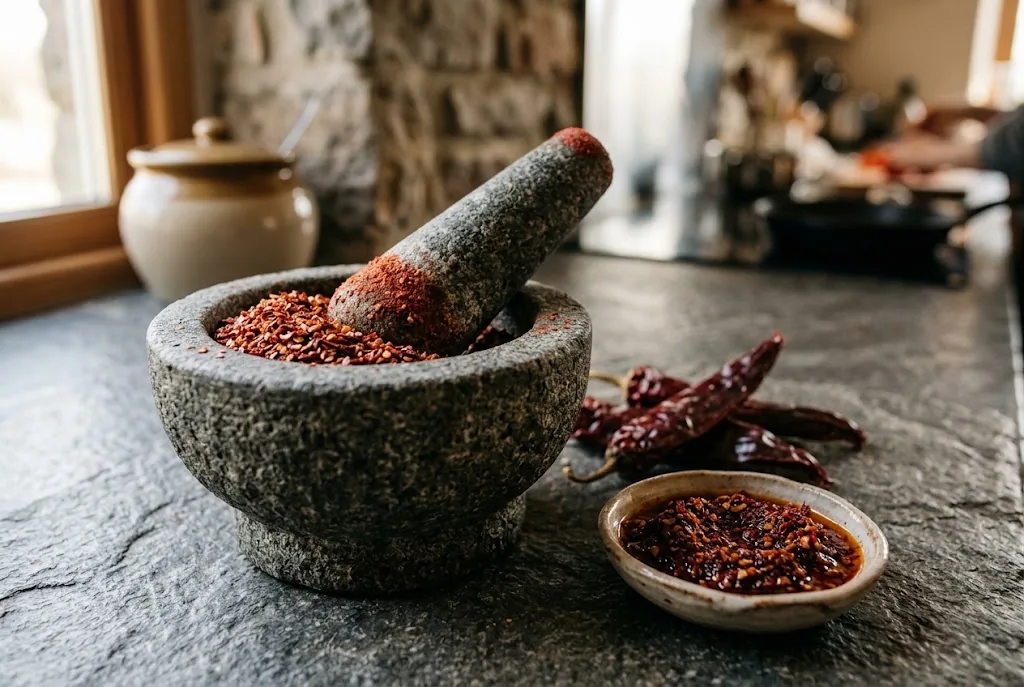
Aleppo pepper is a coarsely ground chili flake, also known as Halaby pepper. Commercial products vary in texture and seasoning; some contain salt or oil. Read the ingredients rather than assuming every jar is pure dried pepper.
Pul biber is a broader Turkish term for crushed pepper flakes, so it does not by itself guarantee the same variety or flavor. When substituting, compare the product description and taste a small amount first.
How the drying makes the flavor
Commercial flakes can have a soft texture and may include added oil. That texture is useful in the kitchen, but it is not a drying endpoint you can safely reproduce by leaving homegrown pods partly moist.
Coarse flakes remain visible on food and give a different texture from fine chili powder. Commercial preparation and ingredient lists vary. Check whether salt is included before seasoning a finished dish. Mild chile flakes suit a light sprinkle, while a stronger batch needs a smaller portion.
Botany and pod characteristics
The plant is Capsicum annuum, as identified by Baker Creek for its Aleppo selection. Seed catalogs may label it Aleppo chili pepper. A regional culinary name can cover seed lots with differences in growth and fruit, so consult the supplier rather than expecting a universal pod length.
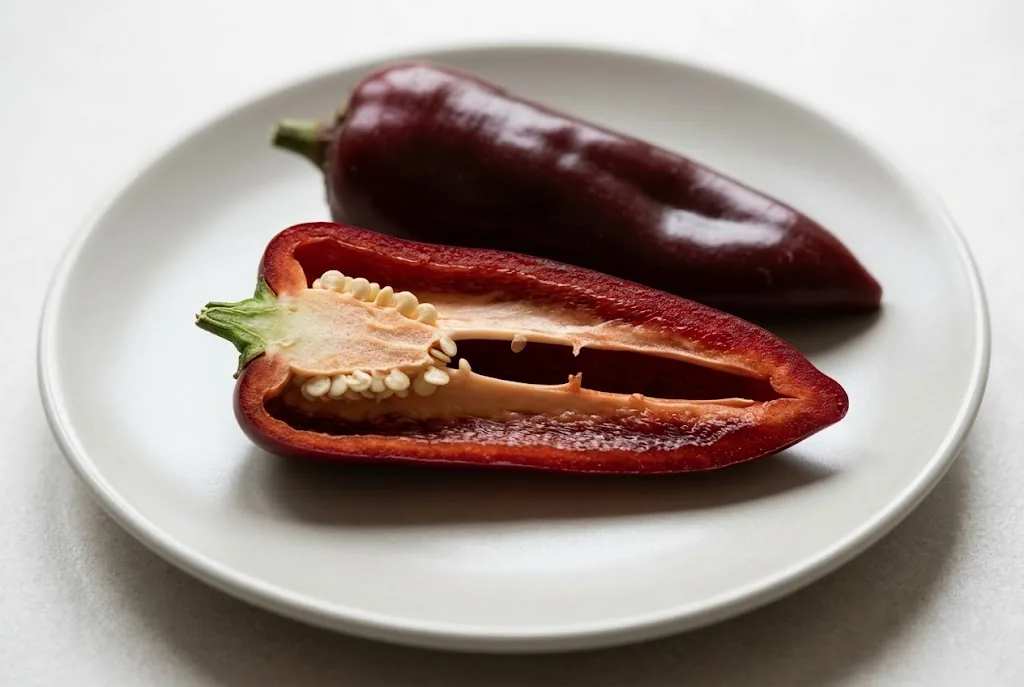
Harvest sound, fully red pods for drying. The finished color and texture depend on the selection and processing. Aleppo flakes and Urfa biber are distinct products; the types of chili peppers guide helps compare them.
Heat and flavor profile
Heat figures vary by source and product. Baker Creek lists its Aleppo chile seed selection at 10,000 to 30,000 Scoville heat units, rather than a universal single 10,000 figure. A jar of seasoned flakes may taste different from the fresh harvest; start with a pinch and adjust.
The dominant flavors are fruity and slightly sweet, with tangy dried-fruit notes, a touch of dried-tomato and cumin-like earthiness, and a clean salt-friendly finish that adds complex flavor to simple food. Heat does build across a meal if you keep adding flakes, so a small amount goes a long way. Aleppo is the right choice when you want a chili that adds flavor first and warmth second.
How to grow Aleppo pepper at home
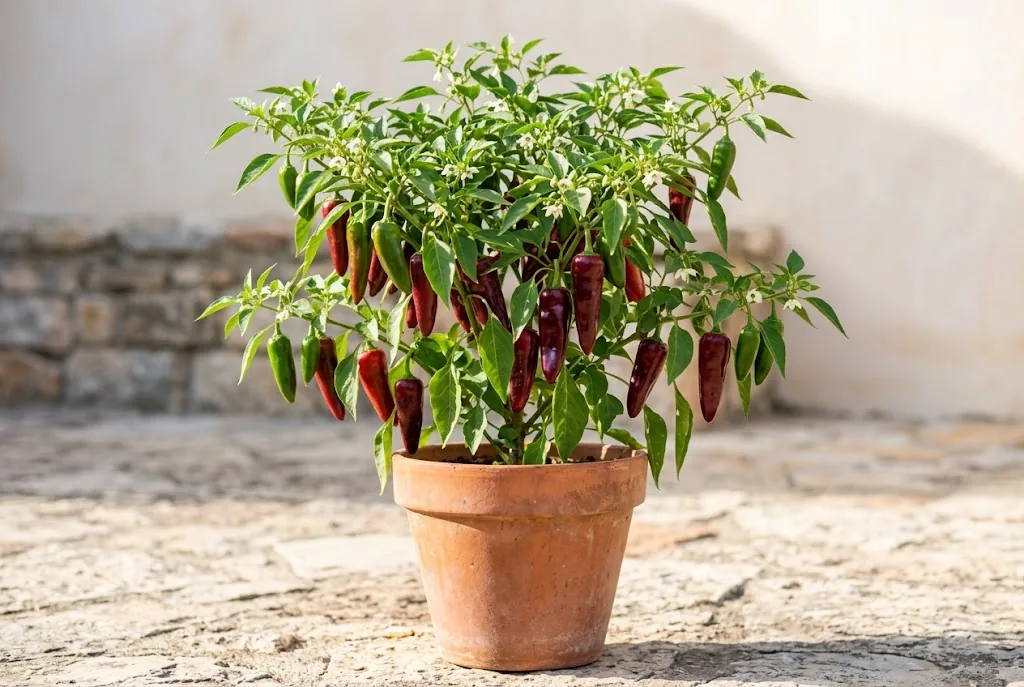
For its selection, Baker Creek recommends starting indoors 8 to 12 weeks before the last frost, with a germination temperature of 80 to 85 degrees F and an expected sprouting period of 10 to 14 days. Keep the mix moist and harden seedlings off before transplanting after frost danger has passed.
The supplier describes plants around 4 feet tall and an 80-day maturity estimate. Give them full sun, drainage, and even moisture, with support if branches bend under fruit. Follow the packet spacing and allow more time in a cool season instead of treating that estimate as a fixed harvest date.
Storing and drying at home
For home drying, use a controlled dehydrator method and dry pods completely. University of Minnesota Extension describes dried vegetables as brittle. Do not stop at a leathery, flexible stage and then store the batch in a cupboard; commercial semi-dried products do not validate that home method.
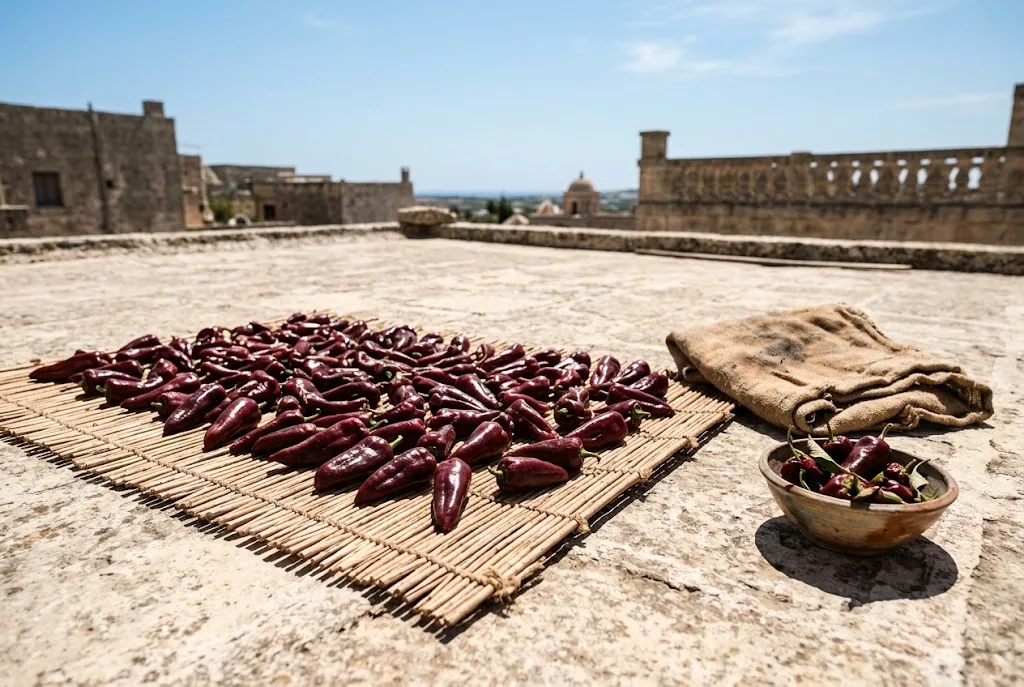
Cool fully dried pods before grinding into flakes and sealing in a clean airtight container. Keep them away from light and heat, in a dry spot. Freeze fresh pods if controlled drying is impractical. Our drying guide compares methods; follow a preservation source and the dehydrator instructions for the actual batch.
Aleppo pepper recipes and serving ideas
Use Aleppo pepper as a finishing spice. Adding it near serving keeps the flakes visible and gives you more control over the final seasoning. Sprinkle it on food just before serving, or stir it into a dish in the last minute of cooking. The classic move is a pinch over sliced tomatoes, cucumbers, and onions with salt and olive oil and a squeeze of lemon juice. It also fits labneh, hummus, and a quick red pepper dip, where the fruit notes balance the dairy. A pinch of pepper on eggs, scrambled or fried, is a quick introduction to the spice.
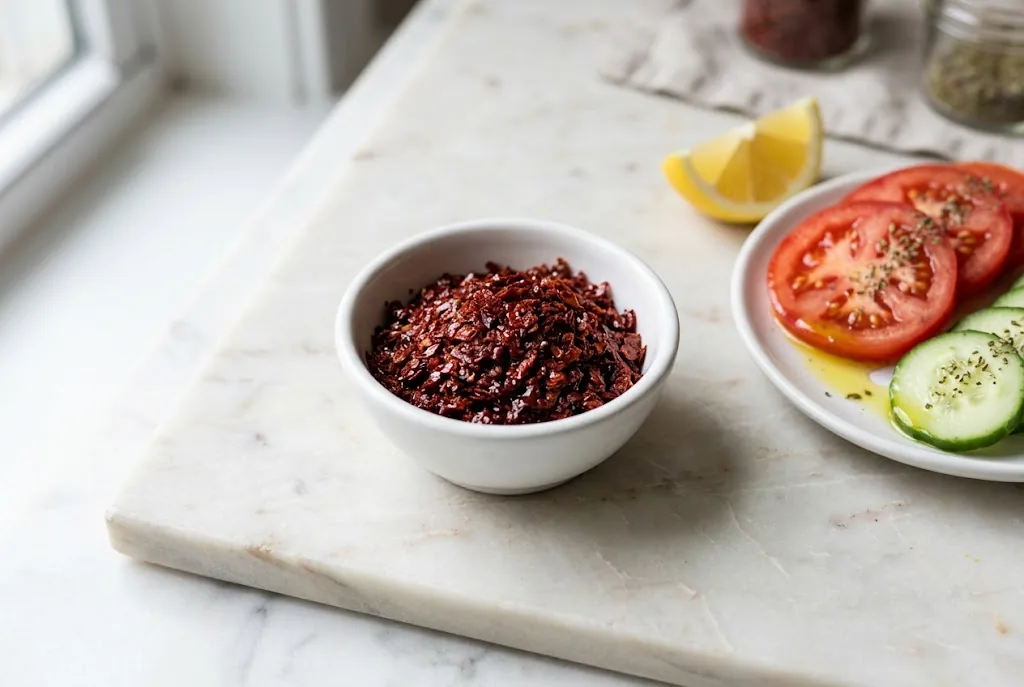
In Middle Eastern and Mediterranean cuisine, Aleppo pepper works on grilled lamb and chicken kebabs, in rice pilafs, in a tray of roasted vegetables and grilled vegetables, in a marinade for grilled meats, and as a table condiment beside olives and white cheese. Try it on pizza when you want an alternative to crushed red chile pepper flakes. Anywhere you want a moderate warmth with real fruit flavor, Aleppo does the job. For a fuller look at how it compares with sharper ground chiles and chile blends, our chili pepper substitutes guide walks through the swap table.
Stir a pinch into softened butter for grilled bread or potatoes. Make only what you need for the meal, or refrigerate promptly and use within a few days. The flakes also work directly on a roast or mixed into pan juices.
How to buy Aleppo pepper and choose substitutes
For a quick substitute, use mostly sweet paprika with a small pinch of cayenne pepper, tasting as you go. The Spice House recommends that approach. Urfa biber brings a darker flavor; plain crushed red pepper may bring more heat, so neither is an exact one-for-one match.
Buy Aleppo-style pepper in a small jar from a spice shop with clear ingredients and storage instructions. A product sold as sun-dried should still carry its own storage guidance. Look for a fresh aroma and keep the container away from heat and moisture. Taste before seasoning a whole dish, particularly when changing brands.
Is the heat mild?
A label describing a mild heat level is relative to the producer and product. Try a little on food before seasoning the whole dish. Chile flakes and a fine grind give different textures; neither texture proves the amount of pungency.
