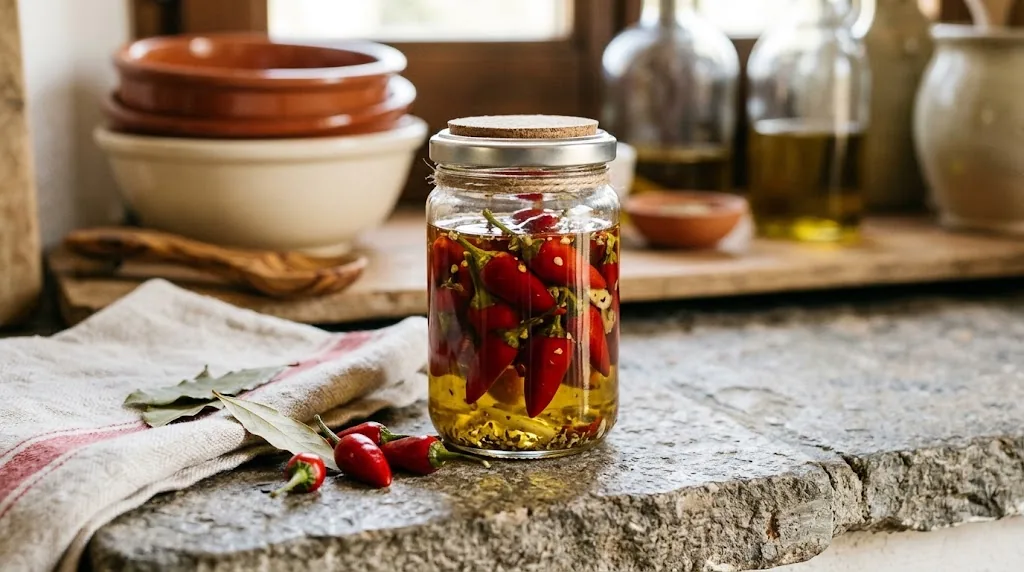
Calabrian chili peppers take their regional name from Calabria in southern Italy. The name covers several local pepper types rather than one uniform cultivar. Fresh, dried, and commercially preserved pods bring heat to pasta, vegetables, and seafood. Choose the form your dish needs and check the preserved product ingredients, since oil, salt, and acid affect the finished flavor.
This hot pepper category belongs to Capsicum annuum, like bell peppers and many other cooking chilies. Their heat depends on the selection and product, so a regional name alone cannot give you a reliable heat number. For a wider comparison, see our types of chili peppers guide.
Where Calabrian peppers come from
The regional label is useful in the kitchen, but it is not a precise growing specification. Seed sellers may offer different local selections, while jars may contain whole or chopped pods packed in oil with other seasonings. Read the seed packet or food label to understand what you are buying.
For cooking with Calabrian chilies, choose dried pods when you want to crush or blend them, fresh pods when you want a crisp bite, and a commercial preserved product for a ready-to-use topping. Follow that product’s storage label after opening.
What Calabrian pepper plants and pods look like
Calabrian pod size, shape, and growth habit vary among local selections. One named example is Diavolicchio Calabrese: SAIS lists that selection with fruits in clusters. Do not assume every pepper sold under the regional label has identical upright clusters or a fixed 4-to-6-centimeter length.
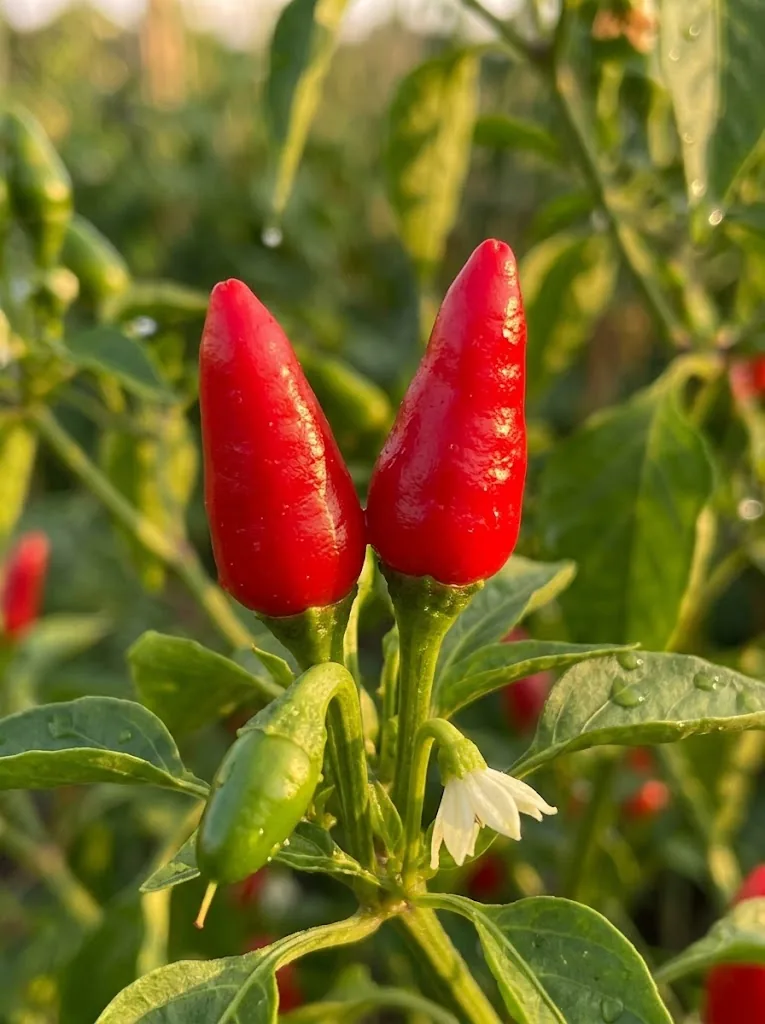
For harvest, use the ripe color specified by your seed supplier rather than expecting every selection to pass through yellow. Pick sound pods with intact skin. Commercial jars tell you little about the plant’s original height or growth habit.
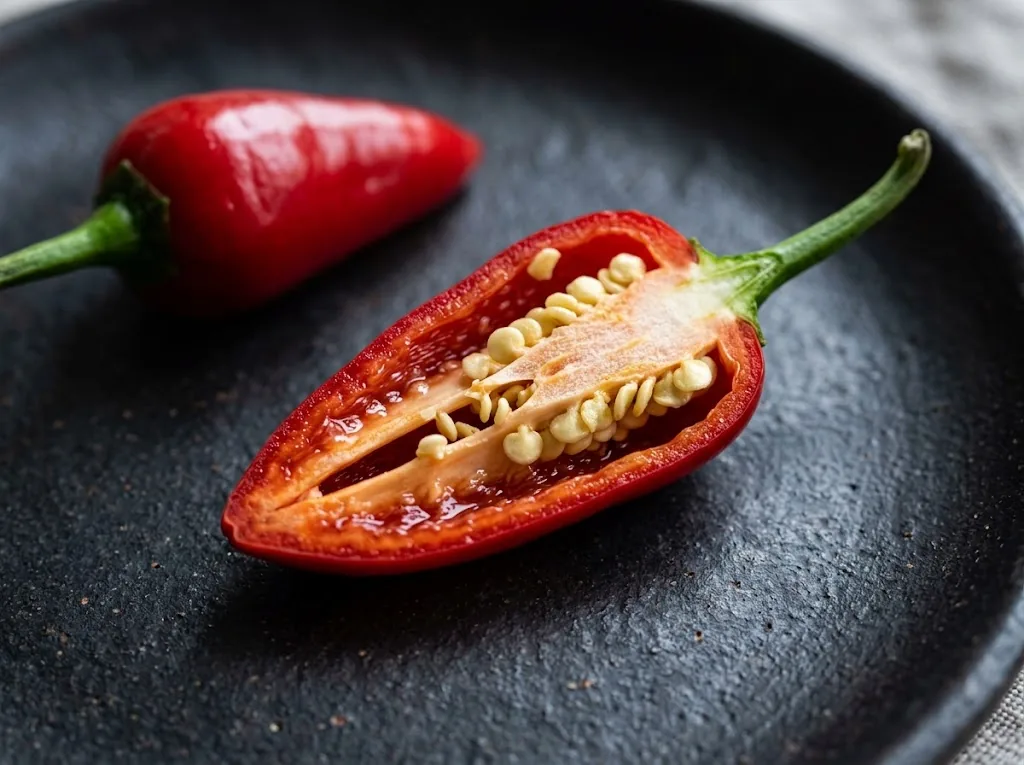
Calabrese and Diavolicchio are names you may encounter in seed catalogs. Check the exact selection rather than treating those descriptions as interchangeable. The culinary category is broader than a single packet of seeds.
Are Calabrian chilies spicy?
Heat varies among selections and commercial products. A quoted Scoville range for one seed lot should not be assigned to every regional pepper. Taste a small amount of the actual product or cooked pod and add gradually; cayenne and other substitutes can differ markedly.
Tutto Calabria describes its whole Calabrian product as fruity with a subtle smoky flavor. That is a useful description of its preserved product, rather than proof every raw pod tastes smoked. Fresh pods give a different impression from dried flakes or oil-packed pieces. Salt, vinegar, and other jar ingredients can contribute tang and seasoning, so do not attribute those flavors to the raw fruit. Use the ingredient list when choosing a product for a dish.
For a Calabrian pepper substitute, match the form as well as the heat. Use another fresh red pepper for a fresh topping, crushed dried flakes for a dry seasoning, or a labeled commercial Italian chile pepper for a jarred ingredient. Taste first and adjust quantity.
Fresno peppers can provide a fresh red alternative, but they are not guaranteed to match the heat. Choose them for texture and color, then adjust the amount. A fresh pod also lacks the oil and salt of a preserved product.
How to grow Calabrian peppers
Grow them as tender warm-season peppers. Use the schedule for the exact seed selection and your local frost dates. Regional origin does not make a plant drought-proof or suited to every garden in a hardiness zone.
Starting seeds
University of Maryland Extension recommends starting peppers indoors 8 to 10 weeks before transplanting. Follow the packet for sowing depth and germination conditions. Keep the mix warm and evenly moist, and harden the seedlings off before outdoor planting.
Transplanting and care
Transplant after frost danger has passed and the soil has warmed; Maryland recommends a soil temperature around 65 degrees F. Give plants at least six hours of sun, good drainage, and the spacing listed for your selection. Base feeding on soil needs instead of automatically switching fertilizer at flowering.
Keep moisture consistent and use mulch where suitable to reduce rapid drying. Support branches if the crop pulls them down. Inspect leaves and fruit regularly rather than waiting until damage is extensive.
Days to harvest
Use the supplier’s maturity estimate as a guide, not a fixed regional rule. Cool weather can delay ripening. Our article on growing peppers explains the general stages; record how your particular selection performs.
Harvesting and handling
Snip sound ripe pods from the plant rather than pulling on branches. Wear gloves while trimming and chopping chilies and keep contaminated hands away from your face. Poison Control explains capsaicin precautions and first aid.
Harvest damaged pods promptly and discard moldy fruit. Do not rely on a promised extra week of storage on the plant; condition and weather matter.
Storing, drying, and preserving
Refrigerate fresh pods and use them while firm and sound. Inspect for soft spots or mold before cooking. Freeze portions if you cannot use the harvest promptly.
For home drying, use a controlled method and a fully dry endpoint. University of Minnesota Extension specifies brittle dried vegetables. Humid room air is unreliable for pantry preservation. Cool fully dried pods before sealing them airtight, away from heat and light.
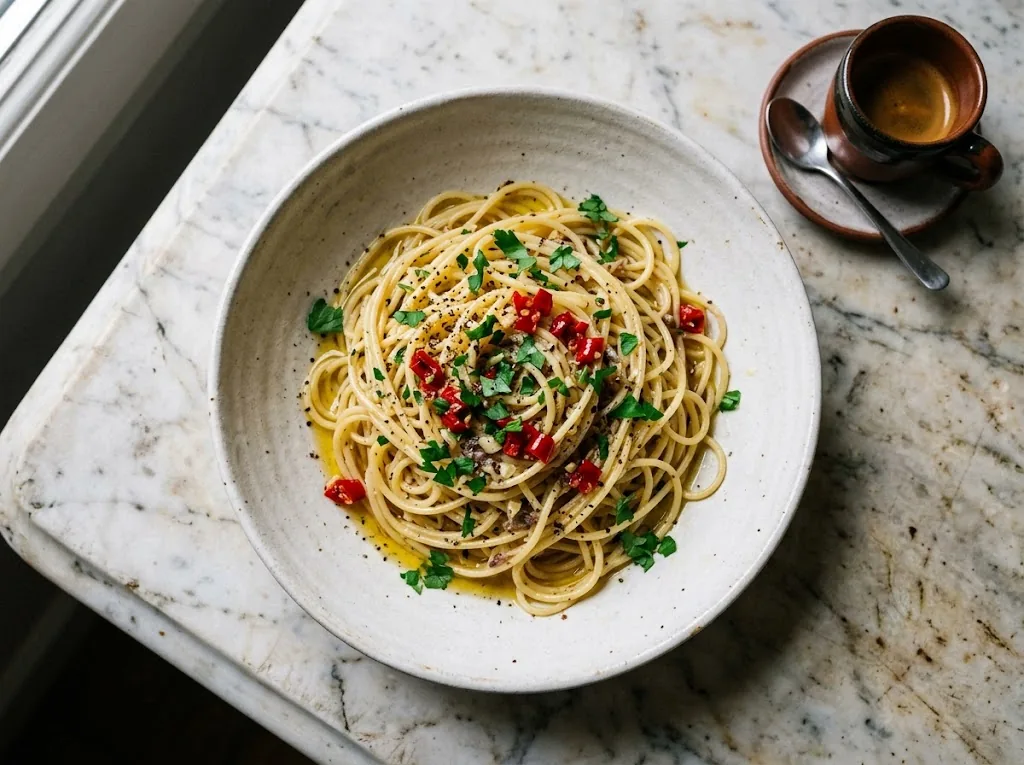
Homemade pods in oil are not a shelf-stable preserve. Oregon State Extension recommends refrigeration and use within four days, or freezing. A little vinegar is not a validated acidification method. Commercial products use different processing; follow their labels. Freeze fresh pods separately when you want a simpler long-term option.
Calabrian recipe ideas for Italian cooking
Use Calabrian preserved peppers sparingly on pizza, stir chopped pods into tomato sauce, or add a little to pasta with garlic and olive oil. Taste before adding salt because preserved versions may already contain it. Add gradually so the pepper complements the dish.
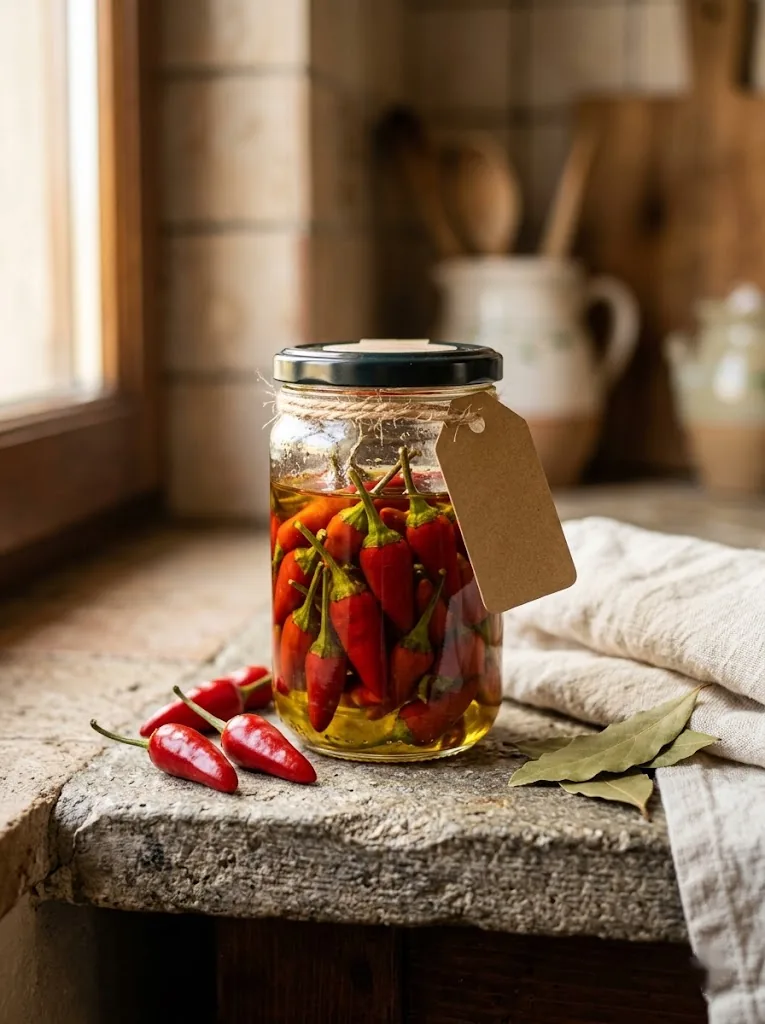
Scatter a few chopped pieces over a tomato and cucumber salad or add them to a mozzarella sandwich. Stir a small amount into mayonnaise for a spread. Dried pods can instead be softened in water and blended for a cooked puree.
For homemade hot sauce, follow a complete recipe rather than treating any mixture of fresh pods, garlic, and vinegar as safe for months. Refrigerate promptly and freeze portions for longer keeping. Our guide to making it introduces the methods, but a preservation claim needs a validated process.
Crush dried pods into a rub with oregano, fennel seed, and salt for vegetables or meat. For grilling, choose pieces that stay securely on the skewer. Match quantity to the actual batch’s intensity, not a regional heat assumption.
For a quick pasta, soften garlic gently in olive oil, add chopped pepper to taste, and toss with cooked noodles and a little cooking water. A commercial preserved version can also be stirred in at serving. Keep remaining jars refrigerated as their labels direct.
Handling the heat
Use these as a cooking ingredient rather than a treatment or supplement. If the dish is too intense, serve a smaller portion of the pepper mixture or dilute it with more of the other ingredients. Concentrated supplements are a separate product from a spoonful in food.
Frequently asked questions
How hot are they compared to a jalapeno?
There is no dependable regional multiplier. The selection, growing conditions, and preserved product all affect the comparison. Taste cautiously instead of assuming every batch is three to five times hotter.
Can they grow in containers?
Use a container with drainage and enough root space. Maryland recommends at least a 5-gallon container for a pepper plant. Container soil can dry faster than a bed, so check it regularly and follow the potting mix’s feeding guidance.
What is a substitute for Calabrian peppers?
Choose a replacement by form: a fresh red pepper for crunch, dried flakes for a rub, or a commercially preserved Italian pepper for a jarred topping. Adjust quantity after tasting; Fresno is not an automatic heat match.
Are they the same as cherry peppers?
Not necessarily. Cherry describes a round fruit shape, while the regional label can cover different selections. Read the product or seed description instead of identifying it from the name alone.
How long do preserved ones in oil last?
For a homemade unvalidated batch, refrigerate and use within four days or freeze. For commercial jars, follow the manufacturer’s label after opening. Covering pods with oil does not make them safe for cupboard storage.
What Italian dishes use them most?
Try a small amount in pasta, seafood stew, beans, or a vegetable topping. Use the jar’s ingredients and the dish’s seasoning to guide the quantity rather than treating every preserved pepper as the same product.
Where can I buy Calabrian chili peppers?
Look for jars of whole or chopped pods in olive oil in the international aisle of a well-stocked grocery store, or shop online from Italian importers. Dried whole pods and chili flake also turn up in specialty spice shops and on the shelves of larger online retailers.
What does the Italian label mean?
Peperoncino means a chili pepper; a regional or selection name adds detail. Look for the exact seed selection when growing, and the ingredient list when buying preserved food. Different shapes and processing methods fit different cooking jobs.
Fresh pods, flakes, or preserved pieces?
For a marinade, crushed dried pepper mixes with oregano and garlic in a rub, while a preserved product contributes oil and salt. Use a small amount in soups or a stew, then taste. A spoonful stirred into hummus adds a spicy kick; chopped parsley can balance the topping. A small quantity of cayenne pepper can adjust pungency, but it will not reproduce the tangy flavor or saltiness of a preserved product.
What does a heat number mean?
Scoville heat units, often shortened to SHU, describe pungency. They do not describe acidity or aroma, and a product without a published range cannot be assigned one from its regional name. Choose by a supplier specification and the actual taste rather than a claim that every pod is a fixed number of times hotter.
