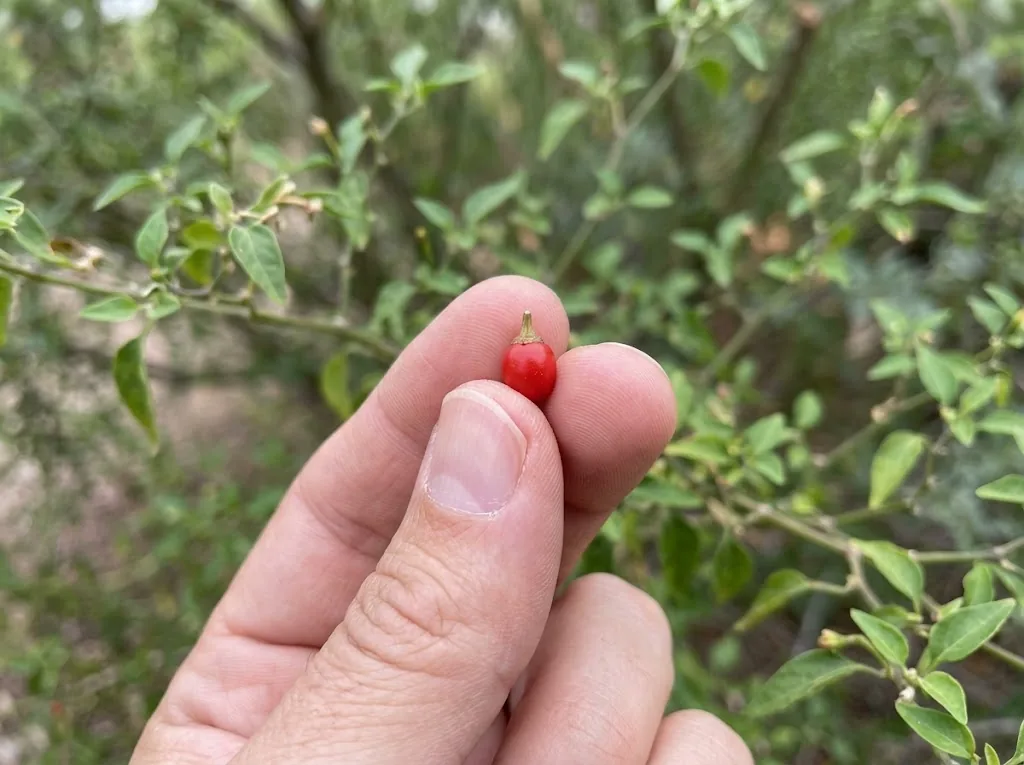
At about 6 to 8 millimeters, a ripe chiltepin pepper is barely larger than a pea yet can bring startling heat to a whole pot of beans. Botanically, chiltepin belongs to Capsicum annuum var. glabriusculum and is native to the Sonoran region, where it remains part of the food and harvest traditions of northern Mexico and the southwestern United States. Here is what makes chiltepin peppers distinctive, how to grow them, and how to use them without letting their size fool you.
Where chiltepin peppers come from
Chiltepin grows wild across parts of southern Arizona, Texas, Mexico, and Central America, with the Sonoran Desert region especially associated with the pepper. Chiltepins grow wild in the borderlands, often taking shelter beneath larger shrubs and trees such as mesquite, ironwood, and hackberry. Those nurse plants provide shade and a more protected microclimate, while birds eat ripe fruits and help scatter seeds.
People have gathered and used wild chilies in the Americas for thousands of years. The University of Arizona’s guide to wild chilies describes chiltepin as a wild relative and ancestor of domesticated Capsicum annuum peppers. Native Seeds/SEARCH also documents the importance of wild chiltepin to Sonoran foodways and seasonal harvests. In parts of northern Mexico, families have traditionally gathered the ripe fruit in autumn. The timing and size of a wild harvest can vary with local weather, so the tradition is tied to place as much as to a calendar. The U.S. Forest Service’s Coronado National Forest plan identifies the Wild Chile Botanical Area in Rock Corral Canyon for research and protection of native pepper habitat.
The Nahuatl-derived name is often explained as “flea chile,” a reference to the fruit’s tiny size and sharp bite. The botanical reference Capsicum: The Genus Capsicum traces the word to Nahuatl elements meaning chile and flea. Regional names vary, and sources do not always use the same botanical rank for chiltepin. Botanists generally place it within the species Capsicum annuum, but local seed accessions may carry names such as Sonoran, Pima Bajo, or Texas. Chiltepin is a wild, regionally diverse pepper group rather than one uniform commercial cultivar. For a wider overview of how varieties fit together, see our guide to types of chili peppers.
What chiltepin peppers look like
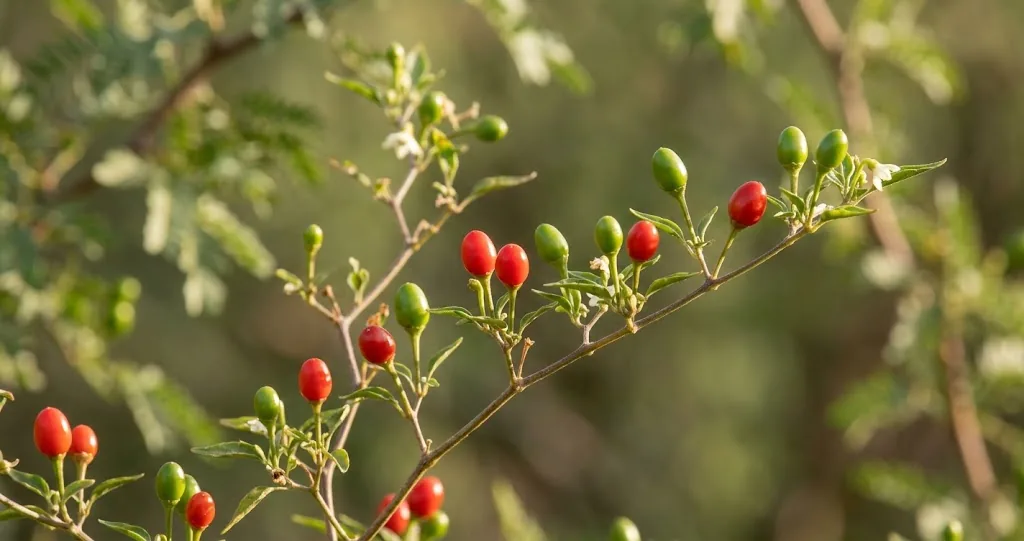
The plant is a branching shrub with small leaves and white flowers. Its fruits are round to slightly oval, usually about 6 to 8 millimeters across. They begin green and turn bright red as they ripen. Unlike the larger, elongated jalapeño, a chiltepin pod is almost bead-like and often stands upright on the plant. That size and shape are useful clues when distinguishing chiltepin from similar wild peppers.
How hot are chiltepin peppers?
Chiltepin is commonly reported at about 50,000 to 100,000 Scoville heat units (SHU). That is a reference range, not a guarantee for every fruit: growing conditions, fruit maturity, and the particular seed source can affect perceived heat. Even at the low end, a whole chiltepin is a potent seasoning for its size. Chiltepin is much hotter than a typical jalapeño. A habanero is usually hotter still, while Thai bird’s eye chilies are often listed in a similar broad heat range. Read our separate guide to Thai chili peppers for their different shape, flavor, and culinary uses.
The heat is concentrated in the pepper’s placental tissue, the pale inner ribs that hold the seeds. The seeds themselves are not the main source of capsaicin, but they can pick up heat from nearby tissue. If you want a gentler result, start with one pod, remove it before serving, or use only a small pinch of crushed dried chiltepin.
What chiltepin peppers taste like
Fresh chiltepin has a clean, sharp chile flavor with a quick, intense heat. Once dried, the flavor becomes more concentrated and works well in salsas, soups, beans, marinades, and spice blends. Because the pods are small, they are easy to crush between your fingers or grind briefly in a mortar. Add a little at a time, taste, and stop when the food has enough heat.
In northern Mexican and Southwestern cooking, cooks use chiltepin in both fresh and dried forms. Green unripe fruits can be pickled, while ripe red ones are commonly dried or crushed over a finished dish. They also appear in sauces and other regional preparations. The best amount depends on the fruit and the diners, so treat a recipe’s quantity as a starting point rather than assuming every pod has identical strength.
Growing chiltepin peppers from seed or starts
Chiltepin can be a slow plant to start. Native Seeds/SEARCH notes that seed may take well over a month to germinate. If you want fruit sooner, look for a healthy nursery start from a trusted local source. If starting from seed, use fresh seed, a clean seed-starting mix, steady warmth, and even moisture. The University of Arizona’s guide suggests soaking seed overnight in lemon juice or vinegar to help water enter the seed coat; follow the seed supplier’s directions and avoid harsh chemical treatments.
In hot low-desert gardens, give chiltepin filtered shade, especially during the hottest part of the day. In cooler regions, choose a warm sheltered spot with bright light and protect the plant from frost. A large container with drainage makes it easier to move the plant indoors before cold weather. Keep the mix evenly moist while seedlings establish, then water when the upper layer begins to dry. Avoid leaving the roots waterlogged.
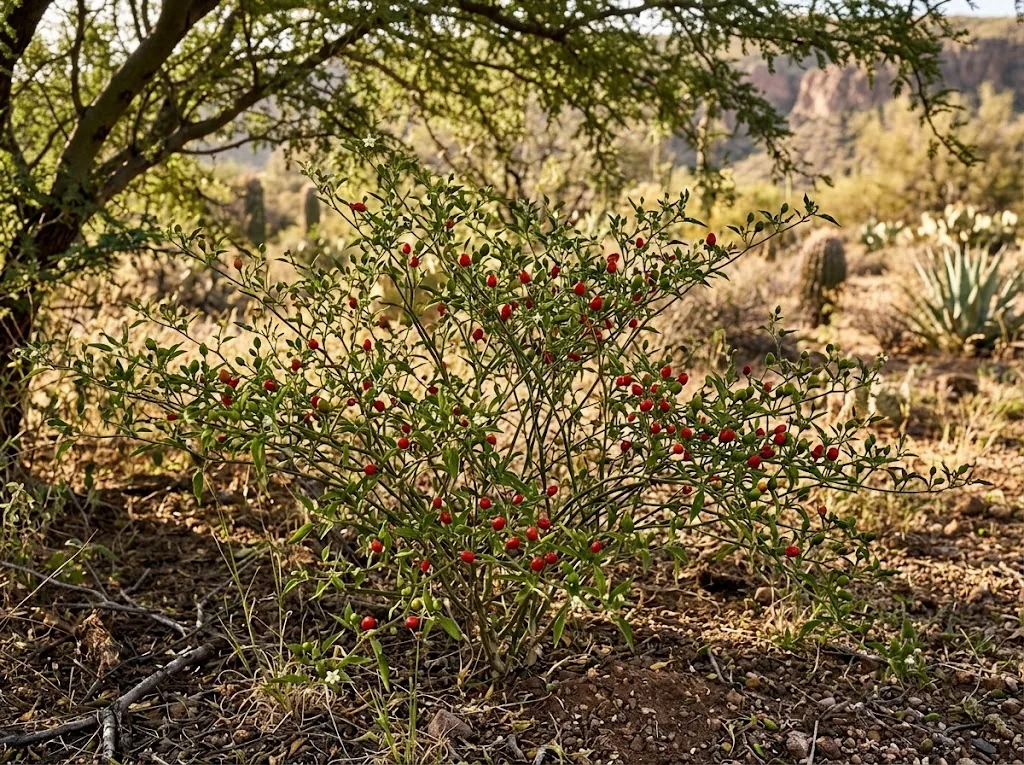
Chiltepin is a perennial in frost-free conditions, but cold can kill it back or damage its roots. The plant may return after winter where conditions suit it. In a container, bring it into a bright, frost-free space before temperatures drop. Chiltepin’s slow germination and preference for a protected microclimate make it a special case.
Expect fruit to follow the plant’s own pace rather than a fixed number of days after sowing. Local conditions, age, and whether you begin with seed or a transplant all matter. In its wild range, ripe chiltepin is often gathered in fall. In a home garden, watch for the green fruits to turn red and fully color before harvesting them ripe.
Harvesting and handling chiltepin safely
Pick ripe pods gently so you do not break the thin branches. If you prefer a green, brighter-tasting chile for pickling, harvest some fruit before it turns red. When harvesting from the wild, respect land access rules and local guidance, and leave enough fruit for wildlife and plant regeneration.
Wear gloves if your skin is sensitive, and do not touch your eyes or face while handling chiltepin. The University of Arizona warns that the spicy oils can irritate skin and the respiratory system. Wash hands and tools after handling. Keep fresh pods away from children and anyone who might mistake them for a mild berry.
Drying, storing, and preserving chiltepin
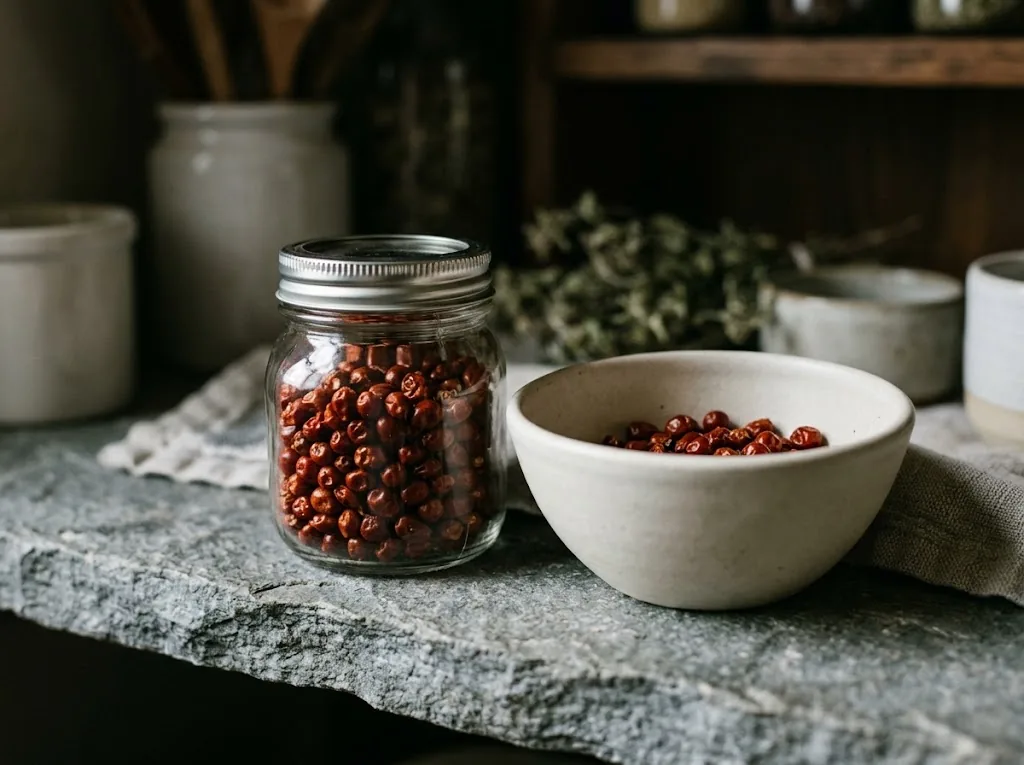
Spread clean, ripe pods in a single layer in a warm, dry, well-ventilated place, or use a food dehydrator according to its instructions. Dry them until they are brittle throughout, then store them in a sealed jar away from heat, light, and moisture. If pods still bend or feel soft, continue drying before sealing them. Crush only the amount you need so the rest keeps its aroma.
Fresh chiltepin can also be frozen for later cooking. Pack whole clean pods in a labeled freezer-safe container and take out a few at a time. For green pods, pickling is a traditional option; use a tested food-preservation recipe and keep the finished product refrigerated unless the recipe provides a validated canning process. For more unusual varieties and their growing traits, browse our guide to rare chili peppers.
Culinary uses for chiltepin peppers
Use chiltepin where a small chili pepper can lift a dish without taking it over. Crush one pod into a salsa, add a pinch to beans or soup, or steep a dried pod briefly in a sauce and remove it once the flavor is strong enough. For a simple pantry seasoning, grind dried pods with a little salt and use the mixture sparingly.
Because pods vary, taste as you cook. Keep the pepper whole when you want to control how much heat it releases, or crush it for a faster, stronger impact. Chiltepin’s small size makes it easy to underestimate, so start with less than you think you need.
Frequently asked questions about chiltepin peppers
Are chiltepin peppers edible?
Yes. Chiltepin is eaten fresh, dried, pickled, and cooked into foods. Its heat is intense, so use a small amount and handle it carefully.
Are chile tepin and chiltepin the same?
“Chile tepin,” “chiltepín,” and “chiltepin” are common spellings or regional names used for this wild pepper group. Names can vary by region, and some sources use related names for other small peppers, so check the botanical name when buying seed.
Why can chiltepin seeds take so long to sprout?
Wild chiltepin seed can be slow to absorb water and germinate. Keep seed warm and evenly moist, and allow more time than you would for many common garden peppers. Some seed can take longer than a month to emerge.
Research and further reading
- University of Arizona Cooperative Extension, Chiltepin growing and harvest guide
- Native Seeds/SEARCH, growing notes for chiltepines
- Native Seeds/SEARCH, Sonoran Chiltepin
- Peer-reviewed study describing chiltepin fruit size, ripening, and its relationship to domesticated pepper
- Iowa State University Extension, Growing Peppers in the Home Garden
- U.S. Forest Service, land-management plan
