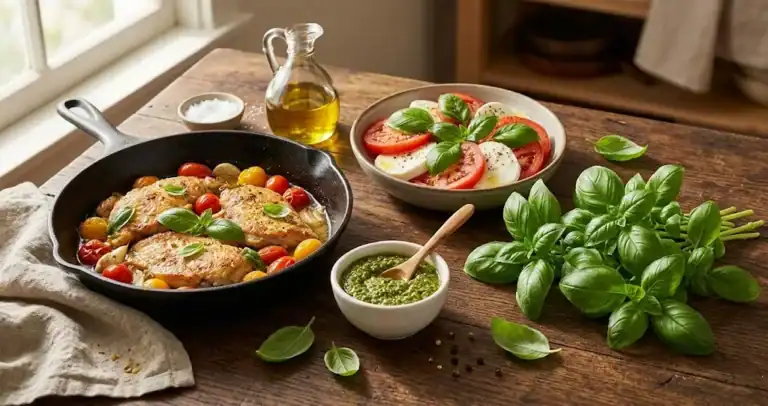
Fresh Asian basil brings an intense perfume to home cooking that standard Italian basil cannot match. With its distinct licorice-anise notes, spicy clove undertones, and bold aroma, this versatile herb is the true heartbeat of Southeast Asian cooking. If you love Thai food or want to create a classic chicken recipe at home, mastering these easy Asian basil recipes is the most satisfying way to bring street-stall flavor to your dinner table.
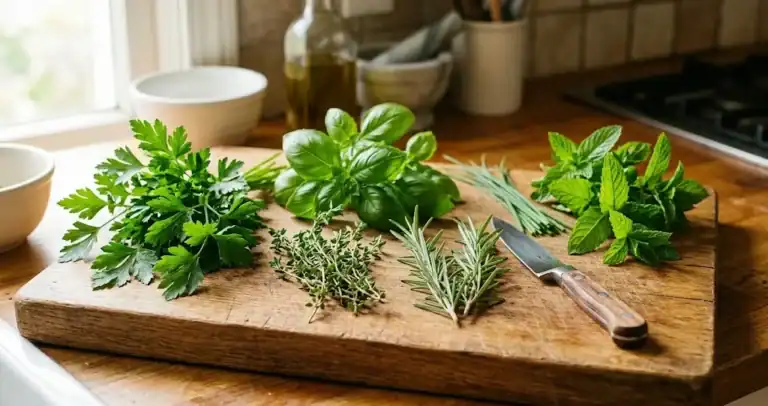
Before heating your cookware, it helps to understand that Asian basil is not just one plant. Several distinct varieties appear across regional Asian traditions, each offering unique strengths in hot stir fries, curries, and fresh noodle bowls. For home cooks exploring garden herbs, our overview of herbs worth cooking with covers how different aromatic varieties fit into a broader kitchen routine.
Understanding Asian basil varieties and flavor profiles
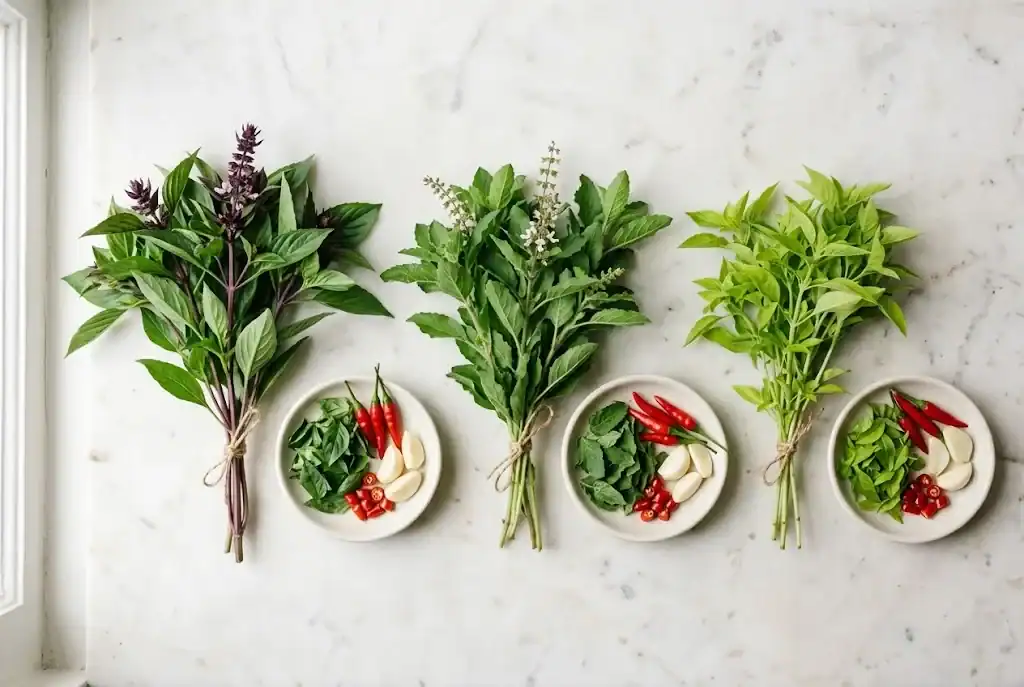
When shopping at your local Asian market, you will typically find three culinary basils. Knowing the differences ensures your recipes achieve authentic flavor and texture.
- Thai sweet basil (Ocimum basilicum var. thyrsiflora): Known in Thailand as horapha, this variety features sturdy, pointed leaves, purple stems, and dark flower clusters. It carries strong notes of anise and sweet licorice, holding up exceptionally well in high-heat stir-fry dishes, curries, and hot broths.
- Thai holy basil (Ocimum tenuiflorum): Known locally as krapow (or kaprao), this variety has slightly hairy green leaves with lightly serrated edges. It delivers a sharp, peppery, clove-like punch that becomes deeply aromatic when cooked. When making authentic street-style dishes, holy basil is recommended for the best flavor.
- Lemon basil (Ocimum x citriodorum): Known as maenglak, this pale green variety releases a clean citrus scent. Cooks add it to light soups, steamed seafood, and vegetable curries.
Home cooks often wonder whether regular basil can substitute for Asian cultivars. While Western sweet basil shares a plant family, it has delicate leaves that turn dark and mushy under vigorous wok heat. If you grow herbs at home, learning how to harvest Asian basil properly will give you steady access to crisp, fresh sprigs all season long.
According to the University of Wisconsin-Madison Division of Extension, Asian varieties contain higher concentrations of aromatic compounds like estragole and eugenol, giving them the heat stability and anise pungency required for high-temperature cooking.
Classic pad kra pao gai with holy basil and chicken
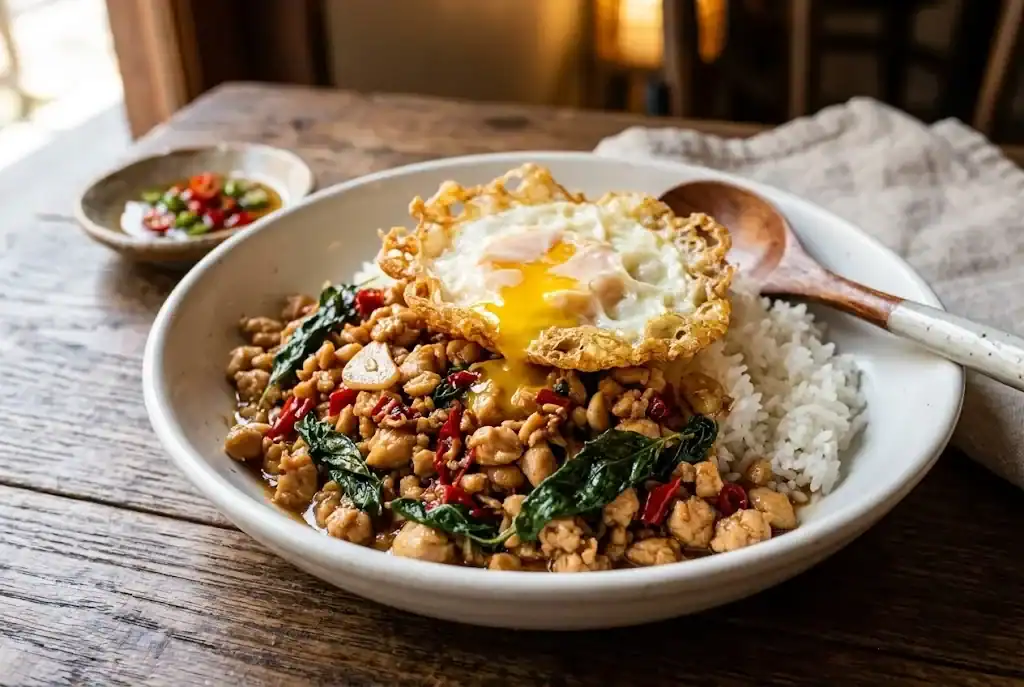
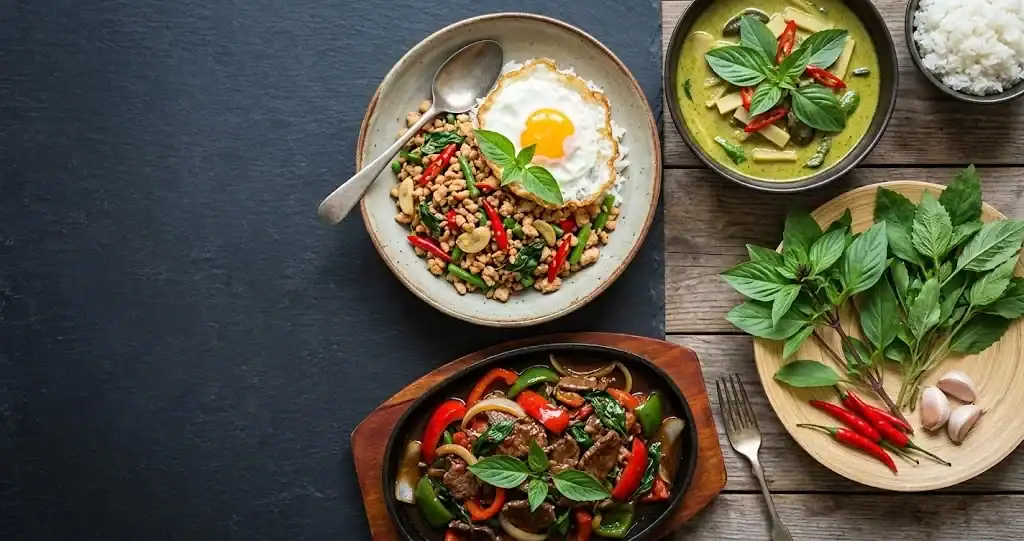
If there is one iconic dish celebrated by everyone who loves Thai food, it is pad krapow gai. Also spelled pad kra pao, this famous spicy Thai basil chicken stir-fry combines savory minced chicken, fiery bird’s eye chilies, pungent garlic, and a rich savory glaze, finished with an abundance of fresh holy basil.
The beauty of this classic Thai basil chicken recipe is speed: the chicken mixture cooks in less than 30 minutes from start to finish. When prepared over high heat in a traditional wok or heavy skillet, the meat browns quickly while absorbing the dark soy, fish sauce, and savory reduction.
Ingredients for authentic pad kra pao
Gather these simple recipe ingredients before you start cooking:
- 1 pound ground chicken (or finely hand-chopped chicken thigh)
- 4 to 6 fresh red Thai chilies (bird’s eye chilies), coarsely chopped
- 5 cloves fresh garlic, peeled
- 1.5 cups fresh holy basil leaves (or fresh Thai basil leaves if holy basil is unavailable)
- 1 tablespoon oyster sauce
- 1 tablespoon fish sauce
- 1 teaspoon light soy sauce
- 1 teaspoon dark soy for rich color
- 1 teaspoon palm sugar or brown sugar
- 2 tablespoons neutral high-smoke-point oil
- 1 large egg for the crispy fried egg topping
- Warm steamed jasmine rice for serving
Step-by-step cooking directions
- Crush the aromatics: In a stone mortar and pestle, coarsely pound the Thai chiles and garlic cloves into a rough paste. Coarse pounding releases fragrant essential oils far better than fine mincing.
- Heat the cooking oil: Place your wok over medium-high heat and add one tablespoon of oil. Add the crushed chili and garlic mixture, cooking for 30 seconds until deeply fragrant without scorching.
- Brown the chicken: Turn the heat to high. Add the ground chicken or minced chicken breast, breaking it apart with a spatula. Cook for 3 to 4 minutes until the meat is lightly browned.
- Add the stir fry sauce: Pour in the oyster sauce, fish sauce, light soy sauce, dark soy, and sugar. Toss briskly so the seasoning coats every piece of meat.
- Wilt the fresh herbs: Turn off the heat. Toss in the fresh basil leaves. The residual heat in the pan is all you need to wilt the herb into a glossy finish while locking in its aromatic oils.
- Fry the egg and serve: In a small frying pan, heat two tablespoons of oil over high heat until shimmering. Crack in an egg; it should bubble vigorously, creating crisp edges while keeping the yolk rich and runny. Spoon the warm chicken dish over steamed jasmine rice, top with the crispy egg, and serve immediately.
Quick Thai basil beef stir-fry with crisp vegetables

Another staple on any Thai restaurant menu is a savory thai basil stir fry featuring tender beef. The anise sweetness of Thai basil balances rich beef slices, crisp bell peppers, and tender broccoli florets.
For the best texture, slice flank steak or sirloin thinly across the grain. Sear the beef in small batches over high heat so the meat browns rather than releases steam. Return the beef to the hot pan, toss with sliced shallots, minced garlic, soy sauce, and seasonings, then fold in two cups of fresh Thai basil right before plating. This great recipe makes an easy weeknight dinner that rivals your favorite takeout.
Taiwanese three-cup chicken with fresh Thai basil
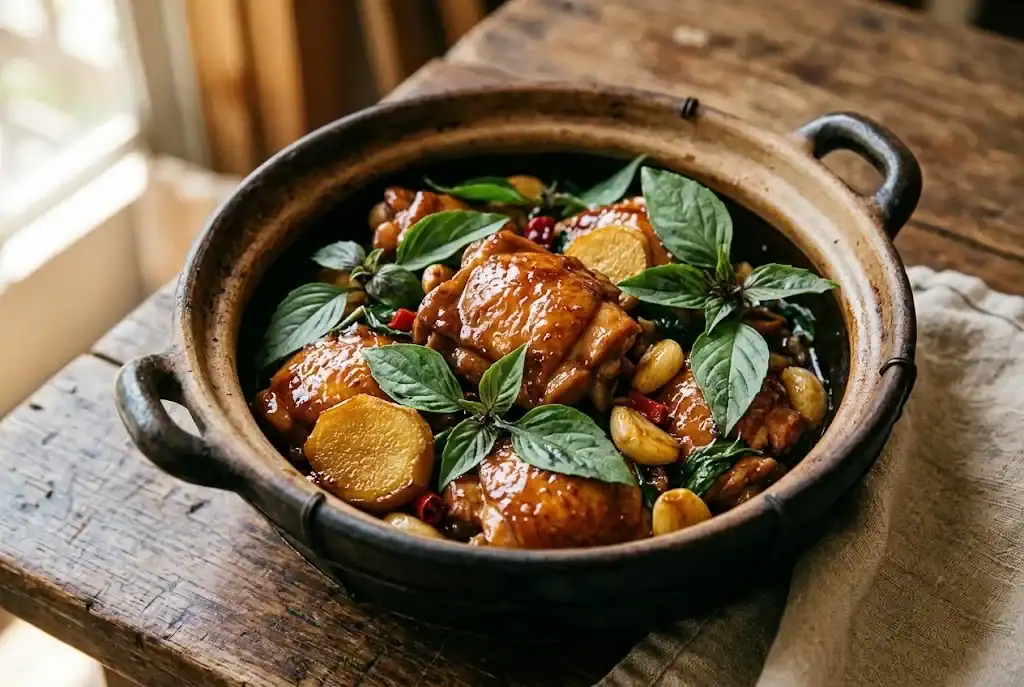
Beyond Southeast Asia, aromatic herbs play a starring role in classic Taiwanese cuisine. San bei ji, or three-cup chicken, is a comforting chicken stir fry that relies on generous amounts of fresh herbs for its deep complexity.
The name comes from equal portions of sesame oil, soy sauce, and rice wine. Bone-in chicken thigh pieces simmer with thick coins of fresh ginger, whole garlic cloves, and mild dried chili pepper. As the sauce reduces into a thick, glossy glaze, two hearty handfuls of fresh Thai basil are folded into the pot. The leaves melt into the dark reduction, infusing every bite with herbal sweetness.
Fragrant Thai green curry with chicken and fresh basil
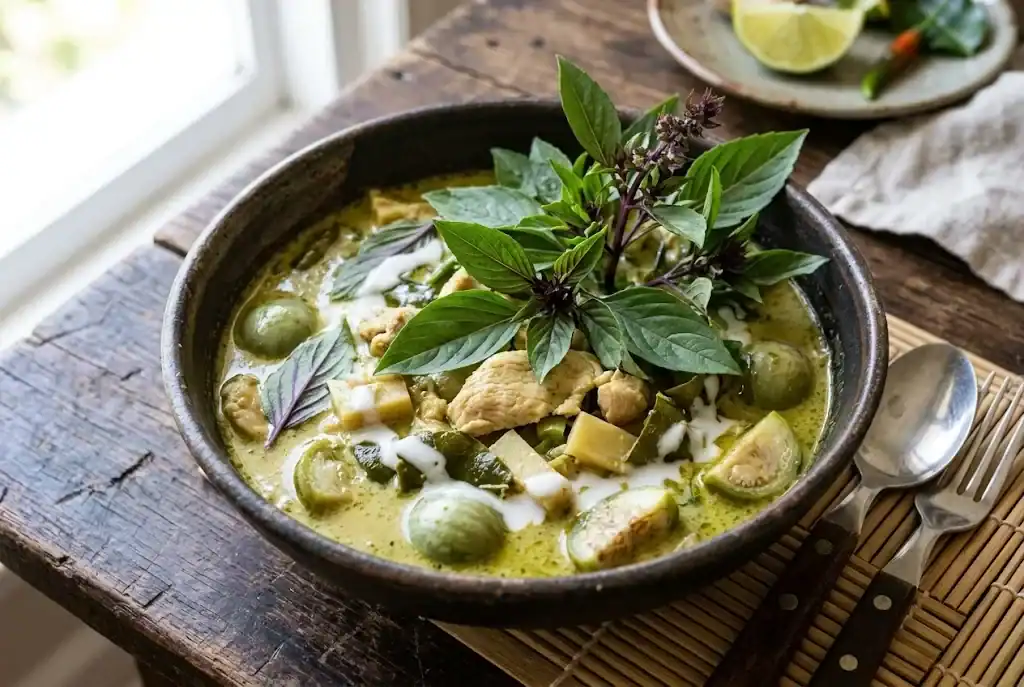
No collection of Asian basil recipes is complete without a rich, aromatic thai green curry (gaeng keow wan gai). Aromatic sweet basil is indispensable here, providing a refreshing herbal note that cuts through creamy coconut milk.
To prepare this classic Thai dish, gently fry green curry paste in coconut cream until the aromatic oils separate. Add chicken breast, sliced chicken thigh, Thai eggplant, bamboo shoots, and kaffir lime leaves, simmering gently until tender. Right before taking the pot off the stove, submerge a generous cup of fresh basil leaves into the hot broth. When you use Thai ingredients properly, the leaves impart an emerald hue and fresh licorice perfume that defines authentic Thai cooking.
Spicy drunken noodles with seafood or tofu
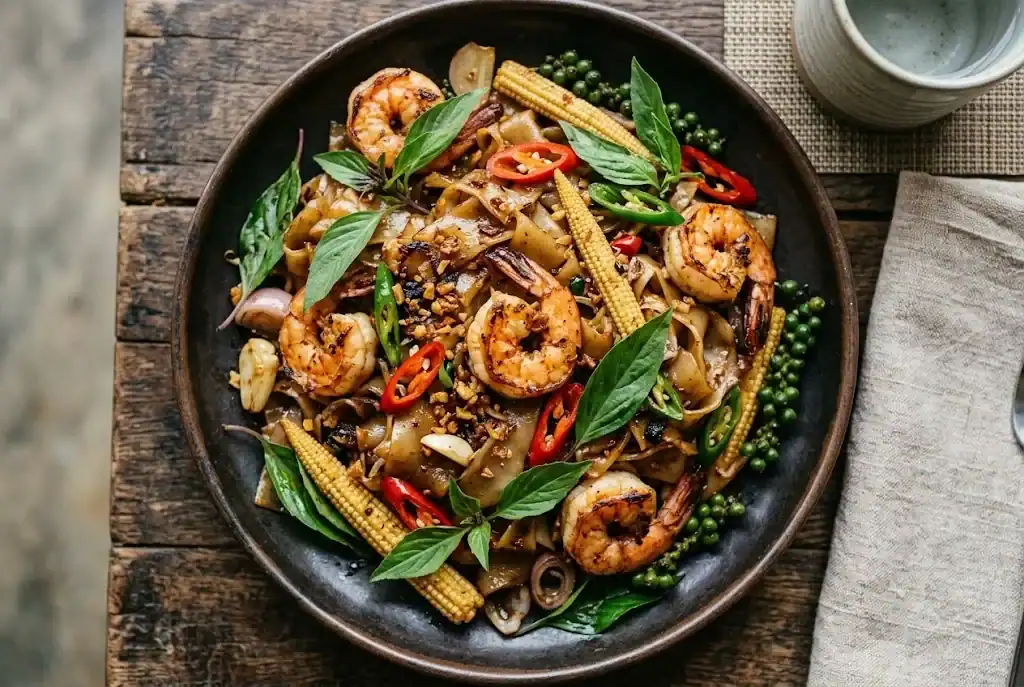
Known in regional cooking as pad kee mao, drunken noodles feature wide rice noodles tossed in a hot skillet with protein, vegetables, garlic, and plenty of chili. Despite the playful name, the dish contains no alcohol; rather, its bold heat and savory depth make it legendary comfort food.
Fresh herbs are essential in pad kee mao. The wide rice noodles absorb the smoky char of the pan, while handfuls of fresh Thai basil provide refreshing contrast against hot chilies, tender shrimp, or crispy seared tofu. Toss the greens in during the final 15 seconds of cooking so they remain tender and fragrant.
Vietnamese noodle bowls and fresh summer rolls
While cooked Thai dishes feature herbs simmered directly in sauces, Vietnamese cooking celebrates the raw, crisp qualities of fresh Asian herbs. A generous platter of fresh Thai basil, cilantro, mint, bean sprouts, and lime wedges accompanies every traditional bowl of beef or chicken pho.
Tearing fresh leaves directly into steaming hot broth releases a burst of anise aroma that enlivens the entire meal. Similarly, rolling whole leaves into Vietnamese rice paper summer rolls alongside poached shrimp, pork, and rice vermicelli adds a clean, herbal crunch that pairs perfectly with rich peanut dipping sauce.
Essential tips for harvesting, storing, and cooking Asian basil
To get the best results from your culinary herbs, a few practical preparation techniques make all the difference in the kitchen:
- Add herbs at the very end: Extended heat destroys delicate aromatic compounds in fresh leaves. Always remove your cooking vessel from direct heat before stirring in the herb. Residual heat will soften the leaves perfectly within seconds.
- Preventing discoloration during prep: Use a sharp chef’s knife or pluck leaves whole by hand rather than bruising them with a dull blade. Whole leaves retain their essential oils until they hit the hot food.
- Storing cut herbs: Cut stems blacken quickly if exposed to cold refrigerator temperatures. Treat fresh-cut stems like a bouquet of cut flowers: trim the base and place them upright in a jar of water on your kitchen counter. Check out our step-by-step methods on how to store Asian basil to keep bunches vibrant for up to two weeks.
- How to reheat leftovers: If you have leftover chicken or beef stir-fry, reheat the dish gently in a skillet over medium heat with a tablespoon of water or broth. Avoid harsh microwaving, which can overcook delicate herbs and turn them bitter.
Whether you cook a quick weeknight pad kra pao with ground chicken or simmer a weekend pot of green curry, fresh Asian basil turns simple ingredients into restaurant-quality meals. Snip a fresh bunch, heat your pan, and enjoy the remarkable depth this beloved culinary herb brings to your table.