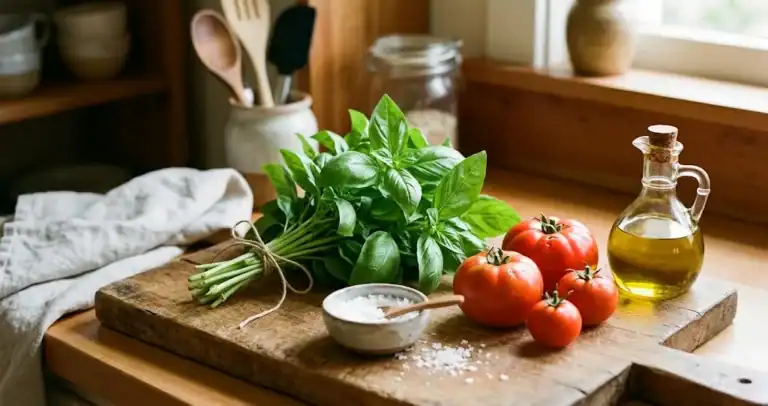
Sweet basil brings an unmistakable aroma, bright sweetness, and peppery warmth to home cooking. Known botanically as Ocimum basilicum, basil anchors Mediterranean and international cuisines, transforming simple pantry ingredients into memorable meals. Understanding where this herb sits among essential culinary herbs helps home cooks appreciate its delicate nature: the plant holds fragile essential oils, including linalool and eugenol, that release their best fragrance with gentle handling rather than harsh heat.
Whether you harvest tender sprigs from a sunny windowsill garden or pick up a fresh bunch at the local market, fresh culinary herbs open up a world of kitchen inspiration. Italian varieties differ noticeably from pungent cousins such as Thai basil or culinary mint; their round green leaves offer a gentle clove-like sweetness that complements everything from ripe tomatoes to poultry and seafood. These approachable dishes celebrate fresh ingredients for simple family dinners and celebratory weekend meals.
Handling Fresh Basil Leaves for Maximum Flavor
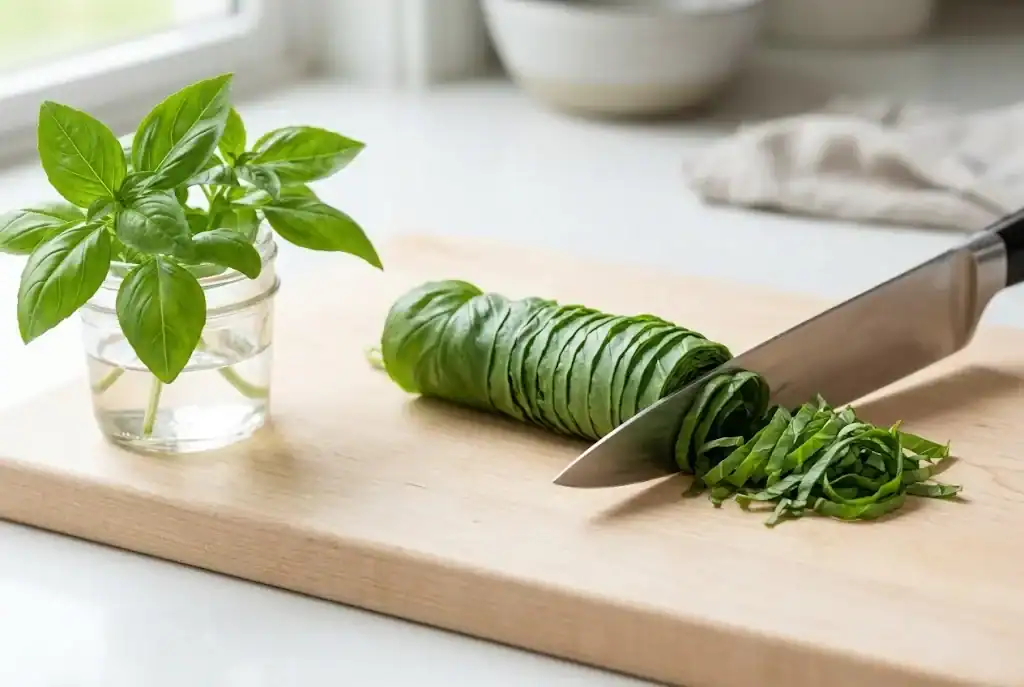
Getting the best results from any fresh herb preparation begins with proper leaf care. Sturdy woody herbs tolerate rough chopping, but tender green foliage bruises easily and turns dark under heavy pressure. When preparing leaves for a culinary dish, rinse the foliage gently in cool water and pat dry with a clean cloth. If you need fine ribbons, stack several leaves, roll them into a neat cylinder, and slice across the bundle with a sharp chef knife to create a clean chiffonade.
Excessive heat quickly dissipates volatile aromatics. For cooked preparations such as a simmered tomato reduction or a roasted vegetable sheet pan, always add the delicate leaves during the final minutes of cooking or immediately after taking the pan off the burner. If you harvest a large crop from your garden, learn how to store fresh basil at room temperature in a small jar of water rather than in a cold fridge, where chilly air can discolor tender foliage. According to botanical and nutritional data from the USDA FoodData Central, fresh herbs deliver vitamins A and K along with natural polyphenols. Research cataloged by the National Institutes of Health (NIH) reviews the phenolic profile and antioxidant properties of Ocimum basilicum extracts in laboratory models.
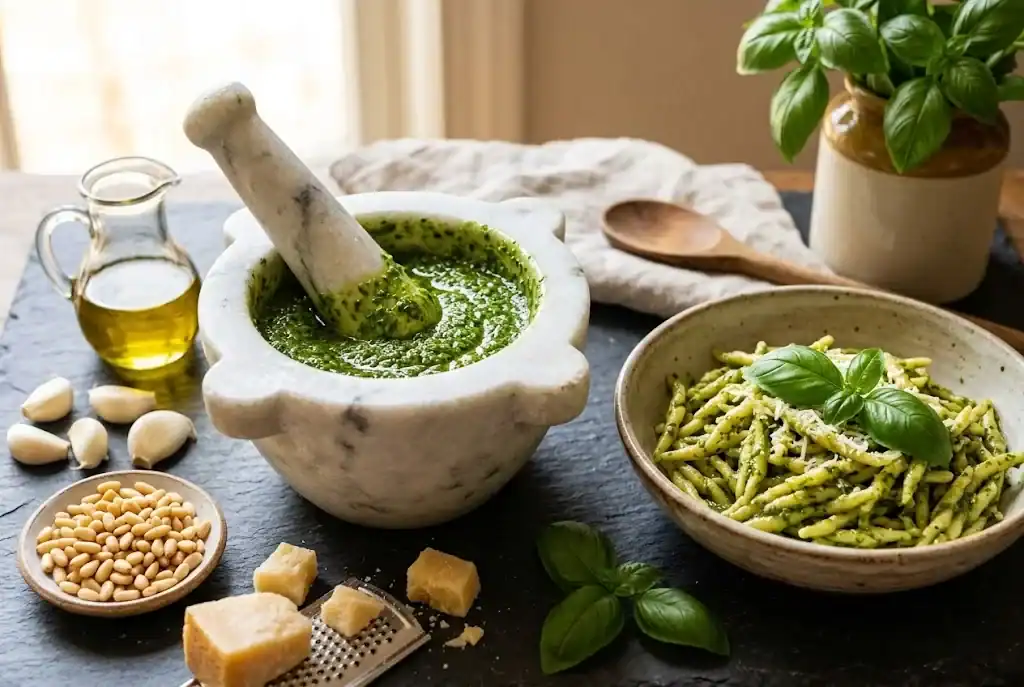
Classic Homemade Genovese Pesto
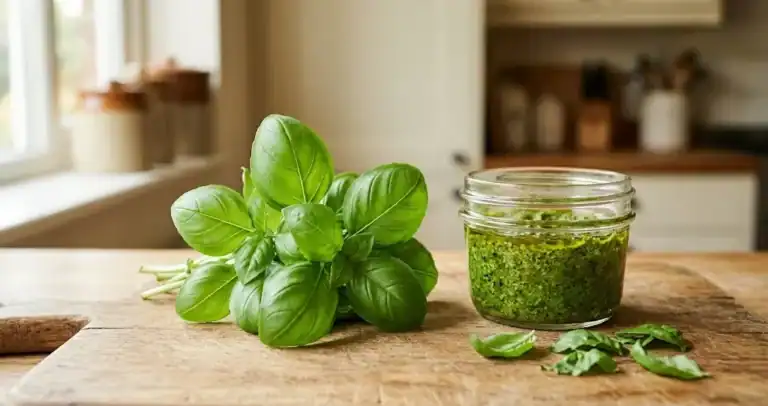
No collection of herb recipes is complete without an authentic Genovese green sauce. This rich, vibrant emulsion captures the essence of fresh basil leaves, pairing them with cold-pressed olive oil, fragrant garlic, toasted pine nuts, and grated hard cheese. While traditional Italian cooks use a marble mortar and pestle, you can easily prepare a smooth blend using a food processor or high-speed blender.
To make this classic recipe, blend 4 packed cups basil leaves with two peeled garlic cloves, one-third cup of lightly toasted pine nuts, and a pinch of sea salt. Slowly stream in one-half cup of quality olive oil until smooth, then stir in freshly grated Parmigiano-Reggiano and Pecorino Romano cheese. Mastering versatile ways to cook with sweet basil allows you to toss the pesto immediately with warm noodles, spread it across a toasted sandwich, or spoon it over a seared chicken breast. If you make it in bulk, freeze extra portions in an ice cube tray, transfer the frozen cubes to a sealed container in your freezer, and pop them into warm soups during a cold winter evening.
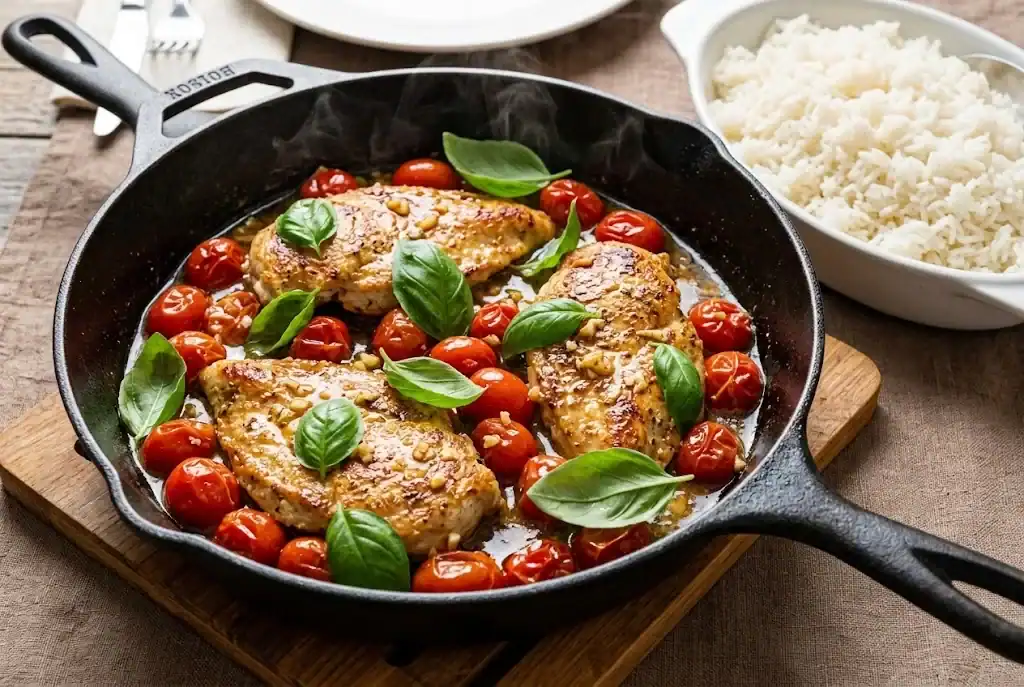
Skillet Basil Chicken with Garlic and Cherry Tomatoes
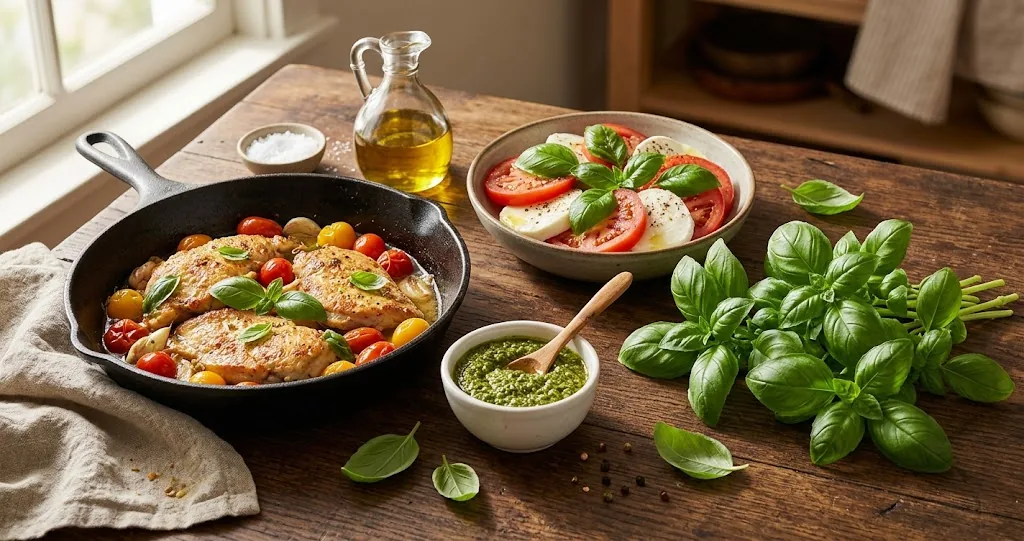
For a satisfying dinner, skillet basil chicken offers a delicious combination of tender poultry and sweet pan juices. This flavorful skillet meal yields 4 servings and comes together in under thirty minutes, making it reliable for busy evenings when you want homemade comfort without extensive cleanup.
To prepare this savory meal, take 4 boneless skinless cutlets (about 1.5 pounds), season lightly with salt and cracked black pepper, and dredge each piece lightly in flour. Heat two tablespoons of cooking oil in a wide stainless steel or cast iron skillet over medium-high heat. Sear the cutlets until golden brown on both sides, then transfer them to a warm plate. In the same skillet, saute minced garlic and two cups of sweet cherry tomatoes until they burst and release their rich juices. Return the chicken to the pan to coat in the pan juices, and stir in 1 cup loosely packed basil leaves right before serving. Serve alongside fluffy white rice or crusty bread for a complete evening meal.
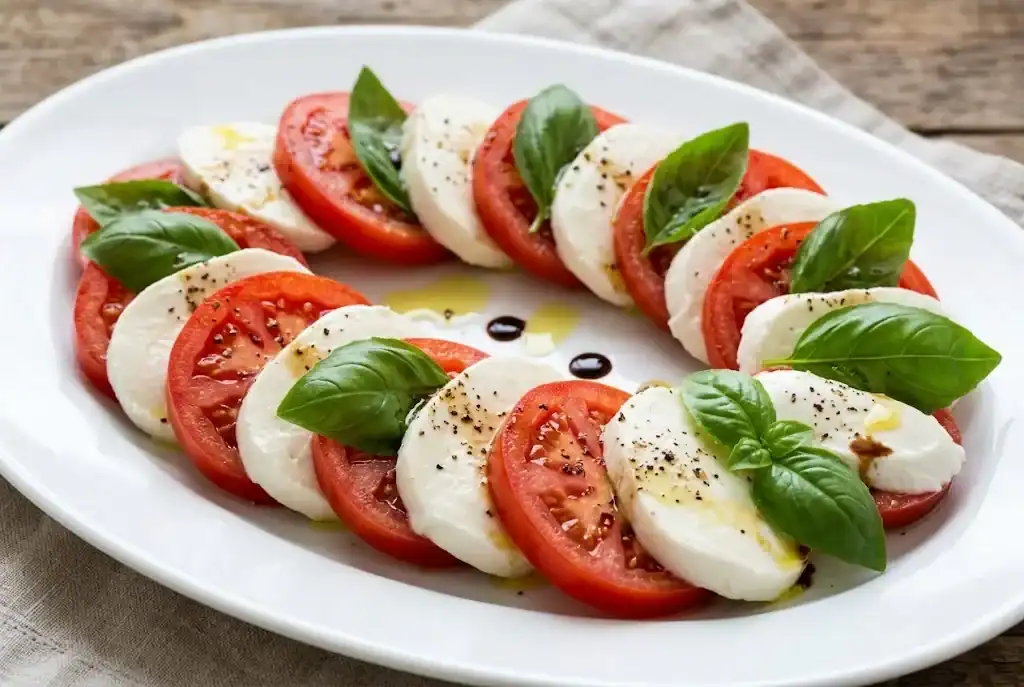
Fresh Tomato and Mozzarella Caprese Salad
The simplicity of a traditional Italian Caprese salad demonstrates how garden herbs elevate seasonal produce. This refreshing appetizer recipe yields 4 servings, requires minimal effort, and lets the natural flavors of ripe tomatoes and creamy cheese shine.
To assemble this colorful salad, arrange alternating slices of 4 ripe heirloom tomatoes and 8 ounces of fresh mozzarella cheese on a serving platter. Tuck 16 to 20 whole basil leaves between each slice, scatter a few kalamata pieces across the plate, and season with sea salt and freshly cracked black pepper. Finish with a drizzle of extra virgin oil and a few drops of aged balsamic vinegar. You can also dice these same fresh ingredients with 1/4 cup chopped basil to make a crisp tomato bruschetta topping served on toasted baguette rounds for a delightful appetizer.
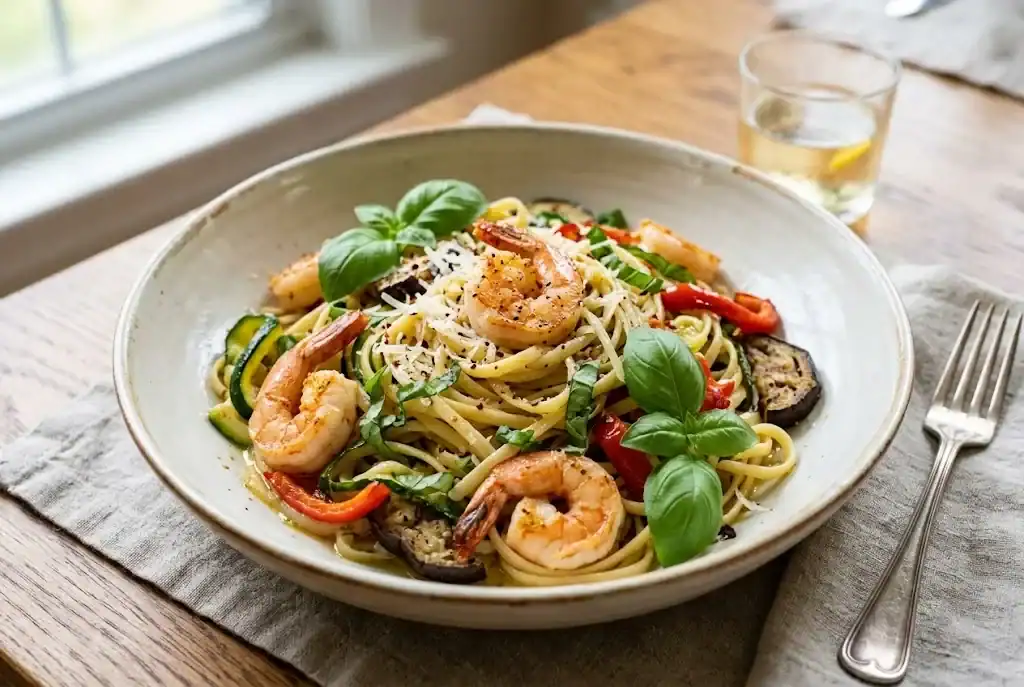
Summer Vegetable Pasta
Combining seafood, garden veggies, and fresh herbs creates an elegant yet approachable dinner that yields 4 generous servings. This colorful noodle dish pairs succulent seared shrimp with tender summer zucchini, sweet bell pepper, and crisp green beans.
In a large skillet, cook 1 pound of peeled shrimp with cooking fat and aromatics until pink and juicy, then set aside. Saute 2 sliced zucchini and 1 diced eggplant until tender-crisp. Toss 12 ounces of warm cooked pasta with the sauteed vegetable mixture, the cooked shrimp, a splash of cooking water, and 1/2 cup thinly sliced basil leaves. The gentle heat wilts the basil just enough to infuse every forkful with herbal sweetness. It is a fantastic way to incorporate garden produce into home cooking that your household will enjoy.
Homemade Margherita Pizza with Crispy Crust
A classic pizza Margherita represents one of the world’s most famous culinary traditions. With its red tomato sauce, white mozzarella, and green leaves reflecting the colors of the Italian flag, this wood-fired favorite yields one 12-inch pie and is simple to bake in a standard home oven.
Roll out 1 pound of your favorite dough onto a preheated baking stone. Spread a thin layer of one-half cup simple marinara sauce or crushed plum tomatoes across the dough, top with 6 ounces of shredded mozzarella, and cook at your oven’s highest temperature until the crust is bubbly and crispy. As soon as you pull the crust from the oven, scatter 10 to 12 whole basil leaves over the melted cheese. The residual heat warms the foliage and releases its rich perfume without scorching the delicate herb.

Sweet Pairings, Desserts, and Infused Drinks
While this versatile plant shines in savory entrees, its natural sweetness also pairs exceptionally well with fruit. Pastry chefs and home bakers frequently combine fresh herbs with summer berries to create memorable dessert options and refreshing beverages.
For a vibrant dessert serving 4, toss 1 pound of sliced ripe strawberries with a spoonful of raw sugar, a dash of lemon juice, and 2 tablespoons finely chopped basil leaves. Serve the macerated fruit over vanilla bean ice cream, greek yogurt, or shortcake. For an infused drink yielding a 2-quart pitcher, gently muddle 1/2 cup torn basil leaves with 1 sliced lemon and two tablespoons of honey, then fill with iced water or chilled tea for an invigorating beverage that highlights the plant’s aromatic qualities.
Frequently Asked Questions About Basil Recipes
Home cooks often have practical questions about preparing, substituting, and storing fresh herbs. Here are clear answers to help you cook with confidence.
Can I substitute common garden basil for Thai basil in stir fry recipes?
Yes, standard basil can substitute for Thai varieties in a pinch when making spicy stir-fry dishes and rice bowls. Keep in mind that Thai varieties have firmer leaves and a stronger licorice punch, whereas common sweet varieties offer a softer texture and sweeter aroma. Add the leaves off the heat so the delicate foliage does not turn soggy.
Can I use fresh herbs in a slow cooker?
Fresh herbs should not simmer for hours in countertop cookers because extended heat destroys delicate essential oils and turns the foliage dark. Instead, cook your stew, meat, or vegetables in the appliance as directed, and stir in freshly chopped leaves during the last five minutes of cooking or right before plating.
How do I prevent homemade pesto from turning brown?
Pesto browns when exposed to oxygen. To keep your homemade recipe bright green, blanch the leaves in boiling water for five seconds and plunge them into an ice bath before blending, or pour a thin layer of cooking oil directly over the top of the jar before sealing it in the fridge.
Is dried basil an acceptable substitute for fresh leaves?
Dried herbs work well in long-simmered marinades and meat rubs where the seasoning has time to rehydrate and release its earthy flavor. However, for fresh dishes such as Caprese salad, Genovese pesto, and bruschetta, fresh leaves are irreplaceable for vibrant texture and aroma.