
If your hands keep stinging after you chopped a spicy pepper, wash off the residue before trying a kitchen remedy. Capsaicin, the pepper compound that causes heat, can irritate skin and eyes. For skin, wash gently with soap and warm water; for an eye exposure, start flushing with plenty of lukewarm water. Get expert advice for a severe reaction or symptoms that persist.
What to do for chili burn on your hands
Stop handling the peppers and anything they touched. Remove rings, then wash your hands gently with soap and warm water. Clean under your fingernails, around the nail edges and between your fingers, where pepper residue can remain. Rinse well and repeat if your skin still feels oily. Avoid scrubbing hard, which can further irritate tender skin.
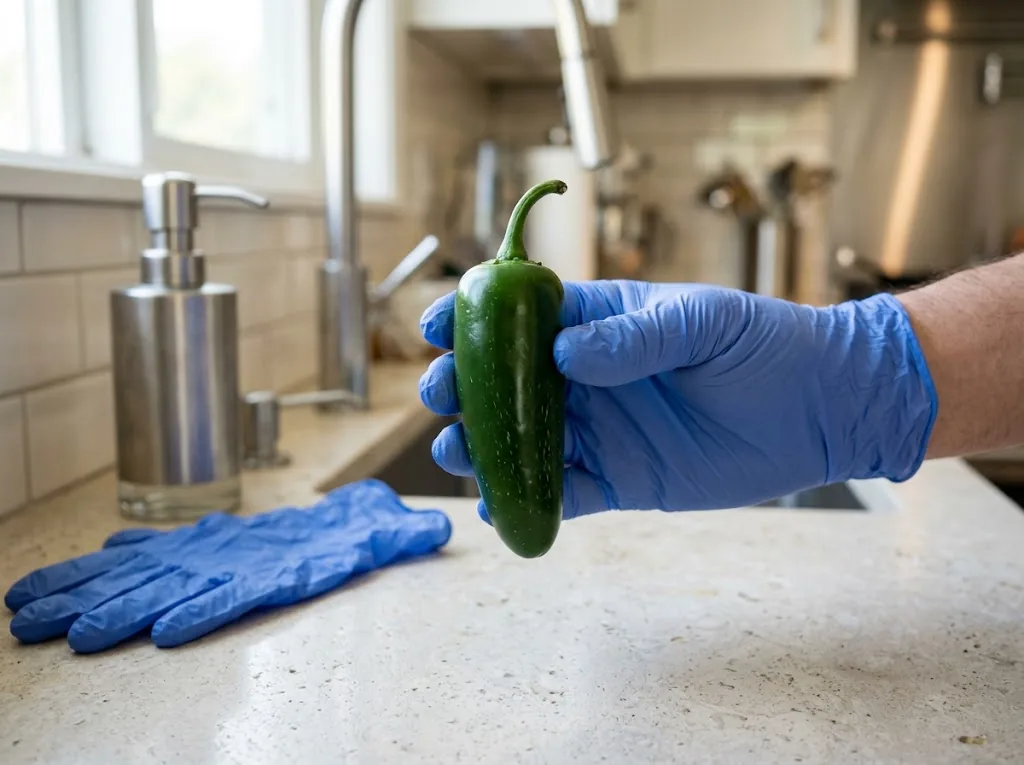
Keep your hands away from your eyes, nose, mouth and other sensitive areas until they are clean. Wash utensils and counters that may carry pepper juice. Capsaicin can cause pain, redness and irritation on the skin, and the intensity can vary. Poison Control’s capsaicin guidance recommends warm-water flushing for skin exposure and advises contacting a poison center for case-specific help.
Poison Control lists vegetable oil or a liquid antacid as options that may help some skin exposures, but neither is a guaranteed fix. If you try an option, use it only on intact skin and stop if it increases irritation. An acidic pickle brine worsened pain in one published case report, so skip acidic kitchen remedies. For a painful or uncertain exposure, call a poison center or a health professional instead of experimenting.
What to do if chili gets in your eye
Start rinsing the eye right away with plenty of lukewarm running water for 15 minutes. Hold the eyelids open as best you can and let the water flow across the eye. Remove contact lenses if they come out easily while flushing. Avoid rubbing the eye or putting milk, oil, soap or other household remedies into it.

Poison Control identifies a 15-minute warm-water irrigation as the first step for pepper exposure in the eye. Contact a poison center for further advice. Seek medical evaluation if eye pain persists after flushing, or if redness or blurred vision continues. Poison Control recommends immediate medical evaluation for persistent eye pain after capsaicin exposure.
What causes the burning feeling?
Capsaicin is the pungent compound in a chili pepper. When pepper residue gets on skin or reaches the eye, it can trigger a burning sensation and irritation. The sensation does not come from heat from a stove, but intense pain, swelling or blistering still deserves medical attention. Wash any residue off before preparing another dish, and do not rely on the absence of visible pepper juice as proof that your hands are clean.
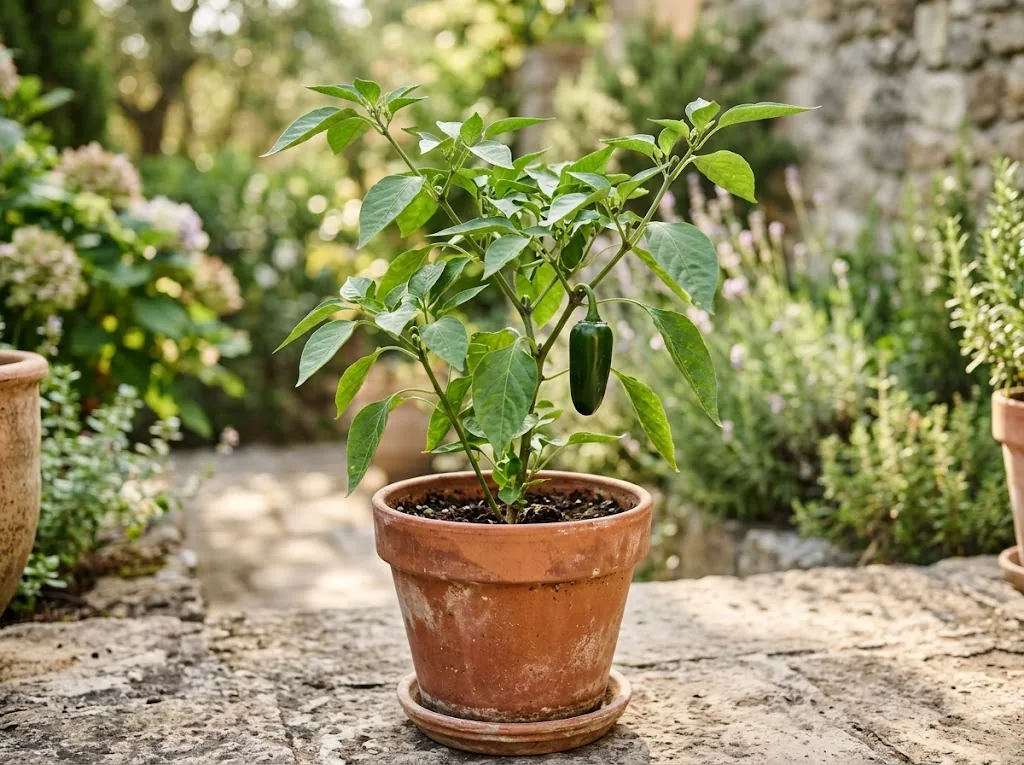
For a wider look at why one variety can feel hotter than another, see our guide to the Scoville scale.
People sometimes call this experience “chili burn” or “hot pepper hands.” A case report describes hand dermatitis after contact with chili peppers and notes that there is no single, established home treatment. In that report, an acidic pickle brine made the pain worse. That is a good reason to skip folk remedies that promise to neutralize the burn. Read the published case report on chili-related contact dermatitis.
How long does chili burn last?
There is no dependable countdown for every exposure. The discomfort may ease after residue is removed, but it can last longer when the pepper was very hot, contact was extensive, or the skin is sensitive or irritated. Avoid repeated scrubbing and give the skin time to settle. Poison Control notes that a cool compress may provide relief.
Published case reports describe different courses, which is why a promise that one remedy will stop the burning sensation in a set number of minutes is not reliable. One report of contact dermatitis after handling chili described the first episode settling after several hours without a specific treatment. Treat that as one person’s experience, not a timer for everyone. If the symptoms are intense or keep worsening, get medical advice.
Get medical advice for blistering, marked swelling, severe or worsening pain, a large exposure, or symptoms that do not improve. If pepper exposure causes breathing trouble or chest discomfort, call your local emergency number. In the United States, Poison Control can be reached at 1-800-222-1222 or through its online tool.
Why do people suggest oil for pepper residue?
Capsaicin dissolves poorly in water and is soluble in fat and fatty oils, according to a chemistry review. That helps explain why vegetable oil appears in some first-aid advice, but solubility alone does not prove which home method works best on irritated skin. Poison Control lists vegetable oil as something that may help; it also lists diluted vinegar soaks, while a published case report describes acidic pickle brine making one person’s pain worse. Both are acidic, so treat that option as unproven rather than a fix, and stop right away if it stings. Keep the advice in perspective: start with warm water and soap, and ask a poison center if you need more guidance. Review of capsaicin’s physicochemical properties.
Does milk help chili burn on skin?
Poison Control mentions small sips of milk or water for burning after eating capsaicin. For skin, its listed options are warm-water flushing, vegetable oil, acidic soaks or a liquid antacid. The advice differs by exposure, so do not assume a food that helps with spicy food is suitable for skin, and never put milk or oil in an eye. Milk’s fat content is sometimes offered as an explanation for oral relief, but Poison Control does not list it as a skin treatment.
Should you soak chili-burned hands?
Start with washing and rinsing instead of soaking your hands in a homemade solution. Acidic brine made the pain worse in a published case report, and different exposures can respond differently. If basic washing does not help, ask a poison center or clinician what to do next. Avoid layering several remedies, since that makes it harder to tell what is irritating your skin.
What not to do for pepper irritation
- Do not touch your face or rub your eyes with contaminated hands.
- Do not put acidic brines, alcohol or cleaning products on irritated skin.
- Do not put food, oils, soap or home remedies in an exposed eye.
- Do not assume milk is an eye wash. Rinse eyes with clean water and get poison-center guidance.
- Do not keep trying a remedy that increases pain or redness.
How to prevent chili burn next time
Capsaicin can move from pepper residue on your fingers to your face or eyes. If you wear contact lenses, wash your hands before handling them; better still, finish lens care before you start cooking. Keep a clean towel nearby so you can dry your hands after washing rather than wiping them on an apron that may have pepper juice on it. If you are preparing spicy food for a group, set aside one clean hand for fridge handles or serving dishes, or ask someone else to handle them.
Wear disposable nitrile or other suitable gloves when cutting chiles, especially if you have sensitive skin or are preparing a large batch. Do not touch your face while working. Afterward, remove gloves carefully and wash your hands, tools and work surface. Keep pepper scraps and juice away from children and pets.
For the full preparation routine, see our guide to handling hot chilies safely in the kitchen.
Wash around your nails and fingertips carefully before you prepare another dish. Visible juice is not the only residue that can transfer.
When you are ready to prep a pepper, follow our steps for cutting and seeding chili peppers.
