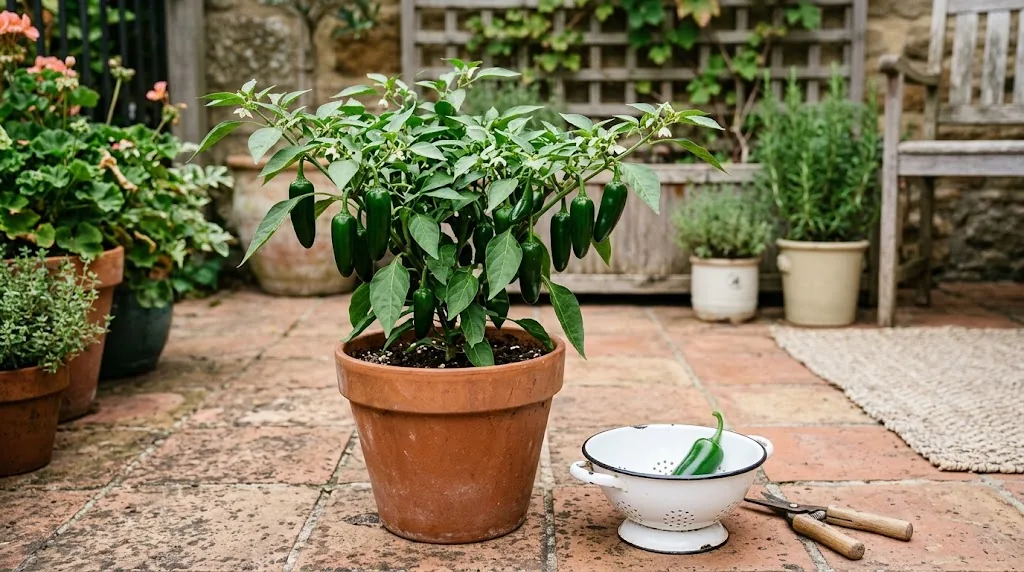
Chili peppers can add flavor, color and vitamin C to a meal, while capsaicin creates their familiar heat. Are chili peppers good for you? They can be a nutritious part of a varied diet, but research does not show that eating them prevents disease or replaces medical care. Studies suggest possible health effects, yet much of the evidence is observational or based on concentrated capsaicin rather than ordinary servings.
For a separate overview of proposed red chili benefits, see our guide to red chilies. This article focuses on what human research can and cannot tell us.
What is in a chili pepper?
Chili peppers belong to the genus Capsicum. Their nutrition varies with type of chili pepper, ripeness, preparation and serving size. Fresh red chili peppers can contribute vitamin C and other plant compounds. A USDA nutrient reference lists about 65 milligrams of vitamin C in one raw red hot chili pepper, but peppers differ in size and nutrient values are not a promise for every variety. Cooking and drying also change the amount per serving. Bell peppers are also Capsicum fruits, but they are generally mild and do not bring the same capsaicin heat as a jalapeño.
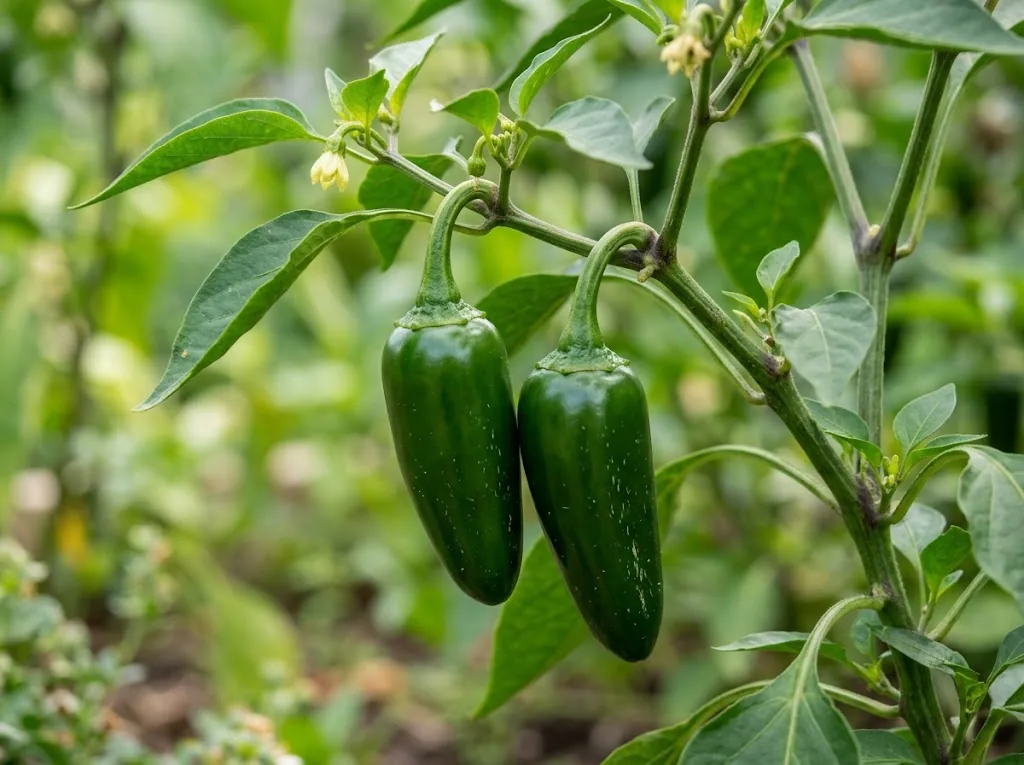
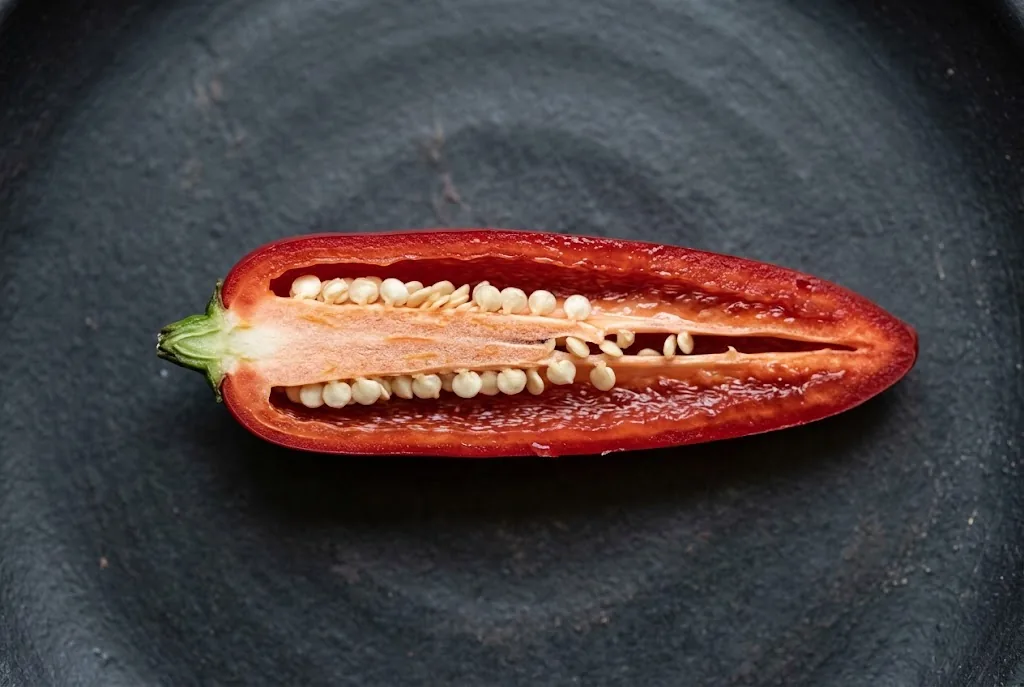
Peppers contain capsaicin, a pungent compound that activates heat and pain-sensing receptors called TRPV1. It is concentrated mostly in the pale inner tissue and placenta that hold the seeds, rather than in the seeds themselves. Removing that tissue can reduce a pepper’s perceived heat. Chili powder, flakes, sauces and fresh peppers can differ widely in capsaicin and sodium, so check the product label when that matters.
There is no single “healthiest” type of chili pepper. Choose a fresh or dried pepper you enjoy and can tolerate. A mild jalapeño, a smoky dried ancho and a very hot habanero bring different flavors and heat levels, but a hotter pepper is not automatically healthier. Our Scoville scale guide explains how pepper heat is compared.
Potential health benefits, with limits
Nutrition and plant compounds
Chili peppers can help add flavor without relying only on salt, and fresh peppers provide vitamin C along with colorful plant compounds. They are one small ingredient in an overall eating pattern. No single pepper delivers the range of nutrients found across vegetables, fruits, legumes, whole grains, nuts and other foods.
Capsaicin in chili peppers and other plant compounds are studied for biological effects, including antioxidant activity. Capsaicin may affect several biological pathways, but lab findings alone cannot show what ordinary chili intake does in a person. Laboratory findings can help researchers form questions, but they do not prove that eating chili peppers prevents illness in people. In food, peppers are best treated as a flavorful vegetable or seasoning, not as medicine.
Weight and appetite
Capsaicin may have a small effect on energy use or appetite in some studies, but that is not the same as meaningful, lasting weight loss. A 2023 review of 15 randomized trials involving 762 adults with overweight or obesity reported modest average changes with capsaicin supplements. The trials studied supplements, not simply a few peppers added to meals, and they do not establish chili peppers as a weight-loss treatment. The NIH Office of Dietary Supplements says the evidence for capsaicin in weight-loss products is not strong enough to know whether it helps people lose weight.
If you like spicy food, enjoy it for taste. Do not take high-dose capsaicin products or use pepper extracts as a substitute for a sustainable eating plan or medical advice.
Heart health and disease risk
Some population studies have found that people who eat spicy foods have different rates of cardiovascular disease or death than people who eat little or none. Such studies can identify associations, but they cannot show that chili peppers caused the difference. Diet, income, smoking, activity and other habits can affect the results.
A 2022 umbrella review of human research found mixed results across health outcomes and judged much of the evidence limited or uncertain. The effects of a spicy meal may differ with the amount eaten, the type of pepper and the people studied. It reported associations in both directions for different outcomes, including cancer findings that varied by cancer type and intake. These results do not show that chili peppers prevent heart disease or cancer. More studies are needed, including observational studies and trials that distinguish ordinary food intake from capsaicin supplements.
Can eating chili peppers every day cause problems?
There is no universal daily amount that is right for everyone. Many people can eat spicy food comfortably, while others notice burning, stomach discomfort, heartburn or changes in bowel habits. Start with a small amount and let your own tolerance guide you. If a particular pepper or portion repeatedly brings on symptoms, reduce it or leave it out.
Spicy foods are a commonly reported trigger for some people with acid reflux or gastroesophageal reflux disease (GERD), though triggers differ from person to person. The National Institute of Diabetes and Digestive and Kidney Diseases recommends paying attention to foods that worsen an individual’s symptoms and discussing changes with a clinician. People with irritable bowel syndrome may respond differently to foods. NIDDK notes that diet changes that help one person may not help another, and suggests working with a clinician or dietitian to choose an approach.
Very concentrated capsaicin supplements are not equivalent to normal culinary portions. They can cause unpleasant effects and the evidence for long-term use is limited. If you are pregnant, breastfeeding, managing a digestive condition, or taking medication and considering a concentrated supplement, ask a qualified health professional first. This caution is about supplements, not a reason for everyone to avoid ordinary amounts of chili in food.
How to enjoy chili peppers comfortably
- Choose a heat level you enjoy. You do not need to build tolerance to get nutritional value from peppers.
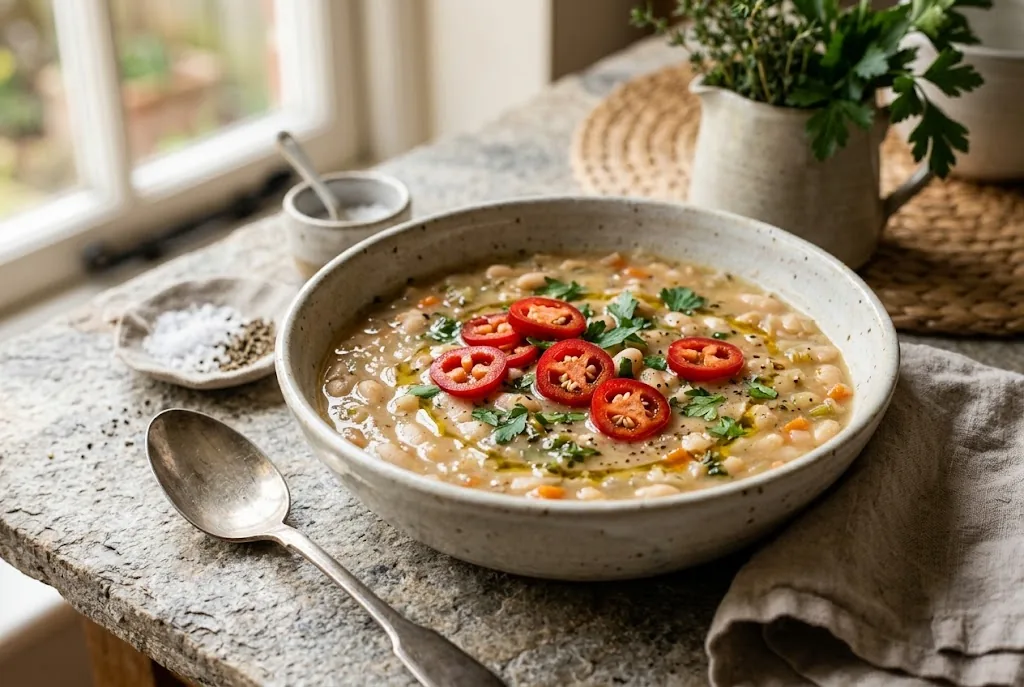
- Add small amounts to beans, eggs, soups, sauces or roasted vegetables, then adjust to taste.
- Use fresh peppers, flakes or powder to bring flavor to a dish. Compare labels if you are watching sodium in prepared sauces.
- If heat irritates your mouth, a small amount of milk may ease the mouth burn better than water. Capsaicin does not dissolve well in water, and casein in milk may help remove it.
- When chopping hot peppers, avoid touching your eyes and wash your hands and tools afterward. See our guide on handling hot peppers safely.
Frequently asked questions
Are chili peppers good for you?
They can be a healthy ingredient in meals, providing flavor and some nutrients such as vitamin C. Research on broader health effects is mixed, so peppers should not be treated as a cure or preventive medicine.
Which chili pepper is healthiest?
No one variety is best for everyone. Freshness, serving size, preparation and what else you eat matter more than choosing the hottest pepper. Pick a variety you enjoy and tolerate.
Can chili peppers help you lose weight?
Capsaicin supplements have shown small effects in some short-term studies, but evidence does not show that eating chili peppers reliably causes lasting weight loss. They are not a weight-loss treatment.
Should I avoid chili peppers if I have acid reflux?
Not necessarily. Spicy foods trigger symptoms for some people with reflux, while others tolerate them. Notice how your own symptoms respond and ask a healthcare professional if symptoms persist or are severe.
Research and nutrition references
- USDA National Nutrient Database: Vitamin C values for foods.
- Iowa State University Extension: Growing Peppers in the Home Garden.
- Cleveland Clinic guidance on milk and chili burn.
- NIDDK: Eating, Diet, and Nutrition for IBS.
- Spicy Food and Chili Peppers and Multiple Health Outcomes: Umbrella Review, Molecular Nutrition & Food Research, 2022.
- The effects of capsaicin intake on weight loss among overweight and obese subjects, British Journal of Nutrition, 2023.
- NIH Office of Dietary Supplements: Weight-Loss Dietary Supplements (consumer fact sheet).
- NIH Office of Dietary Supplements: Dietary Supplements for Weight Loss.
- NIDDK: Eating, Diet, and Nutrition for GERD.
