Plants have been used in herbal medicine for thousands of years. Ancient Egyptian, Greek, Roman, and Chinese medical writings describe herbs used for digestive and other complaints, and according to the World Health Organization, traditional, complementary, and integrative medicine is used in 170 countries worldwide. Modern studies have confirmed some of those traditional uses, qualified others, and left plenty still uncertain. For many common conditions, more research is needed before firm claims can be made. According to NCCIH, more needs to be learned about the effects of herbal supplements in the human body and about their safety and potential interactions with medicines and other natural products. Where the evidence is clearest, the health benefits are narrow and specific: peppermint oil in enteric-coated capsules may improve symptoms of irritable bowel syndrome, and a small number of other herbs show modest benefits for a few targeted symptoms. This guide walks through what the evidence actually says for the herbs below, which matter most, and how to use them safely at home.
What counts as a medicinal herb?
An herbal plant is a plant used to support health, ease symptoms, or address specific health conditions. In NCCIH’s framework, complementary health approaches are used together with conventional medicine, and herbal products fall under the nutritional side of those approaches. Many of the herbs and spices in your kitchen, from ginger to garlic, are also traditional healing plants, and the line between a food, a supplement, and a drug is thinner than it looks.
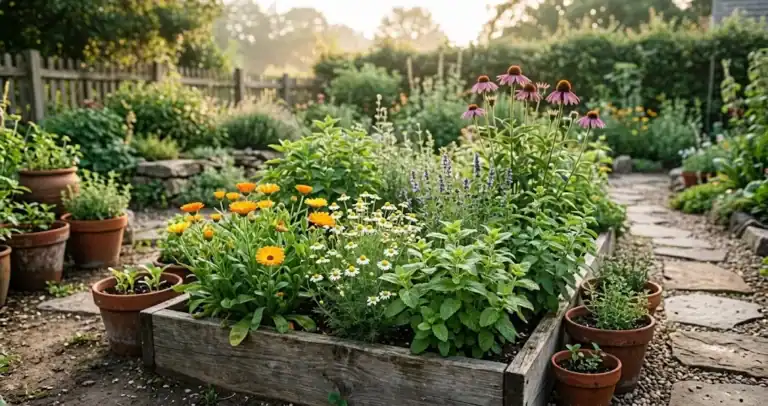
The U.S. Food and Drug Administration regulates dietary supplements as a category, but it does not test each product for safety and effectiveness the way it tests prescription drugs. Manufacturers and distributors are responsible for evaluating safety and labeling before marketing, and the FDA can step in when public health concerns arise. Understanding the category matters, because the same plant used in tea can show up in a supplement at a much higher dose, and higher doses carry higher risks. If you want to keep a fresh supply on hand, see how to grow a small herb garden.
Common herbs worth knowing
A short list of herbs and plants shows up again and again in research reviews and traditional healing systems, and many of them have a long record of addressing specific health conditions. The plants below are not ranked by strength, and they are not a substitute for medical care. They are a starting point for understanding what the evidence shows these may help with and where the limits sit.
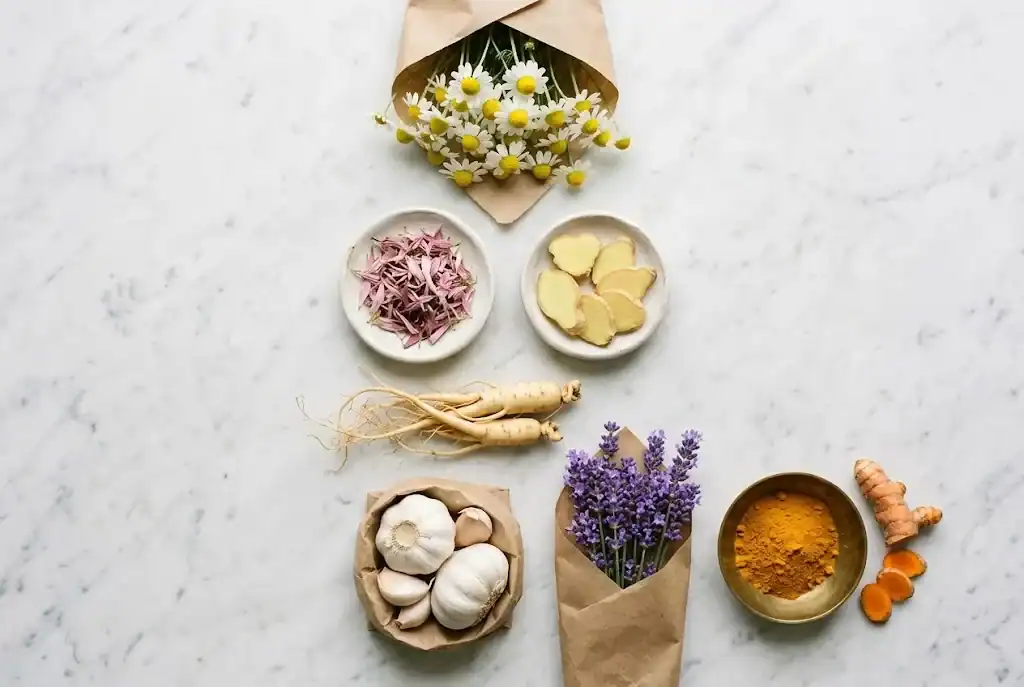
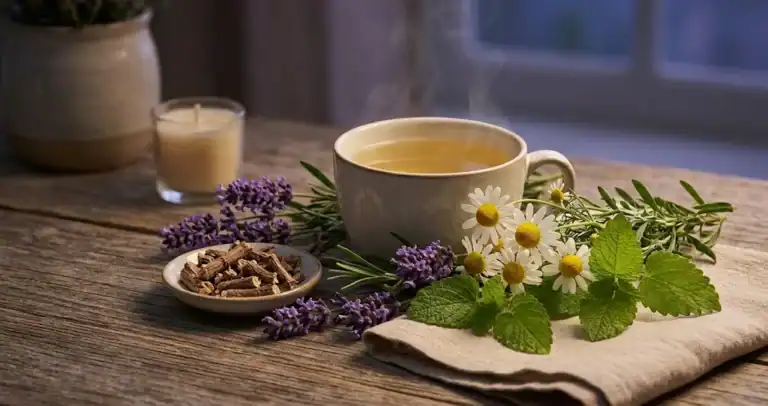
Chamomile (Matricaria chamomilla) was described in ancient Egyptian, Greek, Roman, and Chinese medical writings, according to NCCIH, and has a long record of medicinal use including as a calming tea. Preliminary studies suggest an extract may soothe mild generalized anxiety, but the herb alone has not been shown to relieve digestive symptoms, and the evidence on insomnia is thin.
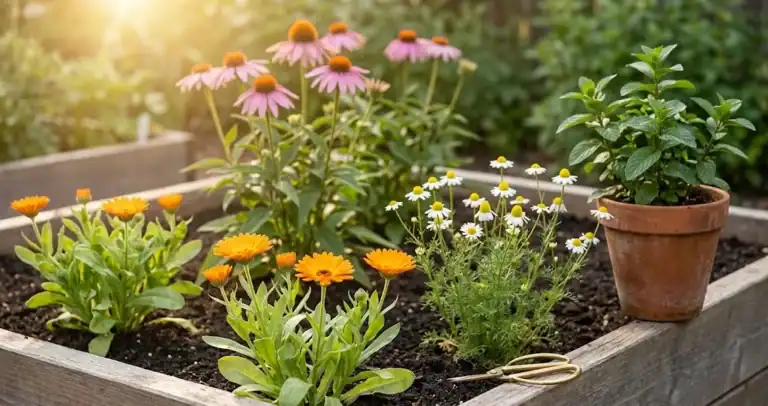
Echinacea (E. purpurea) is widely taken at the first sign of a cold. NCCIH’s review finds this herb may slightly reduce the chance of catching one, though it is still unclear whether it shortens the illness. Short-term use of E. purpurea is likely safe for most adults, but the herb is not a cure for viral respiratory infections.
Ginger (Zingiber officinale) is one of the better-studied roots. According to NCCIH, ginger may help with nausea and vomiting associated with pregnancy, while most studies of ginger for motion sickness have not shown a benefit. Some research suggests ginger dietary supplements might help reduce inflammation and the severity of menstrual cramps and might also help symptoms of knee osteoarthritis, though much of that research has been of poor quality.
Garlic (Allium sativum) has a long folk record for heart and circulation support. NCCIH notes that garlic supplements may lower total and LDL cholesterol to a small extent in people with high cholesterol, may lower blood pressure to a small extent in people with high blood pressure, and may lower blood sugar to a small extent in people with diabetes, though results vary. Garlic is a flavorful addition to food regardless. Taking garlic supplements may increase bleeding risk, and garlic in amounts greater than food amounts may not be safe during pregnancy.
Ginkgo biloba is taken for memory and circulation. NCCIH’s review of ginkgo finds there is no conclusive evidence that ginkgo helps any health condition, including memory or cognitive function, though modest or inconsistent benefits have been reported for dementia symptoms at higher doses. Ginkgo may increase bleeding risk in people taking anticoagulant drugs and may be unsafe during pregnancy because it might cause early labor or extra bleeding during delivery.
Ginseng (Panax ginseng) is a mainstay of traditional Chinese medicine and one of the more studied plant-based remedies. NCCIH’s review notes that a small amount of research suggests Asian ginseng may help with general fatigue and certain cardiometabolic factors in people with prediabetes or diabetes, and short-term oral use in recommended amounts appears safe for most adults, though questions remain about long-term safety and use during pregnancy.
Lavender (Lavandula) essential oil is widely used for stress and sleep. NCCIH notes that oral lavender oil may be helpful for anxiety in small studies, though it is unclear whether aromatherapy with lavender oil actually helps anxiety, stress, sleep quality, or insomnia. There are theoretical reasons to suspect lavender might interact with sedative drugs or herbs, which is especially relevant if you have an upcoming surgical procedure.
Turmeric (Curcuma longa) contains curcumin, which has documented antiinflammatory and antioxidant properties. NCCIH notes that curcumin is poorly absorbed on its own, and combining it with piperine from black pepper is one way to improve bioavailability. Initial evidence on turmeric for knee osteoarthritis pain is positive, though higher-quality evidence is still needed. Liver damage has been reported in some people taking turmeric products with increased bioavailability, and turmeric supplements may be unsafe during pregnancy.
Feverfew (Tanacetum parthenium) is a traditional migraine herb. NCCIH’s review finds that some research suggests feverfew may help prevent migraine headaches and reduce migraine frequency and symptoms such as pain, nausea, vomiting, and light and noise sensitivity, though results have been mixed. Feverfew may slow blood clotting and should be stopped at least two weeks before scheduled surgery. Do not take feverfew while pregnant because it may affect uterine contractions.
Categories of benefit these herbs are studied for
Most herbal plants are researched against a short list of health conditions rather than as general cures. Looking at them by category makes the picture easier to read.
Digestion. Peppermint, ginger, and fennel are the most studied herbs for digestive discomfort. According to NCCIH, peppermint oil has been used to treat gastrointestinal ailments for centuries, and peppermint oil in enteric-coated capsules may improve symptoms of irritable bowel syndrome. The American College of Gastroenterology has recommended peppermint oil for relief of overall IBS symptoms. Ginger is well supported for pregnancy-related nausea.
Sleep and calm. Valerian, passionflower, and lavender essential oil are common choices. NCCIH’s valerian review notes that evidence for valerian improving sleep is inconsistent, and the American Academy of Sleep Medicine recommended against valerian for chronic insomnia in adults. NCCIH’s passionflower review notes that oral passionflower may reduce anxiety symptoms before a surgical or dental procedure and may modestly improve total sleep time in adults with insomnia, but passionflower may interact with anesthesia and should be avoided before surgery unless a healthcare provider recommends it.
Immune support. Purple coneflower, elderberry, and ginseng are studied for their potential to boost the immune system, mostly in the context of the common cold and short-term illness. None of these herbs will prevent viral infections, and none should replace vaccines or standard care for serious illness.
Heart and circulation. Garlic, hawthorn, and ginkgo are the headline herbs here. NCCIH notes that hawthorn has been studied mostly for heart failure, with conflicting evidence and no quality evidence for heart disease, angina, or arrhythmias, and that some hawthorn products have been recalled by the FDA because they contained toxic yellow oleander rather than hawthorn. Studies on aged garlic extract for blood pressure and lipid levels show small effects, as described above.
Inflammation and joints. Turmeric, ginger, and boswellia are studied for inflammation-related conditions such as osteoarthritis. According to Memorial Sloan Kettering, boswellia extracts have shown benefit in patients with osteoarthritis in some studies, although data are conflicting. Boswellia may increase bleeding risk when taken with blood thinners. Effects tend to be modest and slow to build, and these are usually paired with standard care rather than used alone.
Mood. According to NCCIH, St. John’s wort (Hypericum perforatum) appears to be more effective than a placebo and as effective as standard antidepressant medications for mild or moderate depression, but it can interact in dangerous, sometimes life-threatening ways with prescription medicines, including some antidepressants, birth control pills, blood thinners, and drugs used to prevent seizures or to treat HIV and cancer. St. John’s wort may be unsafe during pregnancy and can cause severe skin reactions after sun exposure. Talk with a healthcare provider before using St. John’s wort if you take any prescription medicines.
How to use these herbs safely
Several of the herbs below have specific safety notes worth checking before regular use. NCCIH notes, for example, that garlic taken orally has been used safely in research studies lasting as long as seven years. A few simple habits keep you on the safe side of that line.
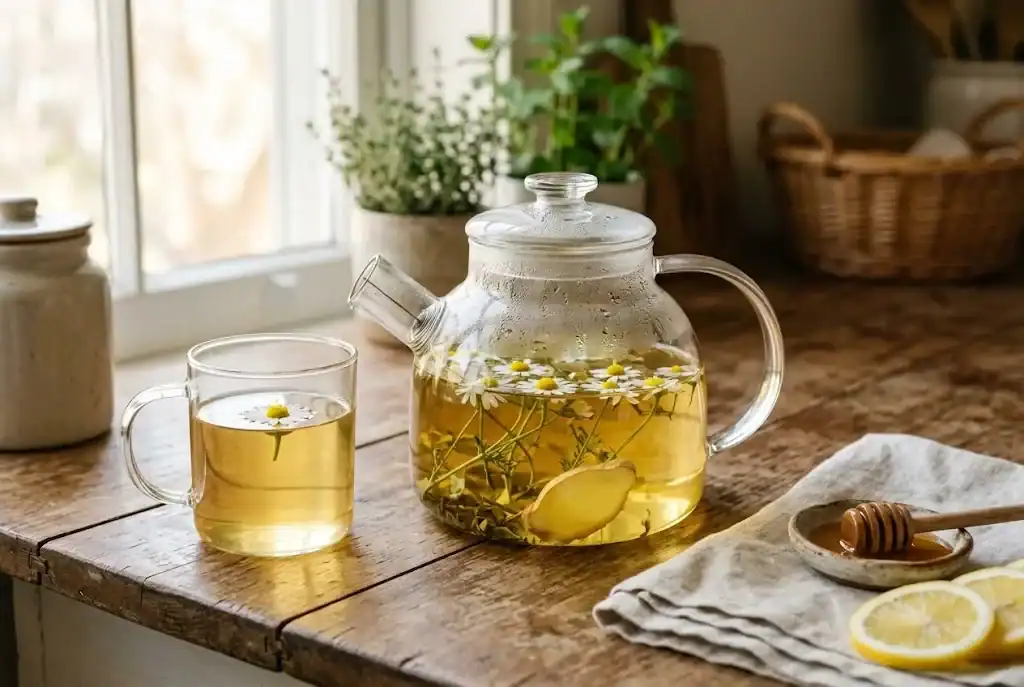
Start with food first. Ginger in a stir-fry, garlic in soup, chamomile steeped in a teapot, turmeric in a rice dish. Many culinary herbs contain volatile oils and polyphenols that contribute to their flavor and color, and several of these compounds have been the subject of specific research on antioxidant or antiinflammatory effects. If you want to move beyond a sprinkle of dried herb, look at how each has been studied for specific symptoms in clinical research before reaching for a high-dose capsule.
If you move to supplements, follow the dosage on the label and choose products verified by an independent quality program where possible. The FDA regulates dietary supplements as a category, but it does not test each product for safety and effectiveness the way it tests prescription drugs. Quality varies widely between herbal products, and labels sometimes underreport the active compounds or include fillers that dilute the intended effect.
Be aware that natural remedies and prescription medicines can interact. The list is long, but common examples include St. John’s wort and antidepressants, ginkgo and blood thinners, and grapefruit juice with several common heart medicines. If you take any prescription medicines, talk with your healthcare provider before taking any new herbal supplement, and revisit the conversation whenever your prescription list changes. Long-term use of herbal supplements deserves the same check-in as long-term use of any over-the-counter or prescription drug.

Who should be cautious with herbal remedies
Some people need extra care with medicinal herbs. Pregnant or breastfeeding people should treat any herbal supplement as worth a quick conversation with a provider, since several herbs are unsafe in pregnancy: NCCIH notes that feverfew, passionflower, ginkgo, and St. John’s wort should be avoided, while purple coneflower and ginger are studied for shorter-term use but still need a provider’s input. Children and older adults often process herbs differently and at lower doses, and NCCIH specifically advises talking with a child’s healthcare provider before giving them echinacea. People with chronic conditions, those preparing for surgery (feverfew should be stopped at least two weeks ahead per NCCIH, and ginkgo, garlic, and several other herbs can affect bleeding or interact with anesthesia), and anyone with a known allergy to plants in the daisy family, which NCCIH notes includes chamomile, coneflower, feverfew, and related plants such as ragweed and chrysanthemums, should also use caution.
When to see a healthcare provider
Medicinal herbs are a complement, not a substitute, for medical care. If a symptom is severe, getting worse, or not improving within a few days, talk with a healthcare provider. The same applies if you experience an allergic reaction, an unexpected side effect, or a new symptom after starting an herb. According to NCCIH, integrative health brings conventional and complementary approaches together in a coordinated way, so an integrative health practitioner who works alongside your regular clinician can be a useful resource for people who want to use herbs alongside standard treatment.
Bringing these herbs into your routine
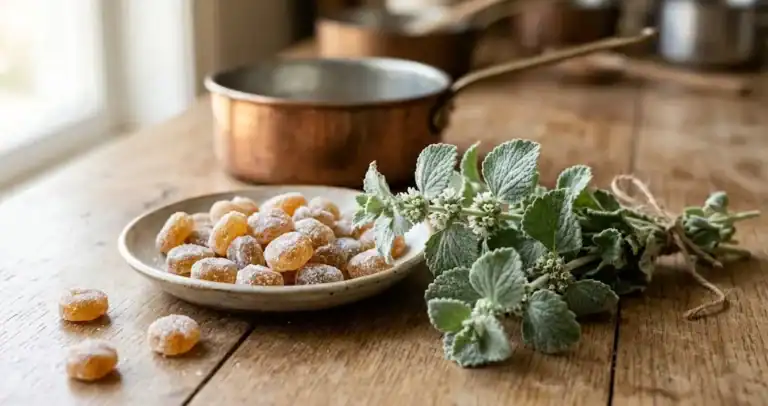
The simplest place to start is the kitchen. A pot of ginger tea after dinner, a sprig of fresh thyme in soup, an herbal infusion before bed, or a few leaves of fresh basil torn over tomatoes are all small ways plant-based remedies already appear in everyday cooking. From there, you can explore traditional recipes like horehound candy for a hands-on introduction to plant-based remedies.
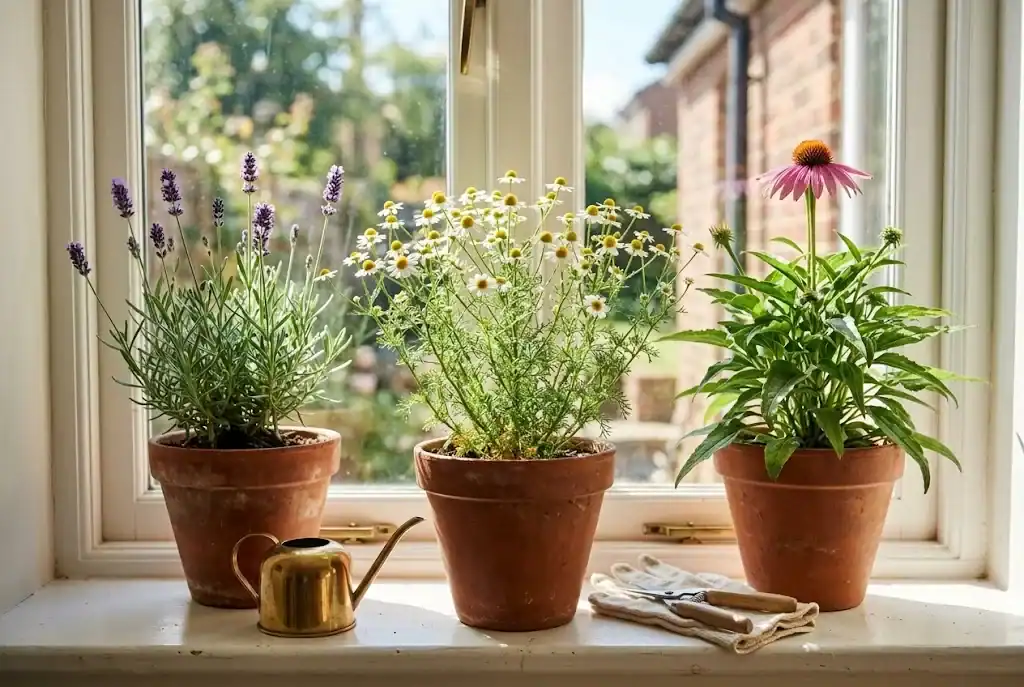
Used thoughtfully, medicinal herbs can be a quiet, useful part of a healthy routine. Pair them with a balanced diet, good sleep, regular movement, and the guidance of a qualified professional when symptoms matter.
To keep your supply fresh and the gardening habit simple, see the wider benefits of growing medicinal herbs at home, and let well-tended plants earn their place in the kitchen and well beyond.