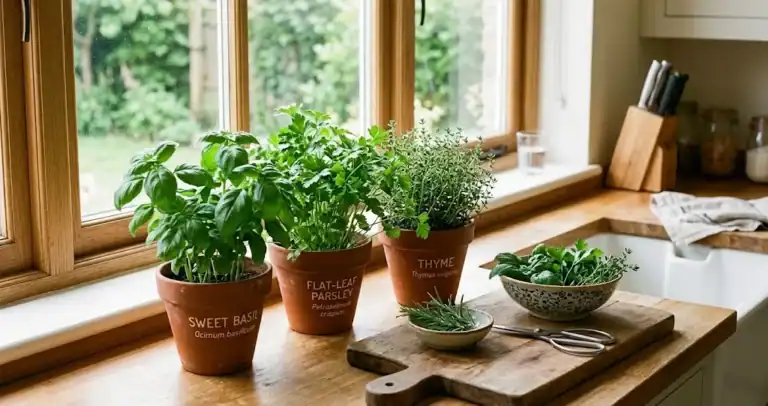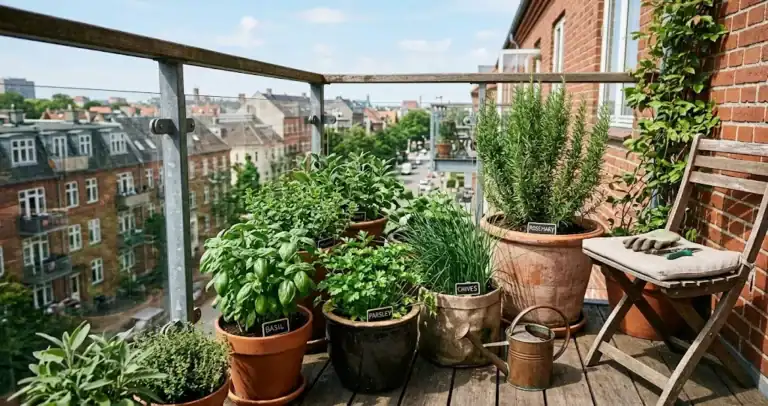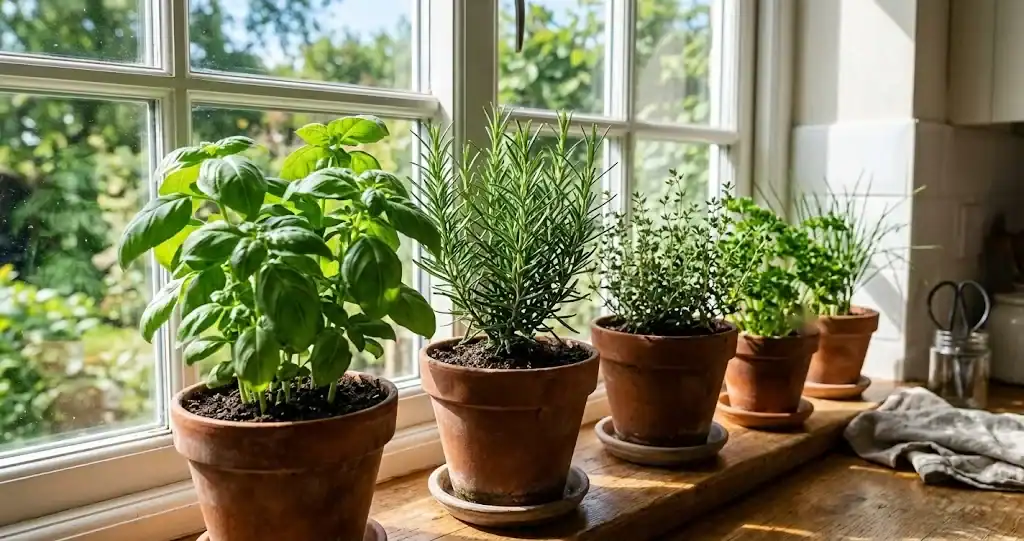
Few kitchen experiences compare to snipping fresh basil directly over a simmering tomato sauce or stripping tender marjoram leaves into warm roasted vegetables. Keeping an indoor herb garden changes how you cook, bringing vibrant flavor, rich aroma, and living green beauty right to your kitchen counter. For home cooks and plant enthusiasts alike, growing herbs indoors provides a practical way to enjoy garden-fresh ingredients every day, regardless of the weather outside or whether you have an outdoor yard.
Whether you tend a sunny windowsill collection or a dedicated shelf under a modest grow light, cultivating your own indoor herbs solves everyday kitchen dilemmas. When growing an indoor herb garden, matching different herbs to your kitchen light conditions ensures sturdy stems and rich flavor. You avoid expensive supermarket packages that turn dark and slimy before you can finish them, and you gain total control over how your culinary herbs are raised. You also have the freedom to raise certified organic herbs completely free from commercial pesticides. Exploring the core benefits of growing your own herbs highlights why this rewarding habit has become a favorite kitchen project for beginners and seasoned cooks.
Peak Flavor and Instant Culinary Convenience
The foremost advantage of an indoor herb garden is immediate access to peak flavor. Commercial herbs in grocery stores are harvested days or weeks in advance, packaged in plastic, and shipped under refrigeration. By the time they reach your refrigerator crisper drawer, fragile aromatic compounds and volatile essential oils have already begun degrading. In contrast, freshly picked herbs harvested moments before serving deliver intense flavor, crisp texture, and enticing fragrance that dried herbs or packaged sprigs cannot match. Using fresh herbs rather than dried flakes elevates everyday cooking with vibrant color and bright taste.
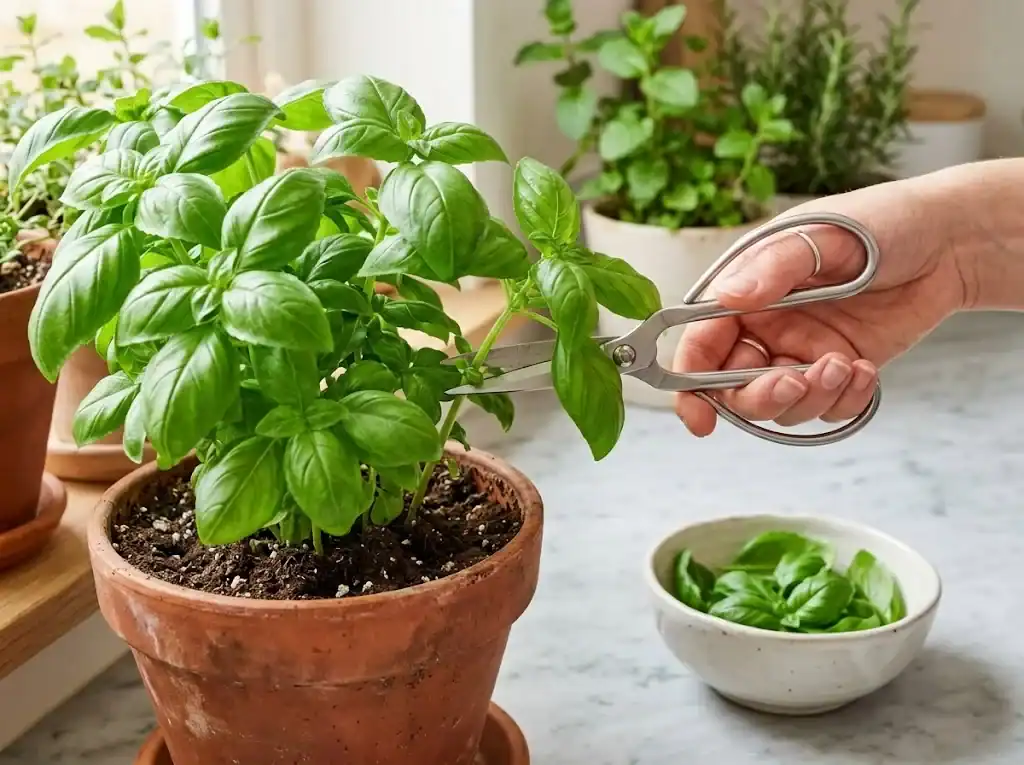
Having fresh herbs within arm’s reach also transforms daily recipe preparation. Instead of planning meals around what produce is expiring, you can clip precisely the amount of sage, oregano, or parsley your dinner requires. A quick snip of chive onto morning eggs or a sprig of fresh mint in sparkling water requires no trip to the grocery store. When you decide to grow herbs for everyday cooking, seeing the value of growing your own supply makes the kitchen rewards immediately clear.
Lower Grocery Bills and Zero Kitchen Waste
Anyone who cooks regularly knows the frustration of buying store-bought herbs. A typical recipe may call for two sprigs of tarragon or a tablespoon of chopped sage, but supermarkets sell oversized plastic clamshells for several dollars each. Most home cooks use a tiny fraction of the bundle, leaving the rest to spoil at the back of the fridge. This pattern wastes both money and food on a weekly basis.
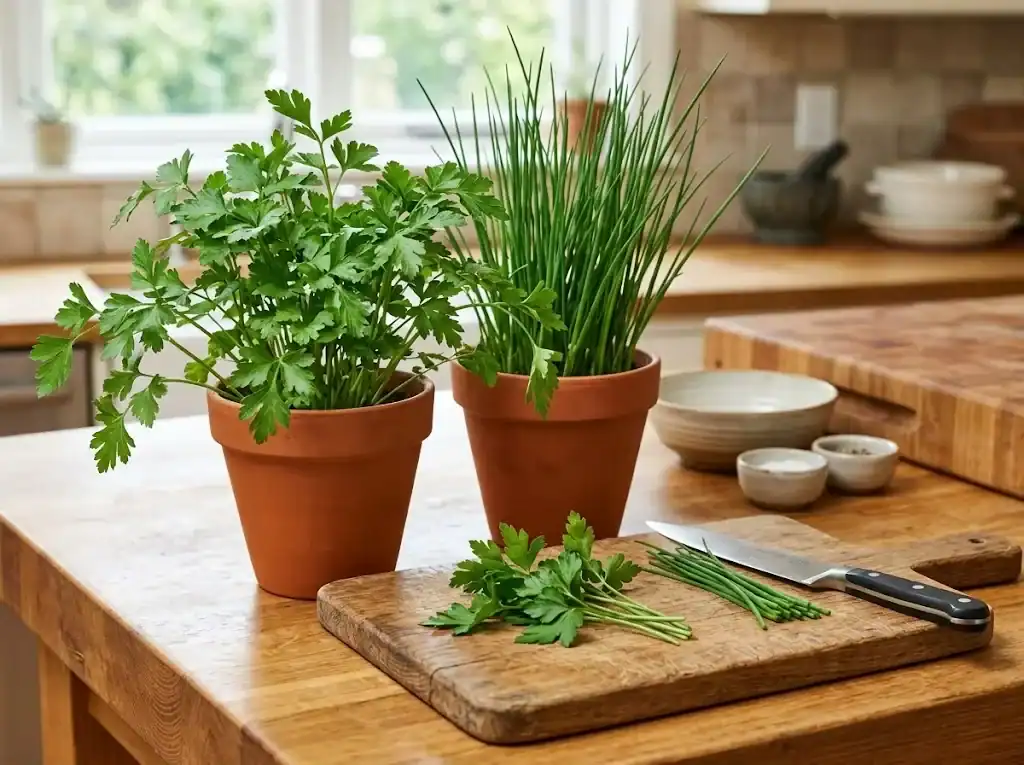
An indoor garden completely halts this wasteful cycle. Living herb plants act as a perpetual pantry: they continue producing new growth week after week while you harvest only what you need. A single healthy starter pot of parsley or chives often costs less than one plastic container of cut sprigs from the produce aisle, yet it yields fresh clippings for months. Over a single growing season, this sustainable habit saves significant grocery money while eliminating unnecessary single-use plastic packaging from your household waste stream.
Year-Round Growing and Total Weather Independence
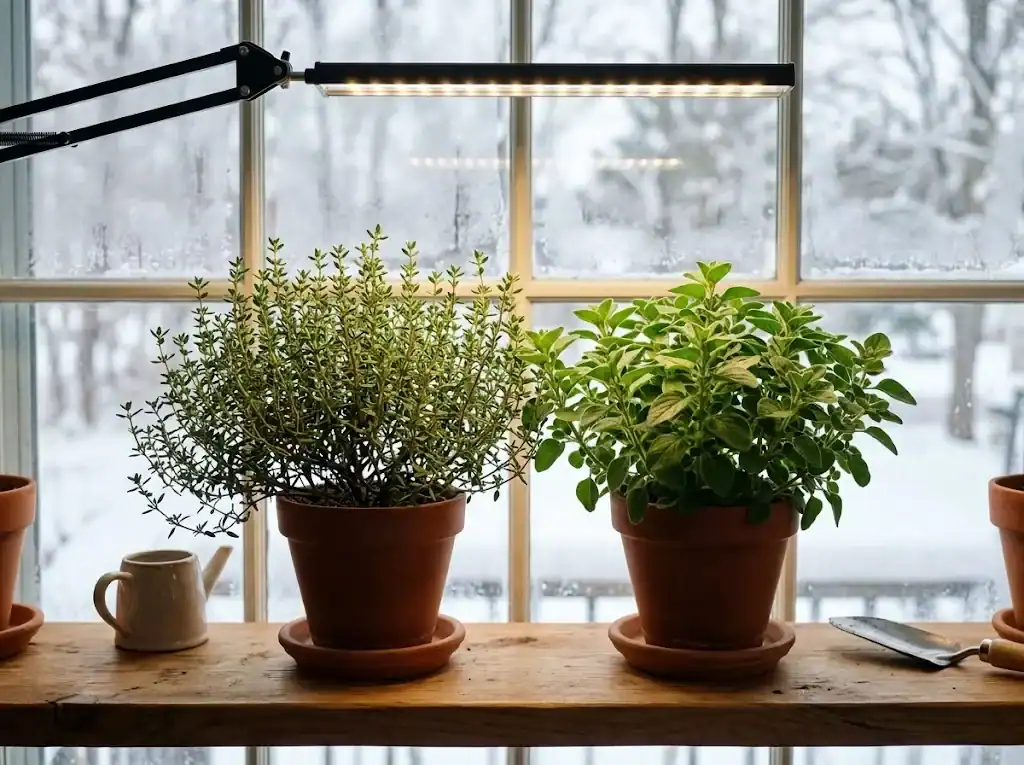
Outdoor gardening is tied to regional seasons, frost dates, and unpredictable summer storms. When autumn temperatures drop and outdoor beds freeze, traditional herb harvesting halts until spring. Unlike outdoor herb gardens that succumb to winter frost, growing inside creates a protected microclimate that shields your plants from scorching heat waves, torrential rains, hailstorms, and freezing cold. Maintaining an indoor herb garden offers predictable growing conditions twelve months a year.
This weather independence is especially beneficial for urban dwellers, apartment residents, and anyone lacking a private backyard. Compact containers allow you to cultivate a productive vegetable garden companion on a kitchen island, countertop, or sunny windowsill. If you are assessing your home environment, reviewing essential guidelines for setting up your indoor growing area helps ensure your selected containers receive the air circulation, warmth, and drainage they need to thrive through winter.
Enhanced Home Atmosphere and Living Greenery
Beyond culinary and financial advantages, indoor plants contribute tangible aesthetic and psychological warmth to living spaces. Fragrant selections such as lavender, rosemary, and mint release soothing natural aromatics whenever their foliage is brushed or trimmed. Unlike purely decorative houseplants, an indoor herb garden provides interactive greenery: you nurture the foliage, admire its lush growth, and harvest its bounty to nourish your household.
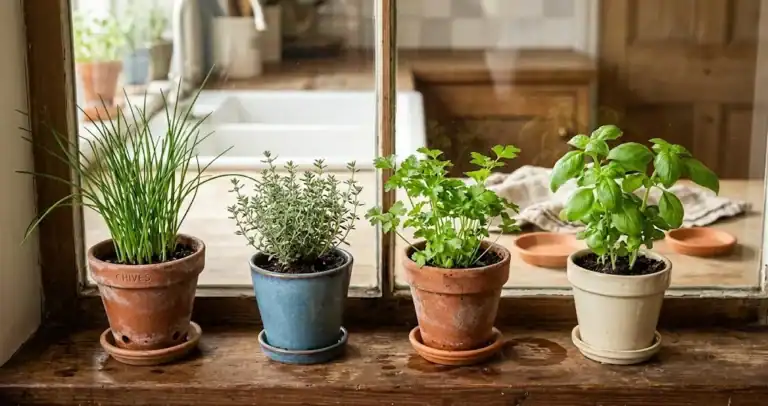
The daily ritual of watering, pruning, and checking soil moisture offers a grounding pause in a busy routine. Beyond the practical harvest, many home cooks simply enjoy the quiet routine of caring for something that grows and changes each week. Furthermore, a row of tidy terracotta pots creates a welcoming, vibrant focal point in kitchens, dining areas, and sunny living rooms.
Choosing the Best Herbs for Home Cultivation
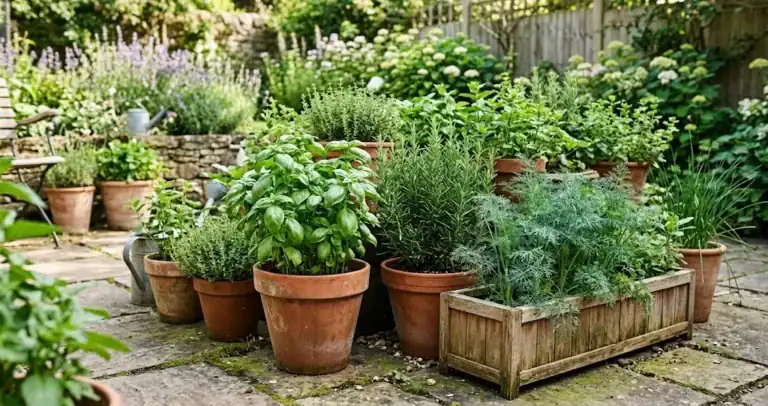
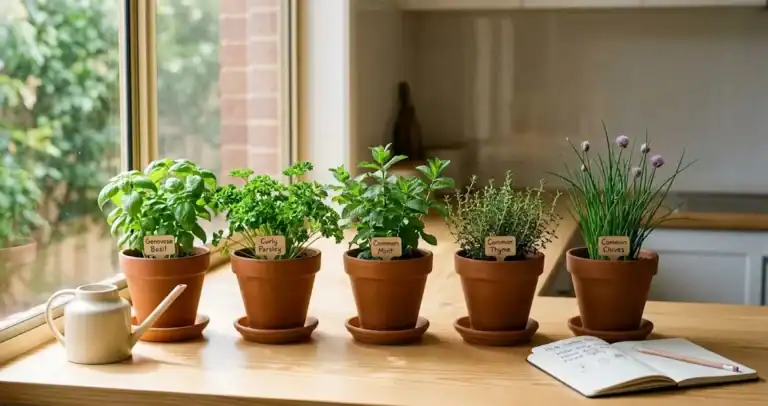
Not all plants adapt equally well to container life. Selecting resilient, forgiving varieties ensures a positive experience for any beginner gardener. Mediterranean perennials and vigorous annuals generally adapt best to container culture when given adequate sunshine and well-draining potting soil:
- Basil (Ocimum basilicum): A warmth-loving annual that relishes bright light and consistent moisture. Regular pinching encourages bushy branches and prevents premature flowering.
- Thyme (Thymus vulgaris): A durable perennial that thrives in gritty potting mix and tolerates drier household air between moderate waterings.
- Parsley (Petroselinum crispum): Available in flat-leaf and curly varieties, parsley grows reliably in deep pots and yields continuous cuttings for soups, salads, and stocks.
- Oregano (Origanum vulgare): A hardy culinary favorite that prefers full sun and well-aerated soil, drying slightly between watering sessions.
- Chives (Allium schoenoprasum): Exceptionally easy to grow in small containers, offering delicate onion flavor from slender hollow spears that regrow rapidly after cutting.
- Rosemary (Salvia rosmarinus): A woody evergreen herb requiring sharp drainage and maximum sunshine; avoid overwatering to protect root health.
For gardeners eager to explore broader cultivation principles across varied plant families, consulting a comprehensive beginner guide to growing an herb garden provides structured guidance on seasonal pacing, potting mixes, and potting techniques.
Essential Care: Light, Soil, and Drainage
Succeeding with culinary herbs on a windowsill requires meeting three fundamental environmental requirements: sufficient light, proper potting mix, and vigilant watering management. Inadequate care in these areas accounts for nearly all beginner frustrations.
Providing Ample Light
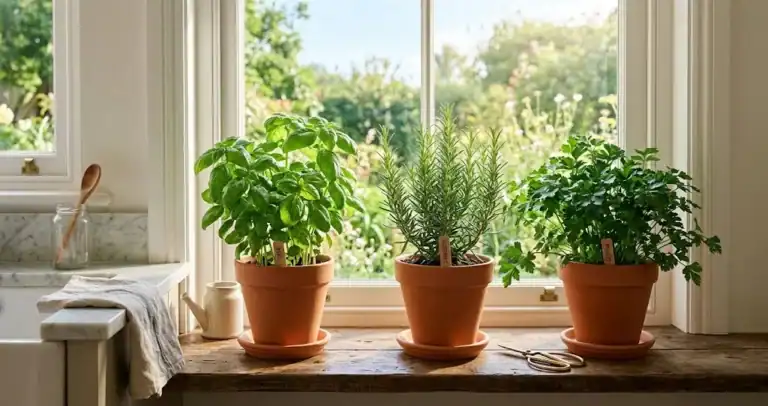
Culinary herbs require between six and eight hours of direct sunlight each day to maintain compact growth and concentrated essential oils. A south-facing or unobstructed west-facing window is ideal. If your home lacks sufficient natural sunshine, placing plants beneath a full-spectrum LED grow light for 12 to 14 hours daily compensates effectively, preventing weak, leggy stems. To encourage uniform growth, rotate pots often so every side receives even exposure.
Soil Mix and Proper Containers
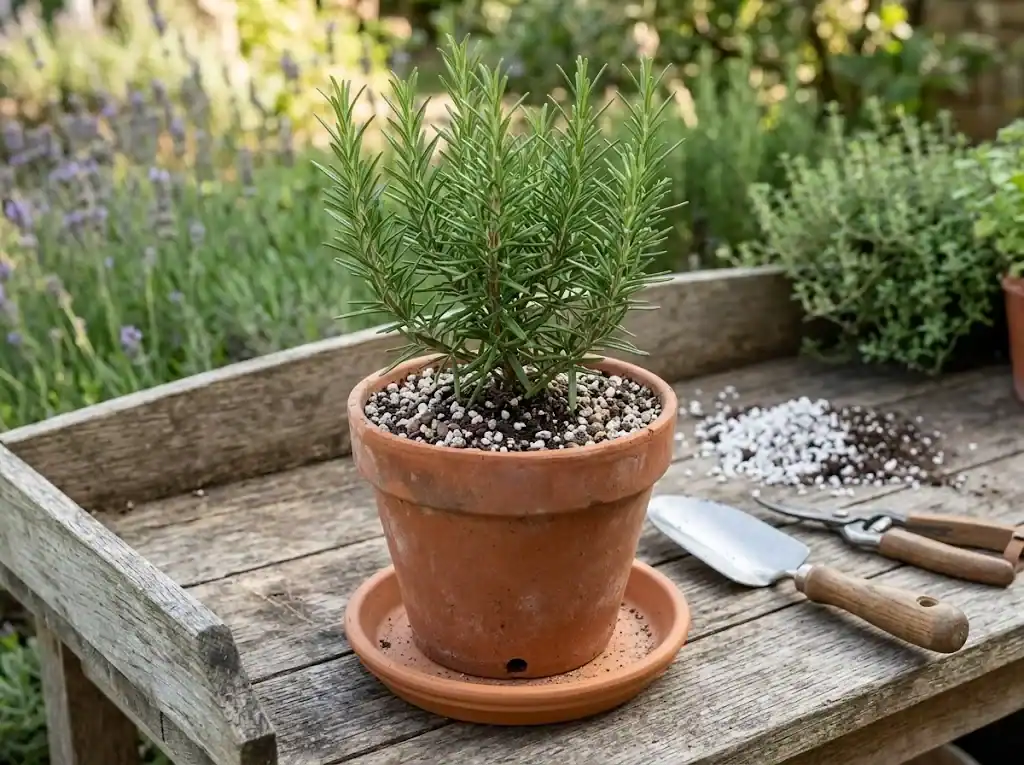
Never scoop heavy garden soil into pots and planters. Heavy dirt compacts easily in pots, suffocating roots and impeding drainage. Always select a high-quality, lightweight potting mix enriched with perlite or coarse sand. Give each root system ample space to grow, and ensure every pot features functional drainage holes; standing water in saucers is the primary cause of root rot in container herbs.
Balanced Watering Practices
Overwatering kills far more potted herbs than underwatering. Check soil dampness by pressing your fingertip one inch into the soil surface before watering. If the mix feels cool and moist, wait another day. When watering, apply room-temperature water thoroughly until it trickles through bottom holes, then empty drainage saucers promptly. In heated winter rooms with dry air, setting pots on a tray or pan of moist pebbles provides a gently humid environment without soaking roots.
Frequently Asked Questions
Do potted kitchen gardens attract pests and insects?
Healthy container herbs rarely suffer severe pest infestations. However, common household pests such as fungus gnats, spider mites, or aphids can occasionally hitchhike on outdoor plants or damp potting soil. Prevent pest problems by inspecting new starter plants carefully, avoiding waterlogged soil, and ensuring good air circulation around foliage.
Can you grow culinary herbs inside all year long?
Yes. Perennial herbs like thyme, oregano, and rosemary live for multiple years in containers when provided with enough light and warmth. Annuals like basil may need replanting once or twice a year to maintain tender, vigorous foliage.
How much does starting an indoor herb garden cost?
A basic starter setup consisting of three small pots, a bag of potting mix, and three healthy nursery seedlings typically costs between twenty and thirty dollars. Because fresh herbs produce continuously, this investment pays for itself within just a few months of grocery savings.
Sources and Further Reading
- Penn State Extension: Growing Herbs Indoors
- University of Minnesota Extension: Growing Herbs Indoors