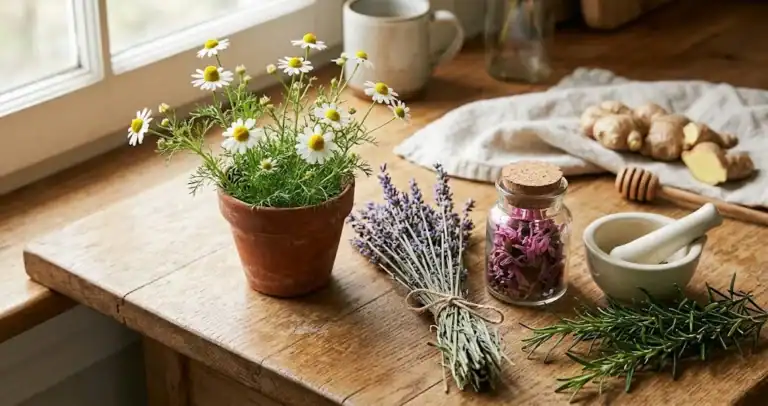
Growing medicinal herbs starts with the same foundations as any successful herb garden: enough light, well-drained soil, sensible plant choices, and regular observation. The useful difference is intention. You are choosing plants you want to know well, harvest carefully, and use responsibly, rather than trying to fill every inch of garden space at once.
A small medicinal herb garden can begin with three or four reliable plants in pots, a raised bed, or a sunny border. Start with herbs you genuinely enjoy tending and can identify with confidence. This guide focuses on cultivation, not diagnosis or treatment. The garden can support careful learning about plants, but it is not a substitute for clinical care or a shortcut to herbal remedies.
Start with a clear plan for your medicinal herb garden
Before buying seeds, decide where the plants will live and how much care you can give them during the growing season. Many garden herbs need at least six hours of direct sunlight, although a few, including lemon balm and mint, cope with lighter conditions. A kitchen garden close to the door makes watering, harvesting, and checking for pests much easier.
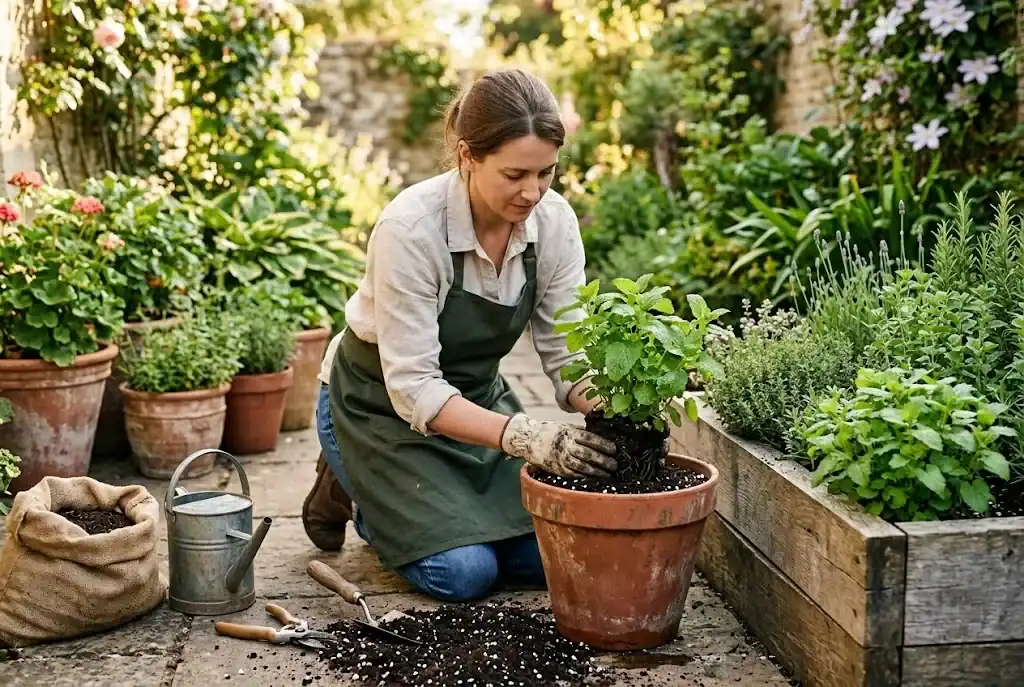
Choose one growing method: containers, garden beds, or raised beds. Containers are excellent for a first herb gardener because you can control the soil mix and move pots as the light changes. Garden beds give perennial herbs room to mature. Raised beds help where native soil drains poorly or is compacted. Whatever you choose, make sure excess water can escape. Roots that sit in soggy soil struggle before the leaves show any problem.
Think of this as a growing project, not an attempt to grow your own medicine cabinet. For a broader introduction to herbs used for more than flavor, explore the cluster guide after you have settled the gardening basics.
Easy medicinal herbs to grow first
The best medicinal herbs to grow are the ones that match your climate and garden space. Begin with familiar, easy-to-grow plants, then add more unusual plants after one successful season. These six give a beginner a varied, manageable start.
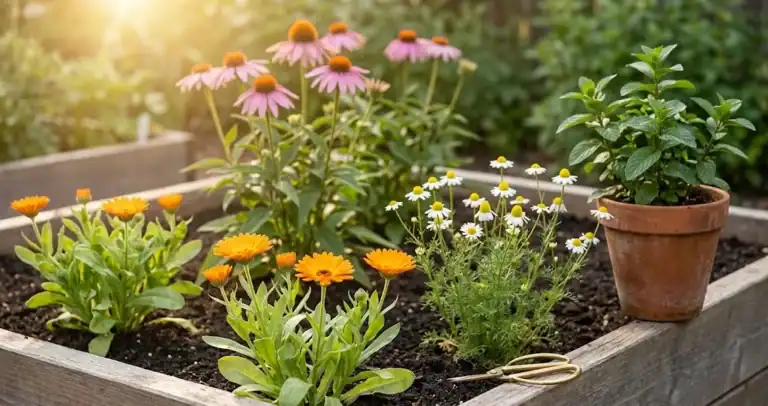
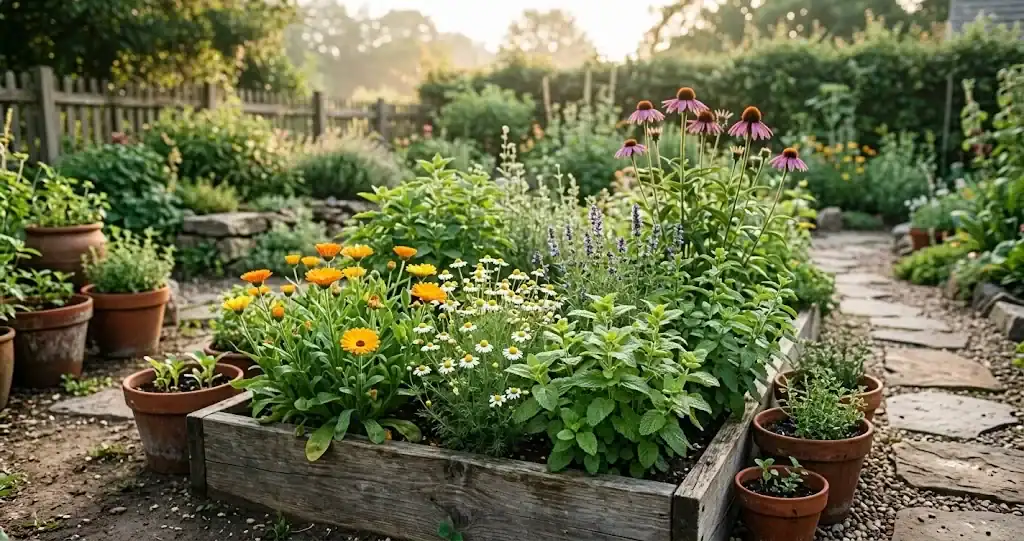
- Calendula is an annual with bright flowers. Sow it after hard frost in a sunny bed or pot, deadhead regularly, and save a few flower heads if you want it to self-sow.
- Chamomile has delicate daisy-like flowers and needs a bright site with freely draining soil. It is a good choice for a small garden, but check the seed packet because German chamomile is annual while Roman chamomile is perennial.
- Lemon balm (Melissa officinalis) is a fragrant plant that grows vigorously. Give it a contained space, trim it often, and divide established clumps when they outgrow their spot.
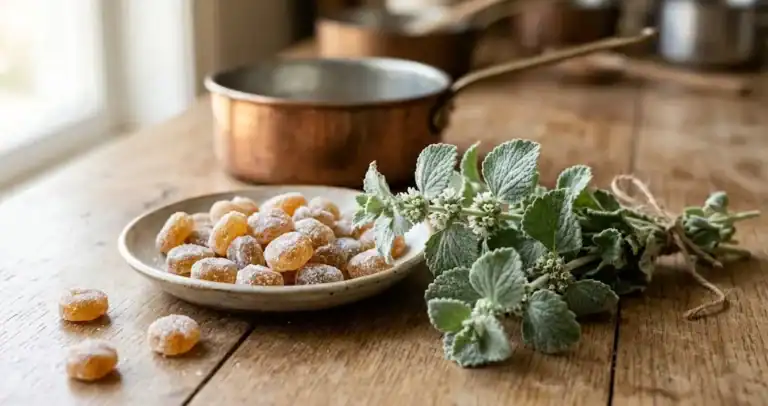
- Peppermint is another vigorous plant. Keep it in a pot unless you want it to travel through the garden beds.
- Hyssop (Hyssopus officinalis) forms an aromatic, upright plant and appreciates sun and drainage. Its flower spikes also bring useful pollinator activity to the garden.
- Echinacea is a long-lived garden plant for sunny borders. It takes patience to establish, but returns year after year once settled.
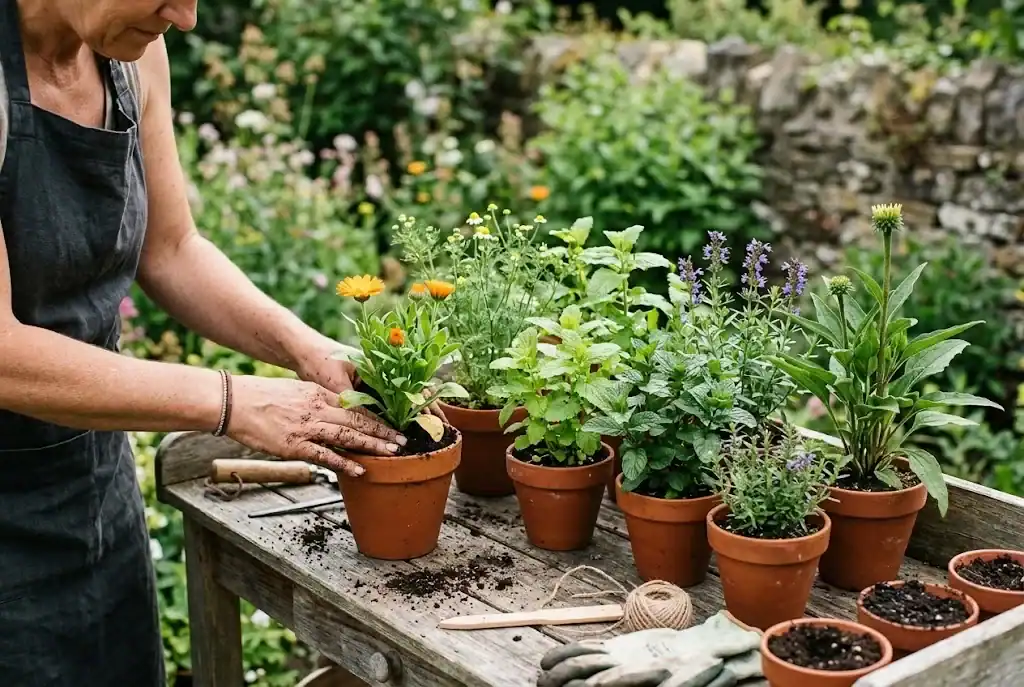
Yarrow (Achillea millefolium), borage, catnip, feverfew, valerian, and elecampane can be rewarding additions when you have the space and have checked their mature size. Do not plant a large collection just because a list calls them helpful herbs. A short list that you can label, care for, and harvest well is the stronger beginning.
Match each plant to light, soil, and space
Most herbs grow well in ordinary garden soil improved with compost, provided it drains well. Work in organic compost before planting, but do not overfeed. Heavy fertilizer can produce soft, leafy growth with less fragrance and more pest trouble. Mediterranean herbs generally prefer leaner, drier ground; moisture-loving herbs tolerate richer soil.
Check the final width as well as height. Lavender, sage, and echinacea need breathing room. Low-growing chamomile can fill the front of a bed. Mint and some plants native to your region may spread more enthusiastically than expected. Use labels from day one, including the botanical name when possible, so you do not confuse lookalikes at harvest time.
If your soil is persistently wet, use containers or raised beds rather than trying to force every plant into the same patch. Good drainage, direct sunlight, and airflow solve more problems than frequent interventions.
Grow from seed or start with transplants
Herbs from seed are economical and let you grow varieties that local nurseries may not carry. Read the packet before sowing. Some seeds need light for germination, while others need a light covering of soil. Do not cover the seeds more deeply than the instructions recommend. Keep the seed-starting mix evenly moist, not saturated, and give seedlings bright light as soon as they germinate.
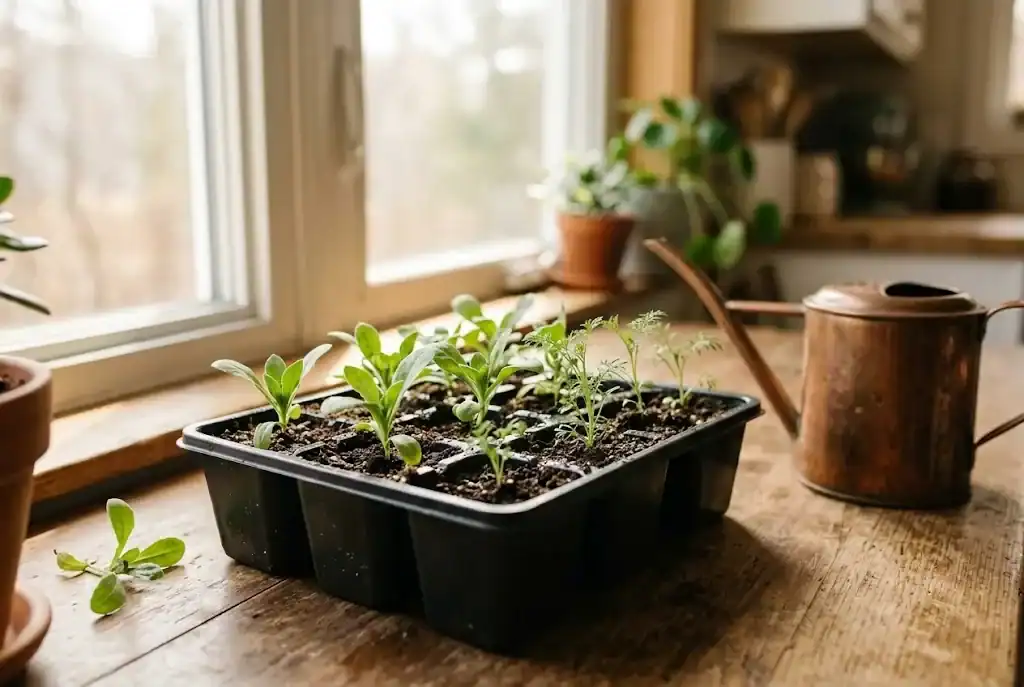
Transplants are the easier route when you want a quick, confidence-building start. Plant after the local frost date, loosen circling roots, water them in, and protect new plants from a sudden heatwave or cold night. Whether you begin with seed starting or nursery plants, harden indoor-grown seedlings off gradually before placing them outside full time.
A few plants are better bought from reputable growers than collected from the wild. This is especially important for plants with toxic lookalikes or for species whose botanical identity matters. A complete botanical label is essential.
Care for herbs without overcomplicating it
Water newly planted herbs consistently until roots establish. After that, check the soil with a finger before watering. A container may need water every day in hot weather, while a rooted perennial in the ground may need far less. Morning watering keeps leaves dry for the rest of the day.
Mulch lightly around plants to moderate soil moisture, but leave a little open space around crowns. Pinch annuals such as basil before flowering if you are growing the leaves. Remove damaged growth, watch for chewing insects, and use the least disruptive response that suits the problem. A healthy spacing plan and clean tools are more valuable than routine spraying.
Keep a simple notebook with sowing dates, varieties, weather observations, and what succeeded. This is how a beginner becomes a confident gardener. The notes will show you which medicinal herbs like your own conditions, not just what worked in someone else’s garden.
Harvest and store with the plant in mind
Harvesting is part of growing medicinal herbs, but the right time depends on the plant and the part you plan to keep. For leafy herbs, take clean, healthy stems after dew has dried and before the plant is stressed by midday heat. For flowers such as calendula, pick open blooms regularly. Never remove more than about one-third of a healthy plant at one time.
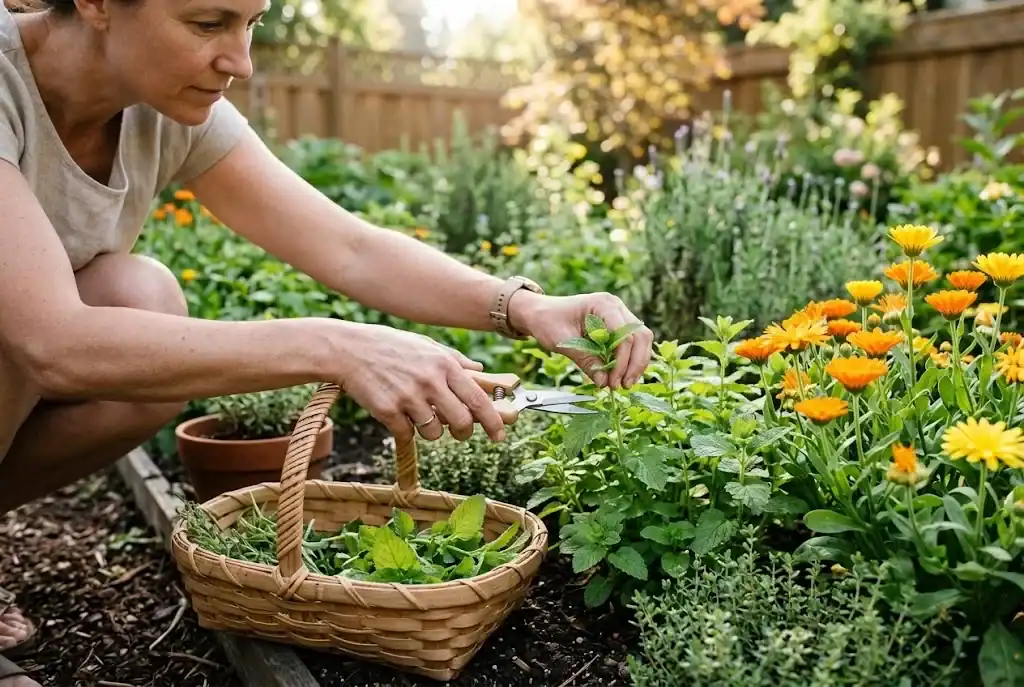
Use clean snips and a basket rather than crushing leaves into a tight bag. If you plan to dry herbs, spread them in a warm, airy place out of direct sun until they are fully dry, then store them in labelled, airtight containers. Record the plant name, part used, and harvest date. Avoid making a tincture, tea, or other concentrated preparation from a plant you cannot identify with certainty.
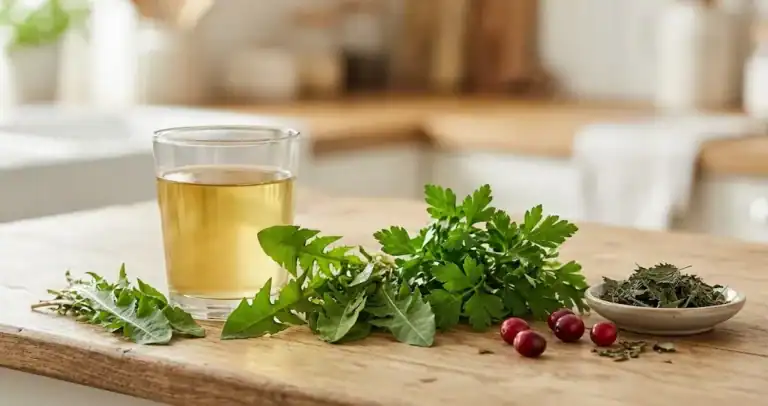
Readers who want to focus on infusions can continue with our guide to growing herbs for tea. It covers that narrower garden purpose without turning this general guide into a tea-growing article.
Use a safety-first approach
Medicinal is a description of traditional and contemporary use, not a promise of effectiveness or safety. Plants and herbal products can interact with medicines, and concentrated extracts are not the same as culinary use. The National Center for Complementary and Integrative Health provides evidence-based herb safety information. If you are pregnant, breastfeeding, managing a health condition, preparing for surgery, or taking prescription medicine, ask a qualified clinician or pharmacist before using an herb in a concentrated preparation.
Do not use a garden as a substitute for medical care. Seek professional help for urgent, severe, persistent, or worsening symptoms. This caution is especially important with plants such as St John’s wort, also written as hypericum, because “natural” does not mean risk-free.
Frequently asked questions about growing medicinal herbs
What are the easiest medicinal herbs to grow?
Calendula, lemon balm, peppermint, and catnip are approachable choices for many beginners. Pick only two or three for the first season, based on your sunlight and available space.
Can I grow medicinal herbs in containers?
Yes. Use pots with drainage holes, a good-quality potting mix, and a size that fits the plant’s mature roots. Containers are particularly useful for spreading plants such as mint.
When should I harvest medicinal herbs?
Harvest healthy growth when the plant is dry and vigorous, then follow plant-specific guidance for leaves, flowers, roots, or seed. Good identification and gentle harvesting matter more than a single universal date.
What is the most powerful healing herb?
There is no responsible single answer. Different plants have different histories, constituents, risks, and evidence. Choose plants for your garden because they fit your conditions and you can use them safely, rather than chasing a claim about “power.”
Growing your own herbs is a gradual practice. Start small, cultivate carefully, and let one well-tended season teach you what to plant next.