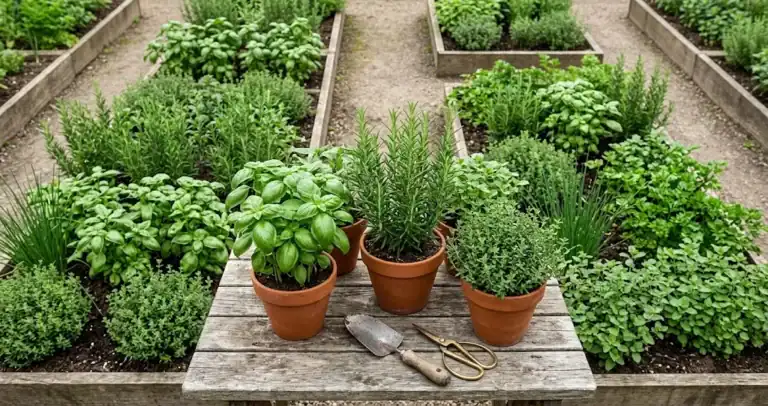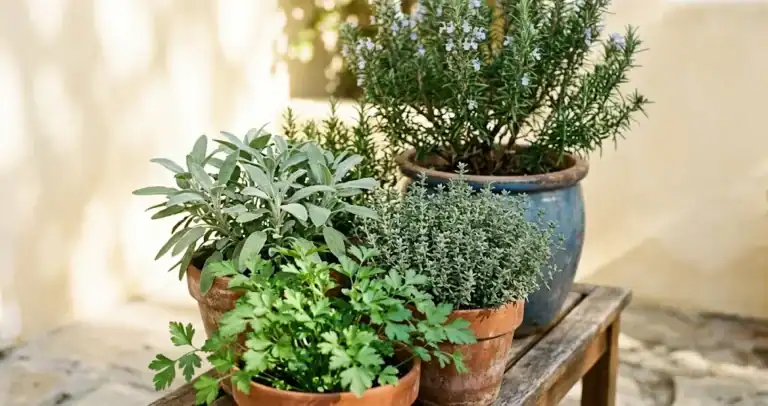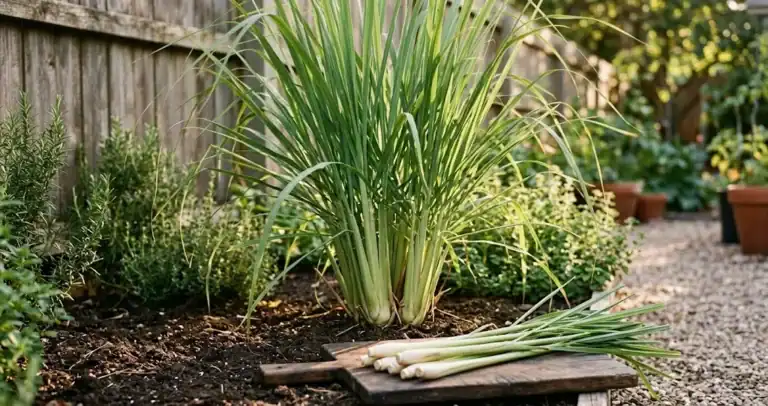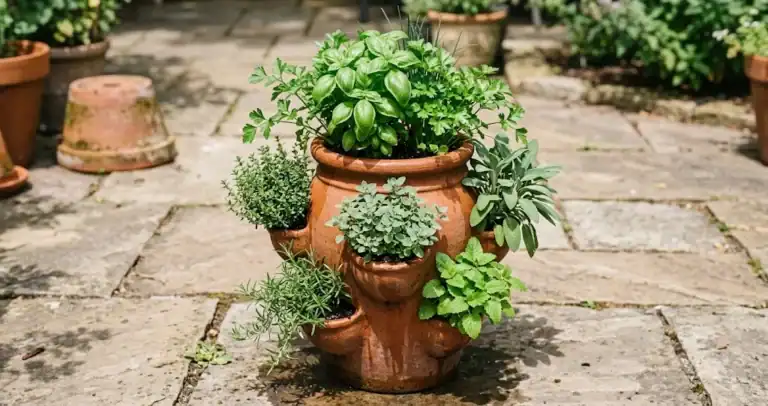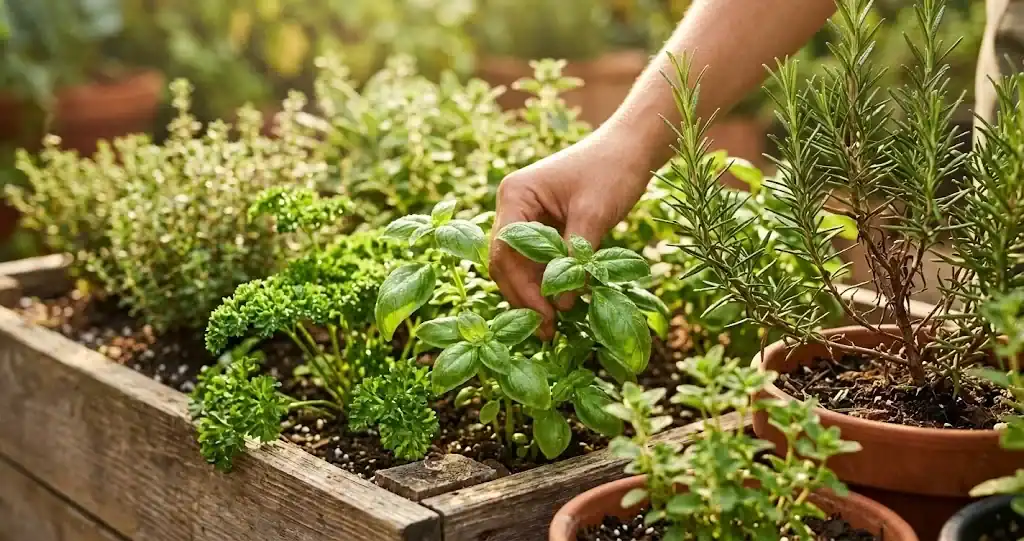
When you grow your own herbs, having fresh culinary flavors right outside your kitchen door brings unmatched vitality to your cooking. Cultivating a beautiful herb garden gives you everything you need to enhance everyday meals with fresh herbs, but keeping plants vigorous across the entire growing season requires a few steady habits. Whether you nurture a small raised bed in a backyard garden, grow herbs in containers on a sunny patio, or tend a few pots on a bright kitchen windowsill, practical care makes all the difference. When you understand the basic requirements of sunlight, soil drainage, watering, and pruning, your herb plants will reward you with abundant harvests week after week.
Every home gardener can succeed with herbs because most popular kitchen herbs are remarkably resilient and easy to grow. However, treating every single herb plant with the exact same routine often leads to disappointing results. A Mediterranean perennial like rosemary has very different moisture and fertility needs than a tender annual like basil or cilantro. If you are laying out a new space or want to start growing from scratch, our guide to growing an herb garden covers garden bed design, soil preparation, and site selection in detail.
Understanding Sunlight and Temperature Needs for Garden Herbs
Light is the primary engine that drives essential oil production and rich aroma in culinary plants. Most herbs need at least six hours of direct sunlight per day, and many Mediterranean varieties prefer six to eight hours of sunlight to maintain compact growth and strong flavor. When plants receive inadequate light, their stems stretch out, become weak and leggy, and produce pale foliage with diminished taste.
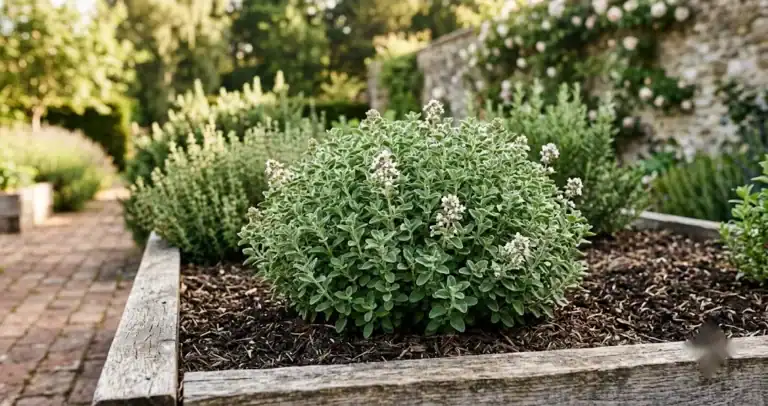
Sun-loving Mediterranean herbs thrive in full sun and warmth. Herbs like rosemary, thyme, oregano, marjoram, and sage prefer open positions where strong sunlight warms the soil and dries morning dew. In contrast, leafy herbs such as sweet basil, cilantro, chervil, and mint tolerate partial shade, particularly during the blistering heat of midsummer afternoons when high temperatures cause plant stress or premature flowering.
If you choose to grow herbs indoors on a sunny windowsill, rotate each pot every few days so all sides of the foliage receive balanced exposure. South-facing windows provide the strongest natural light for indoor gardening. During short winter days or in dimly lit rooms, supplemental LED grow lights help you grow indoors successfully, ensuring your indoor herb plants keep growing without stretching toward distant windows.
Getting the Soil and Drainage Right
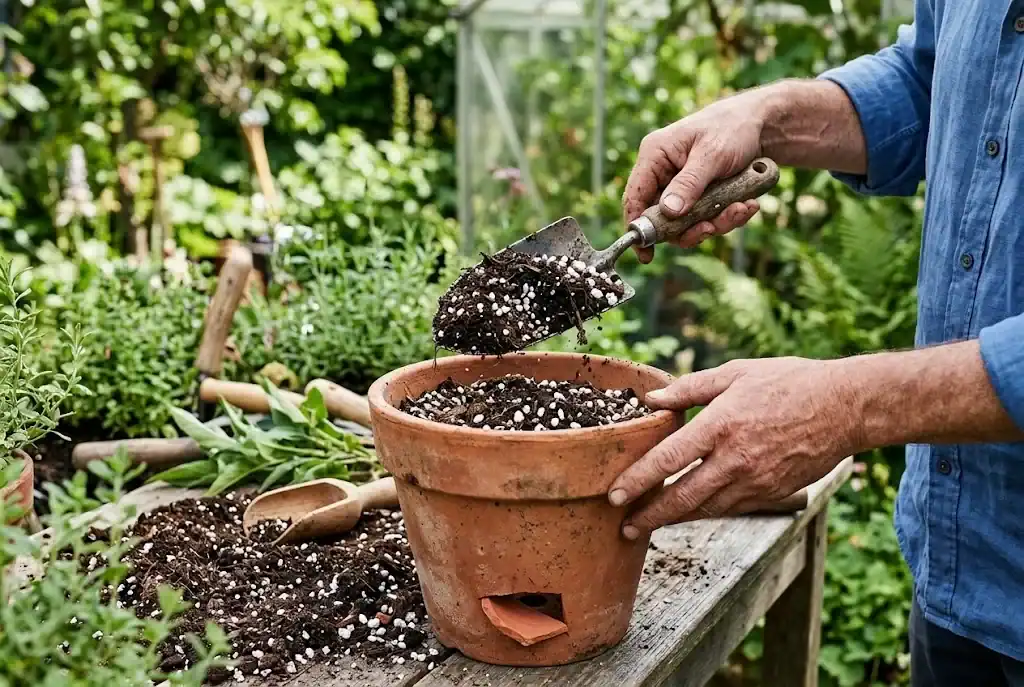
Proper soil texture is fundamental to long-term plant care because soggy roots quickly develop fungal root rot. Many herbs prefer loose, well-draining soil that allows water to move freely while holding modest moisture around root zones. Heavy garden clay should be amended with coarse grit, perlite, or aged leaf mold to ensure good drainage before you plant herbs in the ground.
For container gardening and raised garden beds, always choose a high-quality potting mix formulated for vegetables and herbs rather than dense garden topsoil. Adding a modest handful of organic compost provides gentle, slow-release nutrition without over-fertilizing. Heavy feeding causes herbs to put on rapid vegetative growth at the expense of rich essential oils, so avoid synthetic high-nitrogen fertilizers. Understanding the essential factors for growing herbs helps you tailor soil conditions to each plant family.
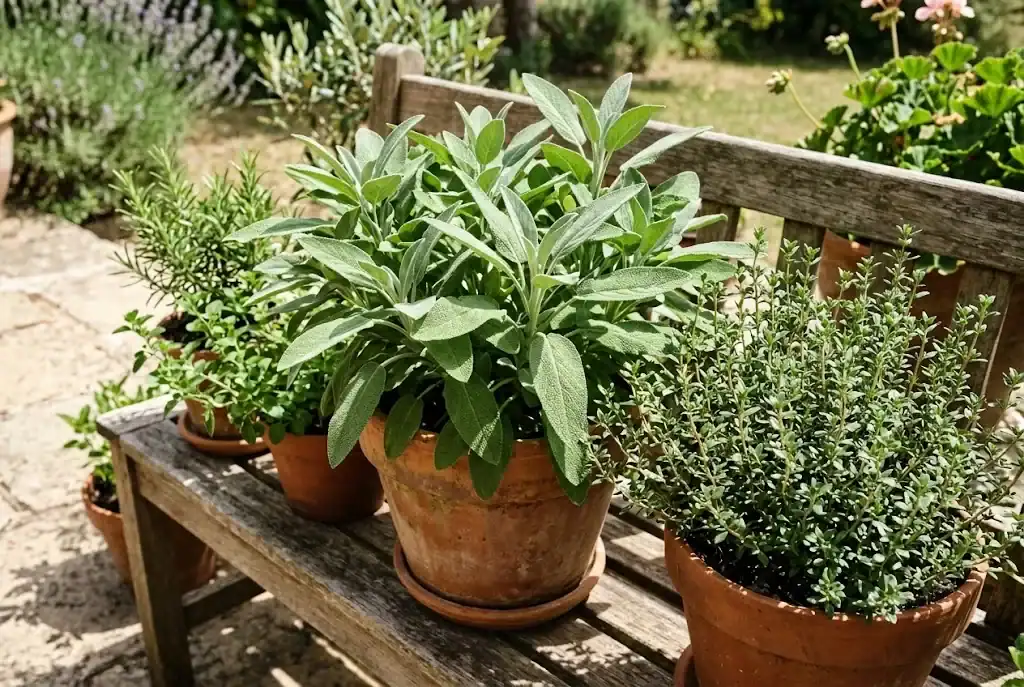
Container selection also plays a decisive role in root health. Every pot must have at least one open drainage hole at the bottom so water never collects in the root zone. Unglazed terracotta pots are ideal for herbs that like drier conditions because porous clay walls allow moisture to evaporate naturally from the potting mix.
How to Water Herbs Without Overwatering
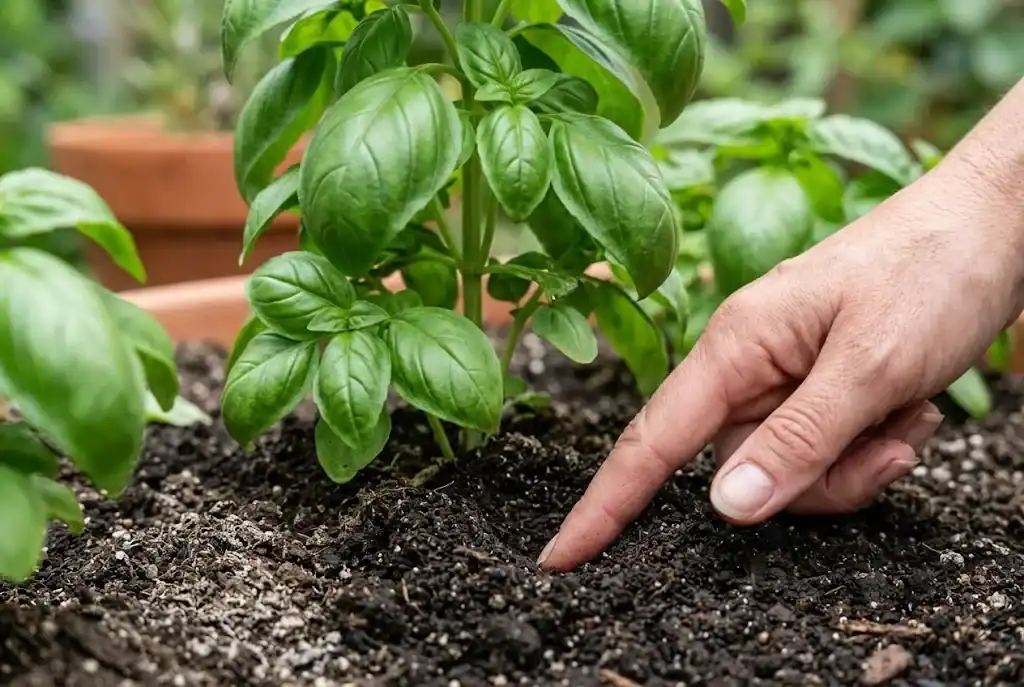
Overwatering is the single most common mistake in herb gardening. Instead of watering on a rigid calendar schedule, test the soil with your finger before grabbing the watering can. Press your finger an inch or two into the potting mix; give your herbs water only when the top layer feels dry to the touch.
Different types of herbs have distinct moisture thresholds:
- Woody herbs: Rosemary, thyme, sage, oregano, and marjoram prefer their soil to dry out moderately between waterings. These drought-tolerant perennials suffer quickly in waterlogged dirt.
- Moisture-loving leafy herbs: Basil, parsley, cilantro, and dill prefer consistent, even moisture. Allowing these plants to dry out completely causes wilting and leaf scorch.
- Mint family: Mentha varieties thrive in moist, rich soil and will rapidly wilt if pots dry out completely in warm weather.
Always water herbs at the base of the plant near the soil surface rather than sprinkling foliage from above. Morning watering allows any accidental splashes on leaves to dry rapidly in the sun, reducing the risk of powdery mildew and leaf spot diseases.
Pruning, Pinching, and Harvesting to Encourage New Growth
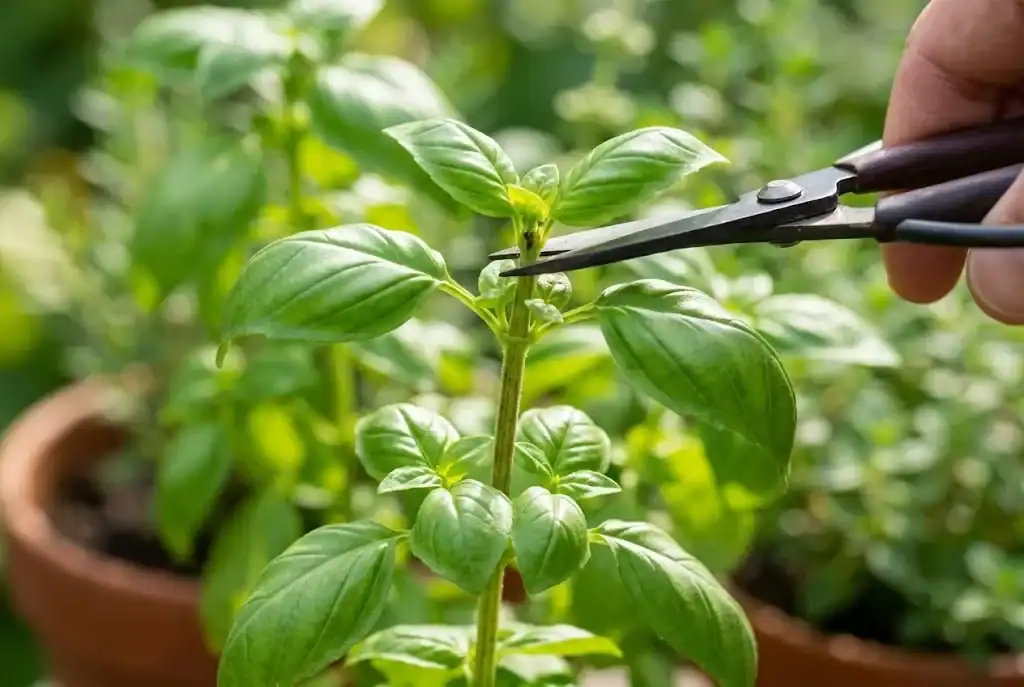
Regular harvesting is not just about collecting fresh herbs to use in the kitchen; it is an essential maintenance step that keeps plants bushy and productive. Pinching the growing tips of young stems stimulates dormant lateral buds, transforming single tall stalks into dense, branching mounds full of new growth.
For a young basil plant, pinch off the top pair of leaves just above a lower set of leaf nodes as soon as the stem reaches six inches tall. This simple technique doubles the number of growing branches and keeps the plant compact. When you care for basil throughout the summer, continue pinching stem tips every two weeks to encourage dense foliage.
Do not allow your culinary herbs to go to seed during the active growing season. Once flowering herbs produce flower buds, leaf production slows down and foliage often turns bitter or tough. Snip off emerging flower stalks immediately so the plant directs its energy into lush leaves. When you harvest herbs from mature plants, follow the golden rule of herb cultivation: never remove more than one-third of the foliage at a single cutting, giving the plant ample leaves to regenerate quickly.
Companion Planting, Pot Sizing, and Containment
Grouping herbs with similar water and light preferences simplifies ongoing care. Pairing Mediterranean perennials together in one large planter creates a harmonious microclimate with shared low-water needs. Similarly, planting basil, chives, and sweet marjoram alongside companion vegetables like tomatoes works well because both appreciate steady moisture and rich soil.
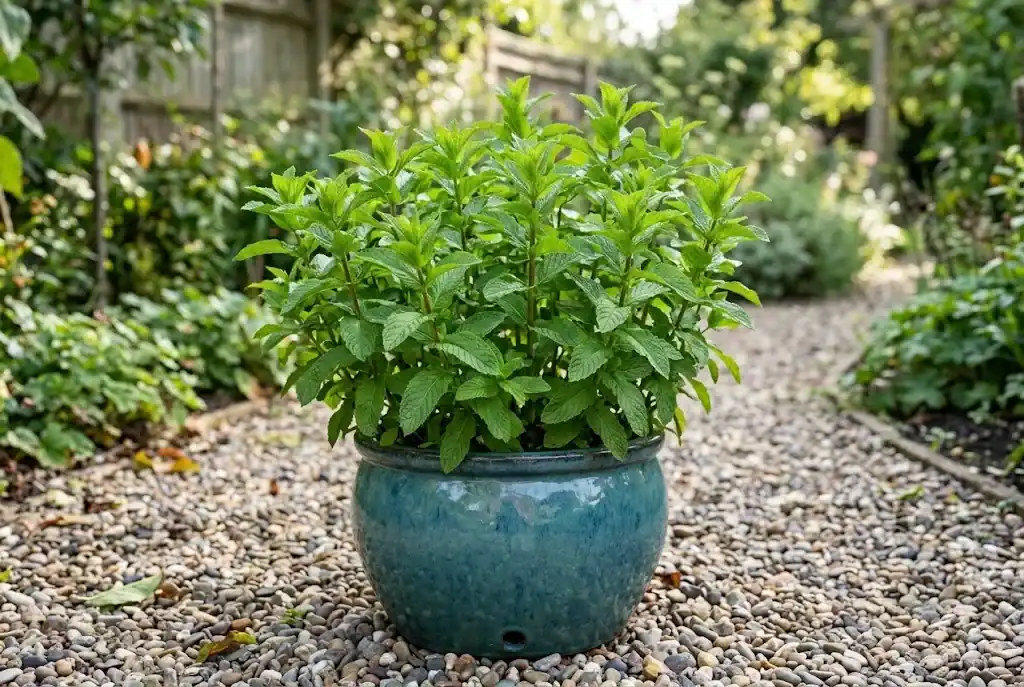
However, aggressive spreaders require strict physical boundaries. Mint, lemon balm, and comfrey spread through vigorous underground runners and can quickly overtake an entire garden bed. Plant these vigorous spreaders in their own individual pots, or sink a bottomless container into the ground to contain wandering roots. Developing sound habits for cultivating herbs ensures your planting arrangements remain balanced and manageable over several seasons.
When selecting pots, match the container size to the mature root system of the herb you want to grow. Deep-rooted perennial herbs like rosemary and lavender need pots at least ten to twelve inches deep, whereas shallow-rooted annuals like cilantro, chervil, and scallions thrive in wider, shallower containers. If you start new plants from herb seeds, transplant them into larger containers once their roots fill the starter cells.
Managing Pests and Common Plant Care Problems
Most herbs grown outdoors are naturally resistant to garden pests because their concentrated aromatic oils act as natural deterrents. However, indoor herbs and outdoor container plants can occasionally host common garden visitors such as aphids, spider mites, whiteflies, or fungus gnats.
Inspect the undersides of leaves and stem joints regularly for early signs of an unwanted pest. If pests appear, wash them away with a sharp spray of water or apply an organic insecticidal soap or diluted neem oil spray. Avoid synthetic chemical pesticides on any edible herbs you harvest for culinary dishes.
Good air circulation is your best defense against fungal issues. Space your herb plants so air flows freely around the foliage, especially in humid summer weather or inside a small greenhouse. If lower leaves turn yellow, check your watering routine and inspect the roots to ensure the potting mix is not waterlogged.
Seasonal Care: Protecting Herbs in Winter and Extending the Season
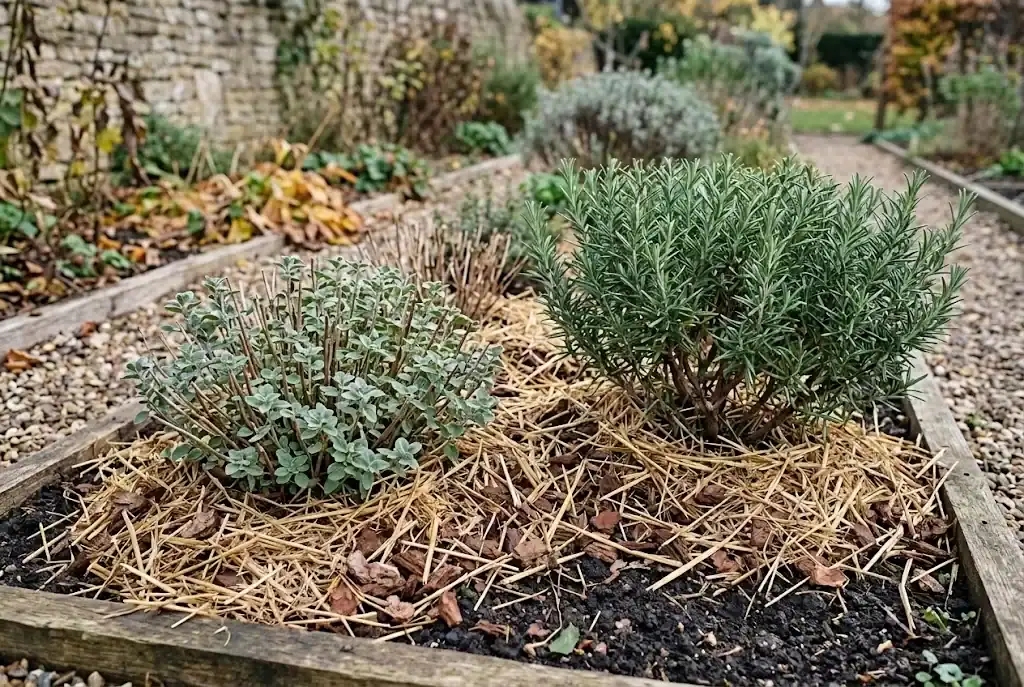
As the autumn growing season winds down, perennial herbs need preparation to survive cold winter temperatures. In-ground perennials like winter savory, oregano, chives, and thyme benefit from a two-inch layer of organic mulch around their base to insulate root systems from freezing ground cycles. Cut back dead stems in late autumn or early spring before fresh green shoots emerge.
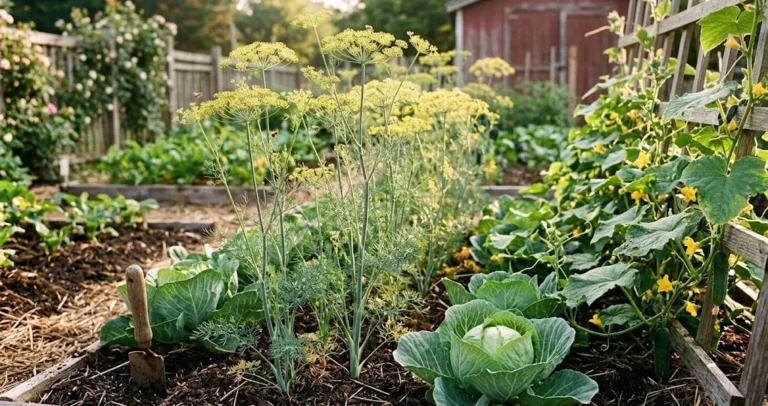
Container-grown perennials are more vulnerable to freezing temperatures because cold air surrounds the exposed pot walls. Move outdoor containers to a sheltered spot against a south-facing wall, bury the pots in garden soil up to their rims, or bring tender varieties indoors before the first hard frost. For annual herbs like basil and dill that finish their life cycle before winter, harvest all remaining foliage to make homemade pesto, freeze leaves in olive oil, or dry herbs on hanging racks for winter seasoning.
Frequently Asked Questions About Herb Garden Care
What are the most common herb growing mistakes?
The most frequent herb garden mistakes include overwatering, planting in containers without drainage holes, providing insufficient sunlight, and skipping regular pruning. Many beginner gardeners also fertilize too heavily, which dilutes essential oil concentrations and weakens culinary flavor.
Do herbs need regular fertilizer?
Most herbs thrive in lean to moderately fertile soil and require very little fertilizer. A light top-dressing of organic compost in early spring is generally sufficient. Heavy synthetic feeding produces rapid, watery leaf growth with poor culinary taste.
Can different herbs share the same container?
Yes, different herbs can share a container as long as they share matching moisture and sunlight requirements. Group Mediterranean herbs like rosemary, thyme, oregano, and sage together, and keep moisture-loving herbs like basil and parsley in a separate pot.
How do you keep woody perennial herbs from becoming overgrown?
Prune woody perennials like rosemary, lavender, and sage by trimming back the soft green growth by one-third each spring. Avoid cutting back into old, bare hardwood stems that lack active buds, as old wood rarely sprouts new growth.