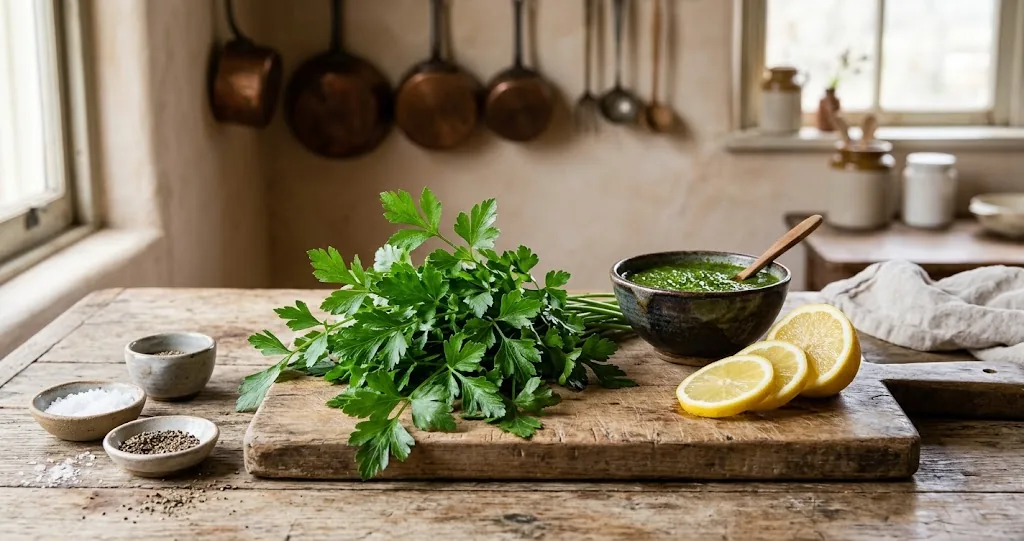
Most diner plates treat parsley as an afterthought: a single curly sprig set beside scrambled eggs or breakfast potatoes, destined for the trash. That habit obscures one of the most capable culinary plants in the kitchen. When handled with intent, a fresh bunch of greens provides crisp texture, clean bitterness, and an aromatic lift that cuts through rich meats and roasted dishes. Moving beyond tired plate decorations means treating this foliage as a functional finishing ingredient rather than a throwaway accent.
Why fresh parsley is more than a plate decoration
In classical restaurant dining, greens were often used as a garnish purely for color contrast. Today, practical home cooks rely on fresh parsley because it functions as an acid-free brightener. Its natural chlorophyll and clean, grassy bite balance animal fat, heavy cream, and savory salt without curdling delicate sauces. Snapping a cold stem releases volatile oils that refresh the palate between bites of heavy food.
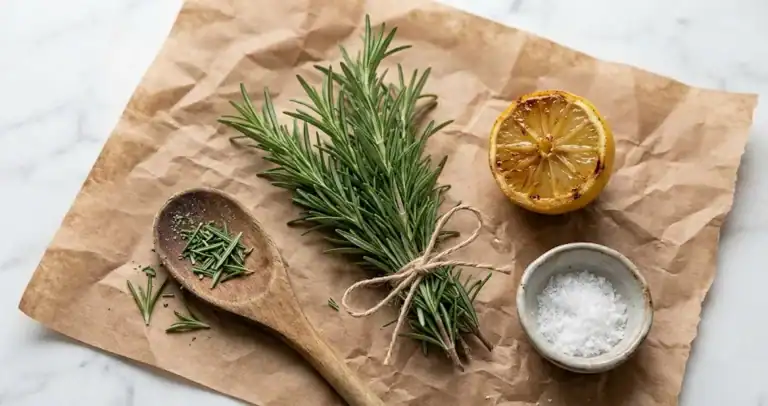
To understand how the common culinary herbs compare in the kitchen, it helps to see these plants alongside woody varieties like rosemary and thyme, which require prolonged heat to bloom. Fresh cuttings deliver their best qualities raw or gently warmed at the very end of cooking, making them an essential tool for instant flavor adjustments.
Choosing between curly and flat-leaf Italian parsley
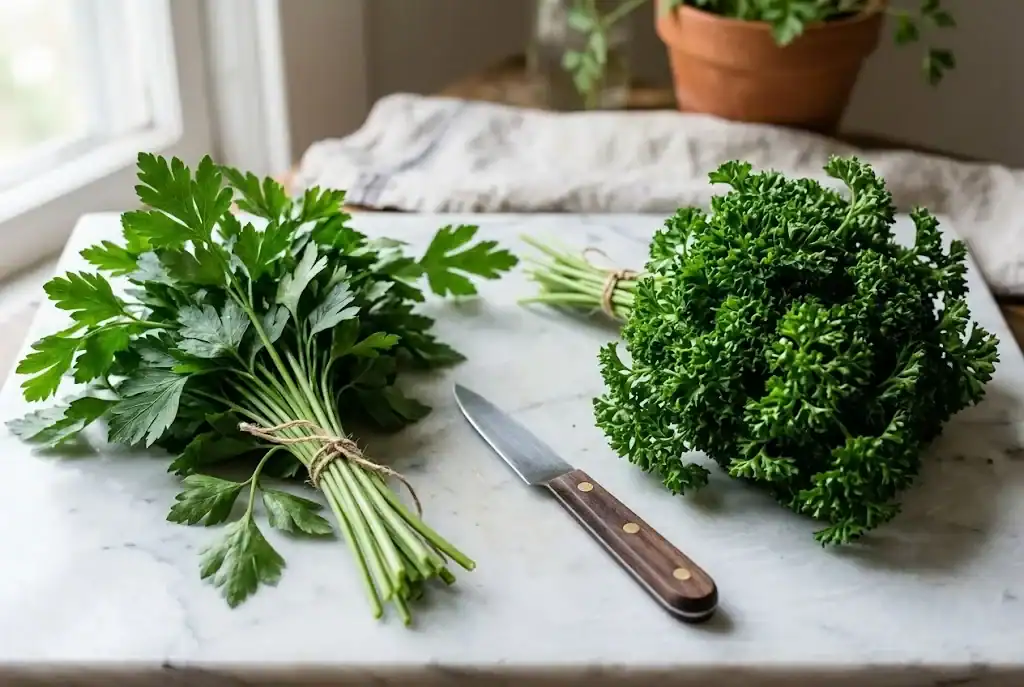
Walk into any grocery produce aisle and you will find two primary types: curly varieties and broad-leaf cultivars. While both belong to the same species, their physical structure determines how they behave under a knife and on the plate.
The broad-leaf cultivar features wide, tender foliage with a robust, slightly peppery flavor profile. Because the leaves lie smooth, they slice cleanly against a cutting board without bruising, releasing aromatic juices into dressings and marinades. Professional kitchens favor the broad-leaf type for uncooked sauces, dry rubs, and quick pan finishes where tender texture matters.
Conversely, curly plants produce tightly ruffled green leaves with substantial physical body and a milder, grassier taste. When cooks use curly parsley correctly, its dense ruffles trap vinaigrettes and provide satisfying crunch. Sliced into ribbons, it adds pleasant volume to chilled pasta dishes or warm grain bowls without wilting into mush.
Classic gremolata: the three-ingredient Italian garnish
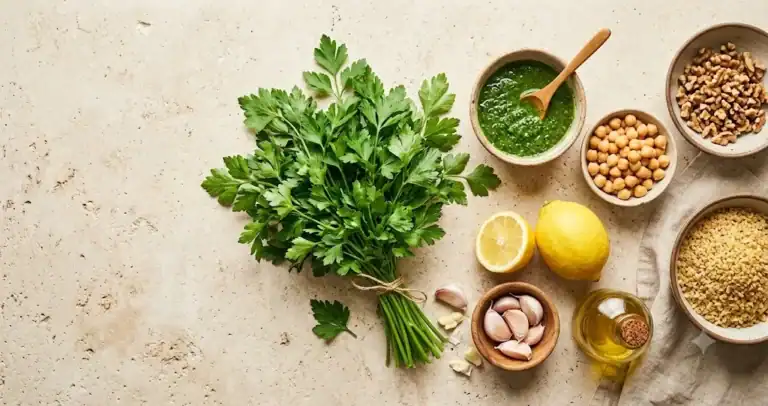
Among traditional parsley recipes, none demonstrates the power of raw greens quite like classic Milanese gremolata. Born in Lombardy as the traditional condiment for rich braised veal shanks, this vibrant Italian condiment proves that three everyday pantry ingredients can elevate a heavy dish into something memorable.
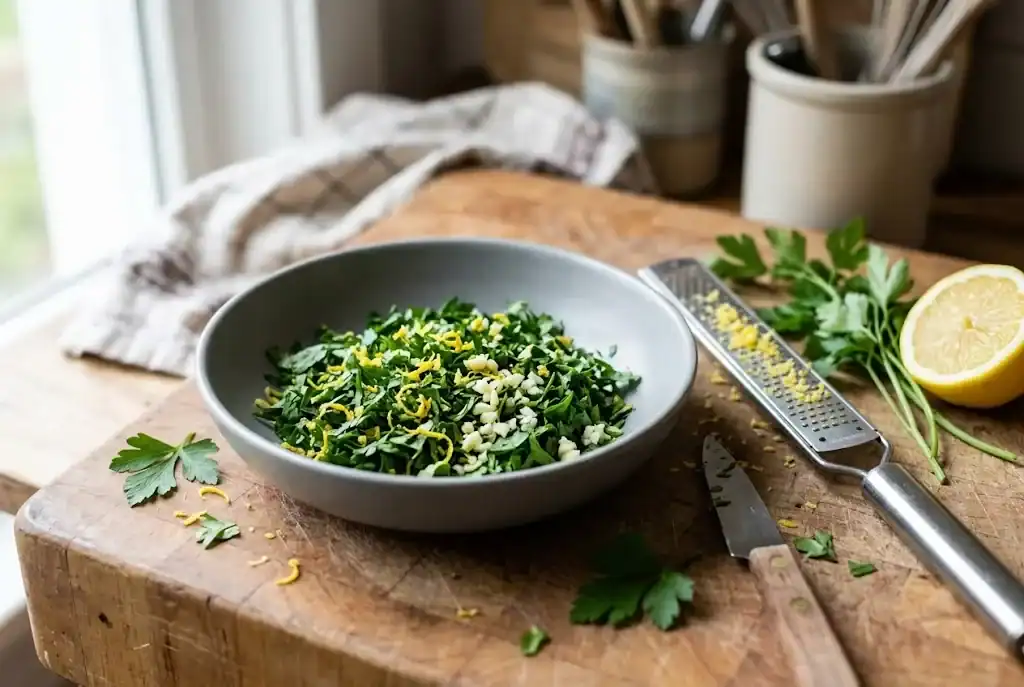
A standard gremolata recipe requires only fresh flat-leaf parsley, yellow lemon zest, and pungent garlic. To assemble a batch, wash and thoroughly dry the sprigs. Use a sharp chef knife to finely chop one cup of tender leaves, avoiding the thick lower stalks. In a small bowl, combine the chopped parsley with freshly grated zest of two untreated lemons and one small clove of minced garlic. Toss gently with a fork so the citrus oils coat the green flakes.
Scattered over a seared steak, slow-cooked beef stew, or a warm bowl of polenta, this dry citrus-herb mixture provides a fragrant, refreshing burst. Because it contains no oil or vinegar, it stays light and crisp on hot food rather than melting into an oily puddle.
Exploring the wider culinary use of parsley reveals how raw finishes bring balance to slow-cooked meats, roast poultry, and buttery pasta dishes.
Vibrant green finishing sauces: chimichurri, caper sauce, and pesto
When freshly minced greens meet quality olive oil and sharp acid, they transform into an all-purpose green sauce that rescues dry roasts and plain grains. Three regional preparations showcase this technique with distinct profiles.
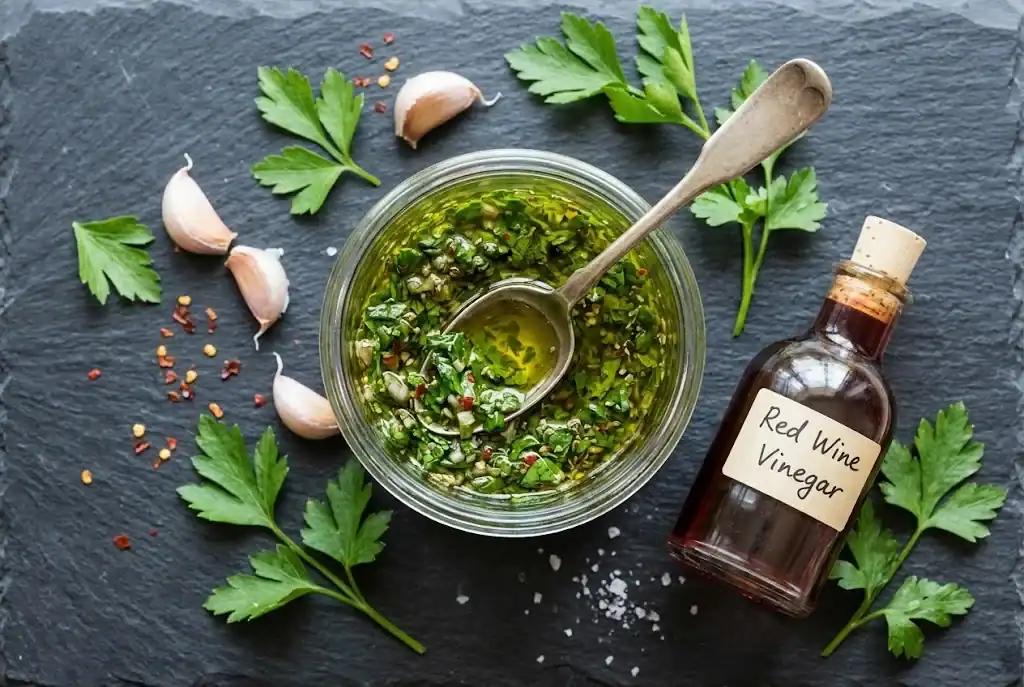
Chimichurri sauce is the cornerstone of Argentinean grilling. This zesty herb sauce combines minced parsley, shallot, garlic, crushed red pepper flakes, and dried oregano with red wine vinegar and extra virgin olive oil. Spooned over grilled chicken, flank steak, or roasted potatoes, this emulsion cuts through charred crusts with a sharp, tangy bite.
Italian salsa verde takes a brinier approach. Cooks combine chopped parsley with salted capers, anchovy fillets, minced sweet onion, and red wine vinegar in a shallow mixing dish. The capers and anchovies provide deep savory umami, making this rustic piquant condiment a natural match for poached fish, hard-boiled eggs, or grilled vegetables.
You can also turn excess garden sprigs into a vibrant pesto. While sweet basil defines Genovese pesto, these tender leaves offer an earthy, pungent base that stands up well to toasted walnuts and sharp parmesan cheese. Place the leaves in a food processor and pulse with garlic, toasted nuts, grated cheese, and olive oil until smooth. Tossed with warm linguini or orzo, this herbed pesto creates a satisfying, fresh dinner.
Compound butters, infused oils, and crisp fried parsley
Finishing techniques can also transform fresh sprigs into luxurious toppings that store conveniently for weeks.
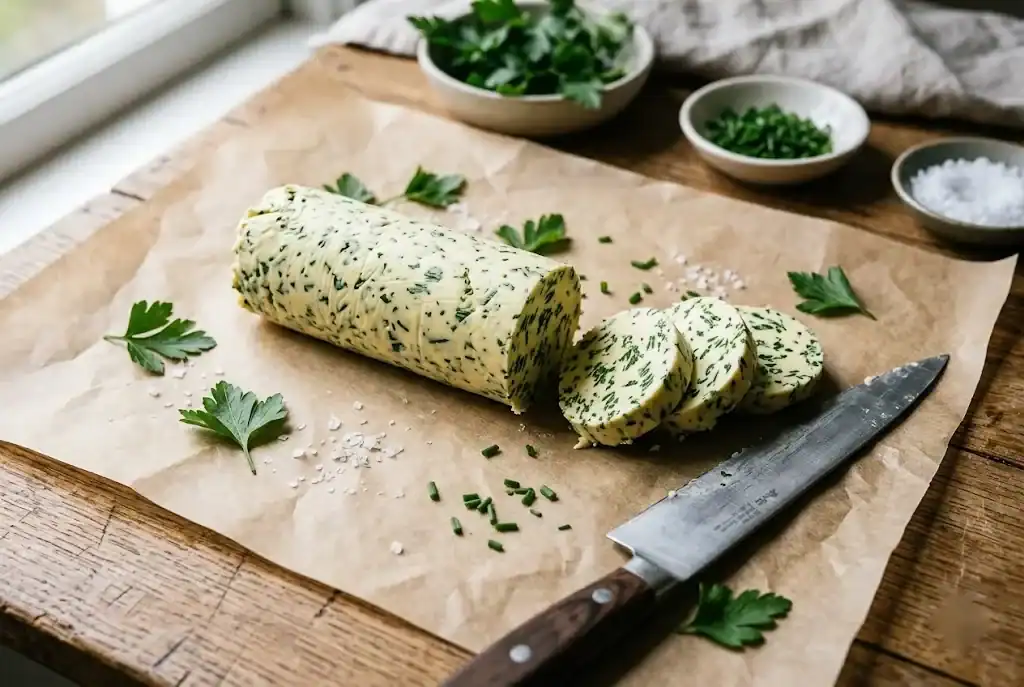
To make traditional maître d’hôtel compound butter, soften a stick of unsalted butter to room temperature. Beat in two tablespoons of minced parsley, fresh lemon juice, kosher salt and pepper, and a pinch of minced chive. Roll the seasoned mixture into a tight cylinder using parchment paper and chill until firm. Slice a coin of herb-flecked butter over hot grilled steak or steamed fish right before serving so it melts into a silky pan sauce.
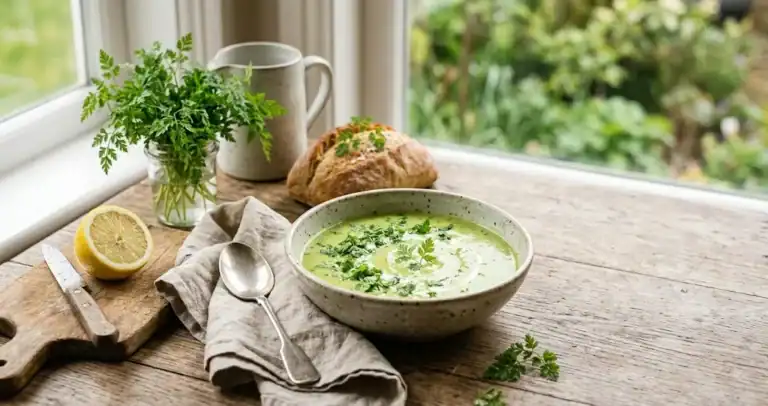
For an eye-catching restaurant accent, try flash-frying curly sprigs. Ensure the foliage is completely dry, as water will cause hot oil to splatter dangerously. Dunk individual sprigs into neutral oil heated to 350 degrees Fahrenheit for four seconds until translucent and crisp. Transfer immediately to a clean towel and sprinkle with flaky sea salt. These delicate, crunchy leaves make an impressive crown atop creamy soups and vegetable purees.
You can also create an emerald finishing oil by blanching tender leaves in boiling water for ten seconds, shocking them in ice water, and blending them with neutral oil. Strained through a fine sieve, this oil adds a clean visual ring around bowls of smooth hummus or white bean soup.
Substantial dishes that turn fresh greens into the star
Do not limit these sprigs to small spoonfuls. In several venerable culinary traditions, the plant serves as the primary vegetable base rather than a subtle accent.
Tabbouleh is the premier example of a salad made with parsley as its core ingredient. In authentic Levantine preparation, bulgur wheat is merely an accent. Thinly sliced parsley leaves make up the bulk of the serving bowl, tossed with diced ripe tomato, minced fresh mint, lemon juice, extra virgin olive oil, and soaked cracked wheat. The key to crisp tabbouleh is ensuring the greens are bone-dry before cutting; wet foliage will quickly wilt into a sodden mess.
These greens also anchor hearty grain bowls. Toss whole leaves with cooked farro, diced creamy avocado, toasted sunflower seeds, and a sharp lemon dressing for a simple salad that holds its crunch for hours without turning limp.
How to wash, dry, and store fresh herb stems and leaves
Gritty soil trapped between parsley stems will ruin the texture of any sauce or salad. Proper cleaning and storage keep your sprigs crisp and ready for cooking.
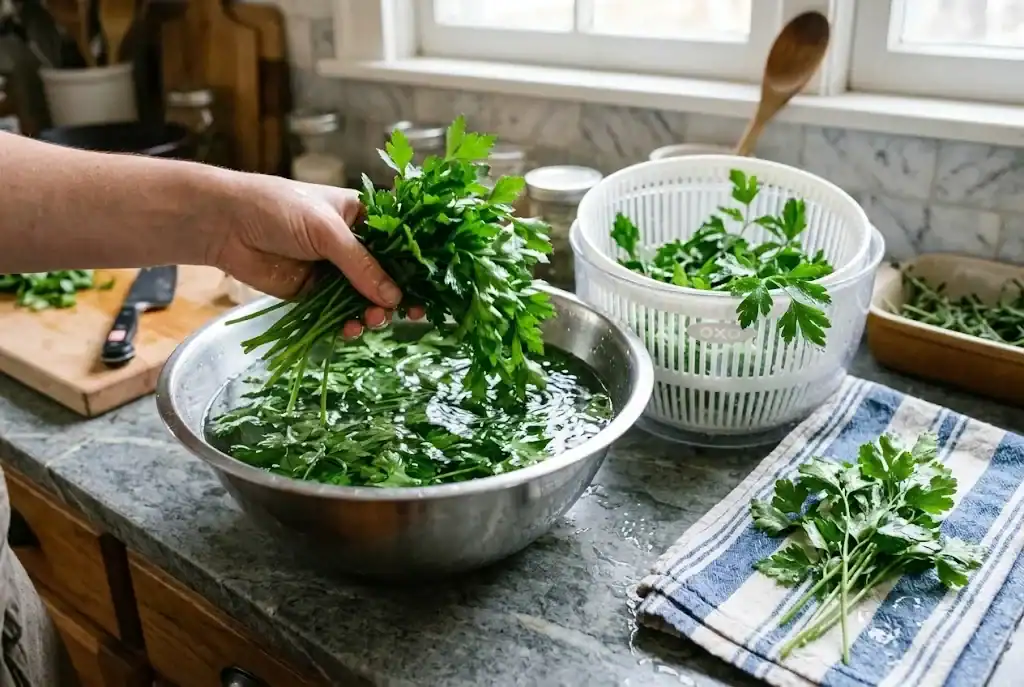
To prepare the parsley, fill a large basin with cold tap water. Submerge the bunch, swishing vigorously to loosen sand and silt. Lift the greens out of the water so dirt settles to the bottom of the bowl. Spin the leaves dry in a salad spinner, then spread them across a dry kitchen cloth and pat dry with paper towels.
If you grow culinary greens in your garden, master harvesting parsley and keeping it fresh throughout the season so your kitchen always has crisp stems ready.
For short-term storage, trim a quarter-inch off the stem ends and place the bouquet upright in a glass jar with an inch of clean water. Wrap the parsley canopy loosely in a clean plastic bag and place the jar on a refrigerator shelf. Stored this way, the foliage stays perky for up to two weeks. Alternatively, wrap the stems in a damp paper towel and store inside a sealed container.
Never discard clean herb stalks. Stems pack intense herbal flavor and can be tied into a bouquet garni to simmer inside a chicken broth or savory braise. If you have an overabundance from your garden, chop the leaves, pack them into ice cube trays with olive oil, freeze until solid, and store the frozen cubes inside a freezer bag for future soups.
Creative everyday uses for leftover sprigs
Keeping fresh cuttings in your refrigerator encourages spontaneous kitchen upgrades. Whenever a dish tastes flat or looks dull, a quick sprinkle of chopped greens will brighten the plate.
Fold minced greens and chives into morning scrambled eggs right before they leave the skillet. Stir a generous handful into warm cooked beans, rice pilafs, or roasted root vegetables. Because this is such a versatile herb, it plays harmoniously with cilantro in spicy salsas or with mint in cool summer dressings.
Once you begin exploring these practical culinary preparations, you will never view this vibrant green plant as a neglected diner decoration again.