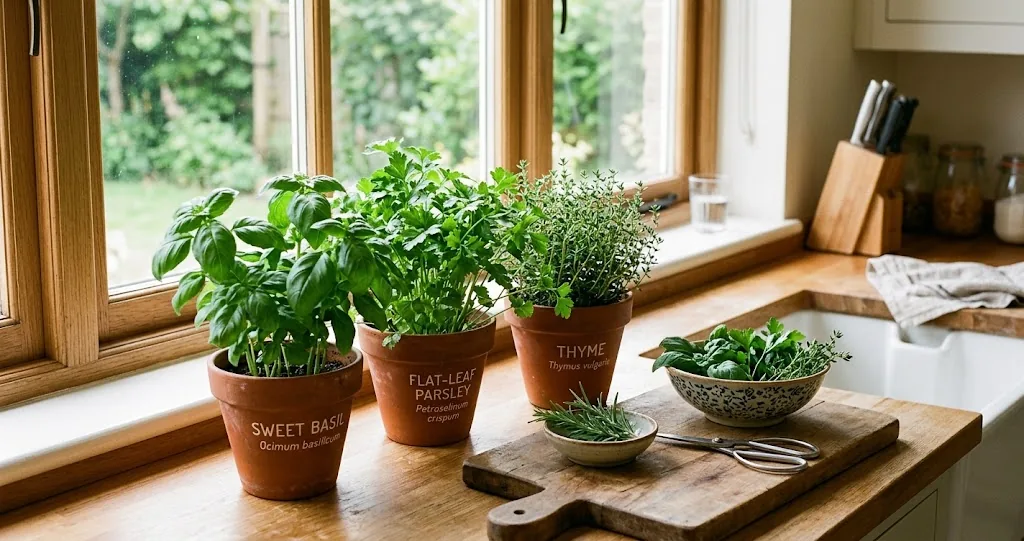
Few kitchen upgrades match the simple satisfaction of stepping toward a sunny windowsill or outdoor planting bed and snipping fragrant leaves straight into a simmering pot. Anyone who regularly buys plastic clamshells of culinary greens knows the routine disappointment of opening the refrigerator to find limp sprigs turning brown before dinner is served. Understanding the practical benefits of a home herb garden changes how you cook, how you plan meals, and how you manage kitchen spending.
Culinary botanicals are among the most generous choices a home grower can cultivate. They require minimal space, adapt readily to modest containers or garden beds, and yield repeated cuttings throughout the growing season. When you decide to grow your own herbs, having living plants within reach provides immediate access to vibrant flavor while eliminating food waste and high retail markups.
Fresh Flavor on Demand: Why Homegrown Greens Outshine Grocery Store Clamshells
The culinary difference between freshly harvested leaves and packaged produce from a supermarket aisle is striking. Commercial greens undergo days of transport, chilling, and packaging before reaching retail shelves, causing volatile aromatic oils to dissipate rapidly. When you harvest your own sprigs minutes before cooking, those delicate oils remain intact, delivering bright aroma and rich taste that pre-cut produce cannot replicate.
Delicate annuals with tender stems, especially basil and cilantro, suffer from a remarkably short shelf life once sealed in plastic. Even under careful refrigeration, condensation accumulates, causing tender leaves to wilt and darken within forty-eight hours. When you cultivate living plants nearby, you clip only the three or four stems required for an evening pasta or salsa, leaving the rest of the plant vigorous and growing. For cooks exploring this kitchen upgrade, reviewing the compelling case for an herb garden at home highlights how immediate proximity transforms everyday meal preparation.
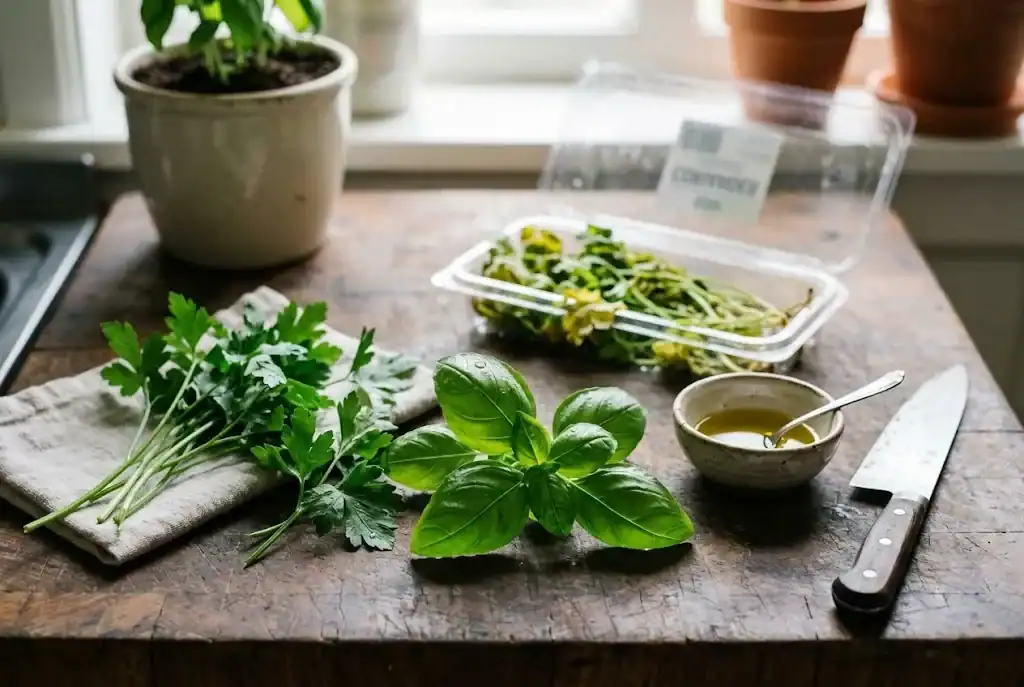
Having fresh herbs on hand also encourages spontaneous culinary creativity. A standard tomato salad gains character from shredded leaves, a pot of braised beans deepens with rosemary, and a pan of roasted potatoes transforms when tossed with minced garlic and parsley. You no longer need to plan recipes around perishable store purchases or discard half-empty packages at the end of the week.
Top Reasons to Grow Your Own Herb Garden for Real Household Savings
Financial economy ranks high among the core reasons to grow your own herb garden. A single four-inch nursery start at a local garden center or a packet of seed often costs less than one plastic container of cut sprigs at the grocery store. While the store-bought container provides enough leaves for a single dish, a healthy potted plant produces fresh harvests continuously for months.
When calculating the return on investment for kitchen plants, culinary greens outperform almost every other backyard crop. Root vegetables and cabbages require substantial square footage and months of water to yield a single harvest. In contrast, productive culinary plants provide repeated cuttings from a small footprint, offering immediate dividends against grocery bills every time you cook. Readers who want to understand the foundational planning steps can explore our foundational guide to growing an herb garden to map out initial layout and soil choices.
Cultivating at home also gives you complete control over inputs. Packaged greens from industrial farms frequently undergo chemical washing or pesticide treatments to extend shelf appeal. By cultivating organic herbs yourself, you nurture plants with clean compost, organic potting soil, and pure water, ensuring every leaf snipped for your family is wholesome and untainted.
Year-Round Harvests: Enjoying an Indoor Herb Garden in Any Space
One of the greatest advantages of cultivating culinary botanicals is their adaptability to indoor environments. You do not need acres of land or a large plot to enjoy bountiful harvests. A compact indoor planting thrives on a sunny windowsill, a balcony railing, or a countertop equipped with an energy-efficient grow light.
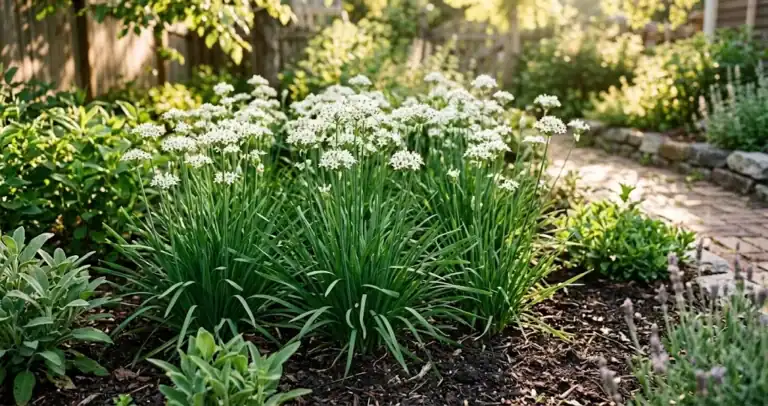
Maintaining herbs indoors allows northern growers and apartment dwellers to extend their harvest through autumn and winter. Hardy evergreen selections handle household humidity comfortably, while vigorous upright growers like chives produce tender green spears on a sunny ledge with minimal effort. Keeping seasoning crops along a kitchen window ledge makes snipping fresh sprigs as effortless as reaching into the spice cabinet.
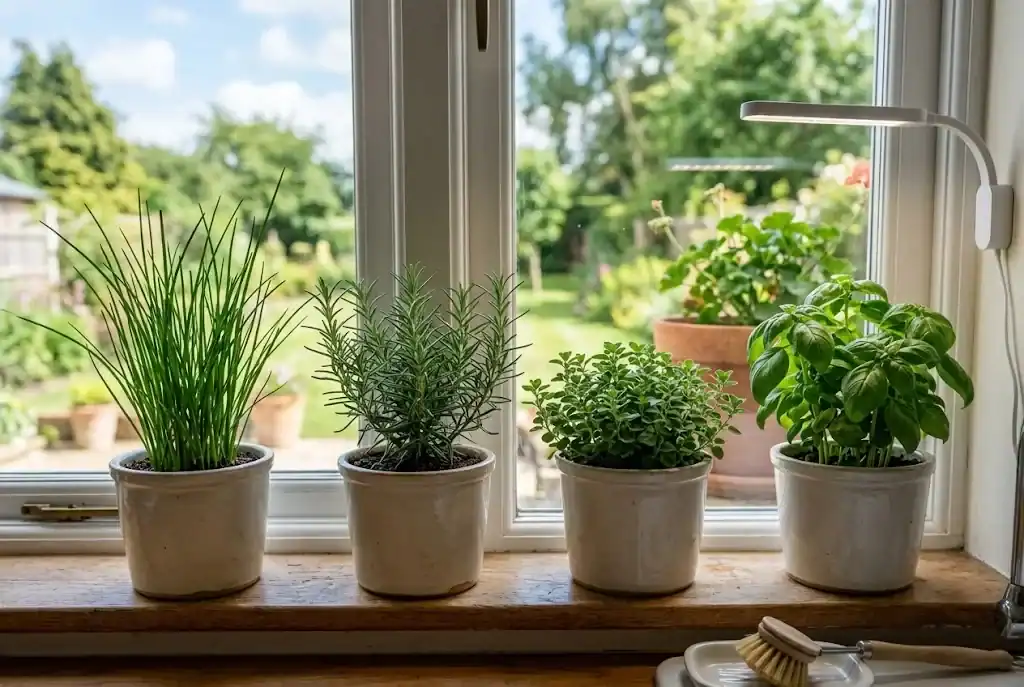
For homes with limited sunlight, modern LED grow lights offer an affordable solution. Positioning a small light six to eight inches above your potted container supplies the full spectrum needed for compact, leafy growth without leggy stems. This reliable setup guarantees that dark winter afternoons never deprive your kitchen of aromatic greens.
Easy to Grow Herb Plants for Beginner Success
Beginners often worry about complicated care routines, but many popular culinary selections are remarkably resilient. Mediterranean perennials thrive in lean, well-draining soil and forgive occasional missed waterings, making them ideal for any gardener establishing an initial collection.
Pungent rosemary, earthy thyme, peppery oregano, and fragrant sage form the backbone of a beginner-friendly collection. These woody perennials establish deep root systems and provide steady seasoning year after year. For growers who prefer tender leafy greens, flat-leaf parsley and feathery dill deliver rapid growth and pleasant savor in cooler spring and autumn temperatures.
Vigorous selections like peppermint and spearmint grow with extraordinary enthusiasm. Because plants in the Mentha family spread aggressively via underground runners, experienced growers always keep herbs like mint isolated in a standalone planter to prevent them from overtaking other species. As you explore these varied botanicals, discovering the distinct rewards of growing herbs in a garden provides valuable perspective on how different species complement one another in outdoor beds.
Outdoor Growing Options: Garden Beds and Container Flexibility
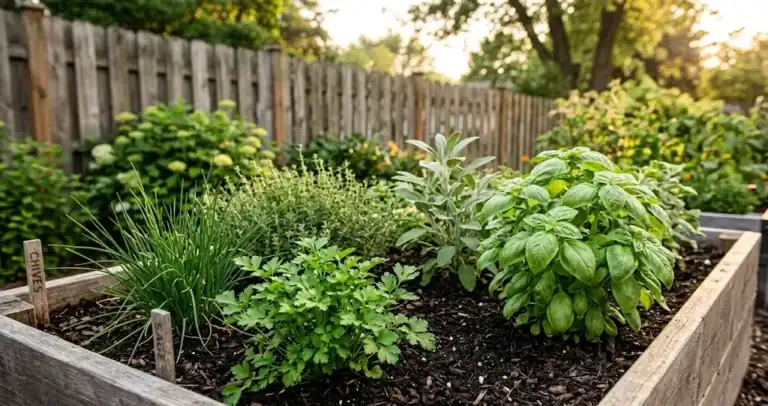
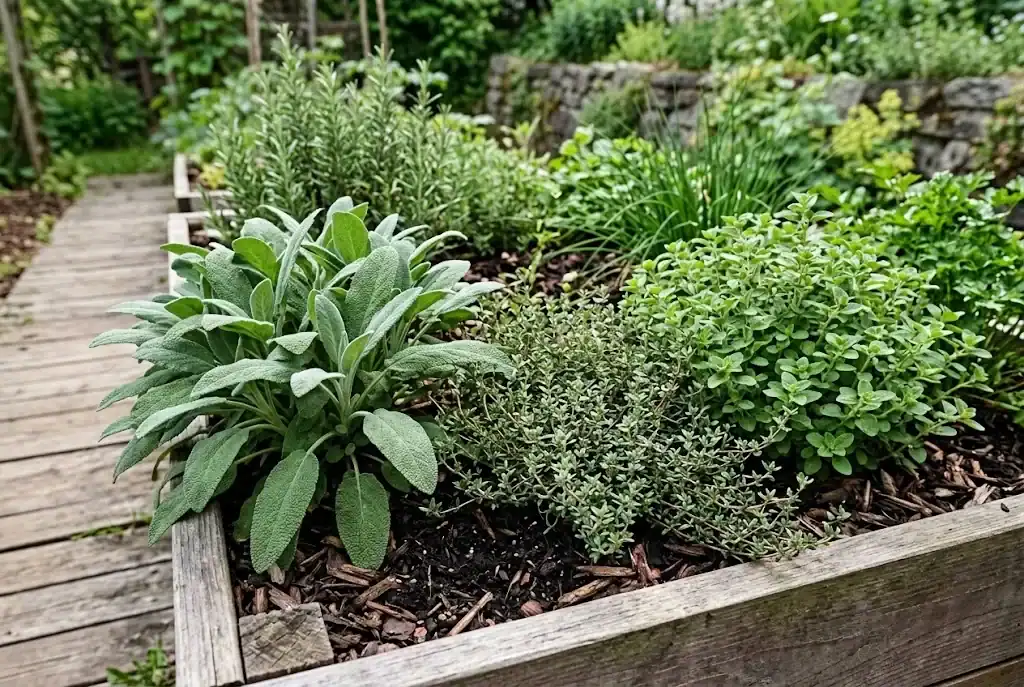
When weather warms and you transition plants outside, several flexible layout methods suit different yard configurations. A dedicated raised bed offers exceptional drainage and warming soil early in the spring, creating optimal conditions for rapid root development. Elevating your planting area also reduces bending during maintenance and provides a physical barrier against invasive weeds.
If you already maintain a backyard vegetable garden, tucking culinary greens along the borders yields multiple companion benefits. Aromatic foliage emits volatile compounds that confuse common garden pests, helping shield vulnerable nightshades and brassicas naturally. Flowering stalks of fennel and mild chive foliage also attract beneficial pollinators and predatory insects that keep pest populations balanced without synthetic sprays.
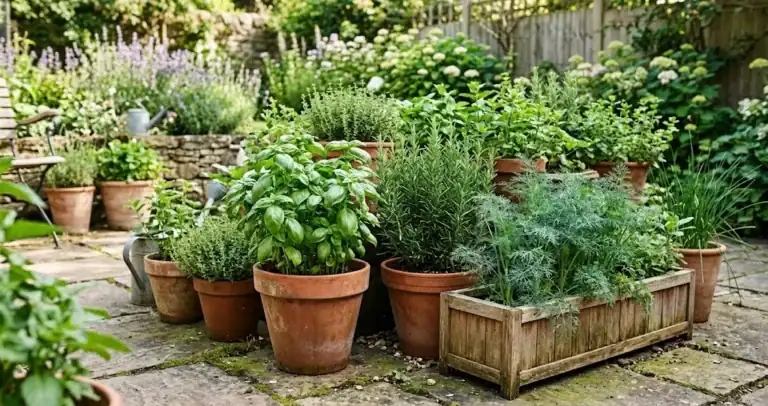
Container cultivation remains equally rewarding for patios, steps, and urban courtyards. Planting herbs in movable pots allows you to chase sunlight as seasons change, moving heat-loving sweet basil into sheltered sunny corners during summer and bringing tender pots under cover when autumn frosts threaten.
Harvesting, Preserving, and Crafting Fresh Teas
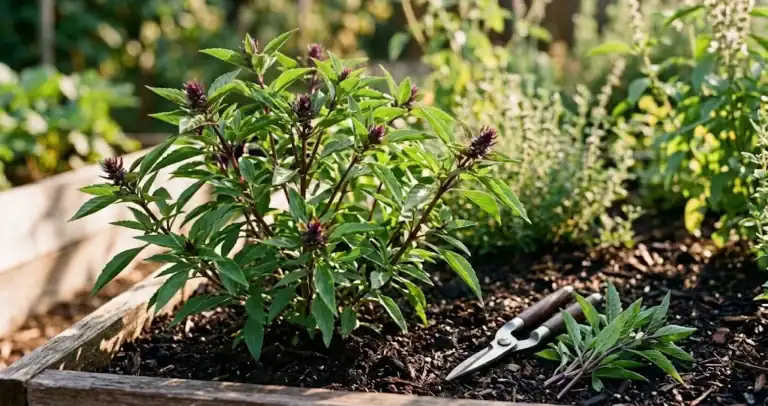
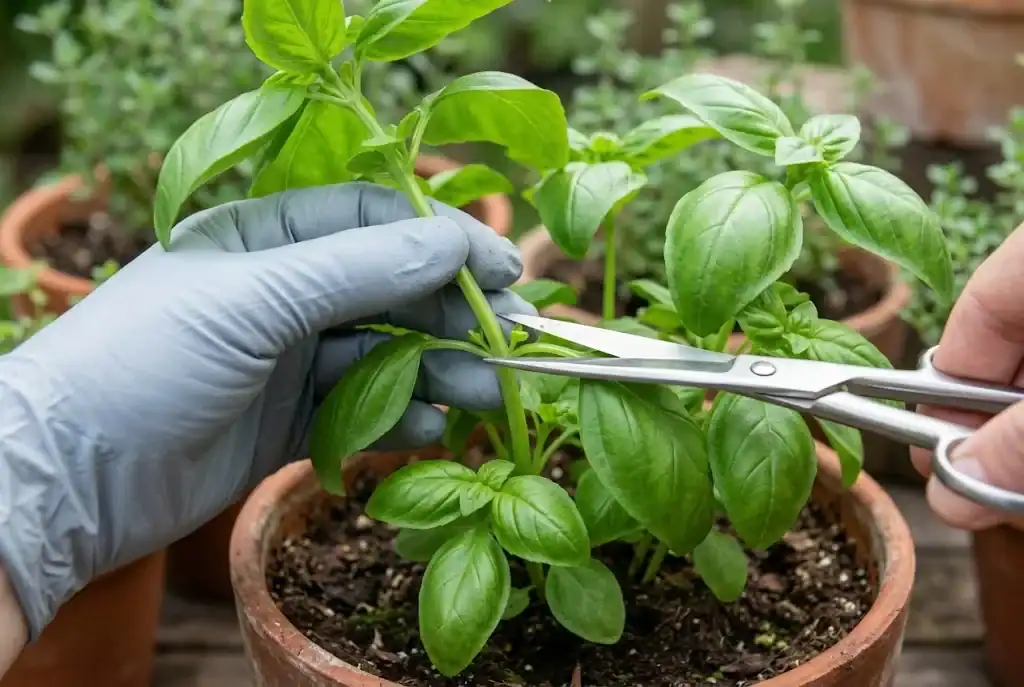
Proper harvesting technique directly improves plant health and encourages denser, bushier growth. Rather than stripping individual lower leaves, use clean kitchen shears to snip stems just above a leaf node. This pruning stimulates dormant buds below the cut, prompting the plant to branch into two new growing stems instead of a single tall spire.
As your plantings mature through midsummer, harvests frequently outpace immediate kitchen demand. Preserving excess abundance ensures nothing goes to waste. Sturdy botanicals such as oregano and marjoram dehydrate beautifully when hung in small bundles in a warm, dry room, producing aromatic dried herbs that far surpass commercial jars in aroma and color.
Tender leafy botanicals also make delightful herbal beverages. Steeping freshly picked peppermint or soothing lemon balm leaves in hot water creates a refreshing tea free of caffeine or artificial additives. You can also freeze finely chopped parsley or chives in olive oil using standard ice cube trays, creating convenient flavor bombs ready to drop into winter soups and sauces.
Common Mistakes to Avoid When Starting Out
While cultivating culinary plants is straightforward, avoiding a few frequent pitfalls ensures consistent vigor and healthy foliage:
- Overwatering tender roots: Wet, soggy potting mix suffocates roots and invites fungal rot. Always allow the top inch of potting soil to dry out between waterings.
- Insufficient sunlight: Culinary botanicals need at least six hours of direct sun or twelve hours under a quality grow light to develop rich essential oils.
- Neglecting drainage: Pots without drainage holes trap stagnant moisture. Always select pots with open bottom holes.
- Ignoring flower buds: Once a plant blooms, leaf flavor often turns bitter. Pinch off flower buds promptly to direct energy back into leaf production.
- Crowding multiple species: Group plants with similar water needs together; do not pair drought-loving oregano with moisture-loving mint in the same container.
Frequently Asked Questions
Is it better to grow an herb garden indoors or outdoors?
Both approaches offer distinct benefits. An indoor garden setup delivers unmatched convenience for daily cooking and produces fresh sprigs throughout winter. Outdoor beds and patio containers offer stronger natural sunlight and superior airflow, allowing plants to develop larger root systems and heavier yields during the warm summer season. Many growers enjoy a hybrid approach, keeping potted plants outdoors in summer and moving them inside for autumn and winter.
What herbs are easiest for beginners to grow at home?
Perennial Mediterranean species like rosemary, thyme, oregano, and sage are exceptionally forgiving because they tolerate dry spells and lean soil. Among leafy greens, parsley and chives establish quickly from nursery starts and tolerate partial shade, making them reliable choices for novice growers.
How much space do I need for a productive home herb garden?
You need very little space. A single twelve-inch container or three small six-inch pots along a bright windowsill provide ample room to grow culinary staples for an active kitchen. In outdoor settings, a compact wooden planting box or a tiered vertical frame easily accommodates six to eight flourishing culinary varieties.
Can I grow herbs from seeds, or should I buy nursery starter plants?
Both methods work well depending on the botanical species. Rapid annuals like basil and dill sprout quickly and grow vigorously from seed. Slow-growing perennial herbs such as tarragon and thyme take months to reach harvestable size from seed, so purchasing established starter plants from a reputable local nursery provides a much faster and more dependable harvest.