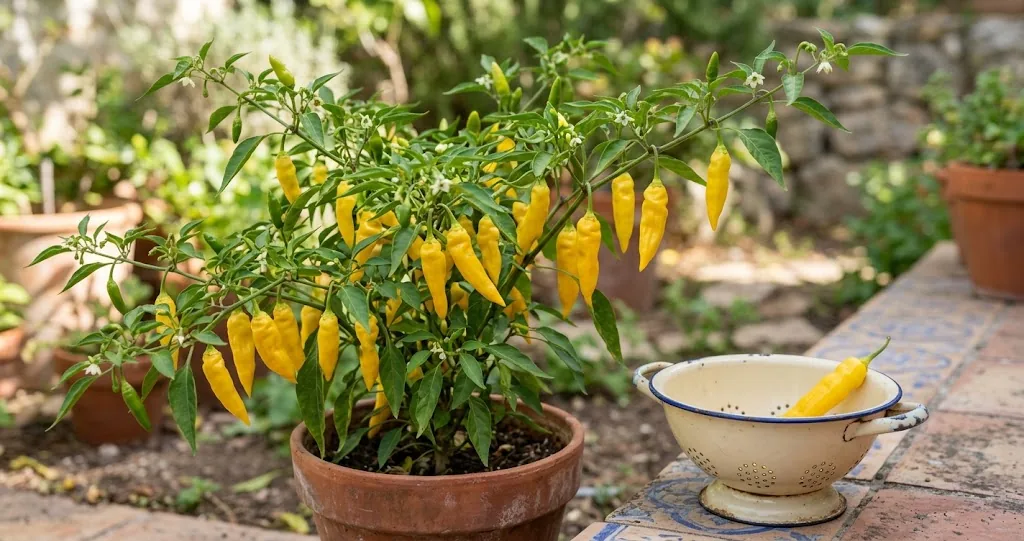
Aji Lemon Drop peppers are a Peruvian cultivar of C. baccatum, also sold under the names Aji Limon and Hot Lemon. Ají limo is a different pepper, despite the similar name. Its bright note comes with a typical rating of 15,000 to 30,000 Scoville heat units (SHU). Give the plant a warm start, a long sunny season, and roughly 90 to 100 days from transplanting for the pods to reach full color.
Its narrow golden pods bring a fruity aroma to fresh salsa or sauce without adding lemon acidity. Use it sparingly and taste as you go. For a wider comparison of heat and taste across the crop, see our guide to chili pepper types.
Peruvian Origin and Variety Names
The plant is associated with Peru and the Andean region of South America. The New Mexico State University Chile Pepper Institute describes Ají Limón as a seasoning pepper popular in Peru, where it is also called qillu uchu. Public sources give little reliable detail about a specific valley, breeder, or date of origin, so more precise origin stories deserve caution.
Seed catalogs do not always use the names consistently. North Carolina State University’s cultivar list describes Lemon Drop as an heirloom C. baccatum pepper, with about 100 days to maturity. Ají Limón and Hot Lemon labels can overlap, so treat “heirloom” as a catalog classification, not a complete origin history. Ají limo is a separate pepper, usually classified as C. chinense, with red or orange pods. Check the botanical name and expected mature color on a seed packet labeled only “lemon pepper.” See the North Carolina State University cultivar list for its description.
Choosing Hot Pepper Seeds
When comparing Lemon Drop pepper seeds, check the botanical name, pod description, and a photo of fully colored pods. Confirm the expected mature color before ordering; sellers may use Ají Limón or Hot Lemon for similar names. If you buy young plants, ask the nursery for the original seed label and a photo of mature pods. This helps avoid confusing the plant with ají limo or another kind of pepper.
Lemon Drop Pepper Characteristics
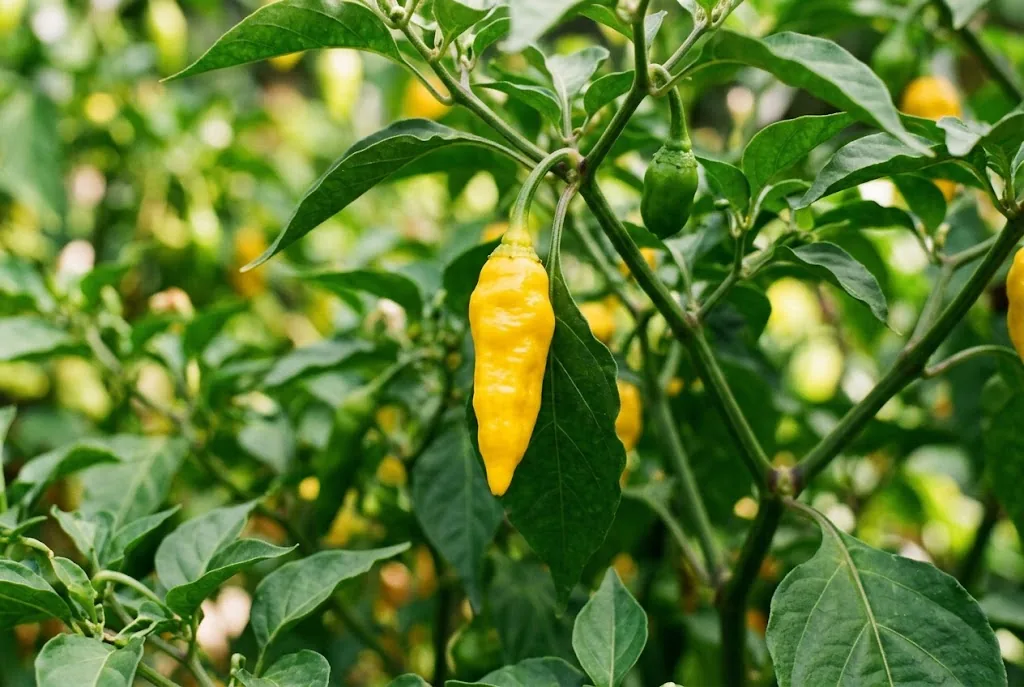
The upright shrub branches readily and carries pale flowers with light green markings. Its narrow pods taper to a point and mature from green to glossy gold. They are about 2.5 to 3 inches long and 1 to 2 cm wide, with slight wrinkling. Fully colored pods are firm; green ones can be picked, but tend to taste less sweet.
Color by itself is not a reliable identifier. Compare flower markings, pod shape, mature color, and the name on the packet. The NCSU cultivar list describes the ripe pods as bright yellow; a UC Agriculture and Natural Resources vegetable list describes lemon-yellow pods with a purple blush. Catalog descriptions differ, so use supplier photos and the botanical name rather than treating a blush alone as an identification mark. Ají limo belongs to a different species and often matures red or orange.
Aji Pepper Heat and Spicy Flavor
The commonly reported heat range is 15,000 to 30,000 SHU, between many serrano peppers and cayenne. Some variation may reflect different lines sold under overlapping names, along with growing conditions. Treat Scoville figures as an estimate, not a guarantee for each pod. The Singapore National Parks Board profile lists 15,000 to 30,000 SHU for the cultivar and compares it with habanero.
Its fruity, citrusy aroma gives the pepper a bright lemony flavor, but not lemon juice’s acidity. The moderate spice can feel immediate, so use a small amount and taste as you go. Sweet or savory ingredients both pair well. For a milder dish, remove pale inner ribs, though the heat varies from pod to pod.
Growing Lemon Drop Pepper Plants as Ornamentals
Start with fresh pepper seeds indoors about eight to ten weeks before the last expected spring frost. Keep the mix evenly moist and warm. Utah State University Extension recommends about 80°F for pepper germination. Under suitable conditions, seeds may germinate in about 9 to 14 days, according to its home transplant guide. A thermostatically controlled heat mat can help in a cool room. Once seedlings emerge, give them strong light and good airflow so they grow stocky.
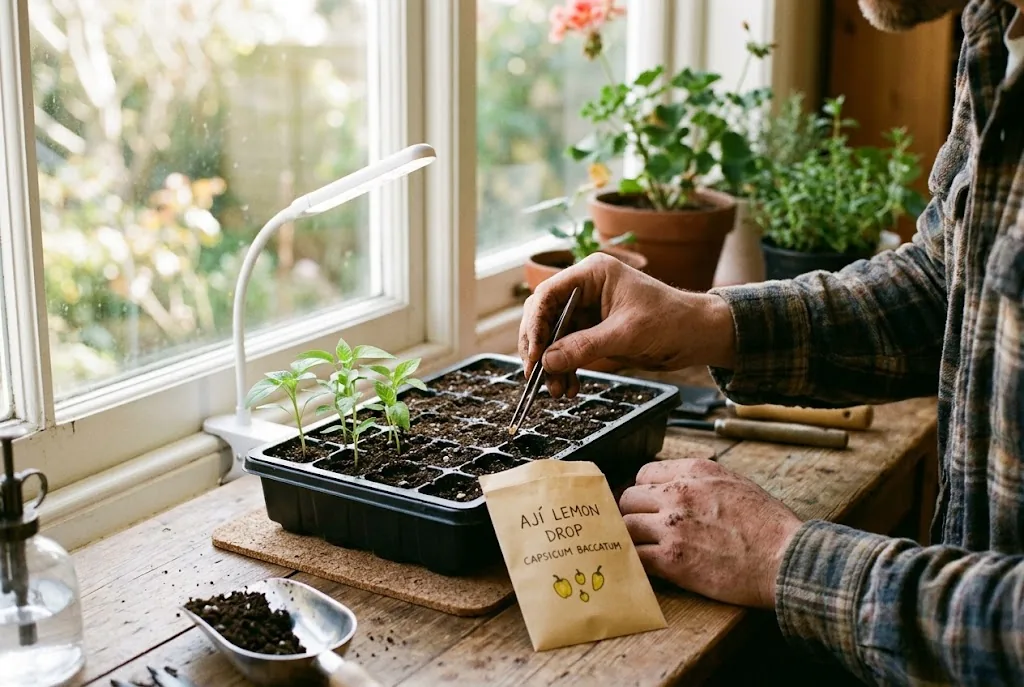
Move seedlings into larger pots as roots fill their starter cells. Harden them off gradually, then transplant outdoors after frost danger has passed and nights are warm. Choose full sun and well-drained, fertile soil. NParks notes that this cultivar tolerates cool nights, though it still needs a long warm growing season. In cool regions, grow in a large container that can be moved under cover when the season turns cold. Follow the supplier’s spacing advice and leave room for the branching canopy.
Water deeply when the surface begins to lose moisture, then let excess drain. Consistent moisture supports flowering and fruit set; soggy soil can damage roots. Mulch after the soil warms to slow evaporation. Avoid heavy nitrogen feeding, which may produce abundant leaves at the expense of flowers.
Inspect new growth for aphids and mites, and remove badly damaged leaves. Flower drop during extreme heat can ease when temperatures moderate. Depending on local weather and the seed line, expect about 90 to 100 days from transplanting to ripe pods. For another pepper in the same broad group, read about Ají Amarillo peppers.
The branching habit and bright mature pods also make the plant an edible ornamental for a sunny patio. Set the container where it receives full sun and where you can reach the fruit easily at harvest.
Harvest and safe handling
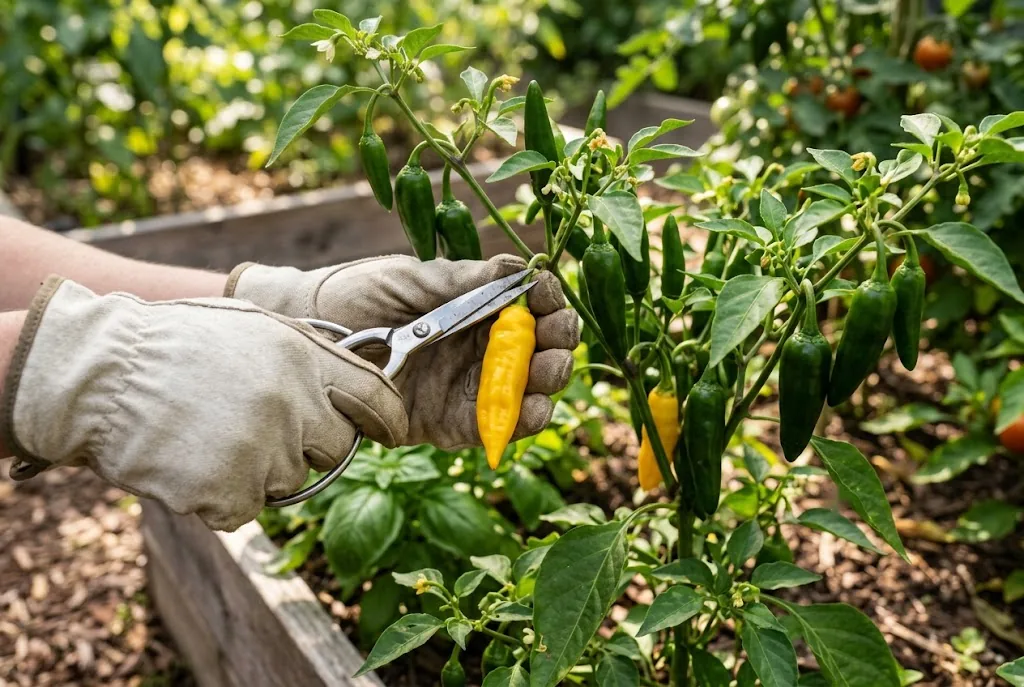
Cut pods with clean pruners instead of pulling them from the branch. Check plants every few days during a harvest flush, especially after rain. Prompt picking encourages flowers and fruit to set again, as West Virginia University Extension notes for garden peppers. Even productive plants vary in total yield with season length, container size, and care. Wear food-safe gloves when handling hot peppers if your skin is sensitive. Keep hands away from eyes and face, then wash hands, tools, and work surfaces thoroughly. Store peppers where children and pets cannot reach them.
Cooking Hot Peppers: Drying and Storage
Use fresh peppers sparingly in salsas and hot sauces: start with one slice and taste before adding more. This fruity, tangy seasoning pepper pairs with tomatoes, mango, pineapple, onion, seafood, chicken, corn, and beans, and it also works in ceviche-style preparations. For quick homemade hot sauce, blend it with garlic, vinegar or lime juice, salt, and tomato or mango, then simmer briefly to soften the sharpest edge.
The Chile Pepper Institute recipe card pairs it with grilled corn, showing how the pepper balances the corn’s sweetness. Pepper jelly is another preserving option; start with a modest amount to keep its heat in balance. You can also add minced pepper to beans, marinades, or a lime dressing. For a broader list of distinctive varieties to grow and cook with, see our guide to rare chili peppers.
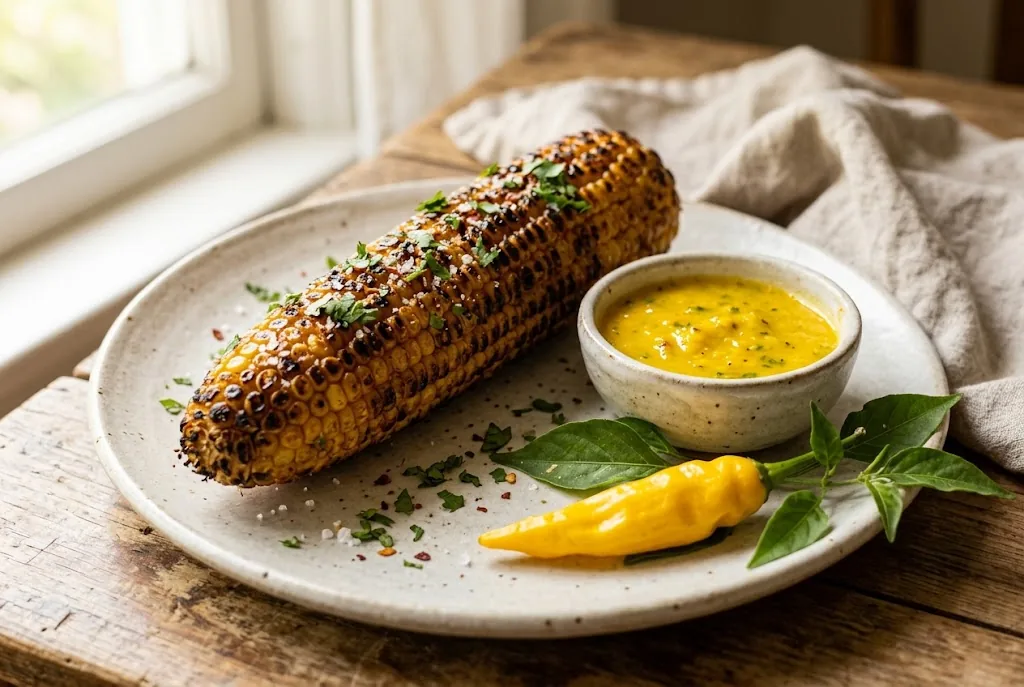
Preserve clean pods in a food dehydrator until brittle, then store them whole or grind them into flakes. Let them cool before grinding, and avoid breathing the fine powder. Keep the result in an airtight container away from heat and light. Refrigerate unwashed fresh pods in a breathable bag and use them promptly. Freezing whole or chopped peppers also works well; thawed pods soften, so add them to cooked dishes. Crumble the dry flakes over beans, eggs, or roasted vegetables.
Frequently asked questions
Is Lemon Drop the same as ají limo?
No. The former is a golden-fruited C. baccatum; ají limo is generally identified as C. chinense. Similar names and loose labeling can cause mix-ups.
Does it taste like a lemon?
It has a zesty, citrus-like aroma with a noticeable kick. The taste is not the same as lemon juice and adds no acidity.
How long does it take to turn ripe?
Allow about 90 to 100 days after transplanting as a guide. Cool weather and low light can delay ripening; give pods time to ripen fully for their best taste.
Can I grow it in a container?
Yes. Use a roomy pot with drainage, potting mix, and full sun. Container soil loses moisture faster than a garden bed, so check it regularly and water when needed.
Quick facts
- Origin: Peru
- Other names: Ají Limón, Hot Lemon
- Typical heat: 15,000 to 30,000 SHU, with variation among listings and pods
- Mature color: Golden
- Flavor: Bright and lemony
- Time to ripe pods: About 90 to 100 days from transplanting
With steady warmth, full sun, and enough time to mature, this pepper can supply bright, useful heat for fresh dishes and preserved seasonings.
