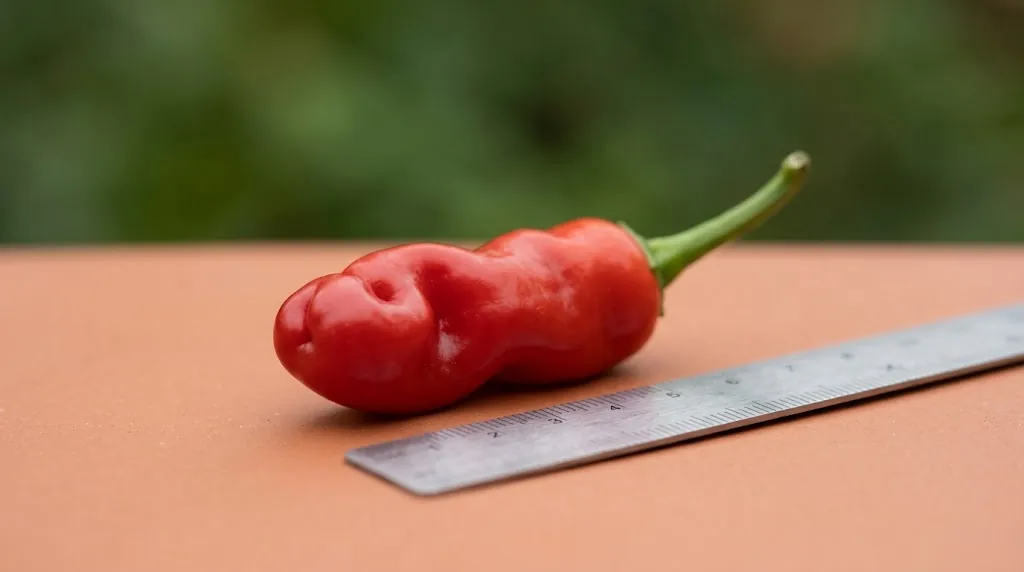
Peter pepper is a real chili, not a novelty made with a mold. Its bent, blunt-ended fruit is instantly recognizable, but this Capsicum annuum is also an edible crop with a documented American seed history. Learn how hot the pods can be, what growers know about their origins, and how to raise, harvest, store, and cook them.
For a wider look at the crop, our guide to types of chili peppers explains how species, fruit forms, and heat levels differ.
What is a Peter pepper?
This long-fruited chili belongs to Capsicum annuum. Catalogs commonly sell a scarlet-fruited form as ‘Peter’ or ‘Red Peter’; yellow-fruited seed is also available. Mature pods are usually listed at 4 to 6 inches long, with a substantial wall, a blunt rounded end, and an irregular cleft or crease that makes their shape distinctive, according to Pepper Joe’s variety listing and Urban Farmer’s seed description. Green fruit ripens to scarlet in the common form, while the yellow line matures to yellow.
Seed sellers do not use one standardized description, so seedlings from different packets may vary in color, outline, or pungency. Buy from a reputable supplier and keep its label. Do not confuse this heirloom-type chili with ‘Peter Piper,’ a separate named pepper described in a 1963 South Dakota State College experiment-station bulletin as an F1 hybrid.
Origin and history: an heirloom with a documented seed story
The exact geographic origin and first breeding date remain uncertain. A University of Tennessee heirloom-seed study documents a Knoxville, Tennessee, mail-order business that sold “Peter Pepper Seeds” and “A. Seeds” from the 1960s through the 1980s. The grower maintained an old family seed called the A. Peter Pepper and named it for its distinctive appearance. This is a documented chapter in its American seed history, not proof that Knoxville was its place of origin.
The study reproduces an undated catalog from before 1984, showing that the name had a paper trail beyond recent internet novelty. Gardeners grow this heirloom-type chili for edible fruit and as an ornamental curiosity. The name is not consistently formalized as a registered cultivar, so it is safest to understand it as a seed-trade label rather than assume every packet represents a genetically identical line.
How hot is a Peter pepper?
Seed and nursery references commonly estimate 10,000 to 23,000 Scoville heat units (SHU), including Pepper Joe’s published range. Treat that as a broad estimate, not a lab-tested guarantee for every pod. Heat can vary between seed lines, growing conditions, and individual fruits.
The estimate overlaps the upper end of many jalapeño ranges and the commonly cited range for serrano peppers. So is it hotter than a jalapeño? Sometimes, but not reliably by a fixed amount. It can still deliver a strong burn if you expect a mild ornamental chili. Begin with a small piece when cooking with an unfamiliar source.
Its flavor is often compared with a jalapeño: green and vegetal when immature, fuller and sometimes slightly sweet when ripe, with a clear peppery bite. Supplier descriptions differ, so treat this as an expectation rather than a defining guarantee.
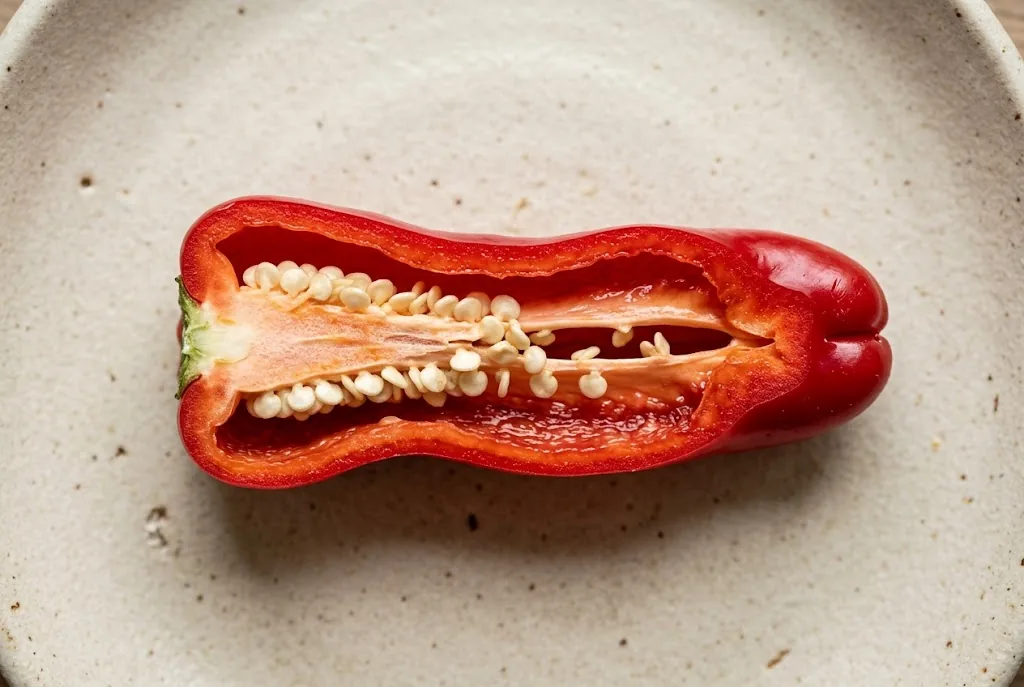
Growing Peter peppers from seed or transplants
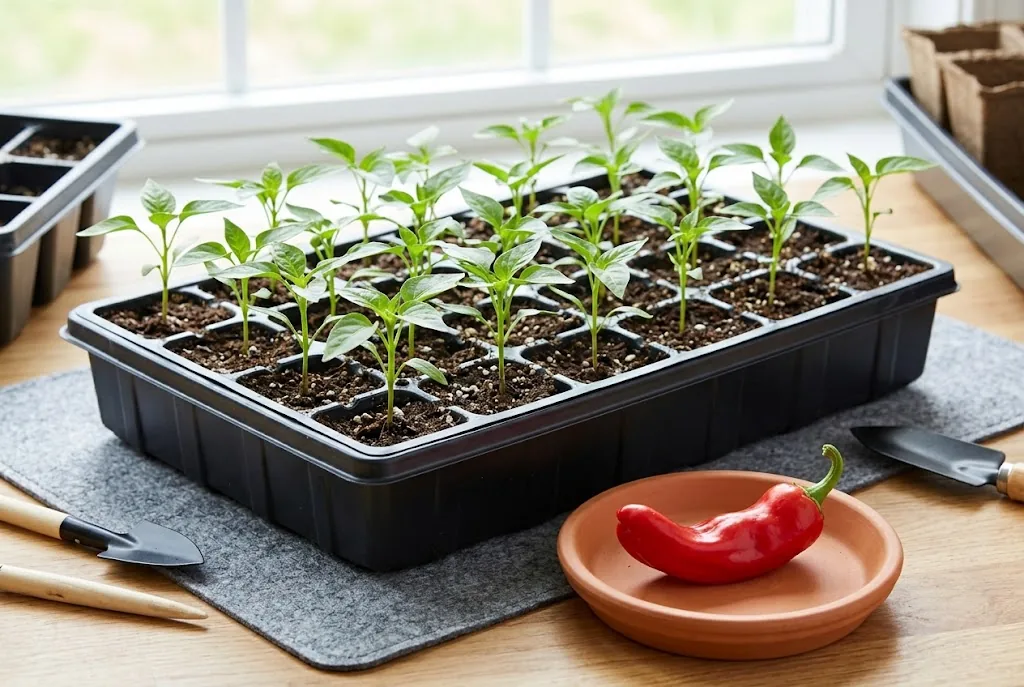
Grow it as you would another warm-season Capsicum annuum, allowing for differences between seed lines. Start indoors about eight weeks before transplanting outdoors. Sow seed roughly one-fourth inch deep in a clean, soilless mix. Pepper seed germinates best in warmth. University of Minnesota Extension’s pepper guide recommends warm germination conditions and notes that about 70°F soil is ideal. Keep the mix evenly moist, not waterlogged, and give seedlings bright overhead light as soon as they emerge.
Pot seedlings on after their true leaves appear. Harden each young plant off gradually so it adjusts to sun, wind, and outdoor temperatures. Choose a sunny, warm site with fertile, well-drained soil. Move them outdoors after frost danger has passed and nights are reliably mild. A container works too: choose a roomy pot with drainage holes and quality potting mix. A container crop usually needs more frequent watering than one in the ground.
Keep moisture steady through flowering and fruit set. Water deeply when the soil begins to dry, avoid repeatedly wetting the foliage, and mulch after the soil has warmed to conserve moisture. Stake or cage a heavily laden stem if it begins to bend. Heat waves, cold nights, dry soil, and uneven watering can interrupt growth or fruit set, so a slow week does not necessarily point to a problem with this pepper.
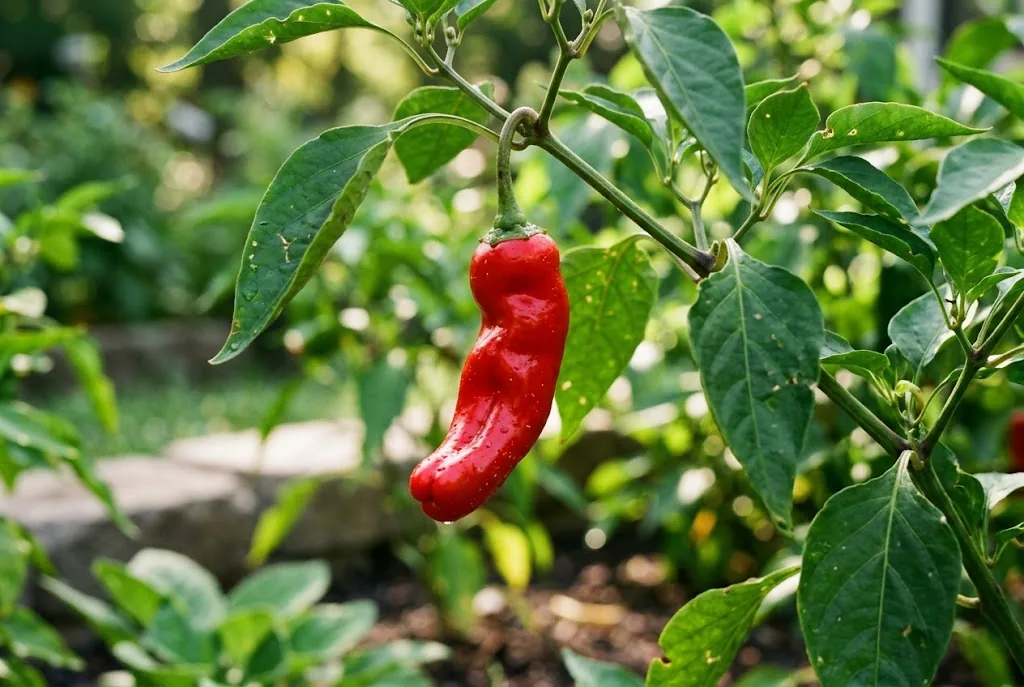
One seed seller lists about 80 to 89 days to harvest, but catalogs count maturity differently and local weather changes the schedule. Use the packet estimate as a planning range, not a promise. Pick green fruit once it reaches usable size, or leave it on the branch until it is fully colored. Mature pods should feel firm. Removing them regularly can encourage more picking while the season lasts.
Harvesting and handling the spicy pods
Clip fruit with clean snips instead of pulling hard on a branch. Wear washable or disposable gloves if you are sensitive to chili heat, and avoid touching your eyes, nose, or contact lenses while harvesting or cutting. Wash hands and tools well afterward. Capsaicin can irritate skin and eyes. Poison Control advises flushing an affected eye with plenty of warm water for 15 minutes and contacting a poison center for exposure guidance. Seek urgent medical help for serious symptoms such as breathing difficulty or persistent eye pain.
For a gentler heat comparison, see our profile of Habanada peppers, a heatless habanero with rich tropical flavor according to Cornell Small Farms.
How to store, dry, and preserve the fruit
Keep fresh pods dry and unwashed until use, then refrigerate them in a breathable produce bag or container. For longer storage, freeze whole or chopped fruit in a sealed freezer container. You can also dry fully ripe pods in a food dehydrator, then crumble or grind them for flakes and powder. Ventilate the room while processing spicy chilies and avoid breathing dust from dried fruit.
Pickling is another option. Use a tested recipe designed for peppers and follow its stated acidity, jar size, and processing method. Do not improvise a shelf-stable canning recipe by changing the proportions of vinegar, water, or peppers. For a small batch, refrigeration is a straightforward way to keep homemade pickles cold.
Culinary and ornamental uses
The pods are edible and fit wherever a spicy C. annuum works: chop a little into salsa, add slices to a sandwich, stir them into a skillet, or pickle them for a sharp condiment. Their elongated form can also be stuffed, though the cavity and wall thickness vary. Taste a small piece first, then adjust the amount to suit the dish.
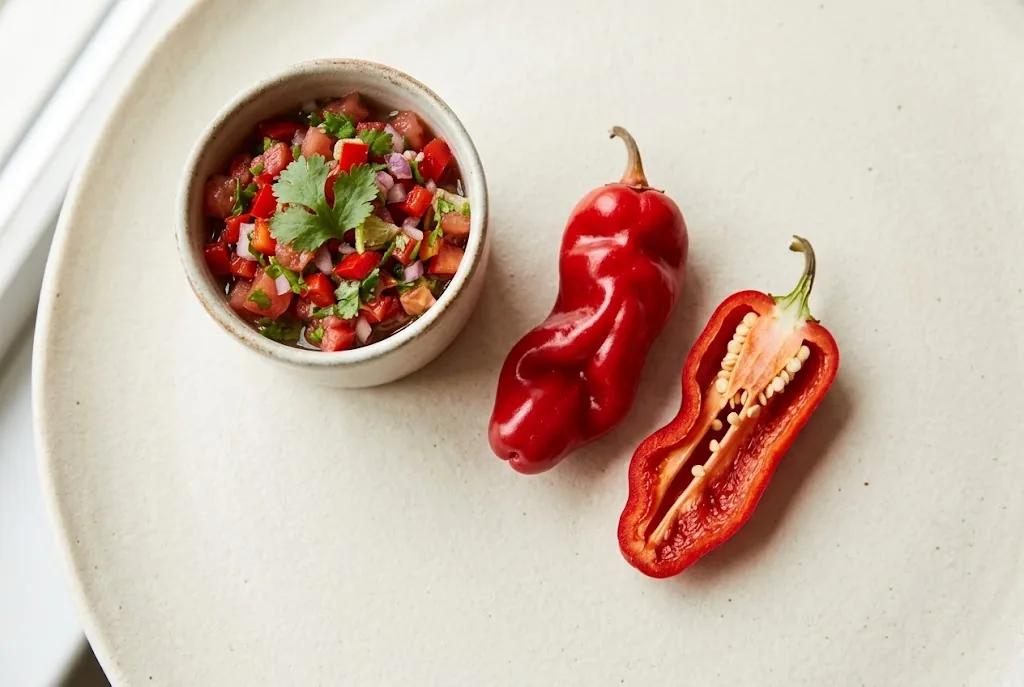
The fruit also makes a sunny patio pot or edible border more playful while staying within easy reach for harvest. For a contrasting pod form, read our profile of the 7 Pot Douglah pepper.
Common questions, answered
What is the real name of Peter pepper?
Peter pepper is the common seed-trade name. Some catalogs use ‘Peter,’ while ‘penis pepper’ and ‘Chilly Willy’ appear as informal alternate names. Labels are not fully standardized across suppliers.
Does it change color?
The common form starts green and ripens to scarlet. Yellow-fruited versions are also sold, so check the seed packet if ripe color matters to your garden plan.
Is it only ornamental?
No. It is grown as an ornamental because of its distinctive outline, but the fruit is edible and can be cooked, pickled, dried, or used fresh.
