
Some of the most rewarding peppers in a home garden are the ones you almost never see at the supermarket. Tucked into seed catalogs and small specialty farms are wild chiltepin pods the size of a pea, hair-leafed rocotos that thrive where summers stay cool, and tiny aji charapita fruit with a citrus-bright taste that gardeners chase for years. These rare hot peppers and rare pepper plants ask for a little more patience than a jalapeño, but they pay you back in taste, history, and a harvest that few of your neighbors will have on their porch.
This guide rounds up the rarest and most unusual pepper varieties worth growing, grouped by the species they come from. Use it as a starting point for picking a cultivar that fits your climate, your heat tolerance, and your curiosity, then explore the wider family of types of chili peppers for an even broader sampler.
What makes a pepper rare or unusual
The word rare means different things in the pepper world, and the most unusual pods tend to fall into a few overlapping groups:
- Heirloom and regional landraces that were never commercialized, so starter stock travels only through seed savers and small farms.
- Wild or semi-wild forms that have never been fully domesticated, like the chiltepin.
- Slow-growing species that take longer to fruit and yield less per plant, so they rarely appear in grocery supply.
- Super hot cultivars bred for record-breaking heat, which are tricky to germinate and stabilize. The bhut jolokia, carolina reaper, and trinidad moruga scorpion all sit in this group.
- Tiny, decorative, or oddly shaped pods that are awkward to harvest at scale, like the aji charapita.
None of these are impossible to grow. They mostly need patience, the right microclimate, and clean stock from a reliable source. Many gardeners find these unusual peppers are the ones that become long-term favorites in their rotation.
The five domesticated species and the rarities they hold
Every pepper plant you can grow belongs to one of five domesticated Capsicum species. Knowing which species an unusual cultivar comes from tells you a lot about how it will behave in the bed, what kind of pod to expect, and how to manage the heat level in your kitchen.
Capsicum annuum: familiar workhorses with hidden gems
Capsicum annuum is the species that gave us jalapeños, bells, and most supermarket pods. It also hides the rarest wild relatives. The chiltepin, classified as Capsicum annuum var. glabriusculum, is the wild ancestor of the cultivated C. annuum family and grows as a small shrub native to the borderlands of Texas and northern Mexico. Pods are tiny, round, and intensely hot, and the pepper plant is a perennial in warm climates. It earns the rare label not because it is hard to find in the wild, but because commercial supply is thin and germination is slow. Piquin, a closely related wild variant often sold under the same umbrella, behaves much the same way.
Within C. annuum, two Mexican landraces deserve a place in any unusual collection. Chilhuacle is an Oaxacan heirloom used in mole negro, grown for generations in small highland plots and almost lost when hybrid pods replaced it. Chile de Agua is another Oaxacan landrace, a fresh-eating pepper with semi-thick, crisp walls, jalapeño-level heat, and a herbal, fruity, sweet-and-sour flavor that turns smoky when roasted. Both are easy to raise in a regular vegetable bed once you have stock, and both bring something you cannot get from a supermarket pod: chilhuacle gives a mole deep, earthy character, while chile de agua livens up salsas and chile rellenos. A third worth knowing is the chile costeño, a smaller dark-red C. annuum landrace from Oaxaca with a sharp, almost smoky flavor that shows up in coastal moles and seafood salsas.
Capsicum chinense: heat, fruitiness, and the superhots
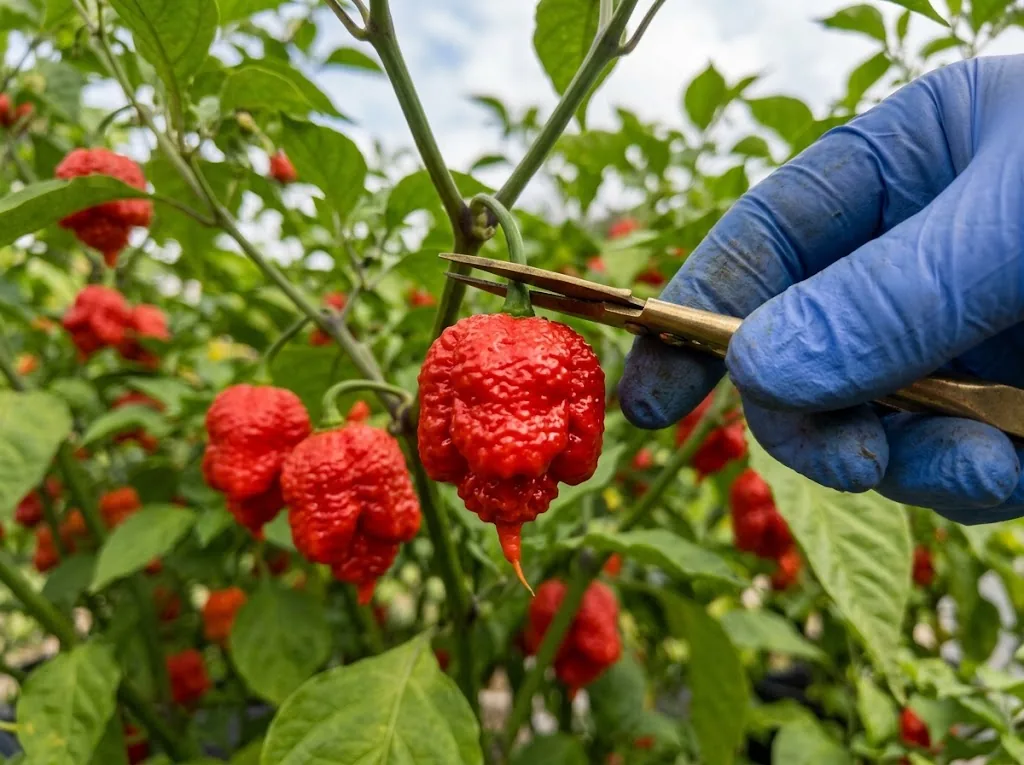
Capsicum chinense is the species behind the hottest peppers on earth, and most of its unusual cultivars are concentrated in the Caribbean, the Amazon basin, and parts of Central America. The classic habanero pepper, the bhut jolokia (also called the ghost pepper, a wrinkled red pod descended from naga varieties in northeastern India and one of the hottest peppers in the world), the carolina reaper, and the trinidad moruga scorpion all belong here, and each represents a distinct lineage of selection rather than a single strain. Their heat level runs from intense to truly punishing, with capsaicin concentrations well beyond anything in C. annuum.
One of the most sought-after is the aji charapita, a tiny yellow C. chinense from the Peruvian Amazon. The plants are modest and bushy, and the pea-sized pods carry a fruity, citrusy heat that is hot but milder than a habanero. Expect to pay a premium for stock and to wait a little longer for germination than you would for a bell. A pinch of dried charapita in a sauce or a salsa lifts the whole pot, which is why chefs prize it.
Capsicum baccatum: the South American ajis
Capsicum baccatum is dominated by the aji peppers of South America, and several of them feel rare in North American plots even when starter stock is easy to order. Aji amarillo, the amarillo pepper that defines Peruvian cooking, is technically a landrace rather than a single cultivar, and there are fruity, citrusy aji types that read as unusual to anyone used to jalapeños. Aji mango is a fruity, tangerine-colored selection grown for its distinctly tropical, mango-like aroma, and it fruits heavily in warm seasons.
Most C. baccatum types are tall, branched plants that benefit from staking and a longer season than C. annuum. They repay the wait with large yields of flavorful, often aromatic pods that work as well in a fresh salsa as they do ground into a homemade seasoning blend.
Capsicum pubescens: the mountain pod
Capsicum pubescens is the species that behaves least like a typical pod. Native to the Andes, it evolved in high-altitude valleys with cool nights and misty mornings, and it shows that history in its looks: fuzzy hairy leaves, purple flowers, and dark black seeds inside thick-walled pods. The rocoto, sometimes sold as manzano or locoto, is the best-known member and a rare treat for growers in cool climates, since it actually prefers temperatures below what most peppers enjoy. It is also unusually long-lived as a perennial, especially when overwintered indoors.
For a deeper profile of one standout species in this group, see our full guide to Rocoto peppers.
Capsicum frutescens: the small wild ones
Capsicum frutescens is the smallest group commercially, and it is dominated by tabasco and the small upright-fruiting pods of tropical Africa and Asia. The wild forms are hard to find outside their native ranges, but cultivated strains like tabasco and piri piri are unusual enough in most home plots to feel rare. They are also remarkably productive once established.
Eight rare peppers worth a spot in your bed
The cultivars below are a good starter set for a collection focused on the unusual. Each card covers what the plant looks like, how hot it is, and what it asks of the gardener.
1. Chiltepin: the wild mother of all pods
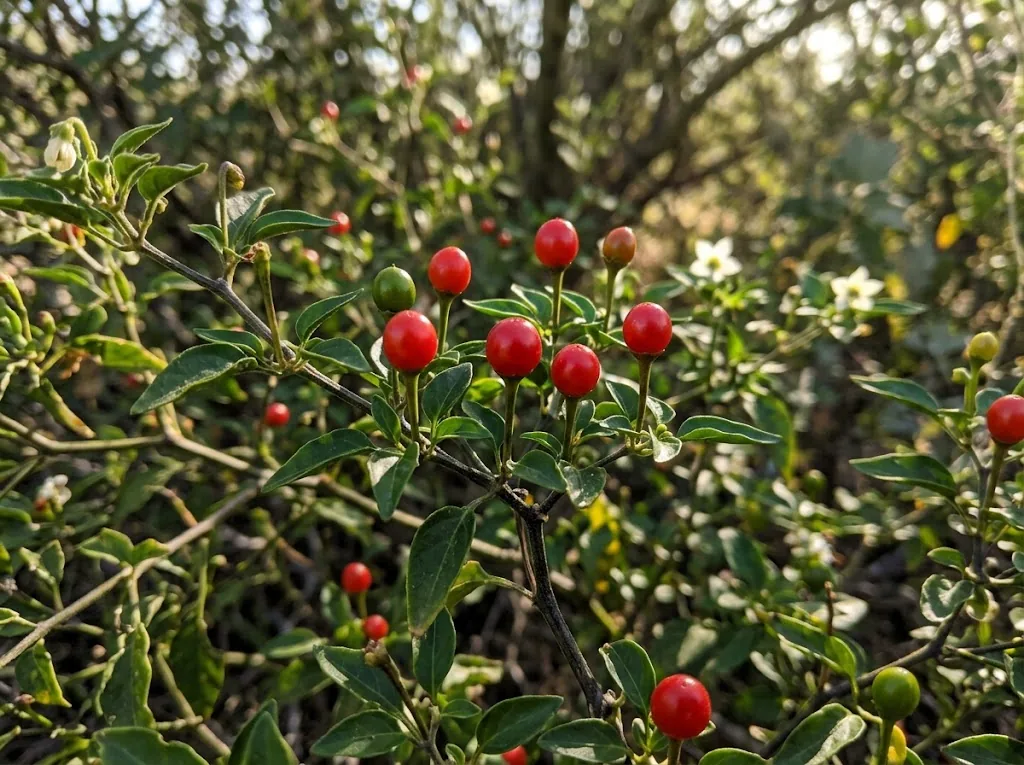
The chiltepin is often called the mother of all chilies, a wild shrub native to the Sonoran desert and the southern US borderlands. Plants are compact, with small leaves and upright pea-sized pods that ripen from green to red and pack surprising heat for their size, often around 50,000 to 100,000 Scoville heat units, though published ranges run wider. Plants are slow to germinate and prefer warm soil and a long season, but they can live for many years in mild winters. In the wild, birds swallow the ripe pods and spread the seed across the borderlands, which is why the species keeps appearing in new canyons each year. For a closer look at this wild pod, our full chiltepin guide covers the species in detail.
2. Rocoto Manzano: a high-altitude pod
Rocotos look like no other garden pod. The leaves are fuzzy, the flowers are bright purple, and the pods are apple-shaped with thick walls, a pointed tip, and black seeds. Heat ranges from about 30,000 to 100,000 Scoville units depending on the line, and the taste is unusually fruity and juicy. The catch is that rocotos prefer cool nights and will drop flowers in extreme summer heat, which makes them rare in hot southern plots and a prize in mild climates. Their slow growing habit is part of what makes them feel like a different vegetable altogether, and most gardeners report the plants need an extra month or two of warm weather compared with a jalapeño before they set their first pods.
3. Aji Charapita: tiny and pricey
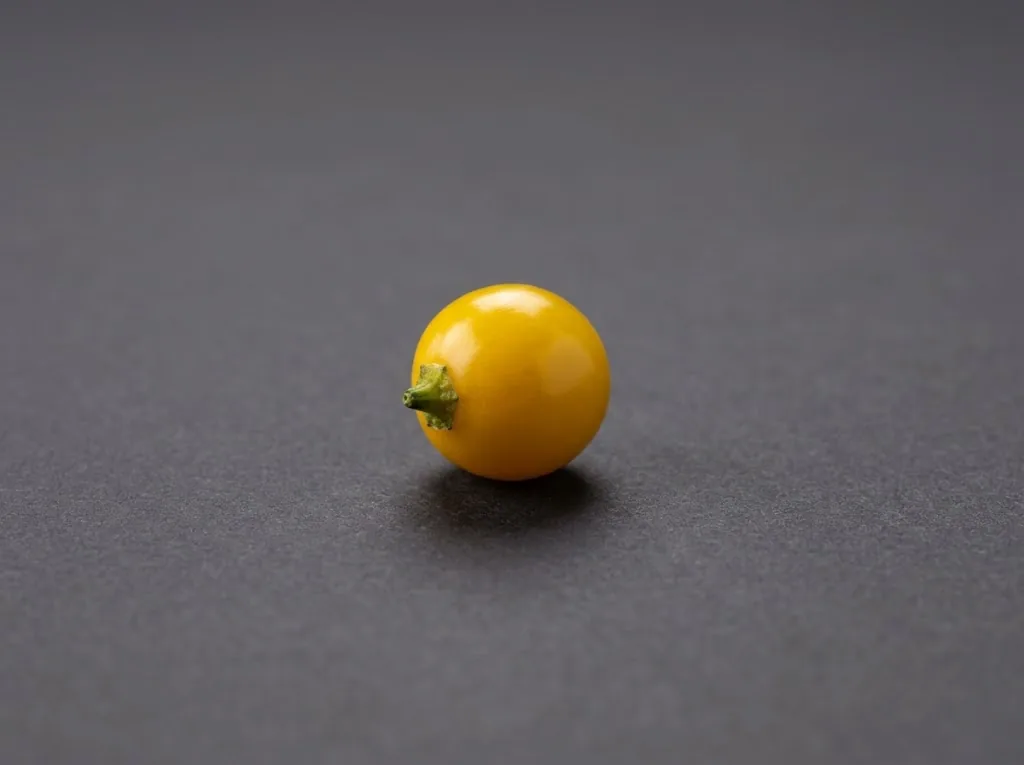
The aji charapita is one of the priciest pods on the market, grown in the Peruvian Amazon and often sold dried by the ounce at premium prices. The pods are tiny, round, and yellow when ripe, with a citrus-fruity aroma and a heat level of roughly 30,000 to 50,000 Scoville units, hotter than a jalapeño but milder than a habanero. Plants are compact and can fruit indoors under lights, though germination is slow and yields per plant are modest. Use the pods sparingly in hot sauces or as a finishing seasoning on grilled fish.
4. Aji Amarillo: the bright yellow Peruvian
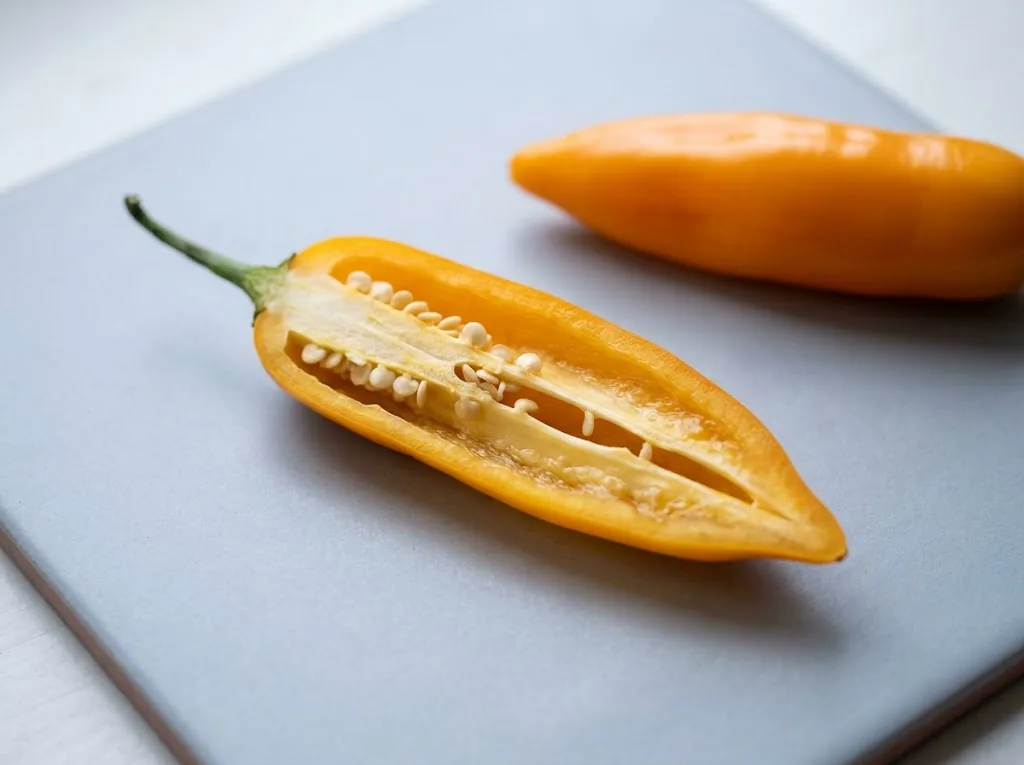
Aji amarillo is the backbone of Peruvian cooking, with bright orange-yellow pods that can reach six inches long. The amarillo pepper as it is known in many catalogs gives Peruvian stews and salsas their characteristic golden color. Heat is moderate, usually in the 30,000 to 50,000 Scoville range, and the taste is fruity with a sunny, almost mango-like sweetness. Plants grow tall and benefit from staking and a long warm season. The ripe pods dry beautifully into a paste that becomes the base of countless Peruvian dishes.
5. Chilhuacle: an Oaxacan heirloom for mole
Chilhuacle is an Oaxacan heirloom grown almost exclusively for mole negro and other traditional sauces. Pods are small to medium, with a deep brown to nearly black chocolate-brown color when ripe and a smoky, raisin-like taste that is hard to substitute. Stock is limited because the type has never been widely commercialized, and it is a slow grower in cool climates. A few plants supply enough pod for a winter of mole.
6. Trinidad Moruga Scorpion: one of the hottest on earth
The Trinidad Moruga Scorpion was identified as the hottest pepper in the world in 2012 by New Mexico State University’s Chile Pepper Institute, with an average above 1.2 million Scoville units, as CBS News reported. The record has since been passed, but it remains one of the most intensely hot types you can grow. Plants are productive, but pods must be handled with gloves and kept well away from children and pets. Expect a long germination period, a long season, and very small harvests per plant compared with milder pods. Use sparingly in hot sauces and curry pastes where you want intense heat without a heavy pod. Even one trinidad moruga scorpion in a sauce is enough for a family-sized pot.
7. Aji Mango: tropical and fruity
Aji mango is a C. baccatum selection prized for a tropical, mango-like aroma that comes through clearly in fresh salsas and ceviches. Pods ripen to a tangerine orange and are moderately hot, roughly 25,000 to 50,000 Scoville units, comparable to a hot serrano. Plants are tall and benefit from staking, and they fruit heavily in a warm season. The aromatic quality makes them a favorite of chefs who want a pod with personality.
8. Bolivian Rainbow: ornamental and edible
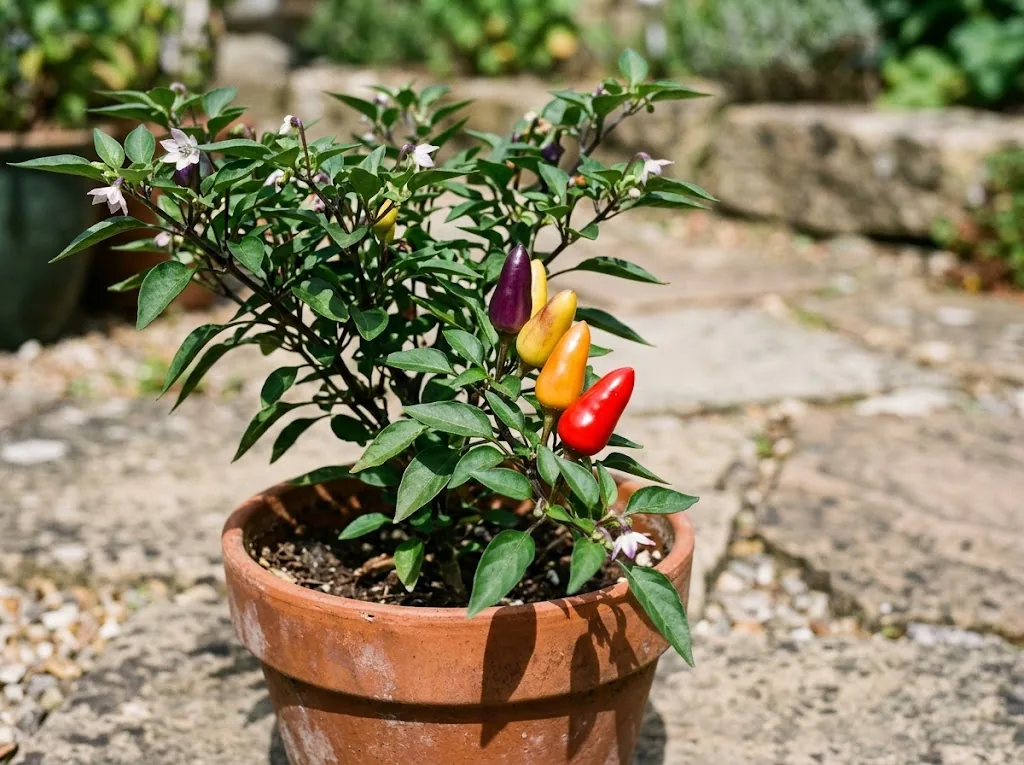
Bolivian rainbow is grown mainly as an ornamental, but it earns a spot on this list because the plants stay small, the pods cycle through purple, yellow, orange, and red on the way to ripeness, and they are genuinely edible with a sharp jalapeño-level heat. It is unusual to see a plant covered in so many colors at once, and it fits well in a pot on a sunny porch. The ripe pods are also a striking addition to a kitchen counter.
Where to find rare stock
Most rare pepper varieties never appear in big-box seed racks, so plan to source them from a few specialty channels. Heirloom companies like Baker Creek Heirloom Seeds, trade-only vendors focused on Capsicum, and swaps through local herb societies are good places to start. Look for sellers that name the type, the species, and the country or region of origin, and avoid generic listings that describe a pod only as hot or ornamental.
For superhot and unstable crosses, buy from a vendor that tests germination rates, and order fresh stock each season if you can. Older superhot seeds lose viability faster than common types.
Growing tips for the slow and unusual ones
Rare peppers reward patience more than fertilizer. A few practical points cover most of them:
- Bottom heat at germination helps, especially for C. chinense and C. pubescens. A heat mat set around 80 to 86 degrees Fahrenheit (27 to 30 degrees Celsius) shortens germination time and improves the rate.
- Longer-season types should be started indoors eight to ten weeks before the last frost, not the six weeks that works for jalapeños.
- Rare pods dislike cold roots and wet feet. Use a free-draining potting mix and warm containers.
- Many wild and high-altitude types prefer cooler nights once established, which is part of why they are rare in hot southern plots.
- Save seeds from your best-performing plants each season, since rare types are not always available the next year.
- Super hot lines especially benefit from steady feeding once flowering starts, since they use energy to set many pods at once.
Safety and handling for the superhots
Anything above roughly 100,000 Scoville heat units should be treated with respect. Wear gloves when harvesting or seeding, wash your hands and tools thoroughly afterward, and keep superhot pods clearly labeled and out of reach of children and pets. Capsaicin moves easily, so do not touch your face or eyes while working with these pods, and never grind a superhot in a kitchen mill without a strong exhaust plan. Even a tiny amount of superhot dust can ruin an evening, and the oils linger on cutting boards and skin long after the pods are gone. Cooking-school guidance on handling hot peppers safely makes the same points about gloves, cold-water cleanup, and keeping hands away from your eyes.
Frequently asked questions about rare peppers
How rare are these really?
Most are not endangered in the wild, but they are rare in commerce. Supply is thin for landraces that have never been commercialized, and wild forms like the chiltepin are not harvested at scale because the plants are small and yields are low.
Are rare types harder to grow than common ones?
Most are not difficult in the right climate. They are slower to germinate, slower to mature, and more particular about temperature than a jalapeño, but anyone who can raise a bell can raise most of these with a longer season and a little bottom heat.
Can I save seeds from rare types?
Yes, and it is a good idea. Hand-pollinate or isolate the ones you want to keep pure, especially the superhots and the aji types, and store dry stock in a cool, dark place. Properly stored seeds can stay viable for three to five years.
Where do most rare pods come from?
The center of diversity for Capsicum is South America, particularly Peru, Bolivia, and the Amazon basin. Mexico contributes many heirloom landraces, and the Caribbean has given us the superhot lineage. Smaller specialty centers exist in Africa and Asia for the species that moved there centuries ago.
Build your own rare pepper collection
Pick one cultivar from a species you have not grown before, source stock from a reputable seller, and give it a full season with the conditions it actually prefers. A single rocoto in a cool corner, a chiltepin in a sunny bed, and an aji charapita in a pot under lights together cover three of the five domesticated species and most of what makes these pods feel unusual. From there, the wider world of rare and unusual chili peppers is wide open.
