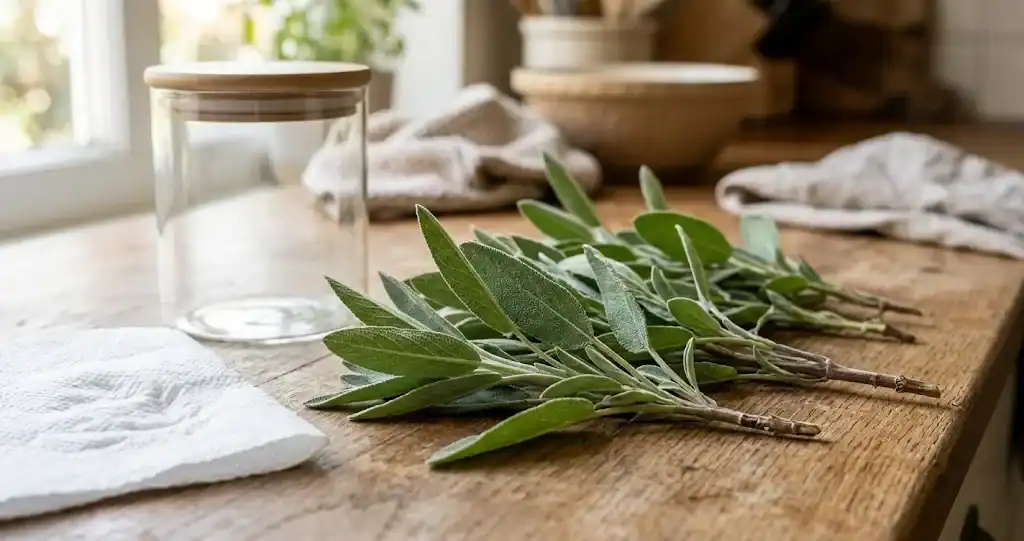
A successful sage harvest leaves you with a wonderful problem. You have more bold, earthy leaves than you can use in one meal. Knowing how to preserve sage properly ensures none of that flavor goes to waste, whether you plan to use it next week or next winter.
Your storage method depends on how long you need the herb to last. To get the best results, start with healthy, green leaves. Knowing when and how to pick your sage makes a big difference in how well it keeps.
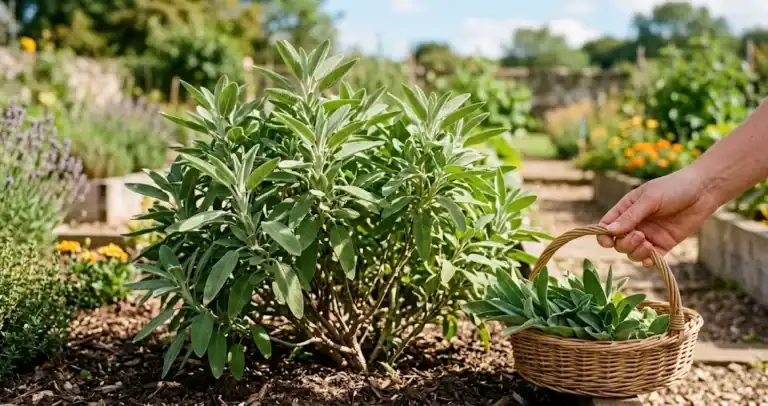
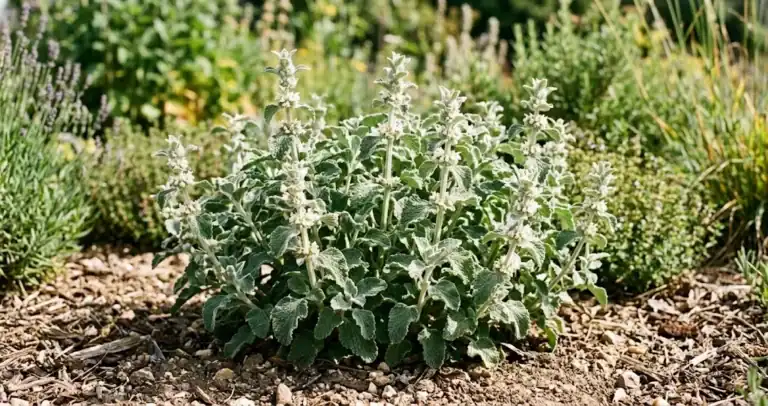
Take your pruning shears out to the garden. The true sage plant, Salvia officinalis, offers the best aroma and maximum flavor just before it blooms. Before you start preserving, inspect your cuttings carefully. Remove the leaves that are damaged, discolored, or showing signs of pest damage. These will spoil faster and could ruin the rest of your batch.
If you want to keep herbs effectively, especially when gathering a large amount at once, you might also want to review our broader guide on harvesting herbs correctly to keep all your plants healthy and productive.
How to Store Fresh Sage in the Refrigerator
Unlike cilantro or basil, sage leaves are thick and sturdy. This aromatic herb holds up well in the refrigerator if you protect it from drying out. The same approach works to store herbs like rosemary and thyme, which share a similar woody texture.
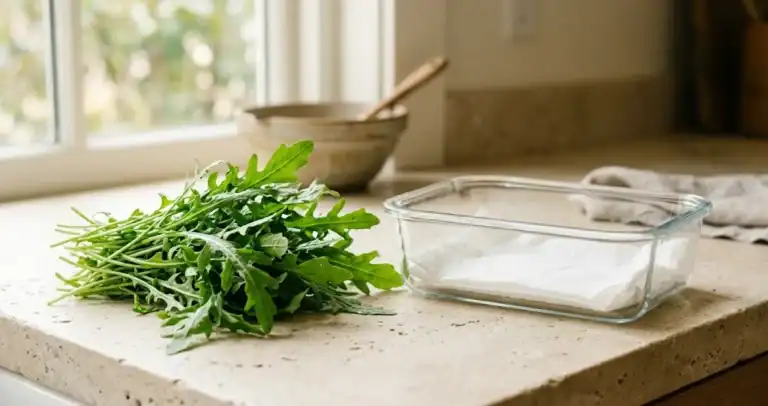
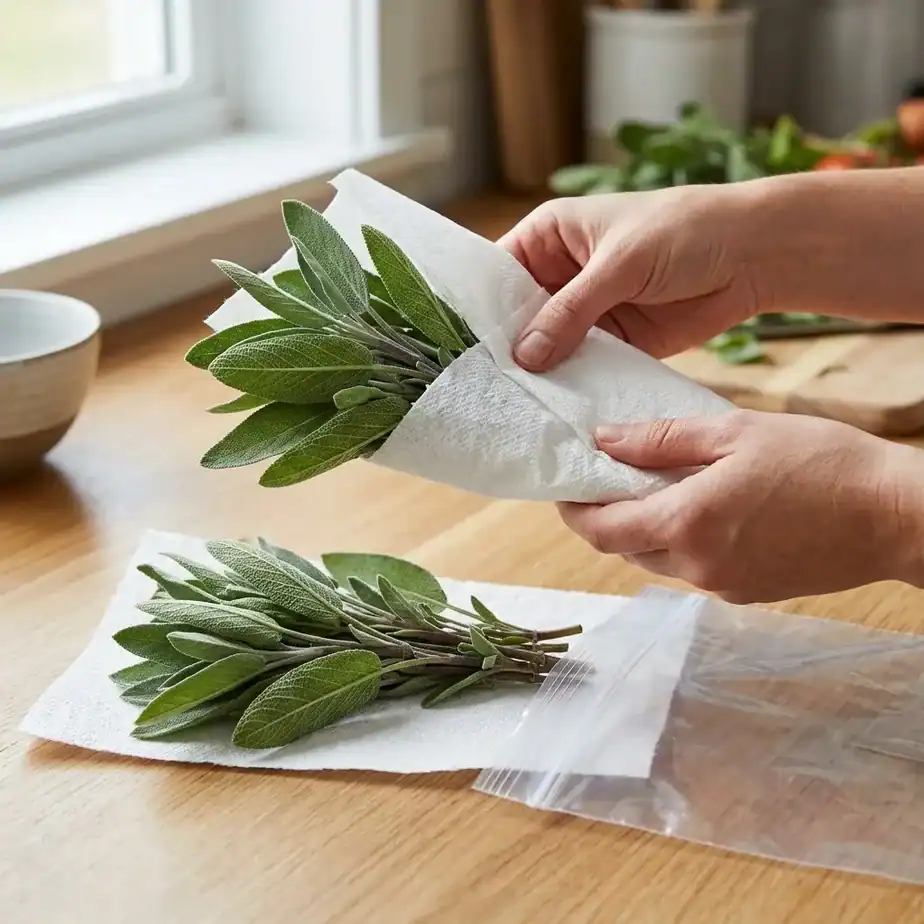
To keep your sage leaves flavorful for up to two weeks, keep the unwashed sprigs wrapped in a damp paper towel. Place the wrapped bundle inside a plastic bag or an airtight container. Press out the excess air and seal it. Place the container in the crisper drawer of your refrigerator, where the humidity is higher. Wait to wash and pat the leaves dry until right before you use them. Too much moisture trapped inside can cause the leaves to turn dark and spoil quickly.
Keeping Sage in Water
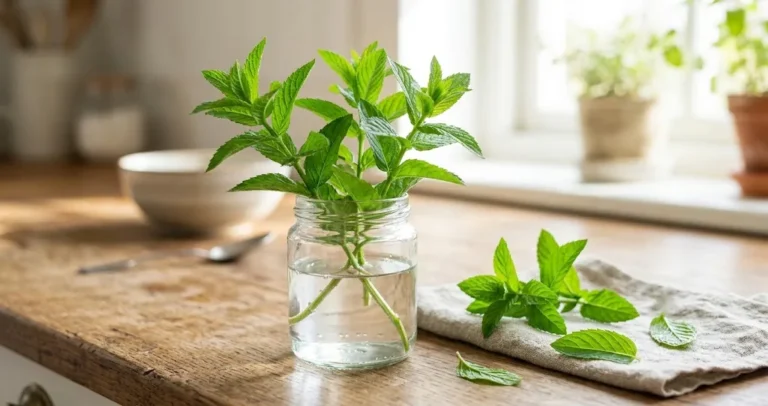
If you plan to use your fresh herbs within a few days, you can treat them like a small bouquet. Snip the ends of the stem and place the bunch in a glass or a small vase with an inch of clean water. Keep the glass at room temperature on your kitchen counter, away from direct sunlight. Change the water daily so it stays clear. This simple method keeps the fragrant leaves perky, though they will eventually wilt if left too long.
How to Freeze Sage for Maximum Flavor
Freezing preserves the strong potency and flavor of sage beautifully. The texture will become soft after thawing, so frozen leaves work best for culinary purposes rather than as a fresh garnish.
Freezing Whole Leaves
To freeze the leaves successfully, wash your clippings and pat them completely dry. Strip the leaves from the woody stems. Lay the leaves flat on a baking sheet lined with parchment paper, making sure they do not overlap. Place the sheet in the freezer for about two hours. Once the leaves are solid, transfer them to a freezer-safe bag. This flash-freezing step prevents the leaves from sticking together, allowing you to grab exactly what you need for cooking purposes later.
Freezing Sage in Olive Oil
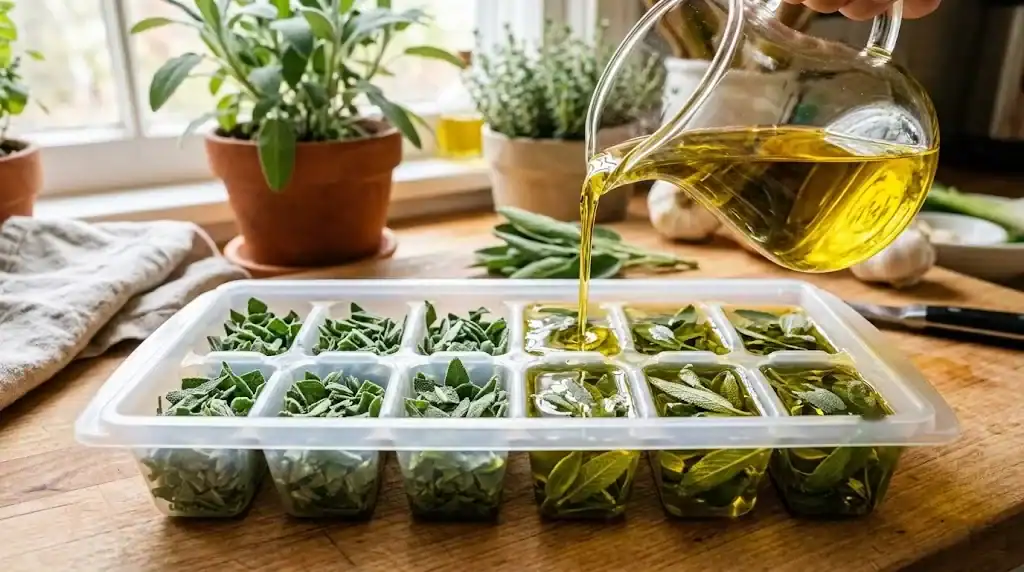
If you often use the herb in a hearty stew, broth, or marinade, freezing it in oil is a great shortcut. Mince the fresh leaves finely. Divide the chopped herb into an ice cube tray, filling each section about halfway. Pour neutral olive oil or melted butter over the chopped pieces until the leaves are submerged. Freeze the tray until solid, then pop the cubes out and stash them in a freezer bag. You can drop this fragrant addition directly into a warm skillet to start home cooking.
How to Dry Sage
Drying is the classic way to preserve sage for the pantry. Dry herbs have a more concentrated flavor than fresh, so you will typically use less in recipes. If you grow rosemary, thyme, or oregano, you can use these same steps to dry them alongside your sage leaves.
Air-Drying the Harvest
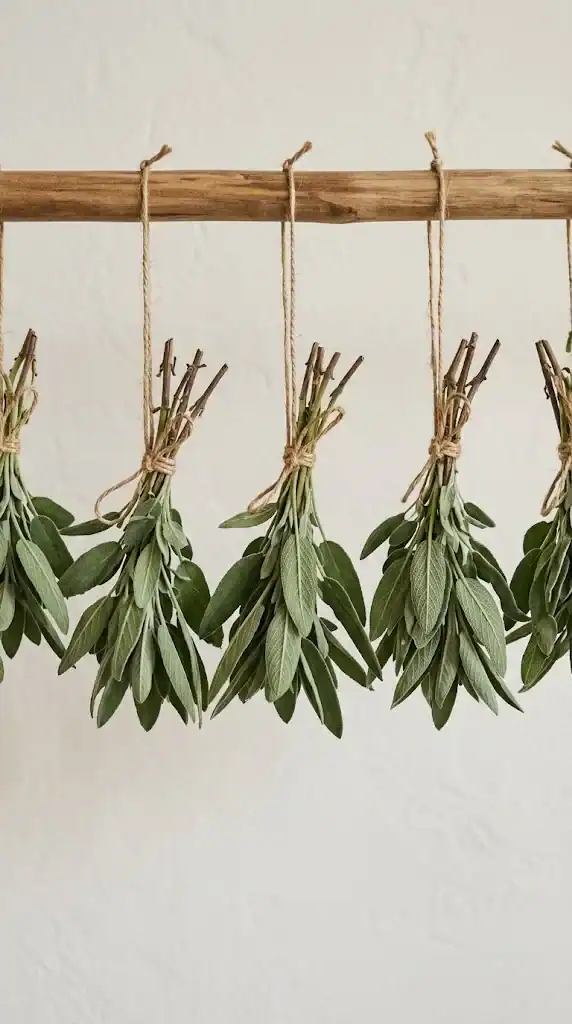
To air dry your harvest, you need time but no special equipment. Cut long stems and bundle three or four together. Tie the stems at the base with string or twine. Hang the bundles upside down in a warm, dry place with good air circulation. Keep them out of direct sunlight, which can bleach the color and weaken the aromatic qualities. In one to three weeks, the leaves will feel crisp and crumble easily.
Using a Food Dehydrator
A dehydrator is the fastest and most reliable way to dry sage, especially during humid summer months. Wash and thoroughly dry the leaves, then remove them from the stems. Spread the leaves in a single layer on the dehydrator trays. Set the temperature to 95 to 115 degrees Fahrenheit. Check the leaves after one hour. They are ready when they snap cleanly rather than bending.
Oven-Drying the Leaves
If you do not have a dehydrator, you can use your oven on its lowest setting. Place the clean, dry leaves on a baking sheet lined with parchment paper. Prop the oven door open slightly to let moisture escape. Check the leaves every 15 minutes. This method requires careful watching so the herbs do not cook or turn brown.
Storing Dried Sage for Freshness
Once your sage is completely dry, strip the leaves from any remaining stems. You can leave the leaves whole or crumble them. Whole leaves retain their essential oils and aroma much longer.
Place the dried sage in a mason jar or another glass container. Set the jar in a cool, dark place like a cupboard or pantry away from the heat of the stove. Avoid keeping it in a paper bag, which lets in air and moisture. Properly kept, dried sage will hold its strong flavor for up to a year. When you are ready to cook, look for some delicious sage recipe ideas to put your harvest to good use.
Delicious Uses for Preserved Sage
Whether you use fresh or dried leaves, sage adds a savory, earthy note to many dishes. It pairs naturally with rich foods like sausage, poultry, and butter sauces. Try adding a sprig or a pinch of dry sage to roasted butternut squash, or blend it into your favorite holiday stuffing. You can also tie fresh stems together with thyme and bay leaves to make a classic bouquet garni for flavoring soups. Even baked goods like savory scones benefit from a small pinch of this versatile spice.
Frequently Asked Questions
Should I wash sage before putting it away?
Do not wash the leaves before putting them in the refrigerator. Wait until you are ready to cook. However, you should wash and thoroughly dry the leaves before freezing or drying them to remove dust and insects.
How can I tell if the herb has gone bad?
The herb is past its prime when the velvety leaves turn dark brown or black, feel slimy, or develop a sour smell. If you see any mold, discard the herbs immediately.
Can I preserve store-bought sage the same way as garden sage?
Yes. A home gardener and a grocery shopper can use the exact same methods. If your store-bought herbs come in a plastic clamshell, take them out and keep them wrapped in a slightly damp cloth to extend their freshness.
Does freezing change the flavor of the fresh herb?
Freezing maintains the bold, robust flavor of the herb very well, but it does alter the texture. Once thawed, the leaves become limp and dark. This is why freezing is ideal when your end goal is incorporating the herb into cooked dishes, where the soft texture blends smoothly into the meal.
Can I use dried sage instead of fresh in a recipe?
Yes, but you will need to adjust the amount. Dried herbs have a much more concentrated flavor. As a general rule, use one teaspoon of the dried herb for every tablespoon of fresh leaves called for in your recipe. Add it earlier in the cooking process so it has time to rehydrate and release its full flavor into the dish.