Anise (Pimpinella anisum) is a graceful annual Mediterranean herb cherished for its sweet, aromatic seeds and delicate lacy foliage. Often called aniseed, this classic culinary plant produces airy umbels of tiny white flowers that brighten any outdoor patch while attracting beneficial pollinators. Growing anise from seed is straightforward when you give it warm sunshine, light loamy ground, and a long summer. This comprehensive growing guide covers each stage from planting to seed storage.
Because the anise plant develops a fragile taproot, learning how to grow anise begins with direct sowing after spring frost has passed. With consistent moisture and a sunny bed, your crop will flourish through the warm months and yield fragrant seeds for baking bread, flavoring teas, and crafting traditional seasoning blends.
Understanding the anise plant and anise history
Anise belongs to the Apiaceae family, sharing kinship with caraway, dill, and fennel. While star anise comes from a woody Asian tree (Illicium verum), true aniseed is a tender annual that reaches 18 to 24 inches in height. Every part of the plant is aromatic, carrying the distinct sweet licorice aroma that cooks and home gardeners prize.
To succeed with anise growing, you need a warm growing season lasting about 120 days from sowing to seed maturity. When planning an herb garden properly, group plants with companions that share a love for bright sun and moderate water. This culinary herb is used widely across world cuisines, and throughout anise history, Mediterranean cooks relied on the seeds for breads, perfume potpourris, and traditional cordial liqueurs such as anisette.
Choosing the right planting site and soil
Finding the ideal spot in the plot ensures strong, upright growth. Plants need full sun and well-drained soil to thrive. Select a sheltered location that receives at least six to eight hours of direct sunlight each day. Strong winds can bend top-heavy flowering stems, so a sunny border or the protected middle tier of a raised bed works best.
Ground texture makes a meaningful difference in root establishment. The crop prefers loose, fertile loam with a soil pH between 6.3 and 7.0, tolerating slightly alkaline soil with ease. Heavy clay retains excess water and can rot tender roots. Before planting, check soil texture and work aged compost to the earth to improve aeration and drainage without adding excess nitrogen. Choosing a bed with well drained earth allows young roots to expand easily.
How to grow anise from seed directly in the ground
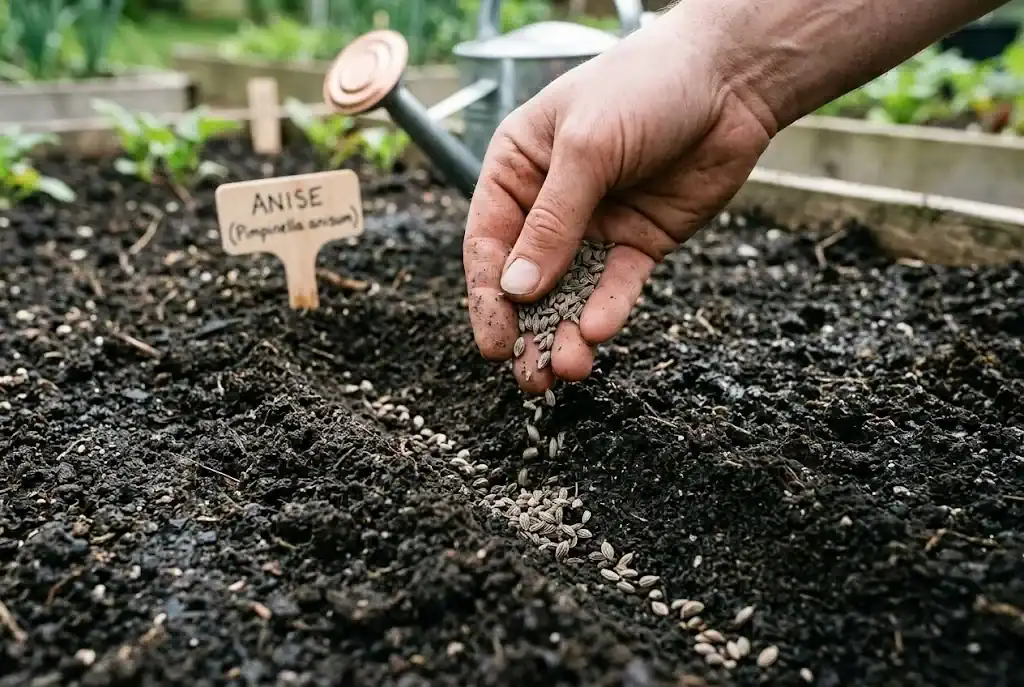
Because of its sensitive taproot, anise is best started by sowing seeds directly in the garden rather than transplanting. Container starts risk root disturbance unless you use biodegradable peat pots. For best results, sow anise directly after the danger of frost has passed when the soil temperature consistently reaches 60 degrees Fahrenheit.
Follow these practical steps for direct sowing in your bed:
- Prepare the planting plot by breaking up heavy clumps and keeping the seedbed free of weeds.
- Sow seeds shallowly, covering them with barely one-eighth to one-quarter inch of earth, as light aids germination.
- Space rows 2 to 3 feet apart to ensure good air circulation across the planting plot.
- Scatter roughly two to three seeds per inch along each planting row.
- Water gently with a fine mist or soft stream of water so you do not wash tiny seeds away.
Seeds typically germinate in 10 to 14 days when you keep the earth moist. Young seedlings may develop slowly during their first two weeks. Once each seedling develops its first set of true leaves, thin the stand to a final plant spacing of 6 to 8 inches apart. Use clean shears to snip extra seedlings at ground level rather than pulling them up by the roots.
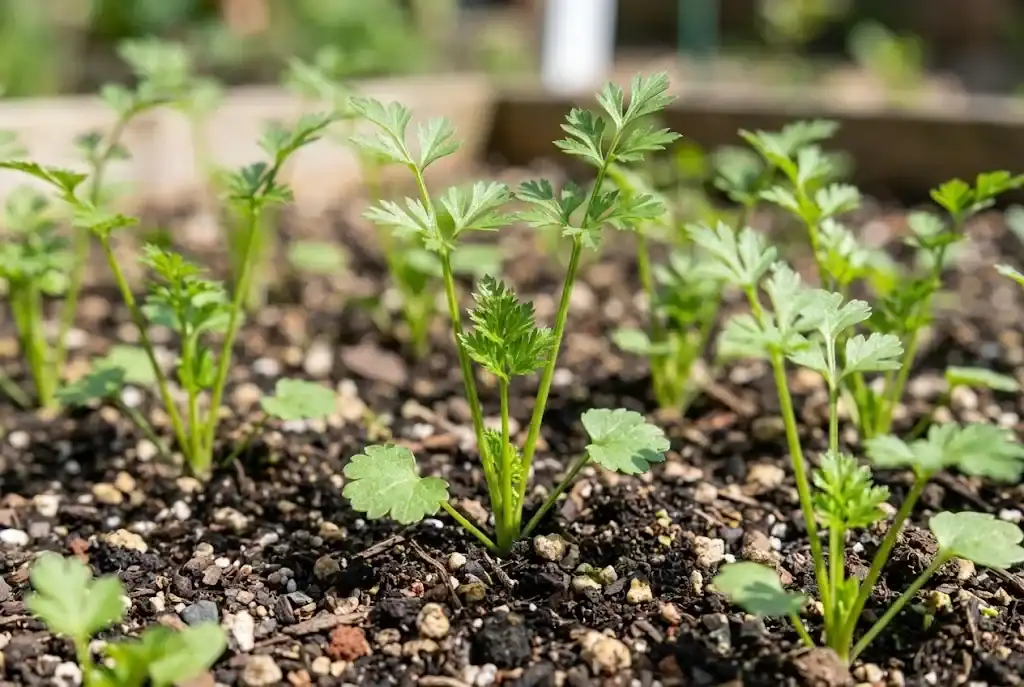
Seasonal care for anise plants and garden maintenance
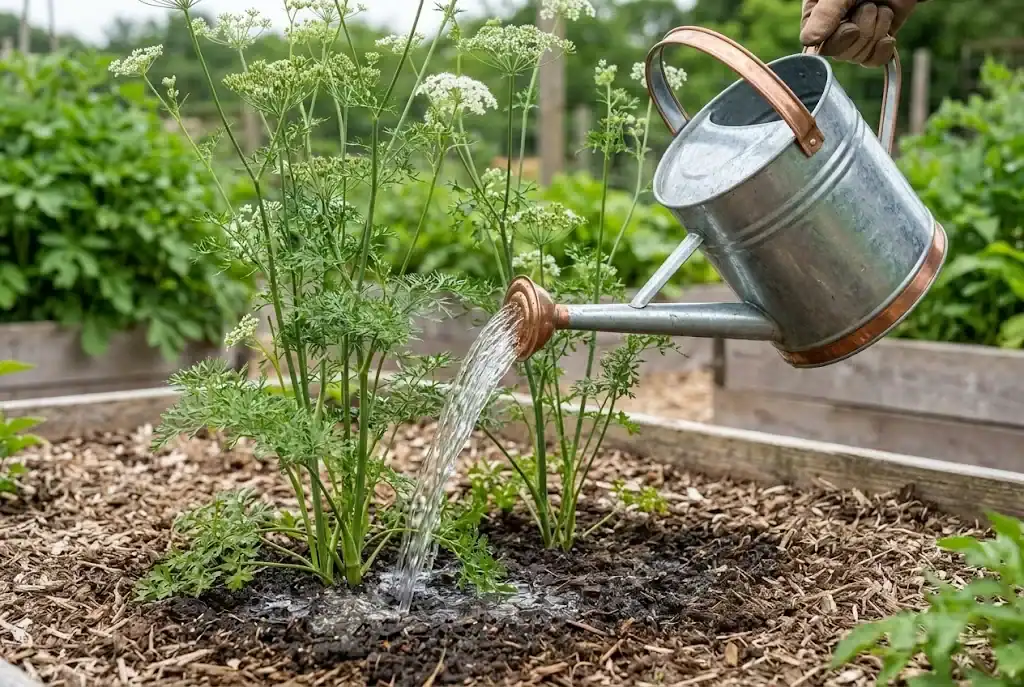
When you grow in outdoor beds with unobstructed sunshine, the crop is easy to grow and demands modest maintenance. Water the plants at ground level when the top inch of earth feels dry. While plants tolerate brief periods of drought, regular moisture during early leaf growth and midsummer bloom ensures plump, flavorful seed formation. Be sure to water at the root zone and keep the base free of standing water.
Routine care for anise plants requires minimal plant food. Heavy feeding promotes lush leafy foliage at the expense of fragrant seed umbels. A light side-dressing of organic compost applied mid-season provides all the nutrition the crop needs. Avoid synthetic, high-nitrogen fertilizer that softens stem tissue and dilutes essential oil concentration.
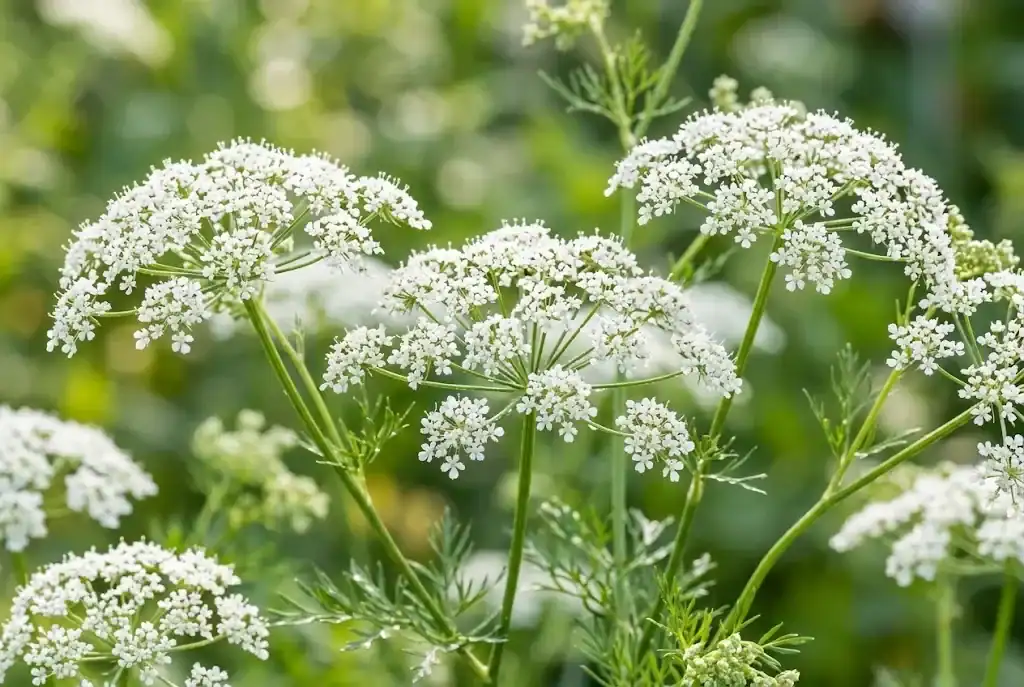
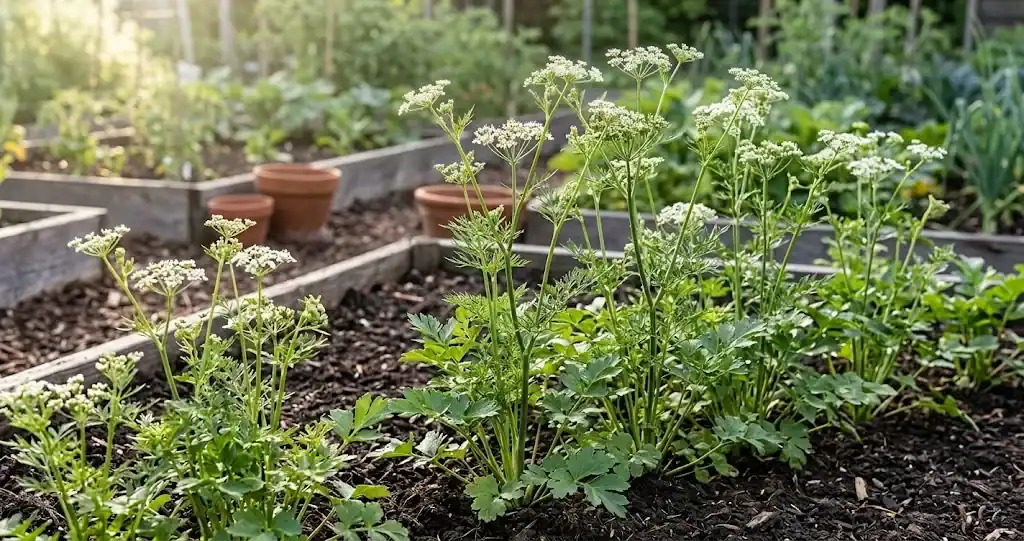
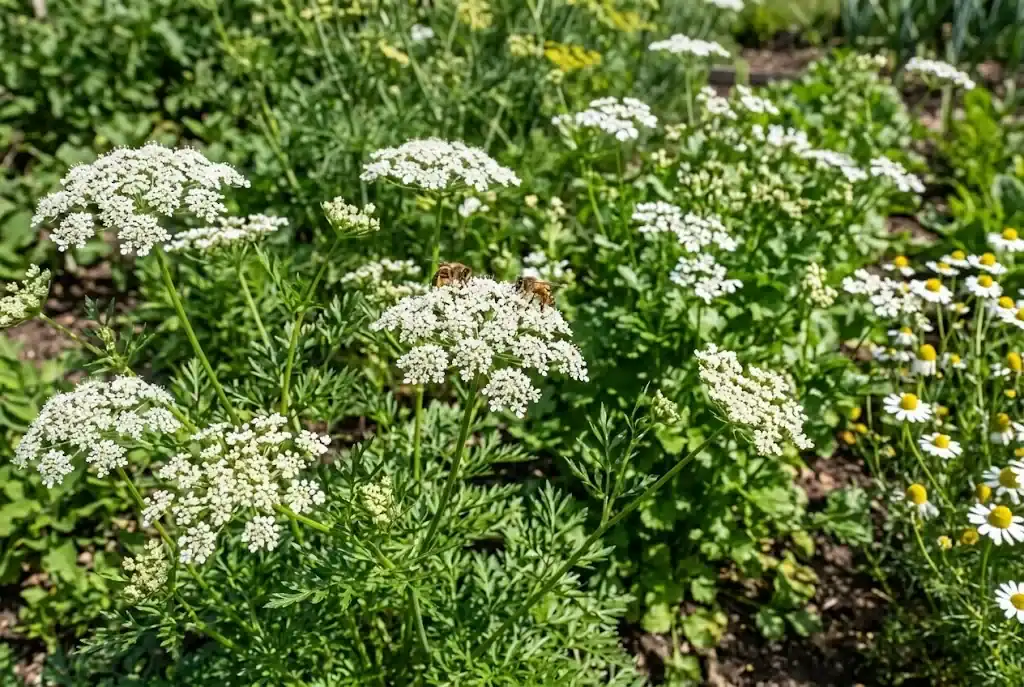
As summer progresses, upright stems produce broad white compound umbel blooms. These flat flower heads serve as a powerful pollinator magnet, drawing honeybees, predatory wasps, and hoverflies across the landscape. The crop serves as a wonderful companion plant for brassicas and coriander, helping deter unwanted pests while enhancing overall biodiversity.
Managing garden pest issues and plant disease
Healthy plants face few serious pest problems, partly because this aromatic herb is known to produce essential oils that act as a natural insect repellent. Aphids and spider mites occasionally gather on tender new shoots during hot, dry spells. Inspect the stems of the plants every week, and rinse affected foliage with a steady stream of water or apply an organic insecticidal soap on cloudy mornings.
Fungal issues such as alternaria leaf spot or powdery mildew can occur during humid weather or when overhead watering wets dense foliage. Space plants generously to maximize airflow, weed surrounding rows regularly, and water early in the morning so leaves dry quickly in the sun.
When and how to harvest aromatic aniseed
In the home plot, anise produces both culinary leaves and flavorful seeds. You can snip fresh young leaves in early summer to toss into fresh green salads, fruit bowls, or cold grain dishes. However, harvesting leaves too heavily reduces flowering and final seed yield.
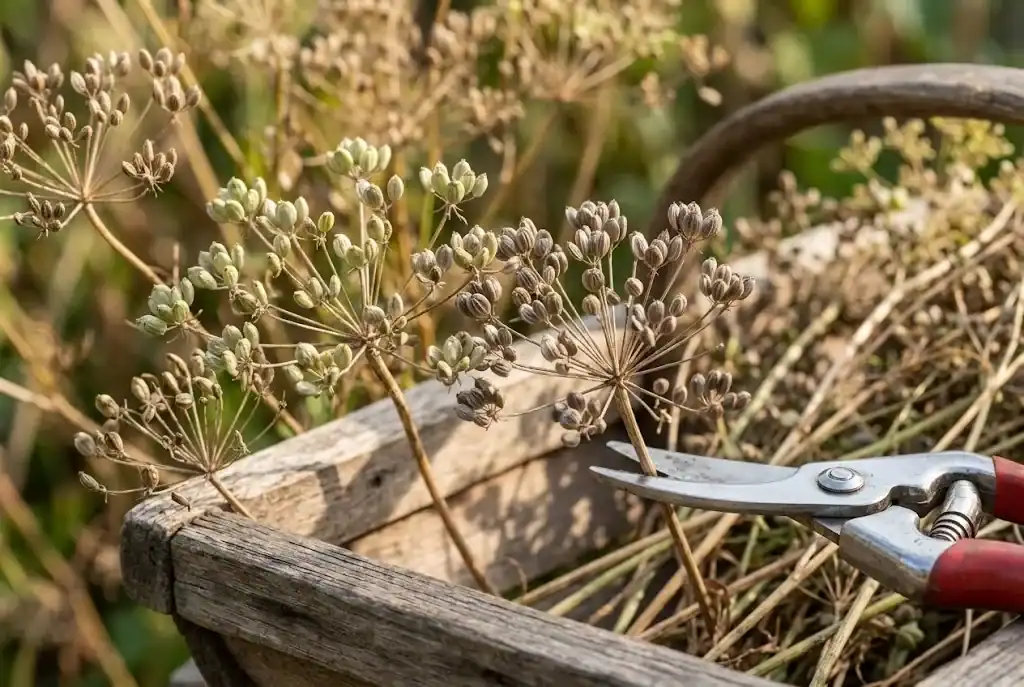
The primary harvest begins in late summer or early autumn, roughly 110 to 120 days after your spring planting date. Watch the flower heads as petals drop and green seed clusters develop. When seed umbels turn from green to grey-brown, it is time to harvest anise before autumn rains cause seeds to shatter onto the earth.
To collect the crop, follow our detailed guide on how to harvest anise seeds. Cut entire seed heads with several inches of stem attached on a dry morning. Place the inverted heads inside a brown paper bag, tie the stems with kitchen twine, and hang the bag in a warm, dry, well-ventilated room for two weeks.
After two weeks of drying, shake the paper bag gently to dislodge the dry seeds from their husks. Sift out any remaining chaff by pouring the seeds from one bowl to another in a light outdoor breeze.
Preserving seeds and creative culinary uses
Proper preservation keeps your harvest fragrant for months. Learn the best practices for how to store anise in airtight containers. Clean, fully dried seeds stored in a cool, dark cupboard inside a sealed glass container retain their bright flavor and aromatic quality for over a year.
In the kitchen, freshly harvested aniseed brings classic warmth to Italian biscotti, pizzelle, German springerle cookies, hearty rye breads, sausage seasonings, and herbal infusions. Historically, the plant was also valued alongside traditional medicinal herbs for soothing botanical teas and aromatic household cordials.
Frequently asked questions about growing anise
Can I grow anise in containers?
Yes, plants can grow in containers if the pot is at least 10 to 12 inches deep to accommodate their vertical taproot. Use a terracotta container with generous drainage holes filled with light potting mix and perlite. Place the pot on a sunny patio where it receives unobstructed daily light.
Is anise the same plant as star anise or fennel?
No. True anise (Pimpinella anisum) is an annual herb producing delicate white umbels and small ribbed seeds. Star anise (Illicium verum) is a woody evergreen tree native to East Asia whose star-shaped fruit pods are harvested. Fennel (Foeniculum vulgare) is a larger perennial herb with yellow flowers and feathery foliage. While all three contain anethole and share a sweet licorice flavor, they are completely distinct botanical species.
How long do anise seeds take to germinate?
Seeds typically germinate within 10 to 14 days when sown in warm ground around 60 to 70 degrees Fahrenheit. Keeping the ground consistently damp during this period ensures steady, even germination across the row.
What are the main culinary uses for garden-grown aniseed?
Garden-grown aniseed is widely used in Italian pizzelle, traditional German springerle cookies, rye breads, sausage seasonings, herbal teas, and soothing hot mulled apple cider.