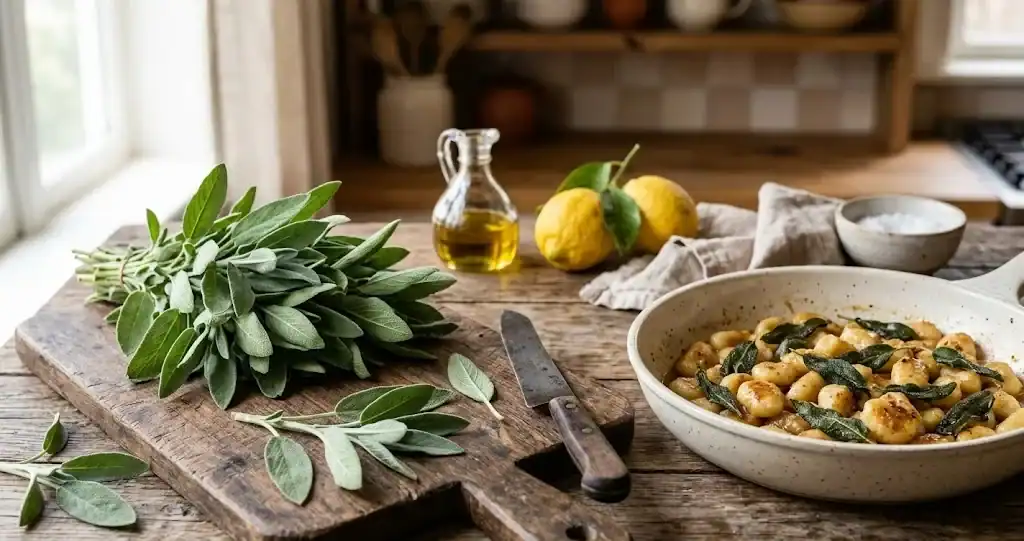
Culinary sage (Salvia officinalis) is a beloved hardy perennial in the mint family that brings an earthy, peppery warmth and unmistakable aroma to home kitchens. With its soft, velvety gray-toned leaves and aromatic essential oils, sage stands out in home cooking because its robust flavor deepens on the stove rather than fading under heat. While many cooks only reach for sage during holiday dressing preparations, this versatile perennial can elevate weeknight dinners throughout the year.
Whether you harvest an abundance of fresh garden sage from your backyard or pick up a bunch at the market, knowing how to cook and pair this pungent herb unlocks dozens of savory meals. If you are exploring how to use different garden herbs across home cooking, check out our culinary guide to herbs worth cooking with to see how aromatic herbs fit into everyday meal planning.
Cooking with Sage and How to Use Fresh Leaves in Daily Recipes
Before diving into a specific recipe, it helps to understand how fresh garden sage behaves in the skillet and oven. Unlike delicate leafy herbs such as basil or parsley that bruise easily and lose their brightness when simmered, the plant contains hearty essential oils that infuse wonderfully into warm cooking fats. Gently warming chopped leaves in extra virgin olive oil releases a woodsy fragrance and mellows natural astringency.
When cooking with sage, keep these practical culinary principles in mind:
- Fresh versus dry ratio: Fresh leaves have a cleaner, slightly piney flavor, whereas dried rubbed herbs are concentrated and intense. Use one tablespoon of finely chopped fresh sage in place of one teaspoon of dried sage in any recipe.
- Tender leaves versus woody stems: Strip the soft leaves from the woody lower stems before preparing meals. Tender young tips near the top can be chopped whole, but thicker stems should be discarded or simmered in a stock pot for flavor.
- Balancing intensity: Sage has a bold profile that can easily overpower mild ingredients. Start with moderate amounts and pair it with sweet, creamy, or acidic elements to create a balanced dish.
How to Fry Whole Sage for a Crispy Garnish and Delicious Appetizer
One of the simplest ways to use sage is to fry whole leaves until they turn translucent and crisp. Fried sage leaves make a crunchy, savory appetizer on their own and serve as an irresistible garnish over risotto, roasted vegetables, creamy soups, and savory meat courses.
If you cultivate culinary herbs at home, following our guide on how to harvest fresh sage ensures you gather leaves at peak flavor without damaging the plant’s woody base.
To crisp whole leaves to perfection:
- Heat 3 tablespoons of extra virgin olive oil in a small skillet over medium heat until shimmering.
- Carefully add 15 to 20 clean, dry whole leaves of sage in a single layer without crowding the pan.
- Sizzle the leaves for 20 to 30 seconds until they turn dark green and crisp. Watch them closely so they do not scorch.
- Transfer the fried leaves with a slotted spoon to a paper towel, immediately sprinkling them with a pinch of flaky sea salt.

Classic Sage Sauce for Gnocchi and Stuffed Pasta Dishes
No collection of herbal pasta recipes is complete without the famous northern Italian pairing of sage and brown butter. This velvety glaze coats delicate noodles and balances the rich starch of tender gnocchi or sweet pumpkin ravioli. You can also fold chopped sage into a rustic walnut pesto or toss in tender baby spinach.
To create this classic sauce for four servings of pasta:
- Ingredients: 6 tablespoons unsalted butter, 15 to 20 whole leaves of sage, 1 pound cooked gnocchi or stuffed pasta parcels, 1 tablespoon fresh lemon juice, 1/2 cup grated Parmigiano-Reggiano, freshly cracked black pepper, and 1/4 cup starchy cooking water.
- Technique: Melt the butter in a wide skillet over medium-low heat. As the bubbling fat foams and the milk solids turn golden brown and nutty, add the whole leaves. Allow the leaves to sizzle in the pan for about one minute until fragrant and crisp.
- Finishing the dish: Stir in the lemon juice to halt the browning process. Toss in the cooked gnocchi along with a splash of starchy cooking water. Toss gently over low heat until the sauce forms a glossy, creamy emulsion. Serve immediately topped with grated cheese and black pepper.

Savory Roasted Chicken, Pork Loin, and Traditional Holiday Fare
Sage has a natural affinity for poultry and pork meals. The aromatic oils cut through rich chicken fat and complement the mild sweetness of roasted meats. Rubbing seasoned paste underneath the skin of chicken, brushing pork loin with a Dijon mustard glaze, or blending two tablespoons of minced herbs into homemade spiced pork links creates deeply comforting meals.
For an aromatic oven-roasted chicken dinner, combine 4 tablespoons of softened unsalted butter with 2 tablespoons of minced garden sage, two cloves of minced garlic, fresh lemon zest, salt, and black pepper. Gently loosen the skin over the breasts and thighs, spreading the seasoned mixture directly onto the meat before baking. Place four whole sprigs, halved onions, and citrus wedges inside the cavity to infuse aroma throughout the bird during roasting.

When autumn arrives, homemade holiday stuffing remains one of the best holiday recipes to celebrate the season. Saute diced onion, celery, and sweet Italian ground pork in olive oil, then stir in 1/4 cup of chopped sage and parsley before tossing with toasted bread cubes and warm poultry broth. Bake until the top turns golden brown and crispy while the center stays tender and moist.
Hearty Stews, Chowders, and Creamy Butternut Bisque
During cooler months, sage brings warmth to hearty vegetable broth, slow-cooked bean stews, roasted tomato soup, and savory meat gravies. The earthy herb pairs exceptionally well with sweet autumnal produce like butternut squash, sweet potato cubes, and pumpkin purees.
To make a velvety winter soup:
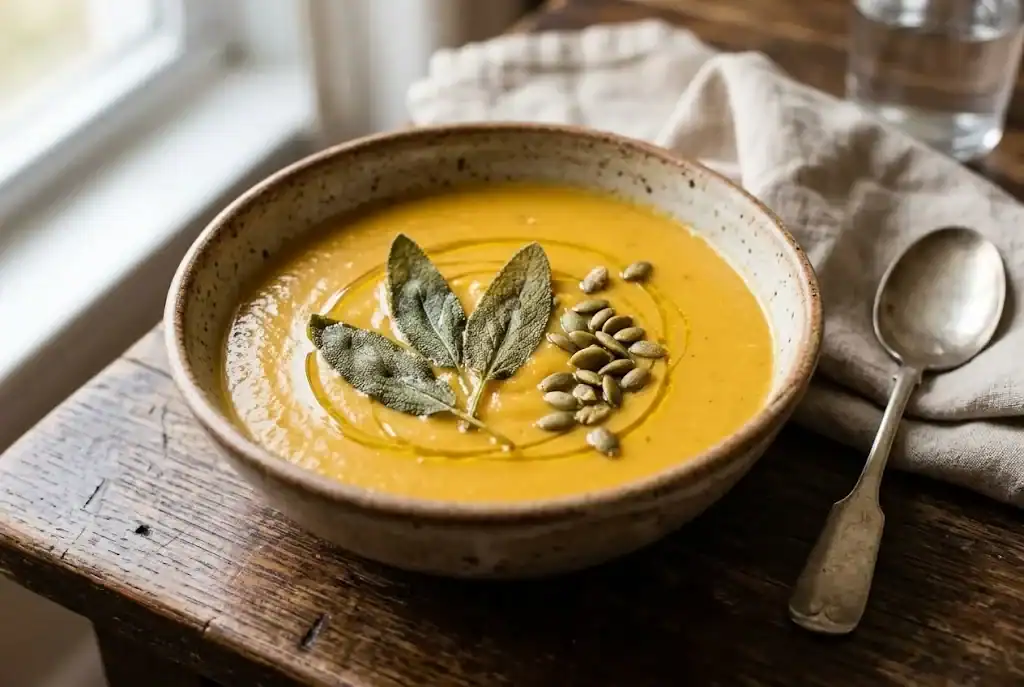
- Roast peeled, cubed butternut on a baking sheet with olive oil, salt, and pepper at 400 degrees Fahrenheit (200 degrees Celsius) for 30 minutes until caramelized and tender.
- In a large Dutch oven, saute one chopped yellow onion and two cloves of garlic in olive oil. Add 2 tablespoons of chopped sage and cook for one minute until fragrant.
- Add the roasted butternut along with four cups of vegetable broth. Simmer for 10 minutes, then puree using a blender until completely smooth and creamy.
- Ladle the hot soup into bowls and garnish with the fried leaves and toasted pepitas for delightful textural contrast.
If you have leftover pan drippings from roasted poultry or meat preparations, whisk in flour, warm broth, and 1 tablespoon of finely chopped sage to build a flavorful pan gravy that ties the entire meal together.
Oven-Roasted Root Vegetables, Sweet Yams, and Garden Vegetables
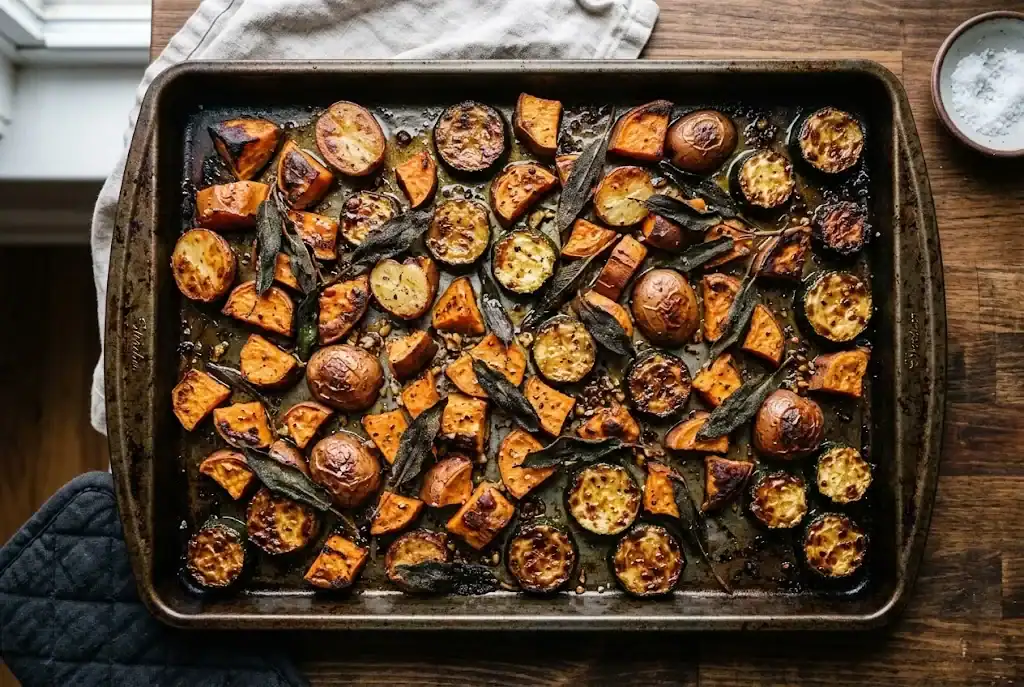
Tossing root vegetables with olive oil and chopped fresh herbs before baking creates an easy accompaniment for any weeknight meal or meatless dinner. Sage brings out the natural caramelized sweetness of roasted potatoes, sweet potatoes, and root crops.
Cut baby red potatoes, sweet potato chunks, and zucchini into uniform bite-sized pieces. Spread them across a large baking sheet and toss with two tablespoons of olive oil, coarse sea salt, black pepper, 2 tablespoons of chopped sage, and 1 teaspoon of minced rosemary. Roast at 425 degrees Fahrenheit (220 degrees Celsius) for 35 to 40 minutes, turning once halfway through cooking, until the roasted vegetables are golden and crispy around the edges.
Savory Compound Spread and Soothing Garden Sage Tea
Beyond hot skillet and oven meals, culinary sage shines in easy meal prep staples and warm herbal beverages. Making a batch of savory compound spread is a wonderful way to preserve fresh garden clippings for quick weeknight cooking.
Mix 1/2 cup (1 stick) of softened unsalted butter with 2 tablespoons of finely minced sage, one teaspoon of citrus zest, and a pinch of fine sea salt. Roll the mixture into a tight log using parchment paper and chill in the refrigerator. Slice savory rounds of chilled spread over grilled steaks, seared pork chops, steamed vegetables, or warm crusty bread.
For a calming evening drink, steep 5 or 6 leaves of sage in a mug of boiling water for five to eight minutes. Strain the liquid, add a slice of citrus and a teaspoon of honey, and enjoy a warm, soothing cup of herbal tea.

Sourcing, Preserving, and How to Substitute Dried or Fresh Herbs
Using vibrant, healthy sprigs ensures your dishes achieve the cleanest aromatic flavor. When you find yourself with an abundance of fresh stems, use our tested methods for storing harvested sage to keep unwashed bundles crisp in the refrigerator or preserve them for your winter spice jar.
If a recipe calls for sage and your garden runs short, suitable culinary substitutions depend on the dish:
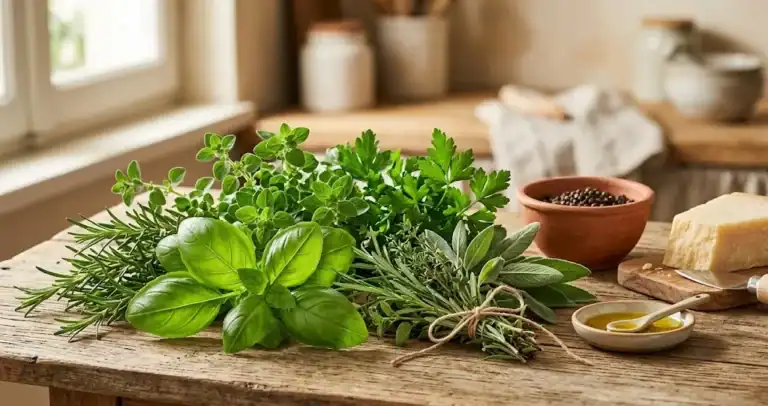
- Rosemary: Works well in roasted potatoes and meat preparations, though it carries a stronger pine note. Use slightly less rosemary than the called-for amount.
- Thyme and Marjoram: Excellent in holiday dressing, vegetable stews, and gravies, offering a softer earthy profile that substitutes at a 1:1 ratio.
- Winter Savory: Provides a peppery warmth that matches bean stews and ground pork preparations.
- Poultry Seasoning: A dependable dried spice blend containing sage, thyme, and marjoram that works nicely in holiday dishes when fresh herbs are unavailable.