Few things in the kitchen are as frustrating as buying or harvesting a vibrant bunch of greens only to watch it wilt into a soggy mess inside the crisper drawer three days later. Fresh herbs bring bright aroma and bold seasoning to homemade meals, but their delicate leaves require balanced humidity and airflow to stay crisp. Selecting the right herb containers helps you stop wasting store-bought herbs and garden harvests alike.
Whether you need an upright herb keeper for your refrigerator door, airtight glass jars for dried seasonings, or well-draining pots for a windowsill garden, matching the vessel to the plant makes all the difference. This guide explores the most effective keepers, glass vessels, and growing pots so you can keep your herbs fresher for longer.
Why Fresh Herbs Need Specialized Vessels
Cut greens spoil quickly because of two competing threats: dehydration and excess moisture. When left exposed on an open countertop or stuffed into plastic bags, tender leaves lose water rapidly and begin to wilt. Conversely, sealing damp cuttings in an unventilated plastic bag traps condensation against the foliage, causing rapid decay and bacterial rot.
A dedicated storage container solves this problem by separating the cut stem ends from the leafy tops. By keeping stems submerged in clean water while maintaining gentle ventilation around the leaves, a quality herb saver delivers controlled humidity control without pooling liquid on the foliage. For gardeners exploring indoor cultivation alongside harvest preservation, reviewing starting a home herb garden provides helpful context on establishing healthy plants from the start.
Dedicated Upright Herb Keepers and Savers
Commercial herb keepers are purpose-built kitchen essentials designed to stand upright in refrigerator door shelves. Popular models like the OXO Good Grips GreenSaver herb keeper feature a slender footprint, a transparent housing, and a removable basket that lifts cuttings out of the water well for easy access.
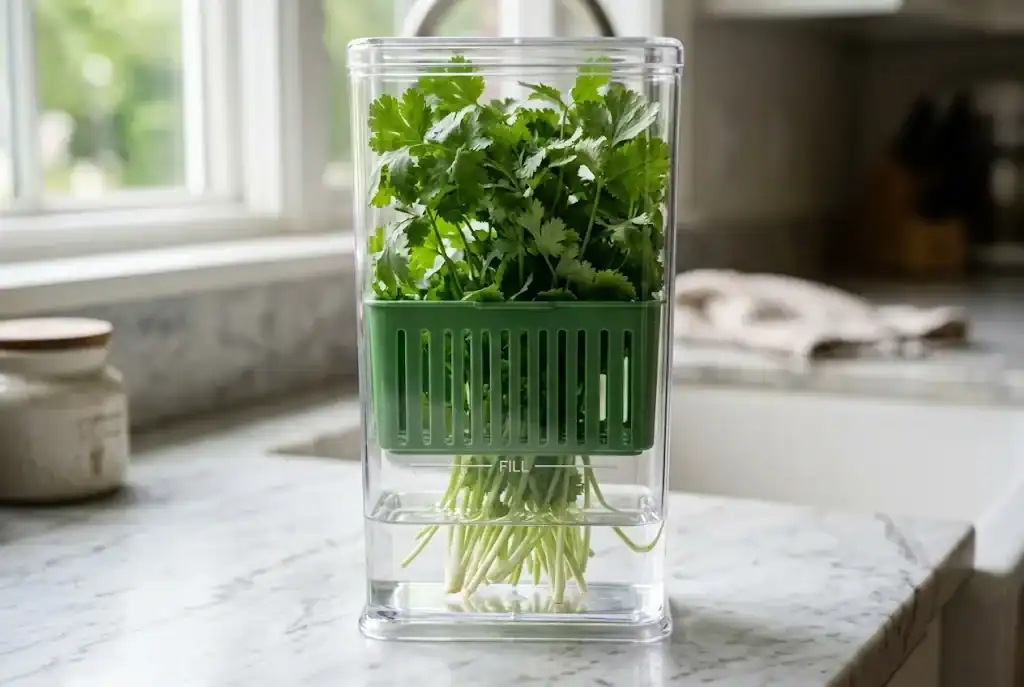
Key features to look for in an upright keeper include:
- Water fill line: An etched guide showing the exact water level prevents overfilling and keeps foliage dry.
- Ventilation dial: Adjustable vents regulate internal humidity and promote healthy airflow.
- BPA-free construction: Durable, BPA-free herb vessels resist cracking and are usually top-rack dishwasher safe.
- Compact profile: A slender, upright design fits neatly on crowded fridge door shelves without risking a messy spill.
These specialized keepers excel with tall, stem-heavy greens. You can easily store a full pack of store-bought cilantro, parsley, or even slender spears of asparagus upright for up to 10 days or more with minimal loss of crispness.
Mason Jars and Glass Vessels for Kitchen Greens
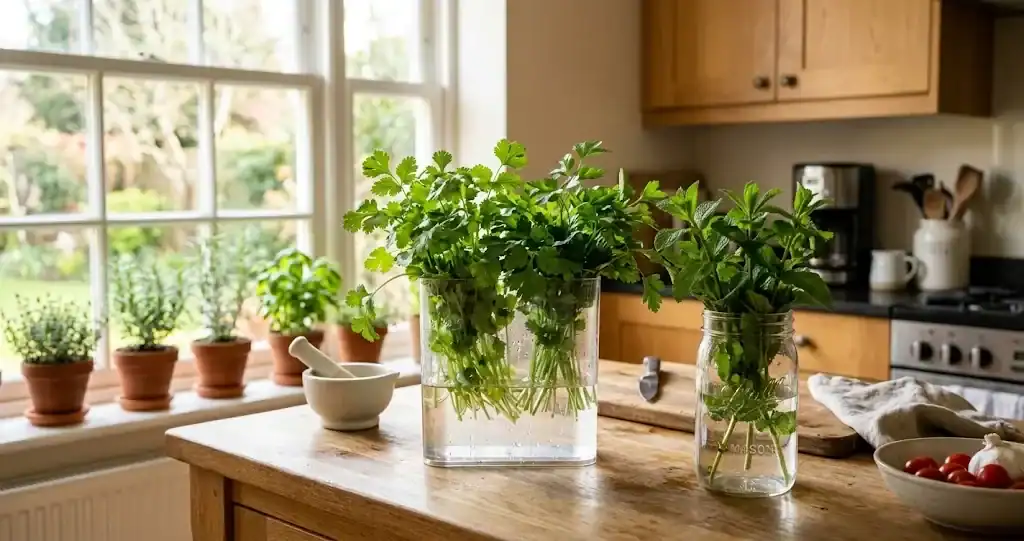
If you prefer a simple DIY approach over buying another single-use gadget, standard mason jars make outstanding, reusable fresh vessels. Glass is completely non-porous, waterproof, easy to clean, and offers excellent aesthetic appeal on your kitchen countertop or inside the fridge.
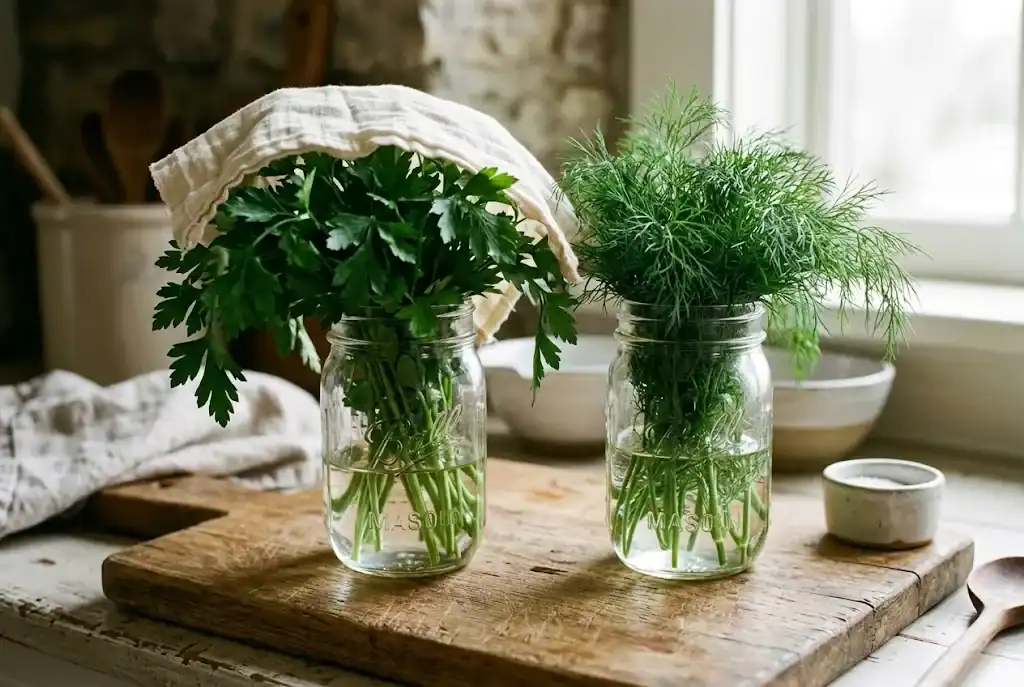
To use wide mouth glass jars as an effective fresh herb keeper:
- Trim a half-inch off the bottom of each stem at a slight angle.
- Add one to two inches of fresh water to the bottom of the jar.
- Place the bouquet inside, ensuring no lower leaves are submerged in water.
- Cover the leafy top loosely with a clean produce bag or beeswax wrap to retain humidity while allowing air exchange.
For horizontal food preservation, a shallow rectangular glass dish lined with a dry paper towel works well for delicate sprigs. Layering flat leafy greens between dry sheets inside a lidded dish with a secure hinge prevents crushing and absorbs condensation. Using sturdy glass bottles supports eco-friendly recycling in your kitchen routines while keeping fresh herbs ready for any salad or dressing.
Preservation Solutions for Tender Versus Hardy Herbs
Different botanical varieties have distinct moisture and temperature requirements. Treating all culinary greens identically often leads to premature browning.
Tender leafy herbs with soft green stems, including cilantro and dill, parsley, and mint, thrive with upright hydration in the refrigerator. The major exception in this category is fresh basil. Basil is native to warm climates and turns black when chilled below 50 degrees Fahrenheit. Keep basil bouquets in a glass water vessel at room temperature on the counter away from direct sunlight, changing the water every two days.
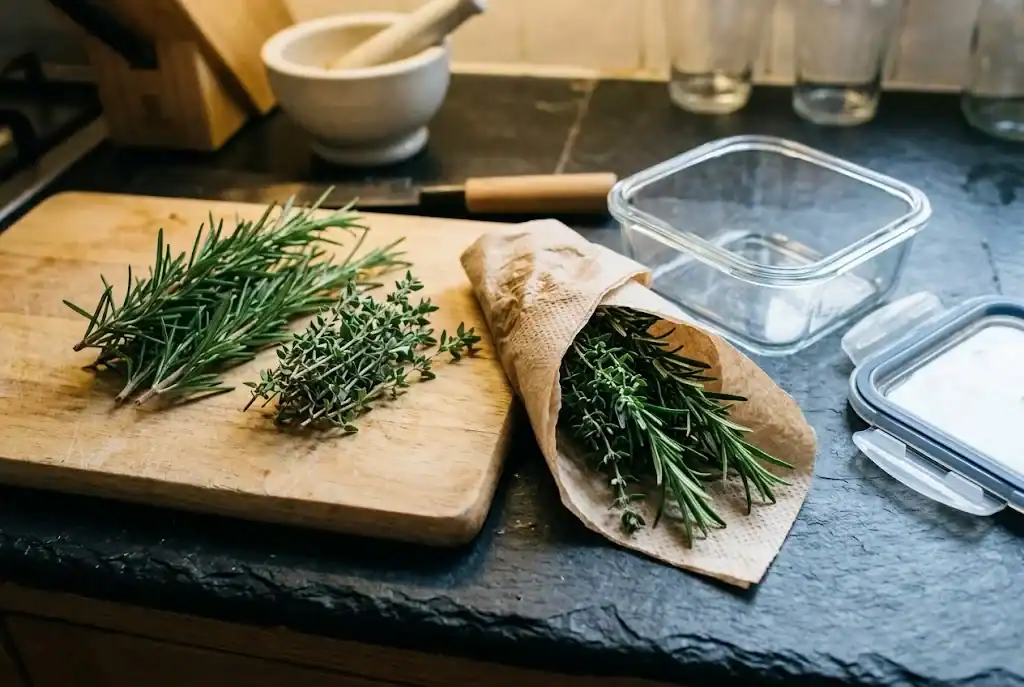
Hardy, woody herbs like rosemary and thyme require far less moisture. Wrap woody sprigs in a slightly damp paper towel and place them into a sealed, airtight vegetable bin or silicone pouch in the main refrigerator compartment. This technique preserves their rich essential oils and woodsy aroma for two to three weeks without mold risk.
Pantry Jars for Dried Seasonings and Spices
Once garden herbs are dried for long-term preservation, their holding needs shift completely from humidity retention to moisture exclusion. Dried seasoning blends, culinary leaves, and whole seeds degrade rapidly when exposed to air, light, heat, and humidity.
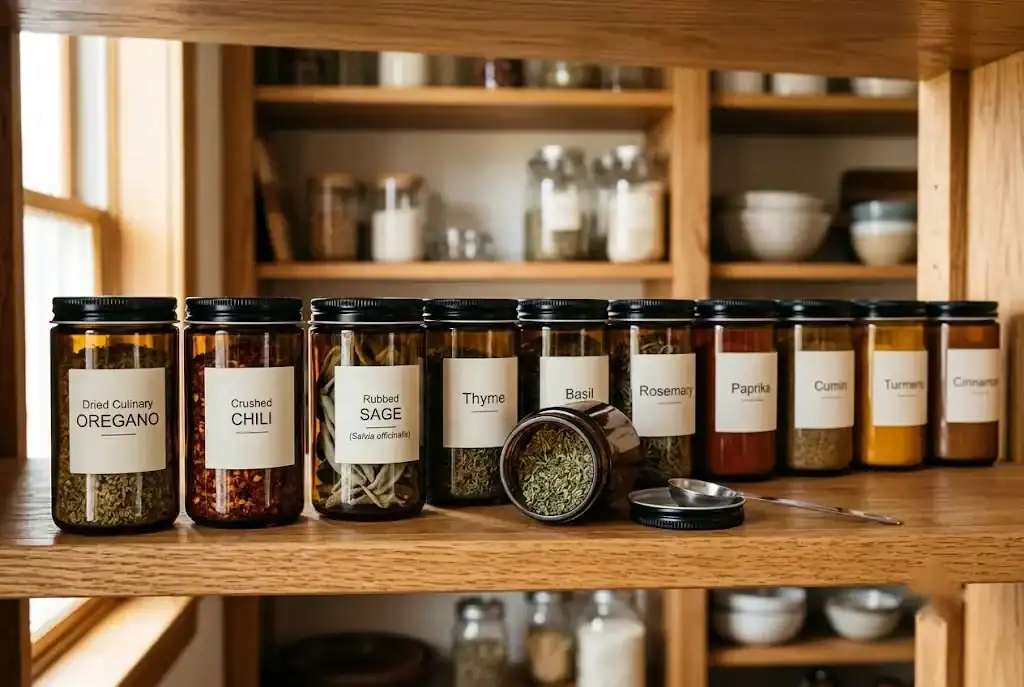
To organize your pantry or spice rack neatly, choose stackable glass spice jars equipped with an airtight silicone seal. Dark amber or cobalt glass bottles provide superior protection against ultraviolet light, preserving color, volatile oils, and potency. Ensure you apply a clear label with the variety name and packing date to track freshness, replacing dried stock every twelve months for peak culinary quality.
Gardeners drying their own tea blends or culinary flakes should verify leaves are completely crisp before sealing. When exploring how to cultivate reliable potted plants for drying and kitchen use, our guide on practical advice on growing herbs in pots walks through soil and potting basics.
Selecting Pots and Planters for Growing Fresh Herbs
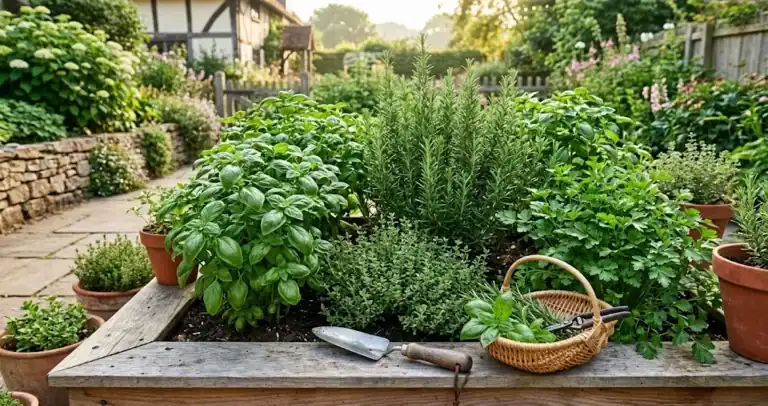
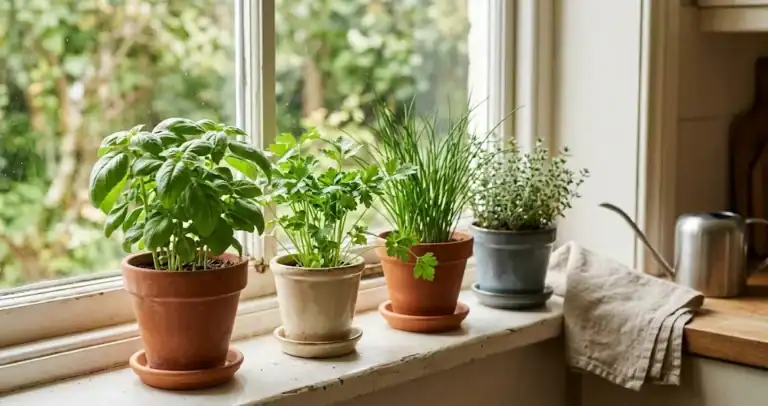
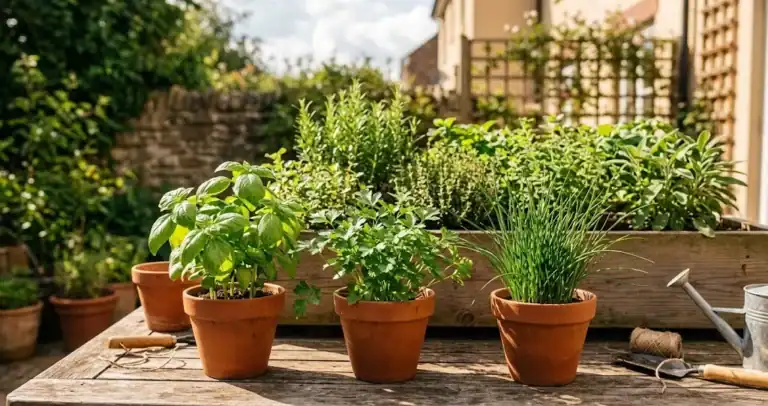
Growing a thriving container herb garden requires matching the planting pot to the root architecture and drainage needs of each species. Unlike food preservation units that seal moisture in, growing vessels must provide generous drainage and breathability.
Consider these essential factors when choosing growing planters:
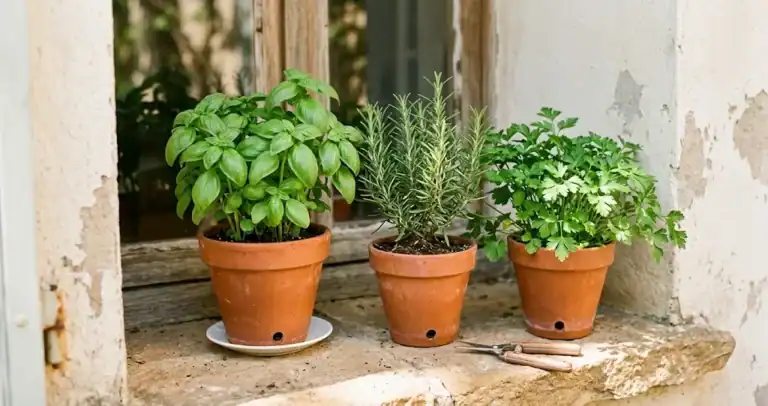
- Drainage holes: Stagnant water causes root rot. Always choose pots with bottom drainage or drill holes before planting.
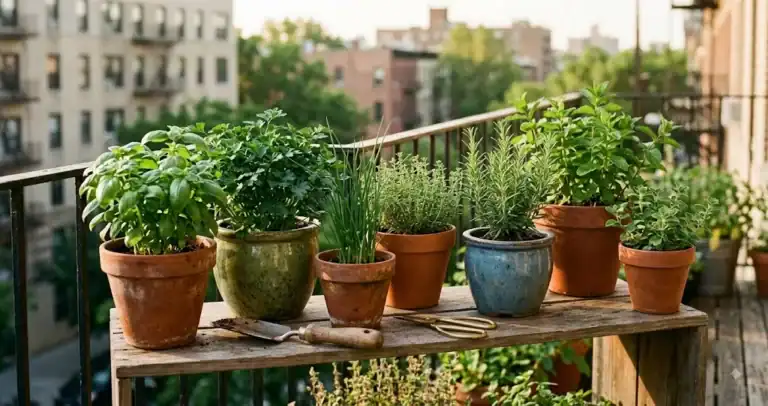
- Pot material: Porous terracotta allows soil to breathe and dries quickly, making it ideal for Mediterranean varieties like rosemary and thyme. Glazed ceramic and plastic retain moisture longer for thirsty greens like mint and parsley.
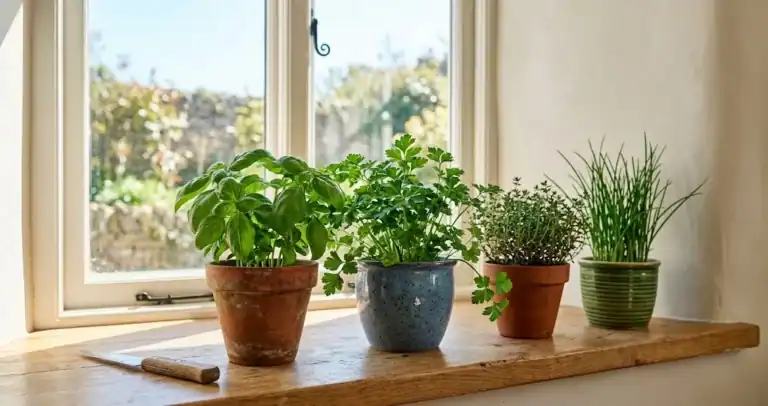
- Planter depth: Compact windowsill planters work for shallow-rooted chives, while taproot herbs like dill and parsley require pots at least 8 to 10 inches deep.
- Space-saving designs: Tiered planters, hanging baskets, and collapsible fabric grow bags allow you to cultivate a wide variety of culinary greens on small balconies or compact patios.
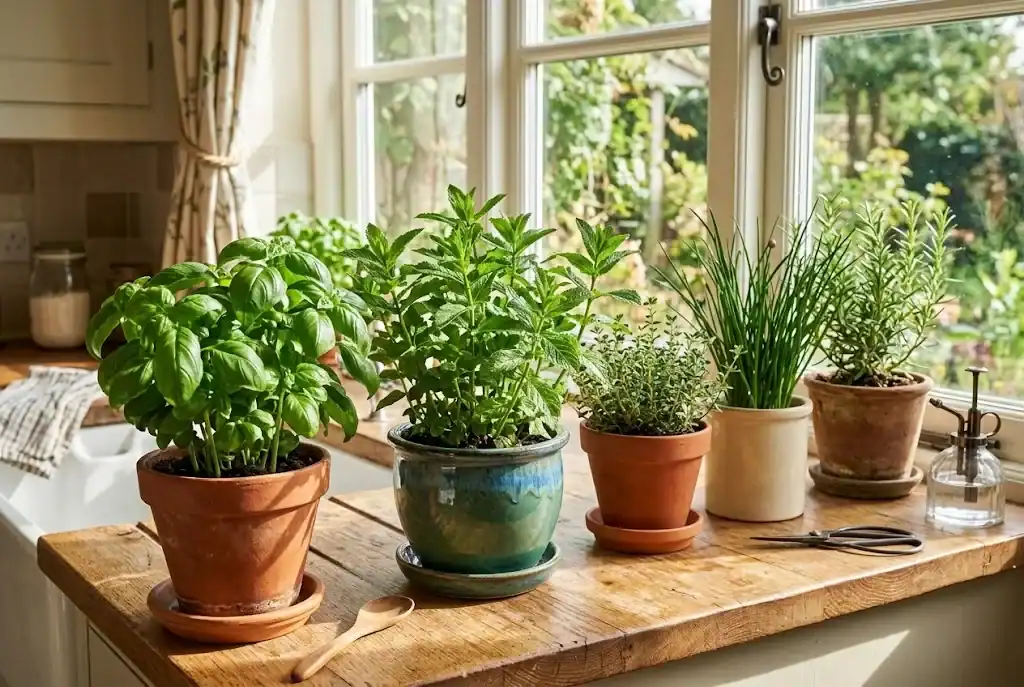
For detailed container planting strategies and seasonal watering schedules, explore our companion resource on maintaining herbs in small containers.
Frequently Asked Questions About Herb Containers
What is the best type of vessel to preserve fresh cut herbs in the refrigerator?
An upright glass jar or dedicated acrylic herb keeper with a water reservoir at the base is best for tender greens like cilantro, parsley, and dill. For woody varieties like rosemary and thyme, an airtight glass or BPA-free keeper lined with a slightly damp towel provides optimal freshness.
Is glass or plastic better for preserving cut herbs?
Glass is non-porous, dishwasher safe, and will not absorb lingering botanical aromas, making glass jars ideal for both counter use and dried seasoning. High-quality BPA-free plastic is lighter, shatterproof, and well-suited for refrigerator door organizers with removable basket inserts.
Can you store different herbs together in one vessel?
You can store herbs with identical care needs together, such as cilantro and parsley upright in the same keeper. Avoid grouping cold-sensitive basil with refrigerator-stored greens, and keep strongly aromatic mint separated to prevent cross-flavoring milder leaves.
What pot material is best for growing herbs outdoors?
Unglazed terracotta and breathable fabric pots are excellent for outdoor growing because they prevent overwatering and promote healthy root aeration. In hot, windy climates, durable composite or glazed ceramic pots help retain necessary moisture between waterings.