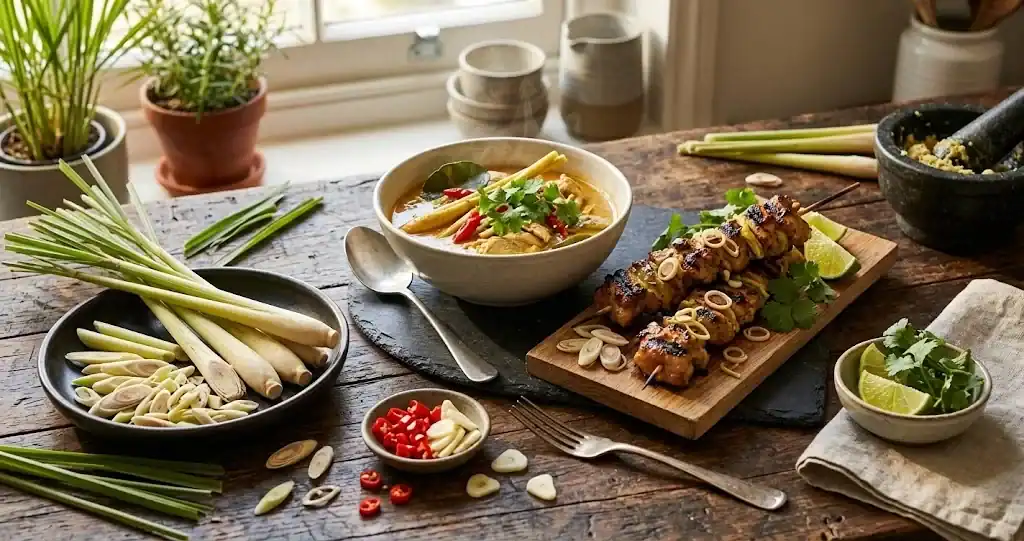
Few culinary aromatics deliver the instant brightness of fresh lemongrass. When you bruise or slice a stalk of this tropical grass, it releases a clean, floral, citrusy aroma that citrus juice alone cannot replicate. While fruit carries sharp acidity, the herb provides warm lemon perfume backed by herbal, ginger-like undertones and gentle earthy depth. It holds a distinct place among essential culinary herbs, serving as an indispensable foundation across Southeast Asian home kitchens.
Whether you picked up a fresh bundle at an Asian grocery or harvested stalks from your garden, knowing how to use lemongrass unlocks incredible versatility in everyday cooking. From sizzling stir-fries and fragrant soups to rich coconut curries and charred skewers, these eight approachable lemongrass recipes demonstrate how simple techniques turn fibrous stalks into memorable meals.
How to Prepare Lemongrass Stalks for Cooking
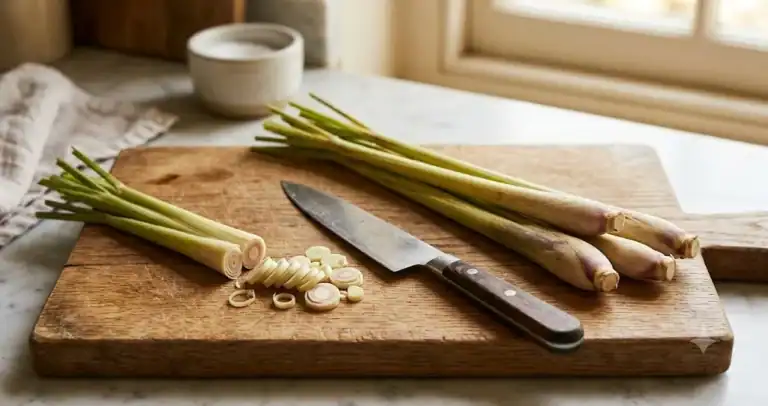
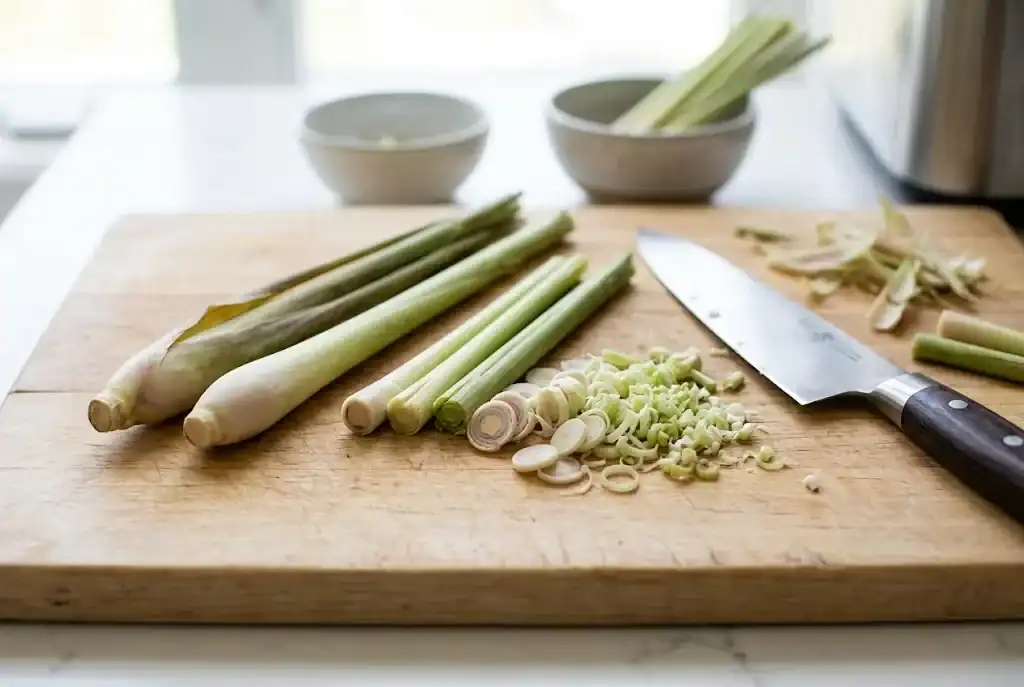
Working with whole stalks can feel intimidating if you have never handled woody herbal stems. However, once you understand the basic anatomy of each lemongrass stalk, preparation takes only minutes. The edible, tender portion concentrates in the bottom four to six inches, right above the root base.
Follow these straightforward steps to prepare stalks for any dish:
- Trim the ends: Slice off the dry bottom root disk (about a quarter inch) and trim away the top woody green blades, which are too tough to chew but excellent for flavoring simmering stocks.
- Peel outer layers: Remove the dry, fibrous outer layers until you reveal the pale yellowish-white, tender inner core.
- Choose your cut: For stir-fries, marinades, and meatballs, finely chop the tender core with a sharp chef knife or pulse it in a small food processor. For soups and braises, cut the stem into two-inch pieces and crush them firmly with the flat side of your blade or a meat mallet to release essential oils.
For a detailed breakdown of knife techniques and extraction methods, explore our companion guide on cooking with fresh lemongrass.
1. Vietnamese Lemongrass Chicken
Known traditionally as Ga Nuong Sa, Vietnamese lemongrass chicken is a staple in Vietnamese restaurants worldwide for good reason: it pairs deeply savory umami seasonings with a bright, aromatic citrus crust. Boneless, skinless chicken thighs work best here because their natural fat content promotes tenderness and prevents drying out over direct heat.
To create the flavorful marinade, combine finely minced stalks, minced garlic, shallots, premium fish sauce, a touch of soy sauce, neutral oil, and brown sugar. Toss the chicken thighs in the savory mixture until thoroughly coated. While a 30-minute marinade yields great flavor, letting the meat rest covered and refrigerated for several hours or marinating the chicken overnight produces remarkable juiciness and flavor penetration.
Cook the chicken on the grill over medium-high heat until distinct grill marks form, or sear the chicken in a heavy cast-iron skillet on the stove top. Flip periodically until the meat reaches an internal temperature of 165°F. Serve this cooked chicken with rice, fresh cucumber slices, herbs, and a squeeze of fresh lime juice for a classic weeknight dinner.

2. Fragrant Thai Tom Yum Soup
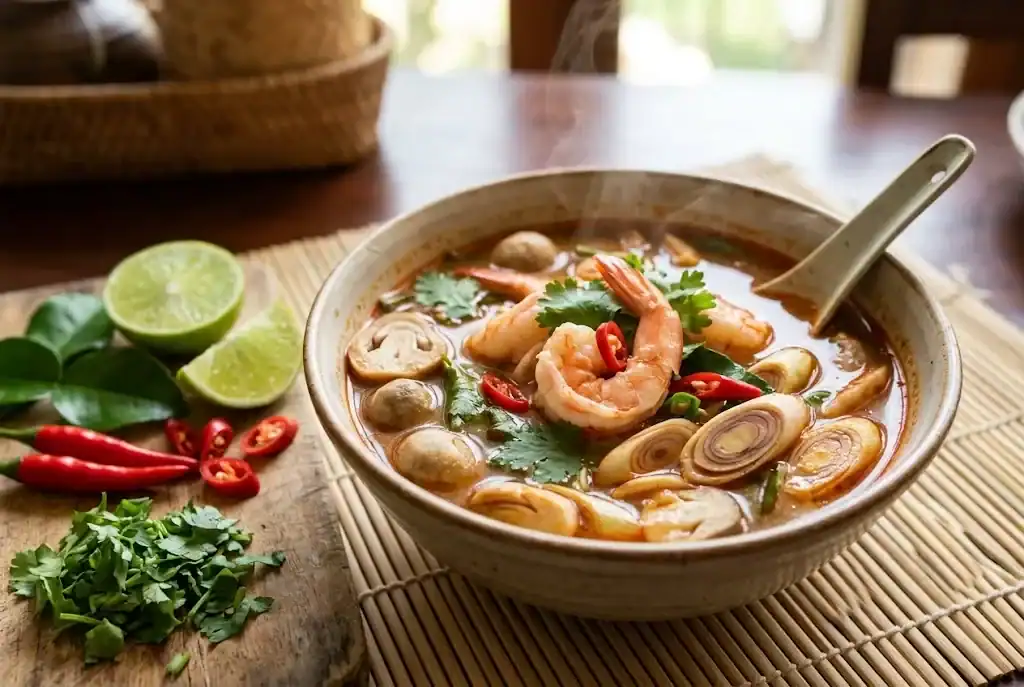
Tom yum soup is the crown jewel of Thai food, celebrated for its bold balance of spicy, sour, salty, and aromatic flavors. A light, clear broth forms the canvas for bruised stalks, kaffir lime leaves, fresh ginger, and crushed bird’s eye chili.
Bring chicken stock or vegetable stock to a gentle simmer in a soup pot, then add bruised sliced stalk sections, sliced galangal or ginger, and crushed chilies. Simmer for ten minutes to infuse the aromatic oils into the liquid. Add button or straw mushrooms along with peeled shrimp, simmering gently until the shrimp turn pink and opaque.
Turn off the heat before stirring in fish sauce and fresh lime juice; boiling lime juice can turn the soup bitter. Garnish each bowl with fresh cilantro sprigs. The large stalk pieces remain in the bowl to perfume the broth, though diners generally set them aside while eating.
3. Creamy Coconut Lemongrass Curry
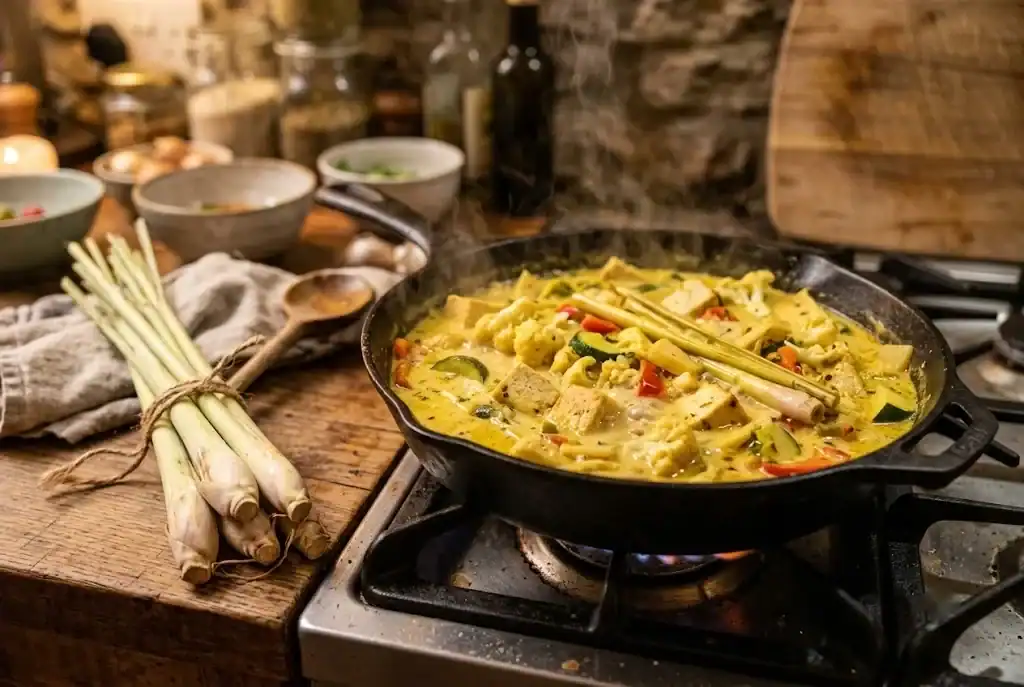
When you want a comforting dinner with complex layers of flavor, this yellow coconut curry delivers rich satisfaction. Combining rich coconut cream and creamy coconut milk mellows fiery curry pastes while letting the citrusy flavor of the bruised stalks shine through.
In a large skillet, heat a tablespoon of neutral oil over medium heat. Sauté minced garlic, grated ginger, and two tablespoons of yellow curry paste until fragrant. Pour in coconut milk and add two bruised stalks tied loosely together. Simmer the sauce gently for fifteen minutes with diced sweet potatoes, bell peppers, and crisp green beans.
Stir in pan-seared tofu cubes or sliced chicken, finishing the dish with a tablespoon of fish sauce, a teaspoon of cane sugar, and a splash of fresh lime juice. Serve hot over steamed jasmine rice, garnished with torn cilantro and a dusting of lime zest.
4. Sizzling Lemongrass Beef Stir-Fry
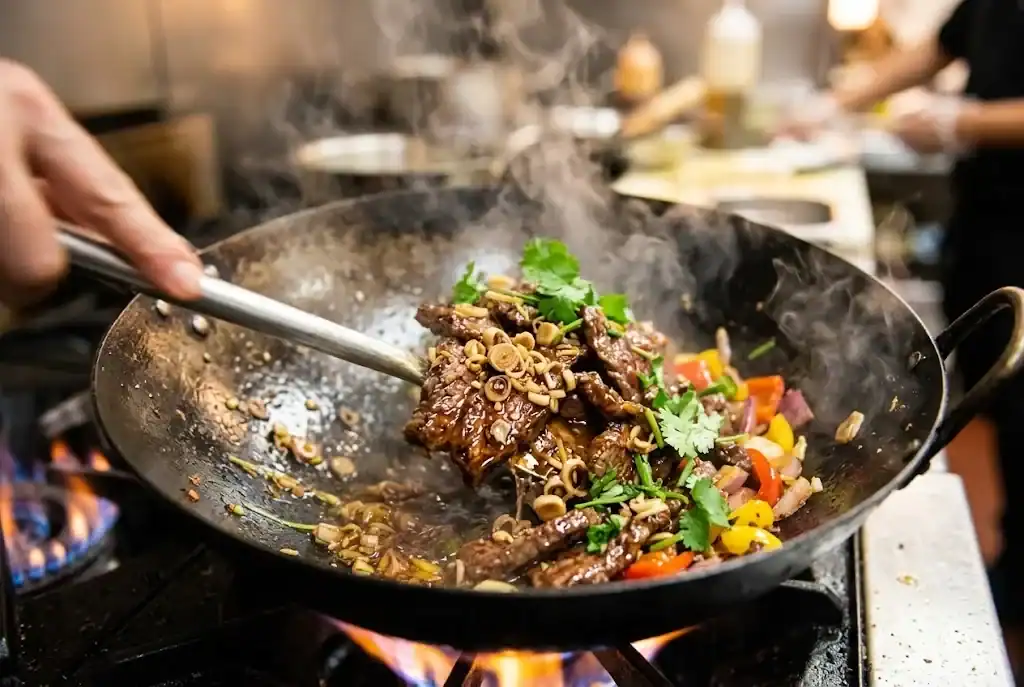
This classic Vietnamese stir-fry, known as Bo Xao Sa Ot, delivers incredible depth with minimal cooking time, making it ideal for busy evening meal prep. Thinly sliced flank steak or sirloin absorbs a punchy marinade of minced stalks, garlic, soy sauce, and a pinch of sugar.
Heat a seasoned wok or heavy skillet over high heat until smoking hot. Swirl in two tablespoons of high-smoke-point neutral oil, then add the beef in a single layer to achieve a deep, caramelized sear. Toss the meat rapidly for two to three minutes alongside sliced red chili, onion wedges, and bell peppers.
The minced stalks cling directly to the seared beef, creating a fragrant crust with intense savory appeal. Spoon the stir-fry over warm rice noodles or steamed jasmine rice, topping with crushed roasted peanuts and fresh herbs.
5. Grilled Lemongrass Pork Patties
Juicy, fragrant pork patties are the heart of many popular street-food banh mi sandwiches and noodle bowls. Incorporating finely minced aromatics directly into ground pork distributes aroma through every single bite.
In a large bowl, mix ground pork shoulder with finely minced stalks, minced shallots, minced garlic, fish sauce, a dash of sesame oil, and black pepper. Shape the mixture into small, flat patties or skewers. Cook the patties on preheated grill grates or under an oven broiler until nicely caramelized on the edges and cooked through to 165°F.
Layer the savory patties inside a warm, crusty baguette spread with mayonnaise, accompanied by crisp cucumber ribbons, pickled daikon and carrots, fresh cilantro sprigs, and thinly sliced jalapenos.
6. Soothing Lemongrass and Ginger Tea
Beyond savory cooking, the plant produces a wonderfully calming herbal infusion. West Indian lemon grass (Cymbopogon citratus), a fragrant tropical grass detailed by the North Carolina State Extension Plant Toolbox, contains natural essential oils like citral that produce a clean, uplifting citrus brew without the tartness of lemon juice.
To brew fresh herbal tea:
- Bruise two fresh stalks with the spine of your chef knife to crack the fibers.
- Slice the stems into one-inch pieces and place them in a small saucepan with three cups of water and four thin coins of fresh ginger root.
- Bring to a gentle boil, then reduce heat and simmer covered for ten to twelve minutes.
- Strain into mugs and stir in a spoonful of raw honey or a wedge of fresh lime.
You can enjoy this brew hot on cool evenings or chill it in the refrigerator with ice cubes and fresh mint for a crisp summer cooler.

7. All-Purpose Lemongrass Dipping Sauce and Marinade
Having a jar of vibrant citrus herb sauce ready in your refrigerator transforms simple proteins and roasted vegetables in seconds. This versatile condiment balances sweet, sour, salty, and spicy elements in harmony.
Using a mortar and pestle or a small food processor, pound two tablespoons of finely minced stalks, two garlic cloves, and one red bird’s eye chili into a coarse paste. Whisk the paste with three tablespoons of warm water, two tablespoons of cane sugar, three tablespoons of premium fish sauce, and two tablespoons of freshly squeezed lime juice until the sugar dissolves completely.
Use this vibrant mixture as a dipping sauce for spring rolls and grilled skewers, or brush it onto salmon fillets, shrimp, and pork chops right before grilling.
8. Instant Pot Lemongrass Chicken and Rice
For an effortless one-pot dinner that infuses every grain of rice with citrus aroma, look to your Instant Pot pressure cooker. This modern recipe builds on traditional chicken-and-rice comfort dishes with streamlined preparation.
Set the Instant Pot to saute mode with a splash of neutral oil. Lightly brown bone-in or skinless chicken thighs seasoned with salt and pepper for three minutes per side, then transfer to a plate. Add minced garlic, ginger, and shallot, stirring until fragrant.
Deglaze the pot with a splash of stock, scraping up any cooked bits from the bottom. Stir in rinsed jasmine rice, chicken stock, a splash of soy sauce, and three bruised stalks. Place the seared chicken on top of the rice, lock the lid, and cook on high pressure for six minutes, followed by a ten-minute natural pressure release. Discard the woody stalks, fluff the fragrant rice, and serve garnished with sliced scallions and cilantro.
How to Store and Preserve Extra Lemongrass Stalks
Bundles of stalks are often sold in the produce section of supermarkets or Asian specialty markets. Storing your leftover stems properly ensures none of that precious citrus flavor goes to waste.
For short-term storage, wrap unwashed stalks in a damp paper towel and place them in a sealed zip-top bag in the crisper drawer. Fresh stems will keep for one to two weeks in the fridge without losing their aroma or moisture.
For longer preservation, consider freezing leftover lemongrass stalks. You can freeze trimmed stalks whole in freezer bags, or finely mince the tender cores and freeze them with a little neutral oil in ice cube trays for convenient cooking portions.
Frequently Asked Questions About Cooking with Lemongrass
Can you eat lemongrass raw?
The tough outer layers are far too fibrous to chew comfortably. However, the very center core of the lower pale stalk is tender enough to eat raw when sliced into paper-thin rings or minced very finely for salads, fresh spring rolls, and cold noodle bowls.
What is the best substitute for lemongrass?
If you cannot find whole stalks, frozen minced lemongrass from an Asian market is your best alternative. In a pinch, combine one teaspoon of freshly grated lime zest with a drop of lemon juice and a pinch of minced fresh ginger to mimic the citrusy, herbal profile. Commercial dried lemongrass powder works in spice rubs, but lacks the bright top notes of fresh stalks.
Can I prepare lemongrass marinade ahead of time?
Yes. Prepared marinades and sauces store well in an airtight glass jar for up to one week in the fridge. Marinating meats like chicken or pork for 1 day ahead of time deepens their savory flavor and saves time on busy weeknights.