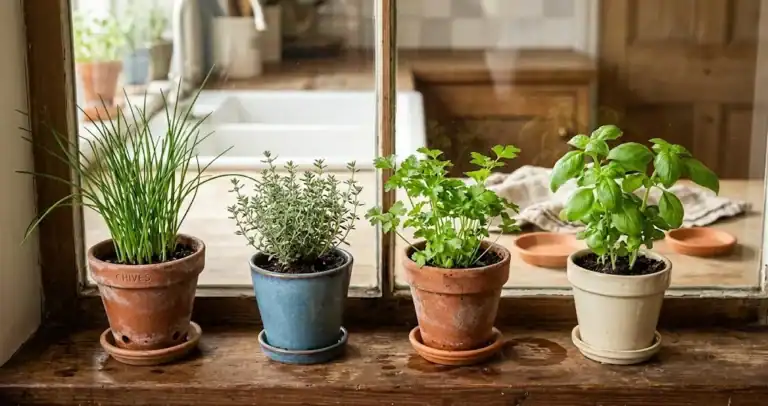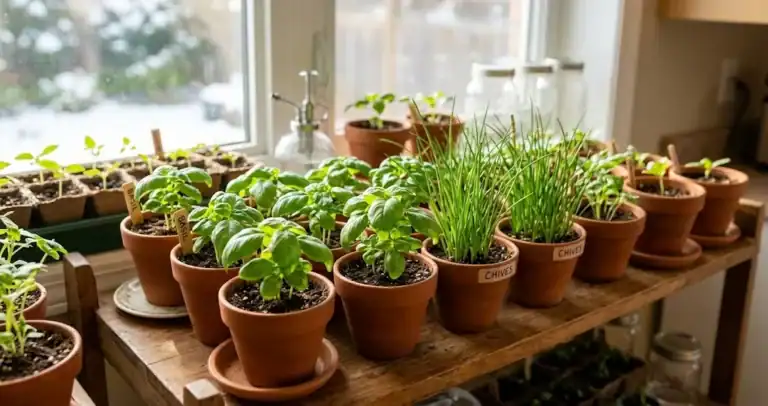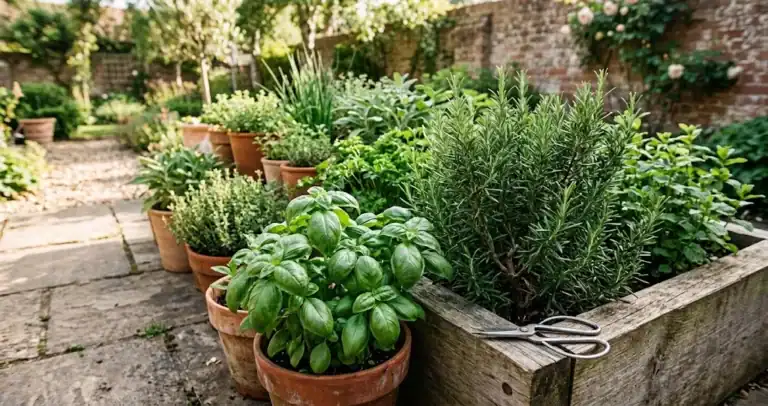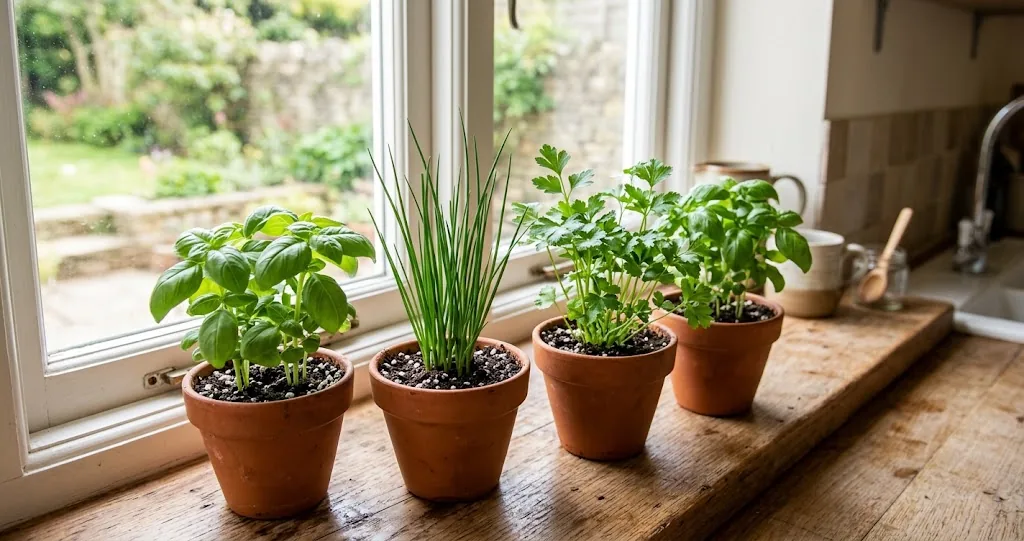
Cultivating your own culinary herbs indoors begins with choosing the right seeds. When you select the best varieties to raise from seed, you gain access to vibrant options rarely found as nursery starts in a local garden center. Sowing quality herb seed also gives you full oversight of soil composition, moisture, and timing, all while saving money. With basic containers, a dependable growing medium, and adequate brightness, home growers can successfully grow herbs throughout every season.
Not every plant adapts smoothly to apartment shelves or kitchen counters. Slow-rooting woody shrubs or sprawling specimens with deep taproots can test anyone’s patience. The easiest herbs to establish inside are those that sprout quickly, tolerate life in a compact pot, and rebound vigorously after routine kitchen harvesting. By focusing on proven varieties, you create a dependable indoor herb garden that produces generous yields right where you cook.
If you are still arranging your containers and lighting shelves, take a moment to review preparing your indoor growing space to get drainage, placement, and airflow dialed in before sowing.
Why start herbs from seed at home?
There is real satisfaction in watching tiny green shoots emerge from damp soil. Beyond the pleasure of propagation, growing herbs from seed provides practical advantages over buying mature nursery containers. Commercial nursery starts often suffer transplant shock when moved into dry living spaces, and they occasionally introduce fungus gnats or powdery mildew into your living quarters. When you sow seeds indoors, your herbs adapt to your ambient household humidity and room temperatures from day one.
Packets of herb seed also unlock exceptional varietal diversity. Instead of settling for generic grocery store greens, you can trial distinct types of basil, fragrant dwarf cultivars, and herb varieties suited to small spaces. Sowing successive batches every three to four weeks provides an uninterrupted harvest of tender, fast-maturing leafy greens without cluttering your counters.
Fast and flavorful: top annual herbs for indoor pots
Annual crops complete their entire life cycle within a single season, channeling rapid energy into lush leaves and stems. Because they grow vigorously from the start, annuals rank among the easiest herbs to establish from seed on a bright windowsill or under dedicated fixtures.
Sweet Basil and Specialty Basils
Sweet basil is widely regarded as one of the best herbs to start inside. Basil seeds germinate swiftly, usually within five to eight days when kept warm. Beyond classic Italian large-leaf types, explore flavorful varieties such as spicy Thai basil or citrusy lemon basil. Sow the seeds about one-quarter inch deep in moist, soilless potting mix. This sun-loving annual demands strong brightness to prevent leggy growth; provide at least six hours of sunlight or twelve hours of light beneath artificial fixtures. Pinch the top stem tips regularly above a leaf node to encourage dense, bushy branching.
Flat-Leaf Parsley
This biennial plant is commonly cultivated as a cool-season annual in kitchen containers. Flat-leaf Italian parsley offers superior culinary punch compared to curly varieties, enhancing everything from rich stews to a bright lemon vinaigrette. The seeds carry naturally tough outer coats, which can result in slow emergence rates. To achieve higher germination rates, soak seeds in lukewarm water for twelve hours before planting. Sow seeds at the right depth of one-quarter inch, keep the medium evenly moist, and thin to the strongest seedling in each individual container.
Cilantro
This zesty annual provides signature flavor for salsas, curries, and salads. Because cilantro develops a sensitive central taproot, it dislikes root disturbance and grows best when you sow seeds directly into its permanent home. Select compact cultivars like Leisure or Cruiser that resist premature bolting. For best results, sow four to five seeds in a six-inch pot every three to four weeks to maintain a constant supply of tender young foliage.
Dill
With its delicate, feathery foliage and distinctive aroma, dill is remarkably easy to grow from seed. Like coriander foliage, this feathery crop forms a deep taproot that resents transplanting, so sow directly into containers at least eight inches deep. Seeds sprout within ten to fourteen days in warm conditions. Snip the outer fronds when the plant reaches six inches in height, leaving the central growing tip intact so the plant continues producing fresh growth.
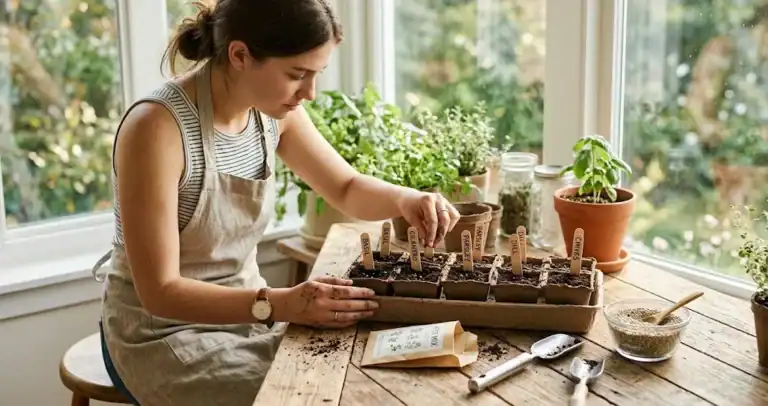
For detailed, step-by-step guidance on moisture control and tray setup, consult our practical step-by-step seed sowing instructions to ensure high seedling survival.

Compact and dependable: perennial herbs from seed
Unlike annuals that finish after one season, a perennial herb lives for multiple years, yielding harvests across several growing cycles. Starting perennial herbs from seed takes slightly more early patience, but once established, these sturdy plants become effortless fixtures of household herb gardening.
Chives
These slender alliums rank among the most resilient culinary herbs you can cultivate. Their hollow green spears deliver mild onion and garlic notes, perfect for finishing soups, eggs, and baked potatoes. Chive seed sprouts reliably within ten to fourteen days when covered lightly with soil. Sow a small cluster of ten to twelve seeds per container to produce a full, grassy clump. These hardy greens adapt well to moderate light levels and tolerate typical home humidity levels without complaint.
Oregano
This Greek variety is a beloved Mediterranean staple packed with pungent essential oils. The seeds are exceptionally fine and need light to sprout, so press them gently into the surface of damp potting medium without burying them under soil. Keep the flat covered with a clear dome until sprouts emerge in eight to twelve days. This Mediterranean species craves excellent drainage, so blend extra perlite into your soil blend to keep the root environment dry between waterings.
Thyme
English thyme is a versatile, hardy perennial featuring tiny leaves on woody stems. Similar to other Mediterranean herbs, tiny seeds require surface sowing and moderate warmth. While the crop starts slowly during its first month, mature plants remain exceptionally durable, asking only for gritty soil, minimal feeding, and direct sun. Allow the top inch of container soil to dry out between waterings to prevent root disease.
Lemon Balm
A fragrant member of the mint family, lemon balm releases a bright citrus scent whenever its foliage is brushed. Unlike true culinary mints, lemon balm breeds true from seed and germinates in ten to fourteen days. Sow on the surface of moist soil, as seeds need light exposure to break dormancy. This cheerful plant thrives in household rooms because it tolerates partial shade and cooler corners where sun-loving Mediterranean varieties might struggle.
Garden Sage
This classic culinary plant produces velvety, oblong leaves with deep earthiness that enriches poultry, roasted vegetables, and pasta sauces. The seeds sprout within two to three weeks in warm soil. Because this woody perennial develops a robust root system, pot each established plant into an eight-inch container filled with porous, gritty potting blend.
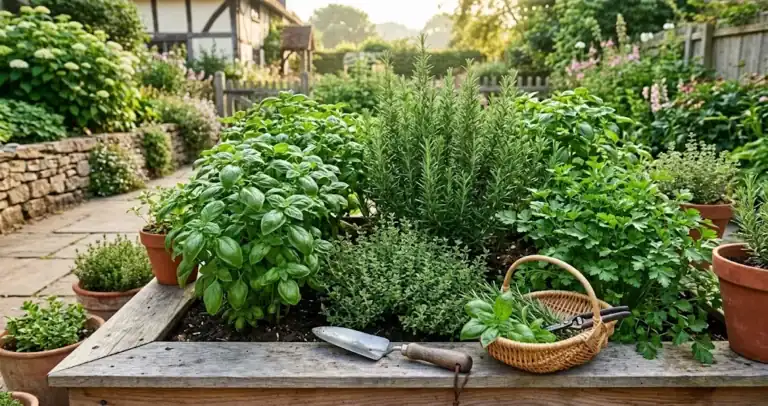
If you plan to expand your plantings into an outdoor yard or balcony beds later in the year, consult our foundational guide to growing herbs for bed preparation and seasonal transitions.

Herbs to skip or propagate by cuttings instead
While many types of herbs flourish from a seed packet, a few popular kitchen varieties present major headaches when started from seed inside the house. Knowing which culinary varieties you can raise at home without frustration saves valuable counter space and months of wasted effort.
Rosemary is notorious for sluggish, unpredictable emergence. Rosemary seed germination can be slow and uneven, often taking four to six weeks to sprout followed by months of sluggish seedling growth. Gardeners achieve far faster, sturdier results by taking four-inch softwood stem cuttings from an existing plant and rooting them in water or coarse perlite.
True culinary mint varieties like peppermint and spearmint rarely come true from seed due to complex hybridization. Seedlings often emerge with bland, grassy flavor or unpleasantly harsh undertones. Propagating mint from rooted runners or nursery cuttings guarantees the sweet, potent flavor you expect. Finally, authentic French tarragon produces completely sterile flowers and sets no viable seed; any packet labeled tarragon is Russian tarragon, an inferior species lacking the rich anise sweetness essential for classic French cuisine.
Matching herbs to your indoor light and space
Every home gardener must evaluate available light before selecting which plants to grow. Herbs evolved under open skies and require substantial energy to synthesize aromatic essential oils. A bright south facing window that gets at least five to six hours of direct sun offers suitable conditions for resilient perennials like chives and English thyme.
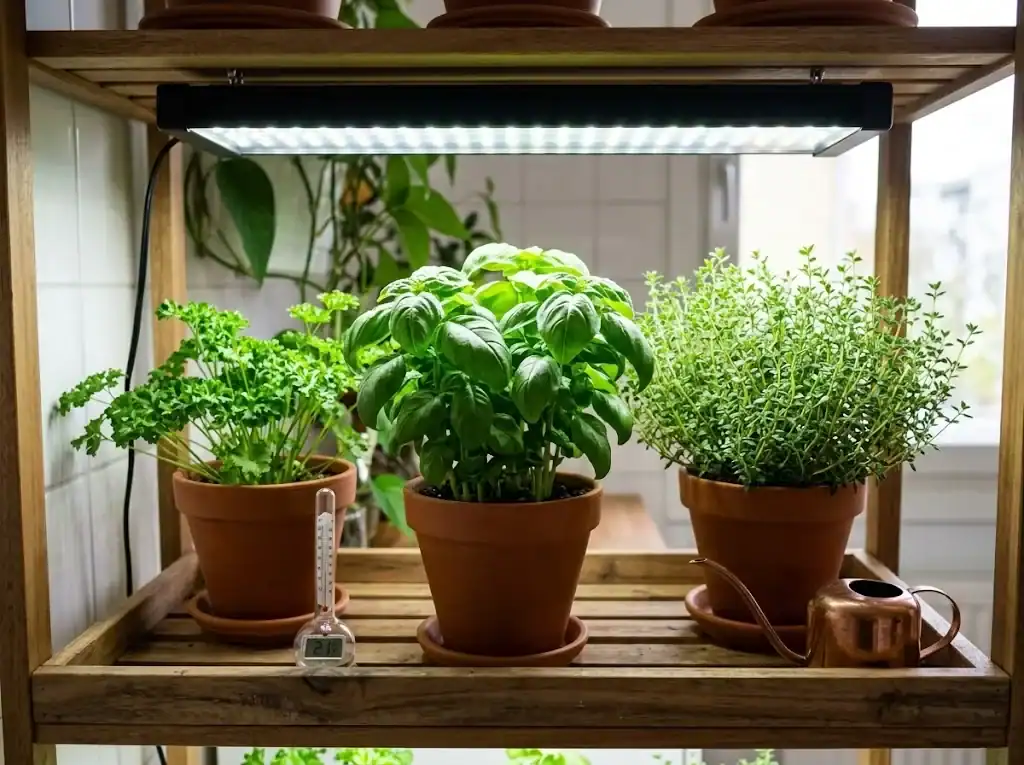
During winter months or in rooms lacking an unobstructed southern exposure, even a sunny window rarely supplies sufficient brightness. When light levels fall short, young plants become pale, weak, and leggy as they stretch desperately toward the glass. Installing an energy-efficient LED grow light overhead ensures consistent, healthy growth. Position lamps three to four inches above plant canopies and operate them on an automated timer for fourteen to sixteen hours daily.
Container selection also directly influences plant vigor. Always select pots equipped with functional drainage holes to protect root hairs from standing moisture. Using lightweight soilless potting mix enriched with perlite or pumice provides excellent porosity, which is good for the roots and prevents soil compaction. When plants show active growth, apply a balanced organic liquid fertilizer diluted to quarter-strength once a month to support steady foliage development without diluting essential oil concentrations.
Frequently asked questions
What are the easiest herbs to establish inside from seed?
Sweet basil, chives, flat-leaf parsley, and cilantro are widely considered the simplest culinary varieties for seed starting. They sprout quickly, adapt well to container life, and yield abundant harvests on a bright window ledge or under an overhead light fixture.
How long does it take for herb seeds to sprout inside?
Fast-growing annuals typically sprout in five to ten days under room temperatures of 65 to 75 degrees Fahrenheit. Slower perennial varieties such as thyme and chives usually require ten to fourteen days to show green growth.
Do all herb seeds need light to sprout?
It depends on the specific variety. Very fine seeds like oregano and lemon balm require light to trigger emergence and should be pressed onto the soil surface without covering. Larger seeds such as parsley sprout best when covered with a quarter-inch of moist soil.
Can you cultivate kitchen seasonings inside all year round?
Yes, growing herbs inside is practical throughout every season. While winter days bring lower natural light, supplementing with an overhead LED grow light ensures steady growth and continuous kitchen harvests year-round.