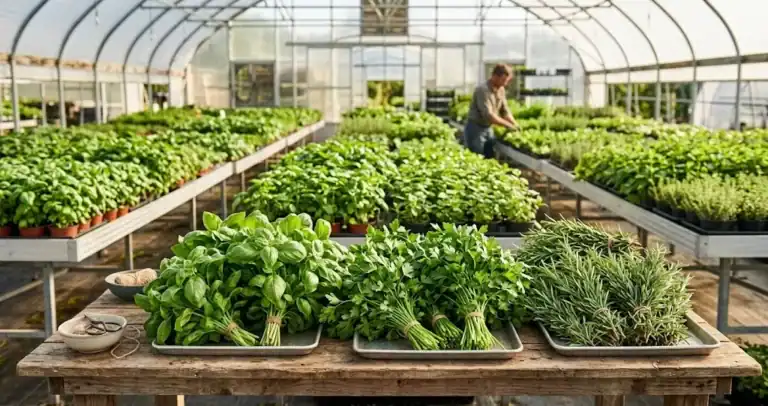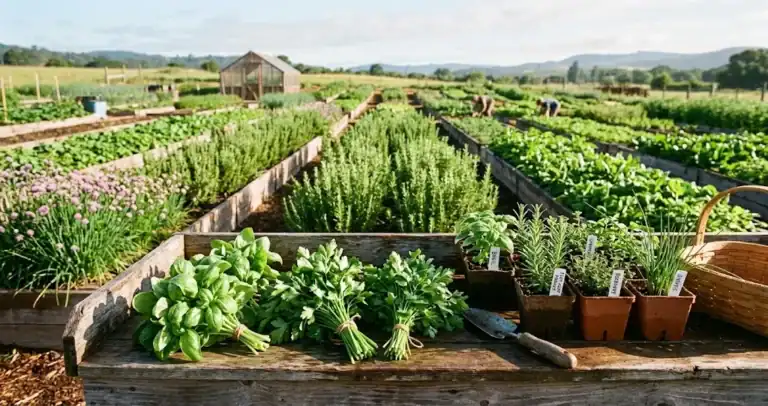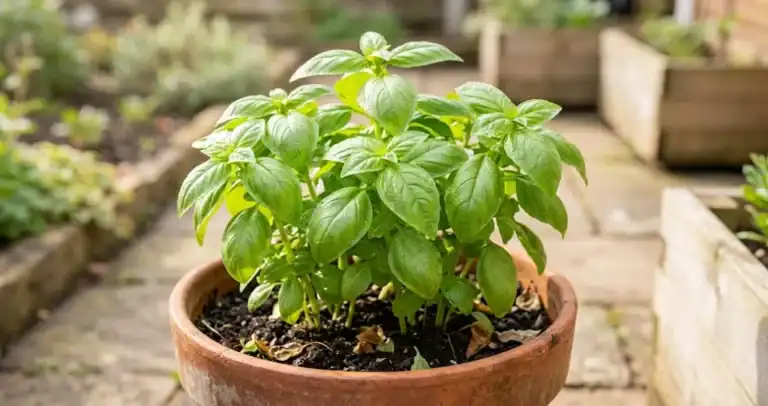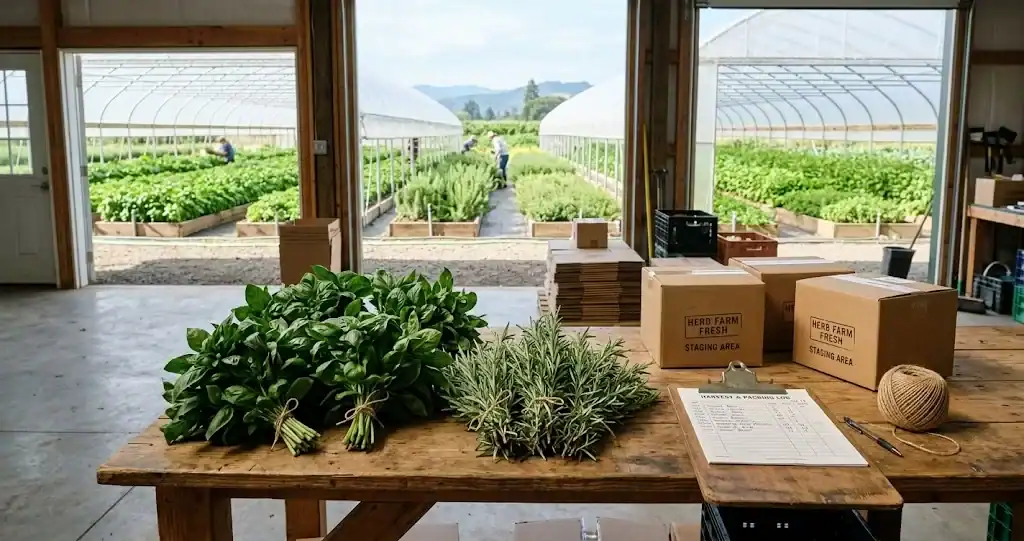
Launching a commercial enterprise in specialty crops requires far more than skilled cultivation in the field. Successful growers quickly discover that expanding from a small market garden to dependable commercial revenue demands solid distribution channels, fair wholesale pricing benchmarks, and reliable supplier relationships. Connecting with established industry groups offers smallholdings and production farms direct access to shared logistics, practical business mentorship, and collective marketing strength.
Whether you cultivate fresh culinary herbs, container nursery stock, or botanical varieties for dry blending, joining organized networks simplifies the shift toward growing and selling marketable herbs. These professional bodies bridge the gap between field harvest and profitable commerce.
Why Commercial Herb Growers Join Industry Networks
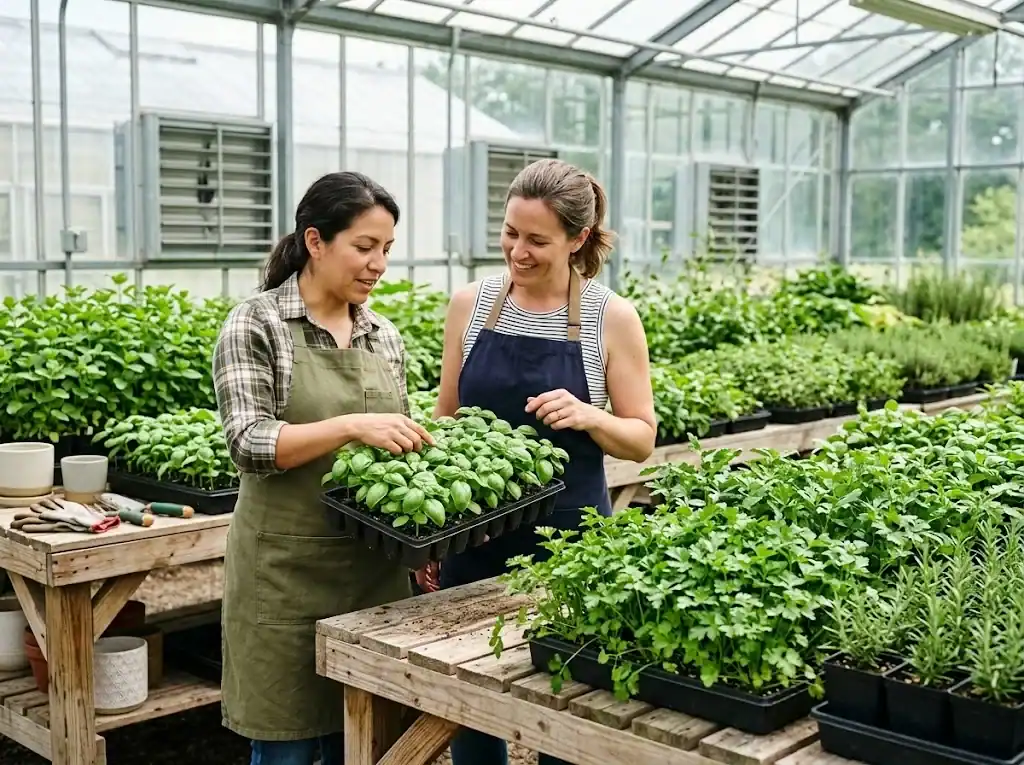
Independent growers frequently encounter isolation when navigating bulk packaging purchases, delivery routes, and compliance rules across the broader herb industry. Joining a professional trade association connects producers directly with peers confronting identical operational challenges. Through collective bargaining, members negotiate discounts on rootstocks, greenhouse glazing, seed orders, and processing equipment for diversified herb businesses.
In addition, these alliances operate searchable directories and publish regular trade newsletters. When regional distributors, chefs, or natural food co-ops search for dependable suppliers, member rosters serve as trusted procurement registries. Participating in an active herbal community turns isolated farms into recognized commercial partners within the wholesale herb market.
Major Herb Growing and Marketing Associations to Explore
Several national and international organizations cater specifically to commercial growers, botanical processors, and nursery managers. Each nonprofit organization serves distinct operational scales and industry segments.
The IHA and Commercial Grower Networks
The International Herb Association traces its roots to the mid-1980s, when founders established the group to bring together commercial herb growers and marketers into a dedicated trade alliance. The group unites professional cultivators, educators, and product artisans into an active network.
Members receive the famous Herbal Green Pages trade directory, quarterly educational newsletters, and access to an annual conference highlighting sustainable production techniques. The group also sponsors the annual Herb of the Year program, coordinating nationwide promotions that lift retail demand across farm stands and regional outlets.
American Herbal Products Association for Regulatory Support
Producers expanding into value-added herbal products, tea blends, or dried retail packages benefit from the American Herbal Products Association. As the primary national trade association for the botanical sector, AHPA champions responsible commerce and transparent standards across the herbal products industry.
Members gain practical guidance on Food and Drug Administration rules, Current Good Manufacturing Practice standards, and dietary supplements labeling protocols. Participating in a specialized working group ensures small-scale operations stay ahead of shifting agricultural and commercial regulations without costly legal overhead.
The Herb Society of America and Botanical Research Alliances
While focused broadly on botanical education and research, The Herb Society of America provides valuable regional symposia, seed exchanges, and historic cultivation archives. Growers producing rare botanicals or native species also connect with the Plant Conservation Alliance to safeguard wild populations while cultivating clean domestic stock.
In parallel, the American Botanical Council provides peer-reviewed botanical science that supports accurate marketing language for both culinary crops and traditional herbal medicine, serving agricultural producers alongside physicians and pharmacists. State university agricultural extension offices frequently coordinate localized producer guilds, offering trial results tailored to local soil profiles and regional climates.
Commercial Advantages: Sourcing, Pricing, and Sales Channels
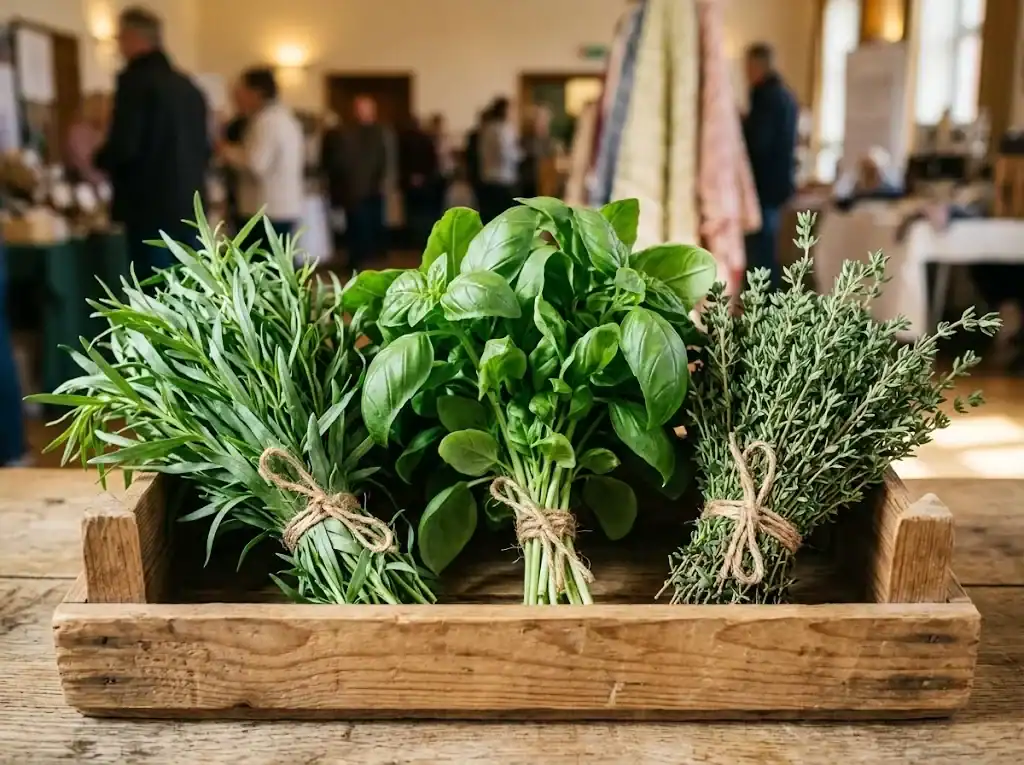
Trade group membership yields tangible economic benefits that directly strengthen farm balance sheets. By standardizing grading criteria and tracking seasonal pricing shifts, grower alliances protect producers from volatile middlemen.
Bulk purchasing programs lower input costs for seed, drip irrigation lines, certified soil amendments, and food-grade packaging. Access to shared distribution runs reduces cold-chain transit costs for fragile fresh cuttings. When developing financial projections, studying peer benchmarks clarifies practical strategies for making money growing herbs across diverse retail and wholesale outlets.
Navigating Wholesale Standards and Agricultural Regulations
Transitioning into commercial wholesale channels requires strict compliance with food safety mandates and agricultural handling protocols. Federal standards administered through the Department of Agriculture establish Good Agricultural Practices and National Organic Program requirements dating back to landmark legislation passed in 1990.
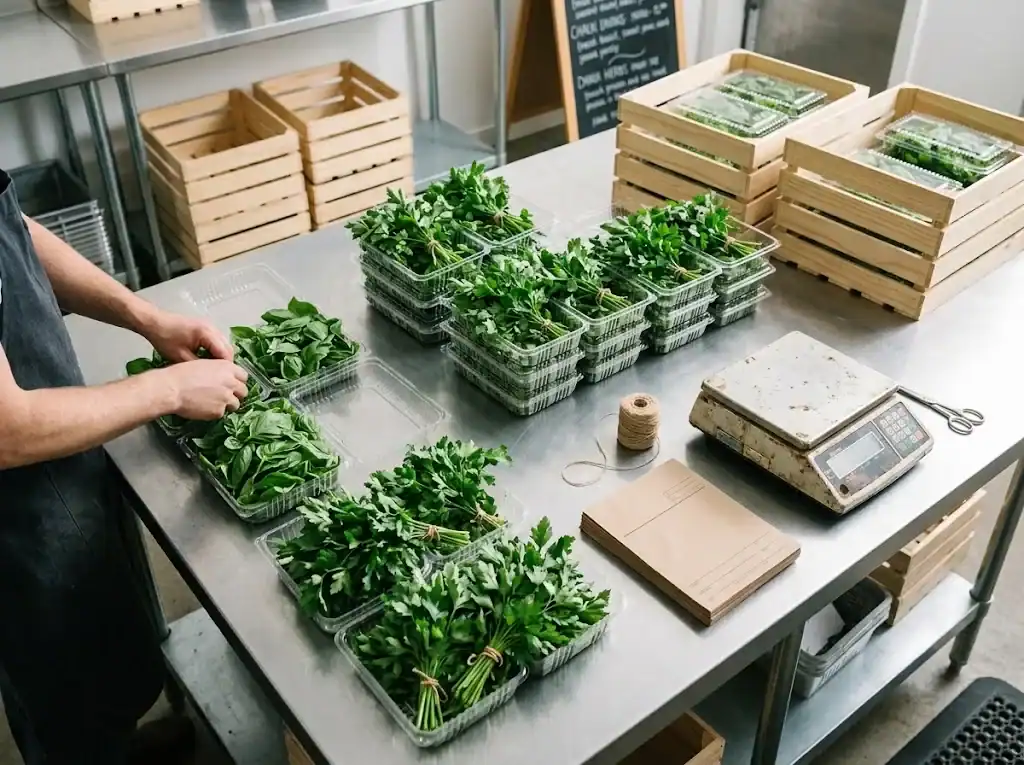
Producer networks frequently host compliance workshops, peer audits, and shared facility certifications for farms growing crops organically. Learning vetted post-harvest handling methods opens lucrative institutional accounts, helping enterprises discover viable ways for growing and selling herbs to commercial buyers.

Diversifying Product Lines: Culinary, Medicinal, and Nursery Crops
Active network membership helps producers identify emerging niche demands before the wider market reacts. Farms often diversify across multiple botanical categories to balance cash flow through changing seasons:
Fresh culinary varieties such as sweet basil, rosemary, and cilantro provide steady weekly revenue through restaurants and local grocers. Meanwhile, cultivating field-grown medicinal plant varieties like echinacea, valerian, and calendula creates high-value dried biomass for tea companies and herbalist apothecaries.
Other growers specialize in nursery plant propagation, supplying rooted cuttings and potted perennials to retail plant centers. Natural dye plants and aromatic cosmetic ingredients further expand revenue possibilities for diversified operations.
How to Select the Right Association for Your Enterprise
Before committing membership fees, evaluate which organization best matches your business model. Consider these essential selection criteria:
First, review the membership focus. If your primary revenue stems from potted nursery starts, a horticultural alliance fits best. If your enterprise crafts dried seasonings, tea blends, or cosmetic extracts, a trade body focusing on processing standards delivers greater value.
Second, assess digital engagement. Active online forums, virtual roundtables, and searchable member portals ensure distant producers gain constant value between annual meetings.
Third, verify regional relevance. While national alliances provide broad regulatory defense, regional agricultural chapters often deliver immediate wholesale referrals and shared shipping runs.
Frequently Asked Questions About Herb Grower Organizations
What is the typical cost of joining a commercial grower network? Annual dues generally range from fifty dollars for emerging micro-producers to several hundred dollars for established commercial farms, usually offset quickly by vendor discounts.
Can beginning growers join national trade alliances? Yes. Most organizations welcome aspiring commercial producers, offering introductory tiers that grant full access to educational archives, newsletters, and member forums.
Do these organizations assist with organic certification? Many provide compliance templates, connect members with accredited certifying agents, and offer guidance on navigating National Organic Program paperwork.