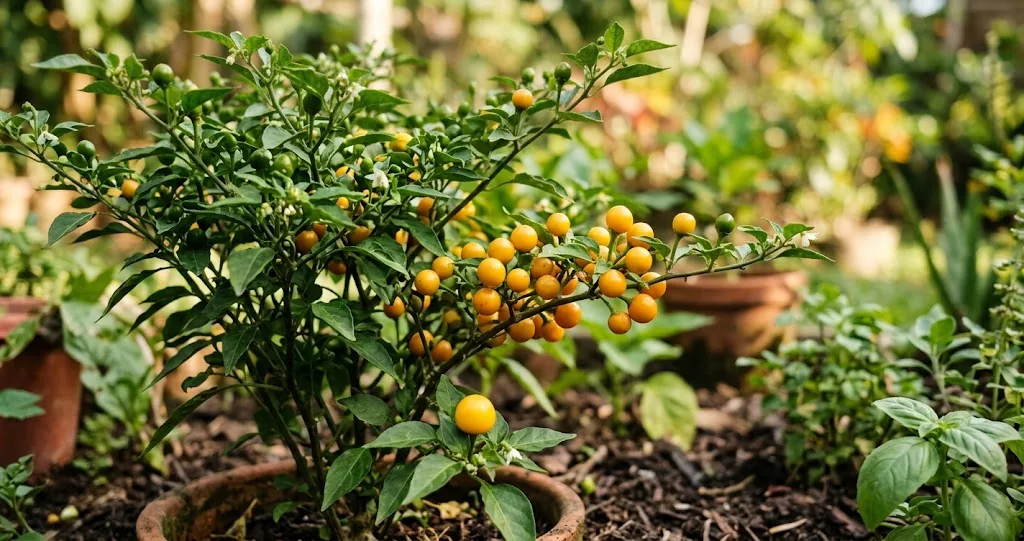
Ají charapita is easy to underestimate: each ripe pod is barely pea-sized, yet one plant can carry hundreds of them. This aji charapita pepper is a tiny hot pepper associated with Peru’s Amazon region, grown for its bright flavor and heat. It is a chili pepper for cooks who want a sharp kick in a small amount. This guide covers how to identify it, what its heat range means, how to grow it at home, and ways to use the harvest without letting a tiny pepper overwhelm a dish.
Local populations sold under the same name can vary, so use a reputable grower and check that its description matches the small, round, yellow to orange fruit you expect. For the wider family of shapes and heat levels, see our pepper-variety guide.
Origin and name
The Ministry of the Environment identifies this as a locally cultivated Amazonian pepper, also known as cerecita or ají de la selva baja. It is part of a much broader tradition of cultivating and using many kinds of ají. The ministry’s description supports a regional connection, but it does not establish one precise wild origin, a single founding cultivar, or a detailed timeline.
The name also needs a little care. “Ají” is the Spanish word used for chili peppers across much of South America. “Charapita” is a regional name, but popular explanations of its exact etymology are not consistently documented. It is safer to treat the name as a local variety name than to repeat a colorful origin story as settled fact.
An Italian pepper society’s profile places the variety in the jungles of northern Peru and the Amazon, and offers one explanation that links “charapita” with people from Iquitos called charapas. That is a reported regional explanation, not a settled etymology confirmed by Peru’s environment ministry.
Small, labor-intensive fruit can be one reason fresh pods bring high prices in specialty markets outside of Peru. Price varies by place, season, and whether a seller offers fresh peppers, dried pods, or seeds. There is no standard price per kilo that proves the often repeated “most expensive pepper in the world” claim. Treat dramatic price tags as a seller’s snapshot, not a botanical fact.
What the pods look like
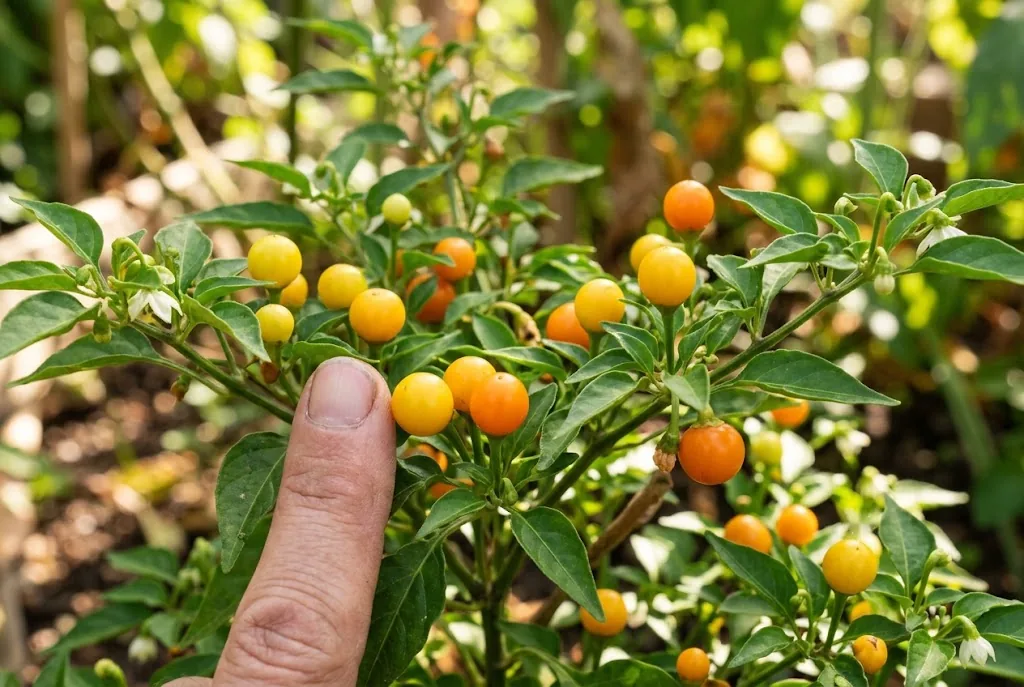
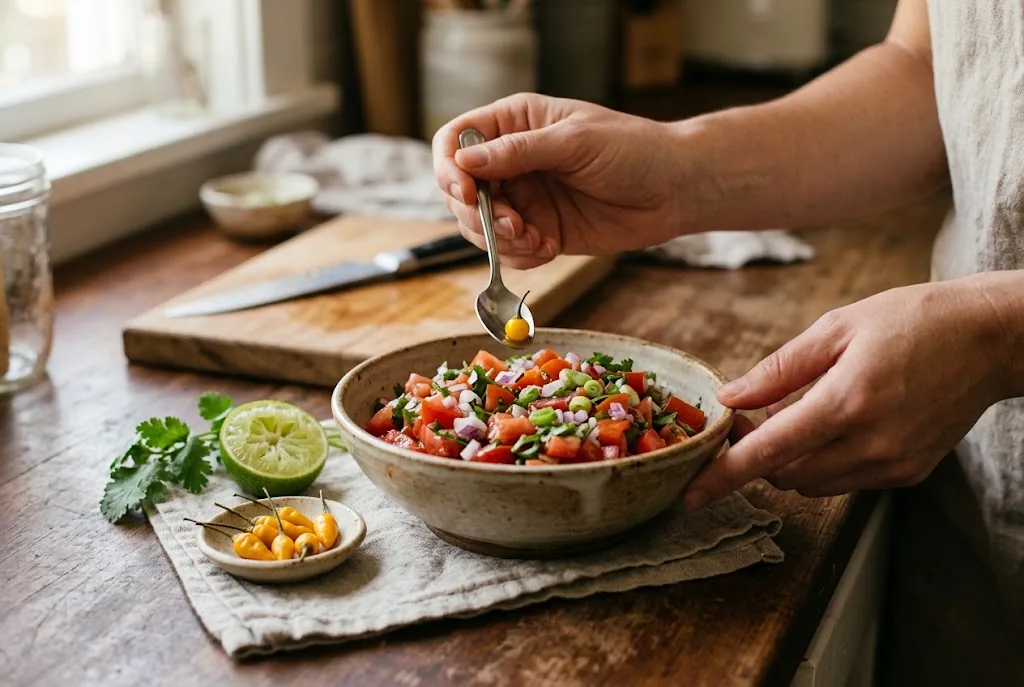
The charapita plant is compact and bushy, with many small, round fruits. Ripe pods are most often described as yellow or golden, though orange and other color forms are also sold. The fruit is around the size of a pea, roughly 5 to 8 millimeters across in one pepper-variety description, with thin skin and a cluster of seeds inside. Young fruit is green before it colors up.
That tiny spherical shape is a useful clue, but it does not prove the identity of a plant. The regional name is applied to local material with some variation, and taxonomic labels have not always been consistent in reports. One study of fruit sold under the local name in Amazonian markets classified its samples differently from the common listing in the title. Buy from a grower who identifies the parent plant and do not assume every packet is genetically identical.
Where to find the pepper and its seeds
Fresh fruit may be hard to find outside the growing region. Specialty grocers and regional food shops are more likely to carry dried pods, flakes, or a paste than a tray of fresh peppers. Online pepper seeds are easier to source, but seed packets can use the same local name for slightly different material. Check the seller’s photos, species description, mature pod color, and harvest estimate before ordering.
For aji charapita seeds, look for a pepper-seed supplier that identifies the source of its stock and gives growing details. Customer reviews can help flag poor germination or a mislabeled crop, but a review is not botanical verification. If you buy dried peppers for cooking, choose a sealed package with a clear ingredient label and no dampness or musty odor.
Aji charapita pepper heat, flavor and uses
Published pepper guides commonly place the variety around 30,000 to 50,000 Scoville heat units (SHU). That is an often repeated range, not a lab result for every pod. Heat changes with the plant’s genetics, growing conditions, fruit maturity, and the portion tasted. The stated heat level overlaps with cayenne pepper, but the range does not make their flavor the same. Start with one pod, taste the dish, and add more only if needed.
Its flavor is often described as fruity, citrusy, or slightly floral beneath the burn. Descriptions vary, and the pepper’s sharp heat can dominate if it is used without tasting as you go. The small size also makes it easy to add several by mistake, so count pods rather than scattering them into a pot.
Growing tips for the aji charapita plant
Growing notes for this particular pepper are less standardized than for common varieties. Treat it as a warm-season plant: start seeds indoors, keep seedlings warm and brightly lit, then move a hardened-off transplant outdoors only after frost danger has passed and the soil has warmed. A University of Minnesota Extension pepper guide recommends beginning indoors about eight weeks before outdoor planting; actual time to germination and fruit depends on seed viability, warmth, light, and local conditions.
One botanic profile for the named selection ‘Aji Charapita Hot’ lists 10 to 15 days to germination and 110 to 140 days to maturity. Treat those as a guide for that selection, not a guarantee for every packet or climate. Seeds started in cool conditions may take longer, and maturity estimates usually depend on when the grower counts the season.
When buying seeds, look for a seller that names the species, describes the mature fruit as small and round, and gives a recent germination or harvest estimate. Because the local name can cover variable material, keep the packet label with your seedlings so you can compare the fruit at harvest.
Start indoors and raise seedlings
- Sow seeds about one-quarter inch deep in a clean seed-starting mix. Keep the mix evenly moist, not waterlogged.
- Use bottom warmth if available. University of Minnesota Extension gives 80°F to 90°F as a useful range for pepper propagation trays until seedlings emerge; cooler mix can slow germination.
- Once seedlings emerge, provide strong overhead light and steady warmth so stems stay sturdy. Pot them up after true leaves form if they are crowded.
- Harden seedlings off gradually for a week or more, increasing their time outdoors before transplanting.
Peppers can take longer to germinate than expected, especially when the mix is cool. Keep the tray warm and check moisture before assuming the seed has failed to sprout. If a packet lists a specific estimate, use it as a starting point rather than a promise for every climate.
Choose a warm site or container
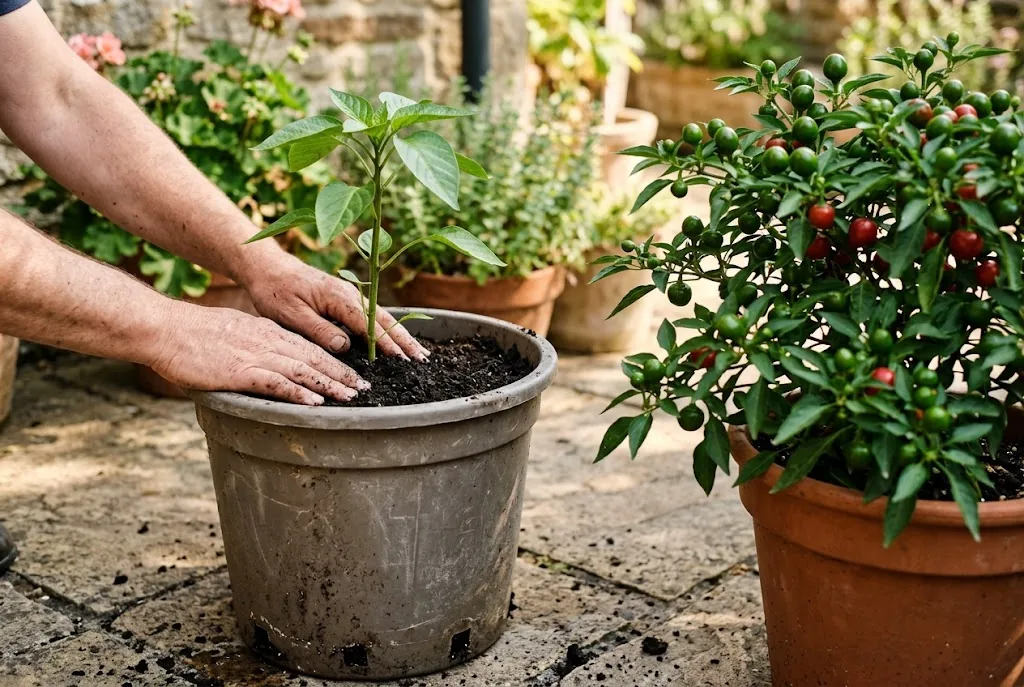
Give the plant at least six hours of direct sun, warmth, and soil that drains freely. Peppers grow and set fruit best in warm conditions; cold soil and chilly nights slow them down. In regions with short summers, grow it in a pot that can be moved under cover when nights turn cold. A 5-gallon pot is a practical general size for one pepper plant, with drainage holes and fresh potting mix.
Water when the top layer of mix begins to dry, then water deeply enough to reach the roots. A container may need frequent watering in hot weather, but standing water can damage roots. Feed according to a vegetable fertilizer label and avoid heavy nitrogen feeding, which can encourage leafy growth at the expense of flowers and fruit.
Do not prune the plant into a particular shape. Support branches if a heavy crop bends them. If flowers drop during a heat spell or cold stretch, check temperature, watering, and light before changing fertilizer. If you enjoy growing uncommon varieties, our overview of rare and unusual varieties introduces more options.
In a frost-free climate, a healthy plant may keep growing beyond one season. It will not survive winter outside where the soil freezes. In that climate, move a potted plant indoors before nights get cold if you want to overwinter it. Give it the brightest window or a grow light, water less while growth slows, and check for pests before bringing it inside. Gardeners with little indoor light can instead grow a fresh plant from seed the next season.
Harvesting and handling
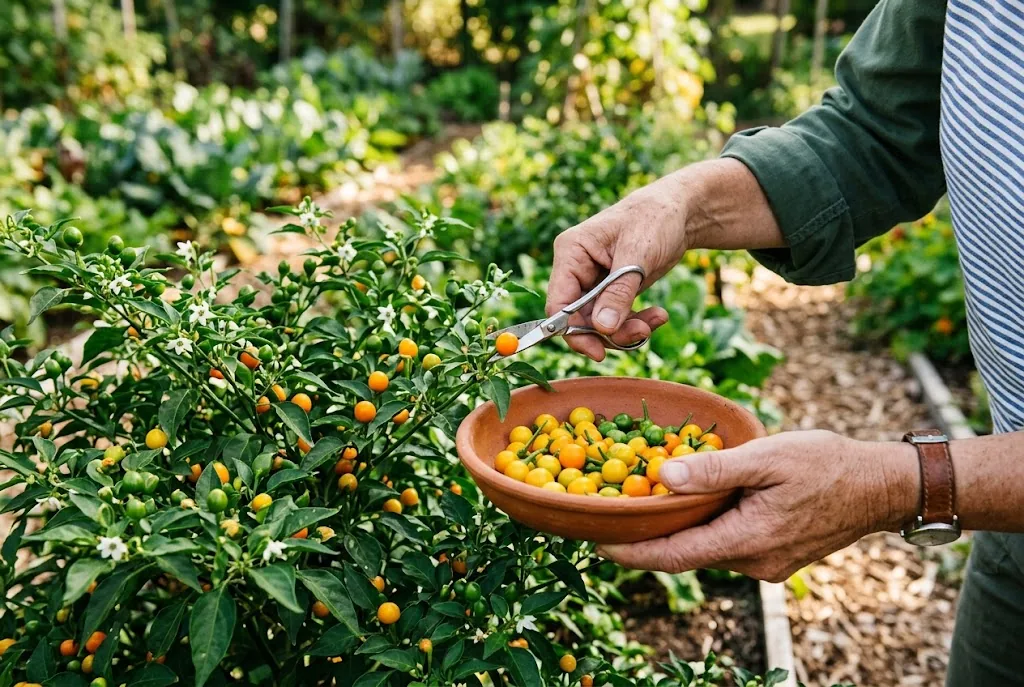
Pick pods when they have reached their mature yellow or orange color and come away cleanly from the plant. Harvesting regularly can make a small plant easier to manage. Use scissors or garden snips if a stem resists, since pulling can break a branch. If fruit color is uncertain, compare it with the description supplied by the seed grower.
Wear food-safe gloves while harvesting or cutting hot peppers, and avoid touching your eyes, nose, or face. Wash hands, tools, and work surfaces with soap and water after handling. Capsaicin can irritate skin and eyes; if juice gets into an eye, rinse with clean water and contact Poison Control or a medical professional if pain or irritation is severe or persistent.
Storing and preserving the harvest
Use fresh pods soon after harvest, or refrigerate them in a breathable container and check for soft or moldy fruit. For longer storage, freeze whole clean pods in a labeled freezer container. You can add a frozen pod straight to a simmering broth, where it is easy to remove before serving if you want the flavor without the full heat.
To dry pods, spread them in a single layer in a dehydrator and dry until brittle throughout. Small fruit can be dried whole, but cut a few open to check that no damp flesh remains inside. Cool completely, then store in a sealed jar away from heat, light, and moisture. Grind dried pods into flakes or powder in a well-ventilated area, since fine chili dust can irritate the eyes and airways. Dried peppers can also be crumbled into a finishing seasoning. For a comparison with another Peruvian pepper, including its larger, fruity pods, see our profile of ají amarillo.
Ways to use the pods in the kitchen
The pepper works best when its heat is measured. Add one whole pod to beans, broth, or stew and remove it before serving, or mince a small amount into a fresh salsa. It can also flavor a vinaigrette, citrusy marinade, or hot sauce. Whole pods deliver less immediate heat than finely chopped fruit because less surface is exposed, but they still need to be tasted before adding more.
Use it as a finishing spice where a fresh, bright note suits the dish: spoon a little into tomato salsas and sauces, pair it with lime and herbs, or crumble a small amount of dried pod over eggs, roasted vegetables, or soup. The tiny pods are fiddly to chop, so a pinch of flakes or a brief infusion may be easier than mincing a handful. Avoid rubbing your eyes while cooking, and wash utensils promptly.
“Medicinal” claims and wellness products are not a reason to treat this food as medicine. Eating it does not replace medical care or prescribed treatment. Its culinary value is the aroma, flavor, and heat it brings in a very small amount.
Frequently asked questions
Is this the same as chiltepin?
No. Both can have tiny, round fruit, but they are different peppers. Chiltepin is generally treated as a wild form of C. annuum var. glabriusculum. Their appearance and heat can overlap, so use the plant’s provenance and seller description rather than fruit size alone.
Why can it cost more than common peppers?
The pods are very small, often sold in limited quantities, and can take time to pick. Those factors can raise specialty-market prices, especially far from the growing region. Prices vary, and the often repeated “most expensive pepper” label is not a dependable universal ranking.
Can I grow it indoors?
Yes, if you can provide strong light, a warm location, a well-draining pot, and enough room for a bushy plant. A sunny window may not provide enough light through winter; a grow light can help. Flowering and fruiting still depend on warmth, light, and pollination.
Can I substitute it for a habanero?
It can add heat and fruitiness to a dish that calls for habanero, but the pods are much smaller and their flavor is not identical. Do not substitute by counting one pod for one pod. Start with one charapita, taste, and add more gradually. That is especially useful when testing new spicy recipes or adjusting a sauce.
Sources
- Ministry of the Environment: cultivated ají diversity and Amazonian ají charapita.
- Accademia Italiana del Peperoncino: charapita botany, pod size, and regional descriptions.
- Ciencia Amazónica: reported fruit variability among ají charapita ecotypes sold in Amazonian markets.
- PepperScale: reported 30,000 to 50,000 SHU range.
- University of Minnesota Extension: pepper seed starting and growing guidance; Oregon State University Extension: pepper growing and containers.
- Royal Botanical Gardens: Aji Charapita Hot plant profile and reported timing.
- University of Minnesota Extension: drying and storing foods; Poison Control: capsaicin exposure.
