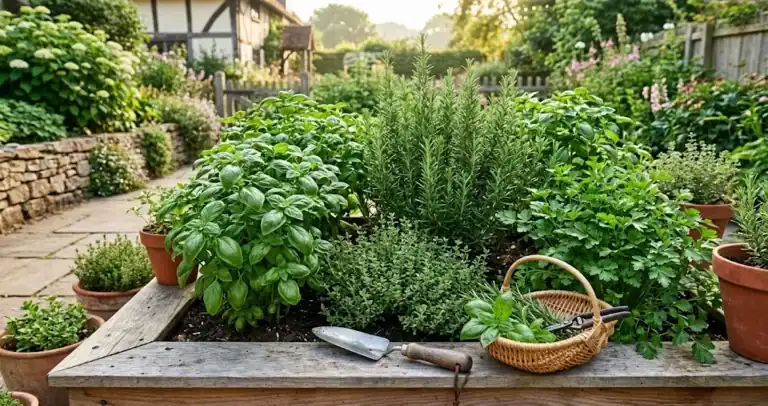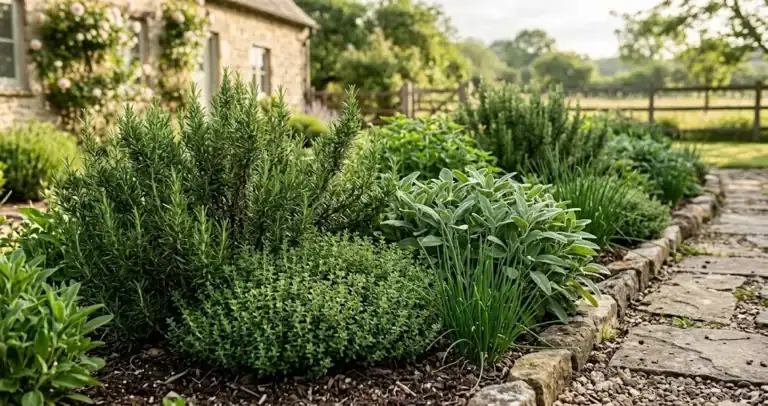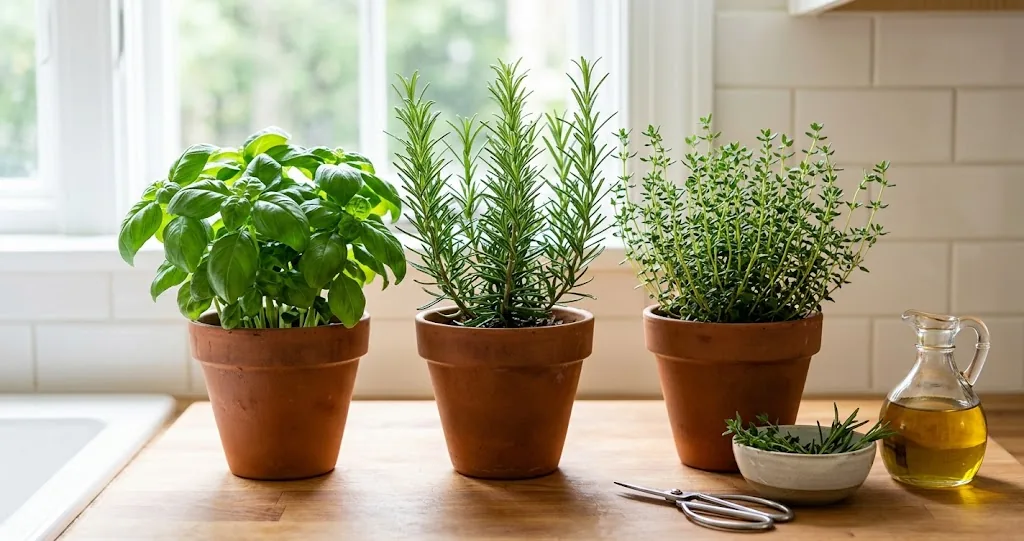
Few culinary conveniences compare to having fresh herbs growing right beside your cutting board. Instead of buying expensive plastic clamshells of grocery store greens that turn slimy within days, cultivating your own culinary herb collection gives you vibrant flavor on demand. Growing herbs in the kitchen transforms everyday cooking by placing living ingredients within arm’s reach.
Whether you have a sunny windowsill, a spacious countertop, or a modest hanging planter, creating a kitchen herb garden is one of the most rewarding home projects. It brings lush greenery into your space while providing continuous harvests for meals, dressings, and savory pan sauces.
Immediate Fresh Flavor from Culinary Herbs in Your Kitchen
The foremost benefit of cultivating seasonings inside is unmatched flavor. Essential oils give culinary plants their distinct fragrance and punch, but these delicate compounds begin evaporating as soon as leaves are severed. When you snip fresh basil, rosemary, or thyme seconds before stirring them into a warm dish, you capture peak botanical vitality.
Having fresh herbs on hand also frees you from recipe compromises. If a sauce calls for just one fresh sprig or two culinary leaves, you can harvest that exact quantity without opening a wasteful supermarket package. If you want fresh seasonings for a quick meal, snipping a small handful takes seconds. Exploring our comprehensive culinary herbs guide helps you understand how different varieties elevate everyday meals.
Reducing Grocery Waste and Food Costs with Home-Grown Crops
Supermarket greens are notoriously overpriced for the small volume they provide. Most recipes require only a small pinch as a garnish, leaving the remainder of the store-bought bunch to wilt in the vegetable drawer. When you compare supermarket prices to the small investment of growing your own herbs, home cultivation delivers substantial financial savings over a single season.
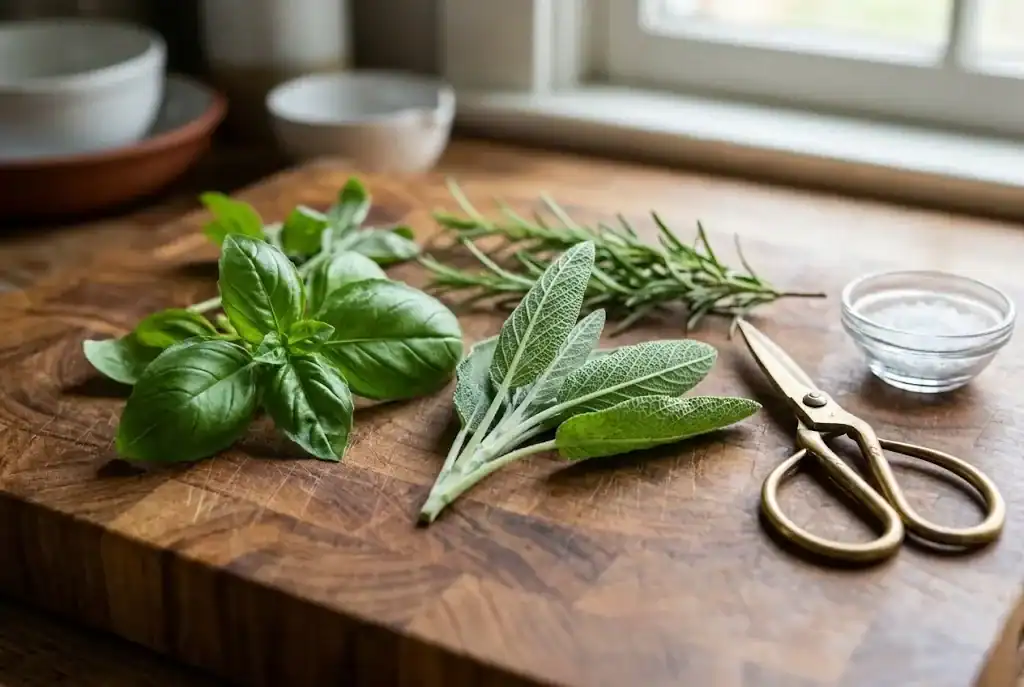
A single potted plant purchased from a local nursery or raised from seed can produce bountiful clippings for months. Because any home gardener can harvest only what is needed for dinner, you eliminate food waste while keeping flavorful seasonings readily available. When a plant grows steadily under indoor care, it pays for itself within just a few weeks.
Year-Round Harvests and Climate Protection When You Grow Indoors
Outdoor beds are subject to unpredictable seasons, scorching hot weather, and freezing winter frosts. In contrast, indoor cultivation provides a sheltered, temperature-controlled microclimate that allows many species to produce fresh foliage throughout the entire calendar year.
Hardy perennial selections such as rosemary, French tarragon, sage (Salvia officinalis), and oregano easily overwinter when given sufficient light. Tender annuals and biennials like cool-season greens and dill can be raised in successive containers so you never run out of crisp foliage during cold winter months.

Natural Aromatic Fragrance and Indoor Greenery on Countertops
Beyond their culinary utility, potted kitchen selections make attractive indoor plants that enhance your living space. Unlike a typical decorative houseplant, succulent plant, or cactus that sits idle, culinary greens combine ornamental beauty with daily usefulness. Clusters of bright green leaves bring warmth, texture, and natural color to kitchen counters and window ledges.
Brushing past a potted aromatic shrub or trimming fresh peppermint (Mentha piperita) releases a gentle burst of natural essential oils that freshens room air without synthetic sprays. While some growers maintain traditional botanical beds outdoors, kitchen selections focus on edible aromatics you can snip directly into a soothing herbal tea or pan sauce.
Total Control Over Potting Soil, Water, and Growing Conditions
When you grow food at home, you maintain absolute control over every input. Supermarket produce often carries residues from commercial sprays, synthetic fertilizers, or prolonged storage. Raising your own kitchen garden ensures your family enjoys wholesome greens grown with clean water and organic potting soil.
You choose the organic nutrients and potting mix tailored to each plant’s specific needs. Selecting appropriate containers with drainage holes guarantees healthy root systems and prevents waterlogging. For a thorough overview of planning your layout, review our foundational guide to growing an herb garden.
Growing Basil, Parsley, and Chives for Fresh Kitchen Garnishes
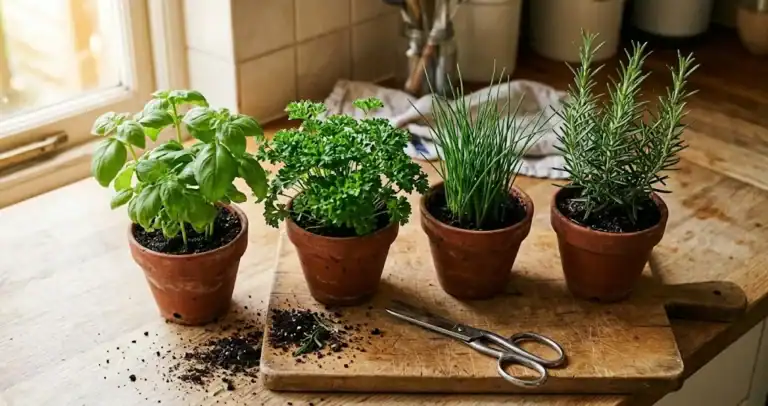
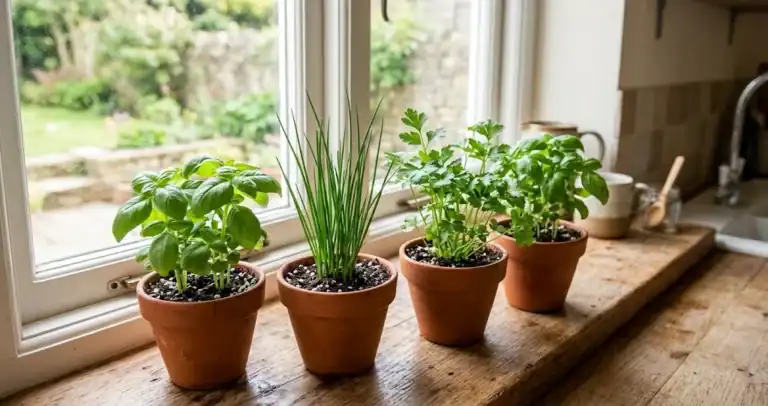
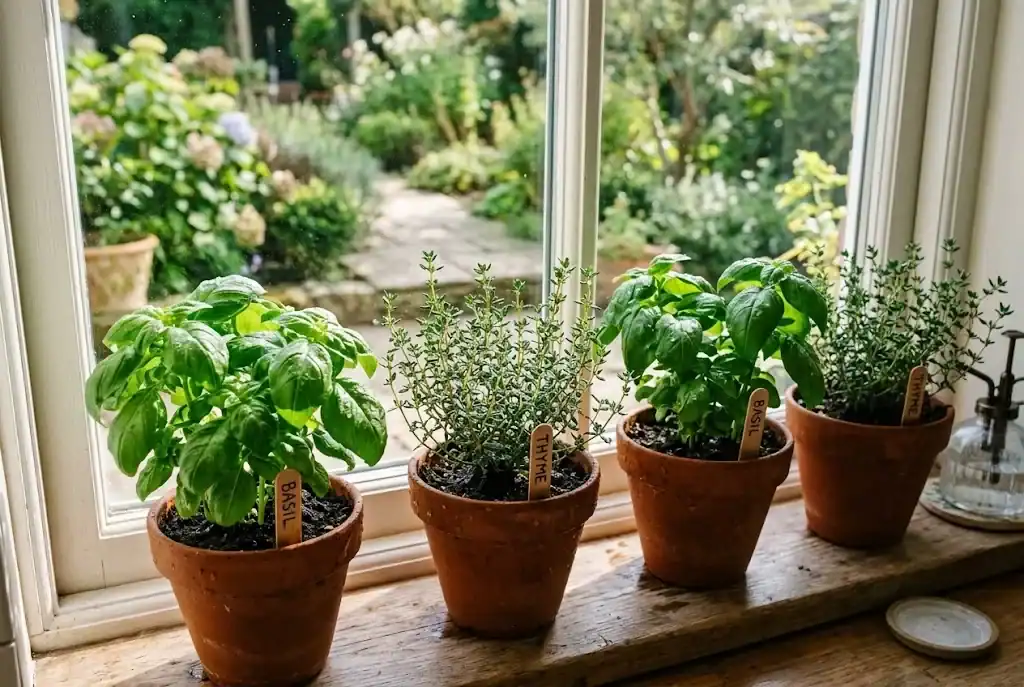
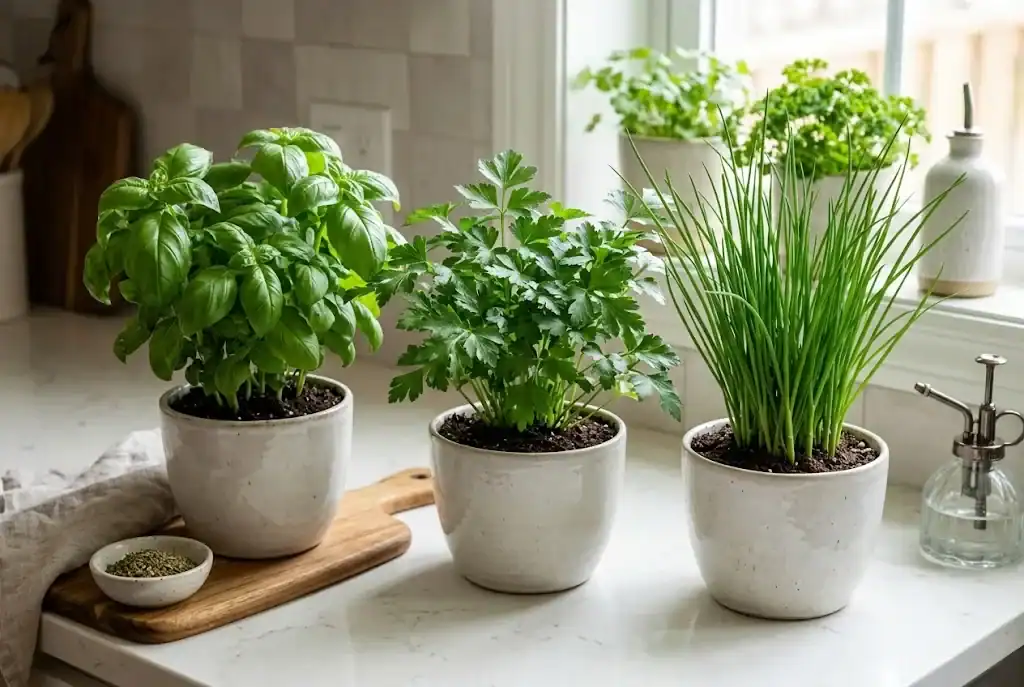
Leafy herbs like basil, Italian flat-leaf parsley, and a potted chive plant produce lush foliage when given rich soil and steady moisture. Sweet basil loves warm temperatures and bright light, making it a great choice for a window ledge where you can gather leaves for homemade pesto. A hardy chive clump is easy to grow and bounces back quickly after frequent clipping, providing an appetizing finish for soups, eggs, and roasted garlic potatoes.
When you use herbs frequently in daily cooking, having leafy staples nearby encourages healthier eating and creative seasoning. This fragrant crop grows well when pinched regularly at leaf nodes to promote dense side branching.
Sun-Loving Mediterranean Herbs for Bright Kitchen Windows
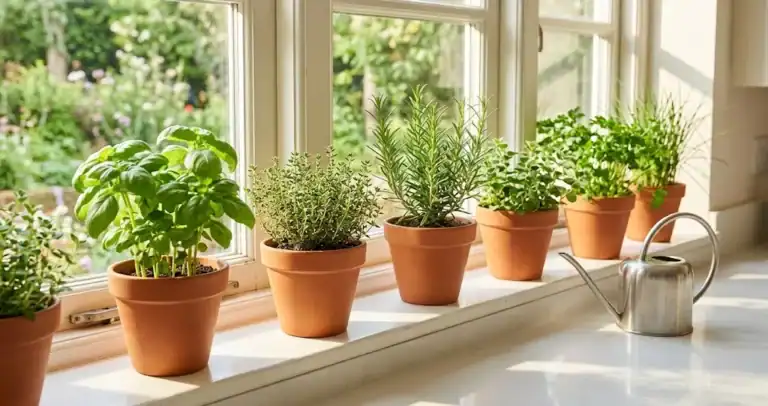
Mediterranean perennials like rosemary, thyme, oregano, and culinary sage thrive in drier soil and require plenty of light. These woody plants need at least 4-6 hours of direct sunlight daily to develop concentrated oils. Plant them in gritty, well-drained potting mix and allow the surface to dry thoroughly between waterings.
Growing culinary sage provides reliable seasonings for roasted vegetables, meats, and poultry. One of the favorite ways to use these robust greens is infusing warm olive oil or compound butter right before serving.
Delicate Cool-Season Herbs for Indoor Kitchen Containers
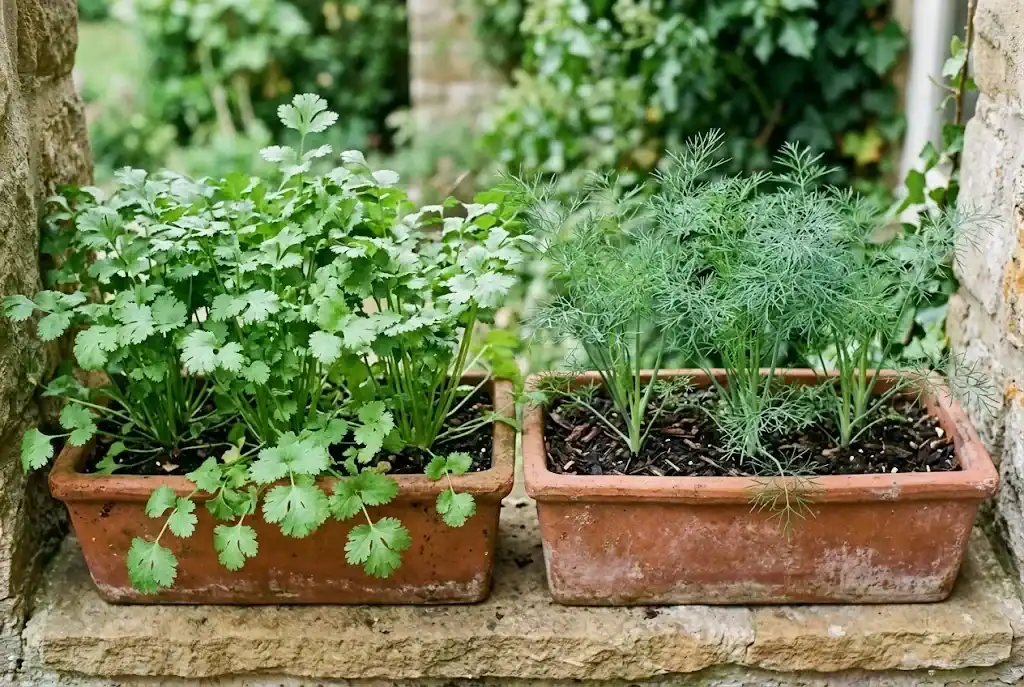
Cool-season favorites including cilantro (coriander), dill, French tarragon, and sweet marjoram provide distinct culinary notes for dressings, sauces, and seafood. Fragrant coriander prefers cooler room temperatures, while dill is an excellent selection that benefits from a deeper container to accommodate root growth. Marjoram and tarragon offer subtle, sweet herbal notes that complement roasted dishes, fresh salads, and classic home recipes.
Because tender annuals develop rapidly from seed, succession sowing ensures you maintain tender young foliage. Monitor seedling germination closely and thin crowded sprouts early to maintain strong airflow around the base of each stem.
Essential Indoor Growing Conditions for Thriving Culinary Plants
To keep your crops healthy and productive, pay close attention to three fundamental requirements: light conditions, moisture, and pruning.
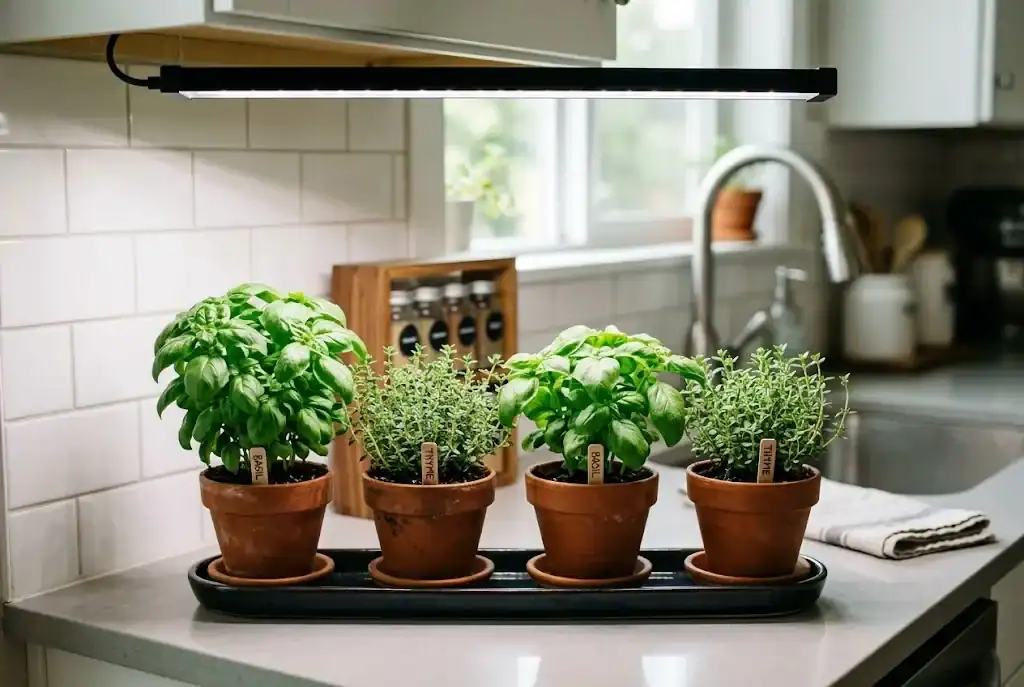
Light is the single most critical factor for indoor success. Most culinary selections need full sun or direct sunlight from a south-facing or west-facing window. It is important to know whether your kitchen provides enough light for active growth. If natural exposure is limited, supplementing with a compact LED grow light ensures every herb receives adequate daily hours of light to prevent weak, leggy stems.
Proper moisture management prevents root rot. As a general rule of thumb, check soil moisture with your fingertip before adding water. Water thoroughly when the top inch feels dry, allowing excess liquid to escape through container drainage holes. Prune growing tips regularly to stimulate bushy branches and support continuous harvesting. For detailed guidance on daily maintenance, see our practical tips for growing kitchen herbs.
Simple Steps to Start a Kitchen Herb Garden Today
Starting an indoor culinary garden requires minimal equipment and zero previous gardening experience. When gardeners ask how to successfully grow flavorful greens indoors, the simplest approach is starting small with proven culinary favorites.
You do not need a natural green thumb to begin. Select three or four varieties you cook with most frequently. Decide whether you need to plant from seed or purchase vigorous potted starts from a nursery. Plant it in a pot with drainage, position your container in bright light, and water moderately. Snip outer stems regularly to encourage bushy new growth, and enjoy the unparalleled satisfaction of cooking with home-grown fresh seasonings every day.